Guacamole — health benefits and uses
Fat, texture, and satiety angle; clarify strict WFPB vs flexible plant-based use
The Short Answer
Guacamole is a nutrient-dense fat source providing 4.6g of fiber and 92 calories per 1/4 cup serving. It is rich in heart-healthy monounsaturated fats, potassium, and antioxidants like lutein.

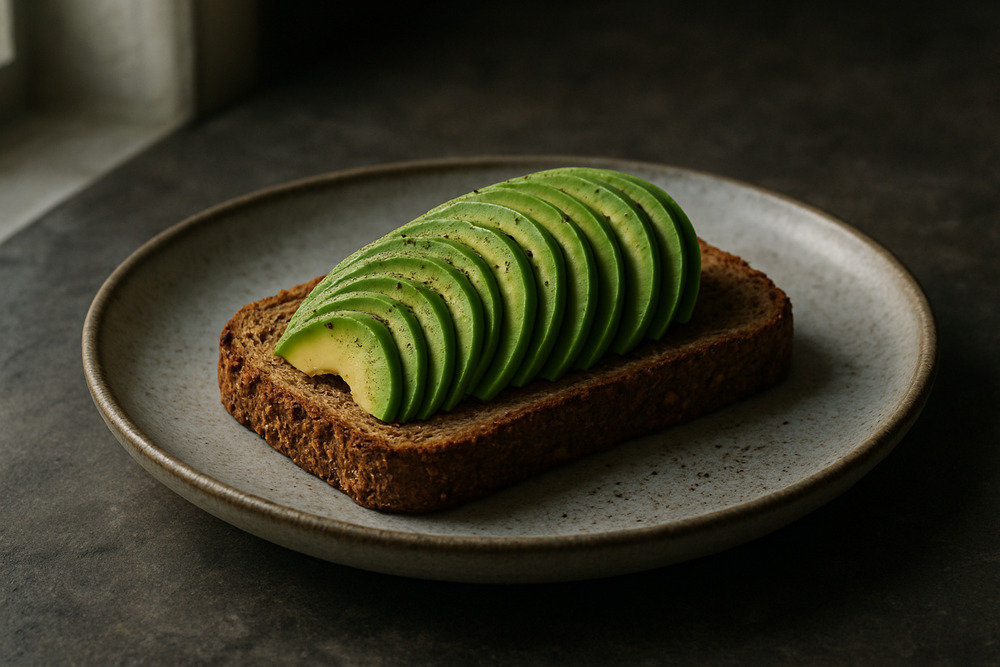
Guacamole · Photograph
Guacamole is one of those foods that people either assume is a superfood or feel guilty about eating. The truth, as usual, sits somewhere more nuanced. Made primarily from Persea americana (the avocado), guacamole is a minimally processed, fat-rich condiment that brings genuine nutritional value — but also a calorie density that deserves honest attention.
Key Nutrients
% Daily Value based on 2,000 cal diet
Key active compounds
- Oleic acid — the primary monounsaturated fatty acid in avocado, also found in olive oil; associated with anti-inflammatory effects and LDL cholesterol management
- Beta-sitosterol — a plant sterol that may help block cholesterol absorption in the gut
- Lutein and zeaxanthin — carotenoids (natural plant pigments) linked to eye health and reduced oxidative stress
- Folate (vitamin B9) — essential for cell division and particularly important during pregnancy
- Potassium — an electrolyte that supports blood pressure regulation; avocado contains more potassium per gram than bananas
- Vitamin E (tocopherol) — a fat-soluble antioxidant that helps protect cells from damage
- Glutathione — an antioxidant produced naturally by the body; avocado is one of the few dietary sources
- Fibre (soluble and insoluble) — supports gut bacteria, slows glucose absorption, and contributes to satiety
Prep and pairing ideas
Guacamole is versatile well beyond the chip bowl:
- As a sandwich spread instead of mayonnaise — replaces saturated fat from eggs and added oils with monounsaturated fat from avocado, and adds fibre
- Dolloped on grain bowls or black bean tacos — the fat helps absorb fat-soluble nutrients like lycopene from tomatoes and beta-carotene from peppers
- Stirred into warm whole grain pasta with roasted cherry tomatoes — a no-cook, oil-free sauce alternative that keeps the dish creamy without dairy
Buying guide: how to choose a healthier guacamole
Selected module: Buying guide
Fresh vs. refrigerated vs. shelf-stable:
- Homemade or fresh deli-made is almost always the best choice nutritionally. You see every ingredient.
- Refrigerated store-bought can be fine — check the label rigorously (see below).
- Shelf-stable pouches or powders are the most processed and generally the least nutritious option.
Label reading tips:
- Avocado should be ingredient #1, ideally at 70% or higher.
- Skip products with added oils — look for sunflower oil, canola oil, or "avocado oil" in the ingredients list. These indicate the manufacturer has used cheaper filler fat rather than more whole avocado.
- Watch sodium — some commercial versions contain 150–200 mg sodium per two-tablespoon serving. If you are managing blood pressure, this adds up.
- Avoid artificial colours — real avocado-heavy guacamole does not need colour additives to look green.
- Short ingredient lists win. A quality commercial guacamole should need no more than 8–10 ingredients.
How much guacamole is too much? Practical daily amounts
There is no single universal answer, but here is a practical framework based on available evidence:
- General healthy adult: 2–4 tablespoons (30–60 g) per day is a reasonable portion — roughly half to one small avocado. This provides meaningful fat and nutrients without excessive calories.
- Calorie-conscious or weight loss goal: Stick to 2 tablespoons (30 g) and prioritise vegetable dippers over chips or bread.
- Active individuals with higher energy needs: Up to one full avocado's worth (approximately 4–6 tablespoons) can fit comfortably within daily calorie targets.
- IBS or FODMAP restriction: Limit to one-eighth of an avocado (roughly 1 tablespoon of guacamole) per sitting.
The chip problem: The calorie load from guacamole is often not guacamole itself — it is the tortilla chips. A 30 g serving of chips adds ~150 kcal and significant sodium. Swapping chips for cucumber rounds, celery sticks, carrot batons, or warm corn tortillas dramatically changes the nutritional picture.
Myths vs. facts
Selected module: Myths vs. facts
Myth 1: "Guacamole is fattening and should be avoided on a diet." Fact: The fat in avocado is primarily monounsaturated and comes packaged with fibre and micronutrients. Studies on avocado consumption have not found an association with weight gain in moderate portions. The calories are real and matter, but the food itself is not inherently fattening when portioned appropriately.
Myth 2: "Store-bought guacamole is just as healthy as homemade." Fact: Not always. Many commercial products contain added extracted oils, artificial colours, dairy, and preservatives that reduce their whole-food status and can add unnecessary sodium and calories. Always read the label.
Myth 3: "Guacamole is bad for cholesterol." Fact: The opposite appears to be true for most people. The oleic acid and plant sterols in avocado are associated with reductions in LDL
How Guacamole Compares
| Compared with | What's different |
|---|---|
| Guacamole vs. Mayonnaise | Has less fiber and potassium than guacamole, consisting mostly of pure fat without the whole fruit solids. |
| Guacamole vs. Salsa Roja | Higher in sodium and acidity, but significantly lower in calories and healthy fats than guacamole. |
| Guacamole vs. Hummus | Higher in protein and calcium but lacks the monounsaturated oleic acid found in guacamole. |
Health Benefits
Things to Know
Calorie density: Avocado contains roughly 160 kcal per 100 g. This is not a food to eat mindlessly from the bowl. Use a spoon, not a chip, to measure.
Vitamin K interaction: Avocado is a moderate source of vitamin K, which plays a role in blood clotting. If you are taking warfarin or another anticoagulant (blood-thinning medication), speak to your doctor before significantly increasing your intake — consistency in vitamin K consumption matters more than avoidance.
FODMAP sensitivity: Avocado contains sorbitol and fructose (both types of fermentable carbohydrates called FODMAPs). People with irritable bowel syndrome (IBS) who follow a low-FODMAP diet are typically advised to limit avocado to no more than one-eighth of a fruit per serving.
Latex-fruit syndrome: A small number of people with latex allergy also react to avocado due to cross-reactive proteins. Symptoms can range from mild oral itching to more serious reactions. If you have a known latex allergy, discuss avocado consumption with your doctor.
Pregnancy: Guacamole made from whole, fresh ingredients is generally considered safe and beneficial during pregnancy (folate is important for foetal development). Avoid unpasteurised store-bought versions, which carry a small Listeria risk.
Hormone-sensitive conditions: No specific concerns identified for avocado in hormone-sensitive conditions, unlike some other plant foods.
High-calorie diets: If you are tracking calories for weight management, account for guacamole carefully. It is easy to eat 200–400 kcal of guacamole in a social setting without realising it.
Prep Ideas
- — As a sandwich spread instead of mayonnaise — replaces saturated fat from eggs and added oils with monounsaturated fat from avocado, and adds fibre
- — Dolloped on grain bowls or black bean tacos — the fat helps absorb fat-soluble nutrients like lycopene from tomatoes and beta-carotene from peppers
- — Stirred into warm whole grain pasta with roasted cherry tomatoes — a no-cook, oil-free sauce alternative that keeps the dish creamy without dairy
Shop This Ingredient
Stock your pantry with quality guacamole.
Buy on AmazonAs an Amazon Associate, Plantopedia earns from qualifying purchases. This costs you nothing extra and helps us keep the encyclopedia free.
Frequently Asked Questions
Heart and circulation The most consistent evidence around avocado relates to cardiovascular risk markers. Several randomised controlled trials (RCTs — studies where participants are randomly assigned to groups, considered a gold standard) have found that replacing saturated fat in the diet with avocado-derived monounsaturated fat is associated with reductions in LDL cholesterol (often called "bad" cholesterol) and improvements in the LDL-to-HDL ratio. A 2015 RCT published in the Journal of the American Heart Association found that participants eating one avocado per day as part of a moderate-fat diet saw significantly greater LDL reductions than those eating the same level of fat from other sources. Beta-sitosterol, a plant sterol in avocado, may also contribute by competing with dietary cholesterol for absorption in the small intestine. Important distinction: These studies measure risk markers (like LDL levels), not hard outcomes (like heart attacks). Lowering LDL is associated with lower cardiovascular risk, but guacamole cannot be said to prevent heart disease. Digestive health and microbiome Avocados are a meaningful source of fibre — around 3.4 g per 100 g. Both soluble fibre (which forms a gel in the gut and feeds beneficial bacteria) and insoluble fibre (which adds bulk to stool and supports regularity) are present. A 2021 human trial published in the Journal of Nutrition found that daily avocado consumption increased the abundance of certain beneficial gut bacteria and improved markers of gut health compared to a control diet. The fibre content is likely the main driver here. Blood sugar and metabolism Avocado has a very low glycaemic index (a measure of how quickly a food raises blood sugar, with 100 being pure glucose). The combination of fat and fibre slows the digestion and absorption of any carbohydrates eaten alongside it, which may blunt post-meal blood sugar spikes. Some small studies suggest that adding avocado to a carbohydrate-rich meal reduces the glycaemic response to that meal. Evidence here is still emerging and mostly limited to small trials. Inflammation and recovery Oleic acid and several of the antioxidants in avocado (including vitamin E and glutathione) have demonstrated anti-inflammatory effects in cell and animal studies. Human evidence is more limited, but population studies consistently associate higher consumption of monounsaturated fats with lower markers of systemic inflammation (chronic, low-grade inflammation in the body). This is an area of active research.
This is where food processing becomes relevant — especially for people following whole food plant-based (WFPB) principles. Homemade from whole avocados is the gold standard. You control every ingredient: avocado, lime juice, tomato, onion, garlic, coriander, a small amount of salt. No added oils, no preservatives, no fillers. This is the form closest to the whole food, and the one most aligned with what research on avocado consumption actually studies. Store-bought refrigerated guacamole varies enormously. Higher-quality products contain mostly avocado with minor additions. Lower-quality products may include: Added extracted oils (sunflower, canola) — moves it away from whole food principles Sour cream or cheese — adds saturated fat and dairy Artificial colours (including titanium dioxide to maintain green colour) Preservatives like potassium sorbate or EDTA Very low avocado content — some products are less than 30% actual avocado WFPB note: Strict whole food plant-based dietary frameworks flag extracted oils — including good-quality oils like olive or avocado oil — as processed foods to minimise or avoid. Plain guacamole made from whole avocados sidesteps this issue. Any product with added oils does not. Powdered or shelf-stable guacamole products are typically highly processed, low in real avocado, and not recommended as a nutritional equivalent.
Quick Answers
Common questions, answered in a line.
Guacamole is generally heart-healthy because its primary fat, oleic acid, is associated with managing LDL cholesterol levels. Additionally, it contains plant sterols like beta-sitosterol that may help block cholesterol absorption in the gut.
Healthy adults can typically enjoy 2 to 4 tablespoons (30–60 g) of guacamole per day as part of a balanced diet. This amount, roughly equivalent to half or one small avocado, provides significant nutrients and healthy fats without contributing excessive calories.
Guacamole is not inherently fattening when eaten in moderate portions, as its monounsaturated fats come packaged with fiber and micronutrients. Research into avocado consumption has found no direct association with weight gain when portion sizes are managed appropriately.
People with Irritable Bowel Syndrome (IBS) or those following a low-FODMAP diet should limit guacamole to about 1 tablespoon per sitting. This is because avocados contain sorbitol and fructose, which are fermentable carbohydrates that can trigger symptoms in sensitive individuals.
Guacamole is a rich source of potassium, containing more of this essential electrolyte per gram than bananas. This makes it an excellent dietary choice for supporting blood pressure regulation and overall heart health.
To choose the healthiest store-bought guacamole, ensure avocado is the first ingredient and makes up at least 70% of the product. You should also avoid products with added oils like sunflower or canola oil, artificial colors, and high sodium levels.
Guacamole is considered a beneficial food during pregnancy because it is high in folate (Vitamin B9), which is essential for healthy fetal cell division. However, it is recommended to stick to fresh, homemade versions or pasteurized products to avoid potential Listeria risks.
For Readers in the USA
Local context — sourcing, seasonality, and regional notes.
While California and Florida grow the majority of US avocados, the peak season for the popular Hass variety typically runs from spring through late summer. Most avocados sold in the US during the winter months are imported from Mexico to ensure year-round availability in grocery stores.
You can find fresh guacamole in the refrigerated produce section of major US retailers like Whole Foods, Trader Joe's, Kroger, and Costco. Look for brands that use High Pressure Processing (HPP) which extends shelf life without using high heat or artificial preservatives.
The USDA Organic seal on guacamole ensures the avocados were grown without synthetic fertilizers or pesticides and that the final product contains no GMO ingredients. For the cleanest label, many US consumers also look for the Non-GMO Project Verified seal to avoid bioengineered ingredients like certain added oils.
Mexico is the ancestral home of guacamole, but in the United States, "California-style" often adds fresh sprouts or citrus, while "Tex-Mex" versions frequently incorporate heavy doses of garlic, cumin, and diced tomatoes. These regional variations are staples at local farmers markets and specialized taquerias across the Southwest and West Coast.
AI Clinical Review
- Guacamole made from whole avocados is a nutrient-dense, minimally processed fat source rich in monounsaturated fat (MUFA), fiber, potassium, folate, and vitamin E.
- Evidence from randomized controlled trials shows that replacing saturated fat with avocado/MUFA can lower LDL cholesterol and improve lipid ratios—useful for heart risk markers.
- The piece accurately separates “markers” (like LDL) from hard outcomes (like heart attacks) and notes that add‑ins in commercial guacamole can change the health profile.
- Fiber and the overall matrix of avocado can support satiety and digestive health; early human data suggest favorable shifts in the gut microbiome.
- Practical guidance on portions and the “chip effect” is consumer‑relevant and aligns with weight‑management principles.
- Cardiovascular benefits are strongest for cholesterol markers; we lack long, large trials showing reductions in heart events from avocado or guacamole specifically.
- Blood sugar blunting when adding avocado to high‑carb meals comes from small studies; effects vary with meal composition and overall diet.
- Anti‑inflammatory claims are based largely on mechanistic and observational work; consistent, clinically meaningful reductions in inflammation in diverse populations are not yet confirmed.
- Plant sterols (e.g., beta‑sitosterol) help reduce cholesterol absorption, but typical guacamole portions may deliver modest amounts; real‑world impact depends on the whole diet.
- Portion guidance is reasonable: about 2–4 tablespoons (30–60 g) daily for most adults; energy density is high, so pair with vegetables or whole‑grain options if watching calories.
- If you take warfarin or another vitamin K–sensitive anticoagulant, aim for consistent vitamin K intake and check with your clinician before major changes.
- Those with IBS or on a low‑FODMAP plan may need small servings; avocado contains sorbitol and can trigger symptoms in some.
- Latex‑fruit allergy can cross‑react with avocado; anyone with known latex allergy should confirm tolerance.
- During pregnancy, homemade or pasteurized refrigerated guacamole is preferred; avoid unpasteurized, shelf‑stable, or long‑open products to reduce foodborne risk.
- Store‑bought versions vary widely—scan for avocado as the first ingredient, minimal added oils, and moderate sodium to stay closer to a whole‑food option.
Flag strict WFPB limitations for extracted oils and highly processed fat products.
References
- PubMed — US Older Adults That Consume Avocado or Guacamole Have Better Cognition Than Non-consumers: National Health and Nutrition Examination Survey 2011-2014 (pubmed.ncbi.nlm.nih.gov)
- PubMed — Avocado and Guacamole Consumption and Colorectal Cancer Risk: The Multiethnic Cohort Study (pubmed.ncbi.nlm.nih.gov)
- Harvard T.H. Chan School of Public Health — Guacamole • The Nutrition Source (nutritionsource.hsph.harvard.edu)
- PubMed — Avocado consumption and markers of inflammation: results from the Multi-Ethnic Study of Atherosclerosis (MESA) (pubmed.ncbi.nlm.nih.gov)
- USDA FoodData Central — USDA FoodData Central (fdc.nal.usda.gov)
Know Your Numbers
Eating healthy is a start. Now get to know your biomarkers.
Food changes bloodwork — inflammation, lipids, blood sugar and nutrient status all respond to what you eat. 59 markers from $59.
- Results in 7–10 days at 2,000+ Quest sites
- Licensed provider reviews every result
- One flat price, no membership, HSA/FSA eligible
Educational information only, not medical advice. Panels are ordered and reviewed through our licensed partner; Plantopedia may earn a commission.