Holy Basil (Tulsi) — health benefits and uses
A revered Ayurvedic adaptogen used for stress resilience and respiratory support.
The Short Answer
Holy basil, or Tulsi, is a medicinal herb used to support stress relief, blood sugar management, and immune health through its high concentration of antioxidants like eugenol and rosmarinic acid.
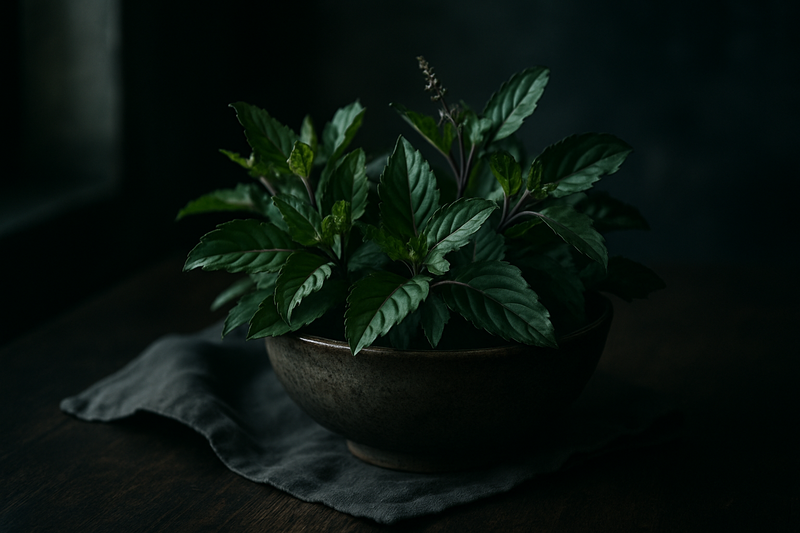
Holy Basil (Tulsi) · Photograph
Discover the science-backed holy basil (tulsi) health benefits, uses, and side effects — from blood sugar support and stress relief to heart health and daily tea ideas. Learn safe doses, who should be cautious, and how to use this ancient adaptogen herb in your everyday routine.
Key Nutrients
% Daily Value based on 2,000 cal diet
Key active compounds in holy basil
Holy basil owes its effects to a layered chemistry of phenolic compounds, flavonoids, and triterpenoids. Here are the main players:
- Eugenol — A phenolic compound (a plant-made chemical with antioxidant properties) that gives tulsi its clove-like aroma. In laboratory studies, eugenol shows antioxidant, anti-inflammatory, and antimicrobial activity and is thought to be a key driver of tulsi's soothing and protective effects.
- Rosmarinic acid — A polyphenolic antioxidant (a type of plant compound that neutralizes cell-damaging molecules called free radicals) found in many mint-family herbs. Research suggests it may help reduce inflammatory signaling and support immune health.
- Ursolic acid — A triterpenoid (a waxy plant compound) linked in preclinical (cell and animal) studies to anti-inflammatory and cardiometabolic mechanisms. Human evidence is limited but emerging.
- Flavonoids: orientin and vicenin — Water-soluble plant pigments with antioxidant and cytoprotective (cell-protecting) properties, thought to support immune modulation and cellular resilience.
- Essential oil complex — The volatile (easily evaporated) oil fraction contains eugenol alongside camphor, linalool, and other aromatic compounds that together contribute to tulsi's antimicrobial and sensory qualities.
Prep and pairing ideas
Classic tulsi tea: Add 1 to 2 teaspoons of dried holy basil leaves (or a small handful of fresh leaves) to a cup of just-boiled water. Steep for 5 to 10 minutes, strain, and sip. A squeeze of lemon and a drizzle of honey balance tulsi's peppery edge beautifully.
Thai-style stir-fry: Fresh tulsi leaves added at the very end of cooking a Thai basil chicken or tofu dish replicate the traditional flavor — that clove-and-pepper punch that makes the dish distinctive. Heat destroys some volatile compounds, so add leaves in the last 30 seconds.
Smoothie boost: Blend a teaspoon of dried tulsi powder into a green smoothie with spinach, banana, and ginger. The earthy warmth pairs surprisingly well with tropical fruits.
Who benefits most from holy basil?
The stressed-out professional juggling long hours and poor sleep may find a daily cup of tulsi tea a genuinely useful ritual — not just for any pharmacological effect, but because the act of slowing down to steep and sip is itself a stress-reduction practice. Small trials suggest real, if modest, improvements in perceived stress and sleep quality.
- Look for a quality dried leaf product with minimal additives.
- Start with one cup in the evening to observe how it affects your sleep and mood.
- Pair with other evidence-supported habits: consistent sleep times, regular movement.
The person managing blood sugar with diet and lifestyle (alongside medical supervision) may find powdered tulsi leaf or a standardized extract a worthy complement to their existing plan.
- Always flag new supplements to your care team so medication doses can be monitored.
- Use as an addition to — never a substitute for — prescribed therapy.
- Track fasting glucose readings when you start and after 4 weeks to assess any shift.
Bottom line
Holy basil (tulsi) is one of the more credible herbal adaptogens from a research standpoint, with small but consistent human trials suggesting modest benefits for blood sugar control, perceived stress, and cardiometabolic markers. Its active compounds — eugenol, rosmarinic acid, ursolic acid, and characteristic flavonoids — have real biological activity in laboratory models, and the traditional daily-tea habit is a low-risk, high-enjoyment way to explore those effects.
The evidence is not yet strong enough to position tulsi as a treatment for any condition, and its interactions with diabetes medication and blood thinners mean it is not entirely without risk. But as a whole-plant herb enjoyed as a calming daily tea or a clove-peppery addition to Thai-inspired cooking, holy basil earns its place in a thoughtful, food-forward wellness routine. Start gently, track how you feel, and loop in your doctor if you have any underlying health conditions.
How Holy Basil (Tulsi) Compares
| Compared with | What's different |
|---|---|
| Holy Basil (Tulsi) vs. Sweet Basil (Genovese) | Peppery, clove-like flavor and used as a medicinal adaptogen tea. |
| Holy Basil (Tulsi) vs. Thai Basil | Sharper anise and licorice notes; holds up better to high-heat cooking. |
Health Benefits
Things to Know
Blood sugar lowering: Holy basil can reduce blood glucose. If you take insulin, sulfonylureas, or any other diabetes medication, monitor your levels carefully and discuss dosage adjustments with your doctor.
Blood-thinning effects: Tulsi may slow blood clotting. Avoid combining medicinal doses with anticoagulants (e.g., warfarin, heparin) or antiplatelet drugs (e.g., aspirin, clopidogrel) without medical supervision.
Pre-surgery: Stop medicinal doses of holy basil at least two weeks before any scheduled surgery or invasive dental procedure to minimize bleeding and blood sugar risks.
Pregnancy: Some sources warn of possible uterine-stimulating effects, and safety data for pregnant women are absent. Avoid medicinal doses during pregnancy or when trying to conceive.
Breastfeeding: Robust safety data are lacking; conservative guidance recommends avoiding medicinal doses while breastfeeding.
Sedative medications: Animal data suggest holy basil seed oil may enhance sedative effects of drugs like benzodiazepines or barbiturates. Use cautiously if you take CNS depressants.
Mint-family allergy: If you are allergic to any Lamiaceae plants (mint, oregano, lavender), you may be at higher risk of reacting to holy basil.
Children and adolescents: Pediatric safety and dosing are not established; most trials involved adults only.
Vitamin K content: If you take warfarin, note that even culinary amounts of basil contribute vitamin K, which can affect medication efficacy.
Long-term use: Short-term use (up to about 12 weeks) at studied doses appears generally well tolerated, but long-term safety data beyond that window are limited.
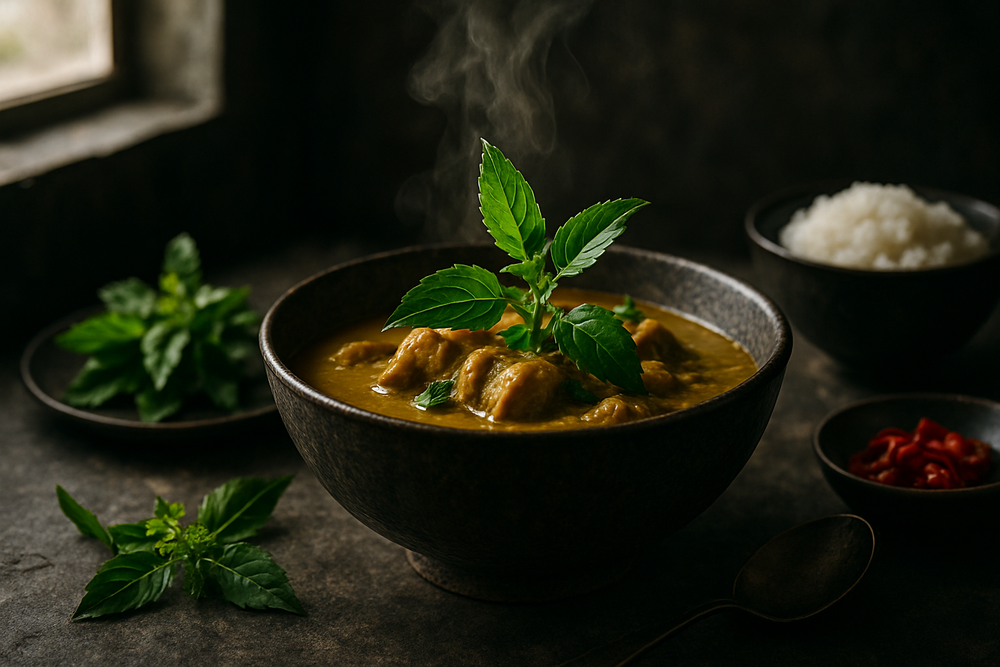
Prep Ideas
- — Look for a quality dried leaf product with minimal additives.
- — Start with one cup in the evening to observe how it affects your sleep and mood.
- — Pair with other evidence-supported habits: consistent sleep times, regular movement.
- — Always flag new supplements to your care team so medication doses can be monitored.
- — Use as an addition to — never a substitute for — prescribed therapy.
- — Track fasting glucose readings when you start and after 4 weeks to assess any shift.
Glossary
Shop This Ingredient
Stock your pantry with quality holy basil (tulsi).
Buy on AmazonAs an Amazon Associate, Plantopedia earns from qualifying purchases. This costs you nothing extra and helps us keep the encyclopedia free.
Frequently Asked Questions
Heart health and circulation Several small clinical trials included in a 2017 systematic review found that adults with metabolic syndrome or type 2 diabetes who took tulsi leaf preparations experienced modest reductions in total cholesterol, LDL cholesterol (often called "bad" cholesterol), triglycerides (blood fats), and blood pressure compared with control groups. The researchers concluded that tulsi may assist in normalizing blood lipid profiles and blood pressure as part of broader lifestyle management. The honest caveat: these trials typically ran for only 4 to 12 weeks, involved small numbers of participants, and often lacked the gold-standard double-blind design (where neither participants nor researchers know who receives the active treatment). Preclinical data back up the idea — tulsi's antioxidant and anti-inflammatory compounds show vasoprotective effects in laboratory and animal models — but large, rigorous human trials are still needed before strong cardiovascular claims can be made. Digestive health and gut support Holy basil has a long reputation in Ayurveda as a carminative (a herb that relieves gas and supports digestive comfort). Its essential oils show antimicrobial activity against some gut-relevant microbes in laboratory settings, and a handful of broader stress or metabolic intervention studies have noted participant-reported improvements in bloating or abdominal discomfort as secondary findings. That said, direct digestive outcomes have rarely been the primary focus of a tulsi trial. The digestive benefits are currently grounded more in traditional use and preclinical data than in high-quality human studies, so they should be considered speculative until larger, targeted research confirms them. Blood sugar and metabolic support This is the area with the most consistent human evidence. In a classic randomized controlled trial in people with mild-to-moderate non-insulin-dependent (type 2) diabetes, holy basil leaves reduced fasting glucose (blood sugar measured after an overnight fast) by approximately 21 mg/dL and postprandial glucose (blood sugar measured after a meal) by approximately 16 mg/dL compared with placebo. A 90-day study found a slight improvement in HbA1c — a marker of average blood sugar over roughly three months — when tulsi was added to standard diabetes medication. A 2017 review of 24 human tulsi studies concluded that the herb may help normalize glucose and broader metabolic parameters, while also noting the absence of large, high-quality trials. Proposed mechanisms include effects on insulin secretion, stress hormone activity, and oxidative stress — but these pathways are not fully confirmed in people. Important: because holy basil can meaningfully lower blood sugar, anyone on diabetes medication should monitor their levels closely and never substitute tulsi for prescribed therapy. Stress, mood, and adaptogenic support Perhaps tulsi's most celebrated modern role is as an adaptogen for everyday stress. A randomized placebo-controlled trial in 100 adults found that those taking a holy basil supplement reported significant improvements in self-reported stress scores, sleep quality, and related psychological measures. Other small studies have documented reductions in anxiety-related symptoms after 4 to 8 weeks of daily tulsi use. Adaptogen effects are mainly measured through subjective questionnaires and occasionally through cortisol (a primary stress hormone) or autonomic nervous system measures, which limits how precisely we can quantify the benefit. Claims that tulsi directly modulates sex hormones or thyroid function are largely preclinical and should not be relied upon without medical guidance. Inflammation and antioxidant activity Eugenol, rosmarinic acid, ursolic acid, and tulsi's flavonoids collectively show the ability to neutralize free radicals, inhibit inflammatory enzymes, and reduce oxidative stress markers in laboratory experiments. Some tulsi trials measuring metabolic or stress outcomes have also noted small improvements in inflammatory biomarkers as secondary results, though findings are inconsistent. There is a meaningful gap between "reduces inflammation in a petri dish" and "measurably reduces inflammation in a person." Larger, dedicated anti-inflammatory trials in humans are needed before tulsi can be confidently recommended for specific inflammatory conditions.
The honest answer is: it depends on your goal and your lifestyle. Fresh or dried leaf tea is the most accessible and traditional form. Steeping 1 to 2 teaspoons of dried tulsi leaf in hot water for 5 to 10 minutes yields a gentle, aromatic cup that aligns with traditional Ayurvedic practice. This is a low-commitment starting point for healthy adults curious about tulsi's calming effects or flavor. Powdered leaf (roughly 2 to 3 grams per day divided across meals) is the form used in several of the blood sugar and stress trials. It integrates easily into smoothies, porridge, or warm beverages and fits naturally into a whole-food, plant-based routine. Standardized capsules or tablets (typically 300 to 600 mg of extract once or twice daily) allow more precise dosing and are the form used in most clinical trials. Products vary in how they are standardized — some to eugenol content, others to total phenolics — so it is worth checking the label and following manufacturer guidance or clinician advice. Liquid extracts and tinctures are commercially available, usually dosed at 1 to 2 mL two to three times daily, but clinical evidence with this specific preparation is limited. Dosing is largely extrapolated from capsule studies. Essential oil is not recommended for oral use without professional supervision due to highly concentrated eugenol, which can be toxic in large amounts. Stick to aromatherapy or topical use under guidance.
There is no universal recommended dose, and the right amount depends on why you are using it and what form you choose. As a daily wellness tea: 1 to 2 cups made from roughly 2 to 3 grams of dried leaf (about 1 to 2 teaspoons) is a gentle, traditional starting point with a strong safety record in healthy adults. For blood sugar and metabolic support (with medical oversight): Clinical trials have commonly used 2 to 3 grams per day of powdered tulsi leaf divided across meals, or 300 to 600 mg of standardized extract taken once or twice daily, for periods of 4 to 12 weeks. General guidance: Start with the lower end of any dose range and observe how your body responds for one to two weeks before increasing. No human trial has established a clear therapeutic ceiling, but amounts up to approximately 2,500 mg of leaf powder or 1,200 mg of extract per day have been used in short-term studies without serious adverse events reported. Always follow the label instructions on any supplement and consult your healthcare provider if you have a chronic health condition or take medications. If you are curious about how tulsi fits into a broader plant-based approach to your health goals, explore our wellness goals guides for more context on adaptogens and food-as-medicine strategies.
Quick Answers
Common questions, answered in a line.
Holy basil contains several key active compounds, including eugenol, rosmarinic acid, ursolic acid, and flavonoids like orientin and vicenin. These plant-made chemicals provide antioxidant, anti-inflammatory, and antimicrobial properties that support cellular resilience and immune health.
Holy basil (tulsi) can lower blood glucose levels, which may cause interactions for those taking insulin or other diabetes medications. If you use blood sugar-lowering drugs, you should monitor your levels closely and consult a doctor before adding tulsi to your routine.
You can make holy basil tea by steeping 1 to 2 teaspoons of dried leaves, or a small handful of fresh leaves, in just-boiled water for 5 to 10 minutes. For better flavor, try adding a squeeze of lemon or a drizzle of honey to balance the herb's natural peppery edge.
Holy basil may slow blood clotting, so it should not be combined with anticoagulants like warfarin or antiplatelet drugs like aspirin without medical supervision. Because of these blood-thinning effects, you should stop taking it at least two weeks before any scheduled surgery.
It is best to avoid medicinal doses of holy basil during pregnancy as some sources warn of potential uterine-stimulating effects. Additionally, there is a lack of robust safety data regarding its use during pregnancy, while trying to conceive, or while breastfeeding.
To use holy basil in cooking, add fresh leaves to Thai-style stir-fries during the last 30 seconds of heat to preserve their volatile oils. You can also blend a teaspoon of dried tulsi powder into smoothies with ingredients like spinach, banana, and ginger.
Individuals with a known allergy to the Lamiaceae plant family, which includes mint, oregano, and lavender, may be at a higher risk of reacting to holy basil. If you have these allergies, you should exercise caution when using this herb.
For Readers in the USA
Local context — sourcing, seasonality, and regional notes.
In the United States, holy basil can be grown as a summer annual in most states or as a perennial in USDA Hardiness Zones 10 and 11, such as Southern Florida, Hawaii, and parts of Southern California. It thrives in full sun and requires warm soil temperatures above 70°F to flourish.
Fresh holy basil is primarily found at local farmers markets, Asian grocery stores (often labeled as "Thai Holy Basil"), and specialty health food stores like Whole Foods or Sprouts. Dried leaves and tea bags are widely available at major retailers like Walmart, Target, and Kroger.
When buying holy basil supplements or teas in the US, look for the USDA Organic seal to ensure the herb was grown without synthetic pesticides. Because the FDA does not approve herbal supplements for safety and efficacy, choosing brands with third-party certifications is recommended.
While both are in the mint family, American grocery store "Sweet Basil" has a licorice-like flavor, whereas Holy Basil (Tulsi) has a distinct clove-and-pepper aroma due to its high eugenol content. Thai Basil is a different variety frequently confused with Holy Basil in US markets.
AI Clinical Review
- Clearly distinguishes holy basil (tulsi) from common sweet basil and explains its adaptogenic use in an accessible way.
- Accurately reflects the human evidence: small randomized trials suggest modest improvements in fasting/post‑meal glucose and perceived stress/sleep, while cautioning against using tulsi as a substitute for medical care.
- Provides practical, consumer‑friendly dosing ranges that mirror study designs (e.g., 2–3 g/day powdered leaf or ~300–600 mg standardized extract; gentle entry via tea).
- Notes key actives (eugenol, rosmarinic and ursolic acids, flavonoids) without overclaiming what preclinical data mean for people.
- Cardiometabolic outcomes beyond glucose (lipids, blood pressure) come from short, small trials; larger, longer, well‑blinded studies are needed to confirm size and durability of effect.
- Digestive benefits are largely based on tradition and lab work; few trials have GI symptoms as primary endpoints.
- Anti‑inflammatory/antioxidant claims rely mostly on biomarker or preclinical findings; consistent, clinically meaningful changes in humans are not yet established.
- Product variability (leaf vs. different extract standardizations) can influence effects and comparability across studies.
- Safety/interaction essentials: tulsi may lower blood sugar (hypoglycemia risk with diabetes meds) and may increase bleeding risk with anticoagulants/antiplatelets; its vitamin K content can affect warfarin.
- Populations that should seek clinician guidance first: pregnant or breastfeeding individuals, people scheduled for surgery (stop at least 2 weeks prior), and those on sedatives or with mint‑family allergies.
- Typical study durations are 4–12 weeks; long‑term safety beyond that window is not well characterized—start low, track response, and reassess.
- Form matters: tea and powdered leaf are gentler, standardized extracts allow dose precision, and essential oil should not be taken orally without professional supervision.
May lower blood sugar; those on diabetes medication should monitor levels.
References
- USDA SR28 nutrient report for fresh basil (nutrition data reference) (ars.usda.gov)
- PMC — "The Clinical Efficacy and Safety of Tulsi in Humans" (2017 systematic review of 24 human trials) (pmc.ncbi.nlm.nih.gov)
- PubMed — Randomized controlled trial of holy basil in non-insulin-dependent diabetes mellitus (pubmed.ncbi.nlm.nih.gov)
- ScienceDirect — Holy basil, metabolic syndrome, and lipid parameters (clinical study) (sciencedirect.com)
- Merck Manual professional monograph: Holy Basil (merckmanuals.com)
- Norwegian Institute of Public Health — Risk assessment of holy basil (safety report, 2023) (fhi.no)
- Cleveland Clinic — The Benefits of Holy Basil (Tulsi) (health.clevelandclinic.org)
- WebMD — Holy Basil: Uses, Side Effects, and More (ingredient monograph) (webmd.com)
- PMC — Additional immune and stress trial data in healthy adults (pmc.ncbi.nlm.nih.gov)
- RxList — Holy Basil supplement profile (interactions and dosing overview) (rxlist.com)
Know Your Numbers
Eating healthy is a start. Now get to know your biomarkers.
Food changes bloodwork — inflammation, lipids, blood sugar and nutrient status all respond to what you eat. 59 markers from $59.
- Results in 7–10 days at 2,000+ Quest sites
- Licensed provider reviews every result
- One flat price, no membership, HSA/FSA eligible
Educational information only, not medical advice. Panels are ordered and reviewed through our licensed partner; Plantopedia may earn a commission.