Kimchi Radish (Kkakdugi) — health benefits and uses
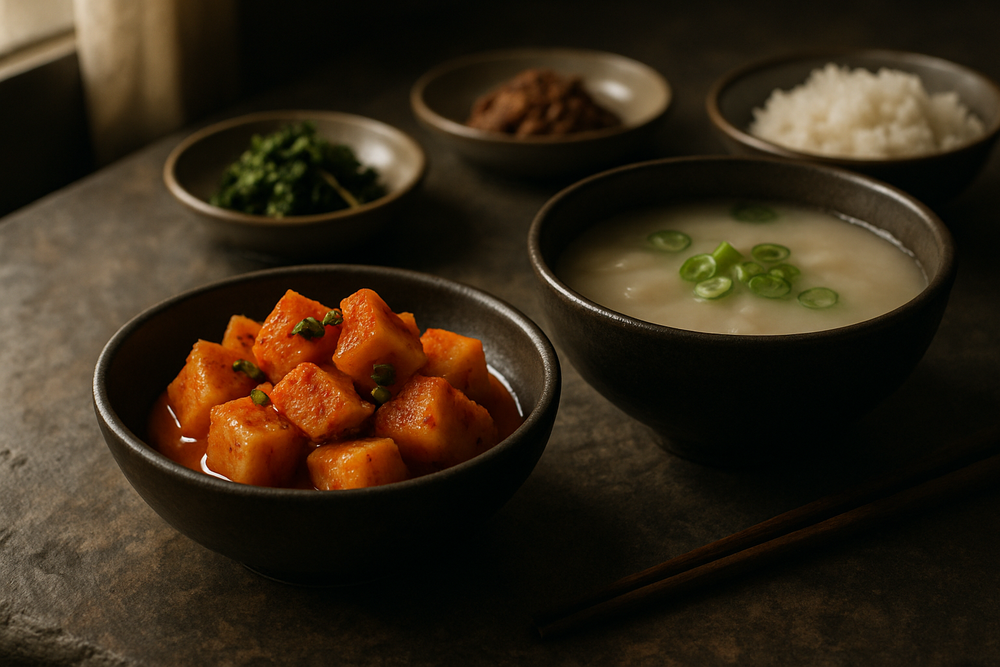
In Korean tradition, radish kimchi is served to aid digestion of heavy meat dishes.
The Short Answer
Kimchi radish (kkakdugi) is a fermented Korean side dish made from cubed Mu radish, providing live probiotics and 18mg of vitamin C per 100g serving. It is prized for its crunchy texture and its ability to support gut health through natural lactic acid
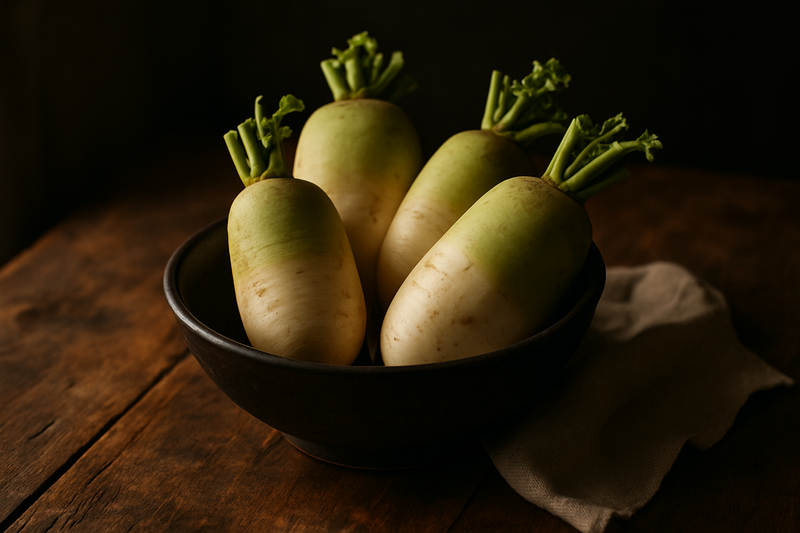
Kimchi Radish (Kkakdugi) · Photograph
Discover the radish kimchi (kkakdugi) health benefits and side effects — from gut health and probiotics to sodium concerns and who should moderate. A practical, evidence-aligned guide to this crunchy Korean fermented side dish.
Key Nutrients
% Daily Value based on 2,000 cal diet
Key active compounds
- Lactic acid bacteria (LAB): Naturally occurring microbes (primarily Lactobacillus species) that ferment the radish, producing lactic acid and colonizing the food with live cultures. These are the source of kkakdugi's probiotic potential.
- Glucosinolates and isothiocyanates: Sulfur-containing compounds native to cruciferous vegetables like radish. When the radish is cut and chewed, an enzyme called myrosinase converts glucosinolates into isothiocyanates, which have been studied for antioxidant and potential detoxification-enzyme-supporting properties.
- Capsaicin: The bioactive alkaloid (a naturally occurring plant chemical) that gives gochugaru its heat. It has been investigated for modest effects on energy expenditure and appetite, as well as potential analgesic (pain-relieving) properties, though the amounts in a typical kkakdugi serving are small.
- Carotenoids (capsanthin, beta-carotene): Pigmented antioxidant compounds from the red chili that give kkakdugi its orange-red hue. Beta-carotene can be converted by the body into vitamin A.
- Phenolic compounds: A broad group of plant antioxidants — including flavonoids and phenolic acids — found in radish, garlic, and chili, collectively contributing to kkakdugi's antioxidant activity.
- Lactic acid and organic acids: Byproducts of fermentation that lower the pH of the food, naturally preserving it and potentially aiding mineral absorption and gut environment.
Prep and pairing ideas
Kkakdugi is at its best as a side dish (called a banchan in Korean) — small portions served alongside the main meal rather than eaten in bulk. Here are three practical ways to use it:
1. Alongside seolleongtang or doenjang jjigae (bone broth or soybean paste stew) The cool crunch and bright acidity of kkakdugi cut through rich, deeply savory stews beautifully. The contrast in texture is exactly why this pairing is traditional. For a fully plant-based version, serve with doenjang (fermented soybean paste) stew built on mushrooms and tofu.
2. As a grain bowl topping Chop kkakdugi into smaller pieces and scatter over a bowl of short-grain brown rice with edamame and avocado. The fermented radish adds a probiotic boost and replaces the need for a heavy dressing.
3. Tucked into a lettuce wrap with tofu or tempeh Korean-style ssam (lettuce wraps) traditionally include kimchi for texture and tang. A cube or two of kkakdugi adds crunch that soft proteins like braised tofu or grilled tempeh don't provide on their own.
Storage note: Once opened, keep kkakdugi tightly sealed in the refrigerator. It continues to ferment slowly and will become sourer over time — well-fermented ("ripe") kkakdugi is excellent for cooking or blending into dressings when it gets too sour to eat plain.
Bottom line
Kkakdugi is one of the more underrated fermented foods in the Western kitchen. It is genuinely low in calories and fat, provides meaningful vitamin C and vitamin K per serving, and — when unpasteurized — delivers live lactic acid bacteria that may support gut microbiome health. Its crunchy texture and cleaner, more peppery flavor make it a versatile condiment for plant-based and omnivore plates alike.
The main practical caution is sodium: recipes and brands vary enormously, and high-sodium versions can quickly offset the dish's cardiovascular-friendly nutrient profile. Most of kkakdugi's health claims remain in the "emerging evidence" or "biologically plausible" category because direct clinical trials on this specific food are limited.
Used in traditional condiment-sized portions alongside a diverse, plant-forward diet, kkakdugi is a flavorful, low-risk way to explore the world of fermented foods — and a particularly satisfying pairing with anything rich and warming.
How Kimchi Radish (Kkakdugi) Compares
| Compared with | What's different |
|---|---|
| Kimchi Radish (Kkakdugi) vs. Baechu Kimchi | Uses cubed Mu radish for a crunchy, juicy texture compared to Napa cabbage's softer leaves. |
| Kimchi Radish (Kkakdugi) vs. Pickled Daikon (Takuan) | Fermented with chili and garlic, whereas pickled radish is preserved in vinegar and sugar. |
Health Benefits
Things to Know
Sodium is the main concern.: Check every label or recipe. High-sodium kimchi can undermine the effectiveness of antihypertensive medications (ACE inhibitors, ARBs, beta-blockers) and diuretics if eaten in large amounts.
Spice and acid sensitivity.: The chili, garlic, and organic acids in kkakdugi can worsen symptoms of gastritis, GERD (acid reflux), peptic ulcers, and irritable bowel syndrome (IBS) in sensitive individuals. Start with a small taste if you have any of these conditions.
Histamine intolerance.: Fermented foods are naturally higher in histamine — a chemical the body also produces during allergic reactions. People with histamine intolerance or mast-cell-related conditions may experience flushing, headaches, or digestive symptoms even from small amounts.
Pregnancy and immune compromise.: Fermented foods carry a small food safety consideration. Choose reputable brands, refrigerate consistently, and — if pregnant or immunocompromised — check with your healthcare provider before adding unpasteurized fermented foods regularly.
Vitamin K interaction with blood thinners.: Kkakdugi contributes meaningful vitamin K (about 25% DV per 100 g). If you take warfarin or another vitamin K–sensitive anticoagulant (blood thinner), keep your weekly intake consistent rather than varying it widely, and discuss with your prescriber.
IBD flares.: People with Crohn's disease or ulcerative colitis in an active flare should approach high-fiber, spicy fermented foods cautiously and follow their gastroenterologist's guidance.
Children and elderly.: Safe in typical amounts, but sodium vigilance applies equally to these groups.
Glossary
Shop This Ingredient
Stock your pantry with quality kimchi radish (kkakdugi).
Buy on AmazonAs an Amazon Associate, Plantopedia earns from qualifying purchases. This costs you nothing extra and helps us keep the encyclopedia free.
Frequently Asked Questions
Digestive health and microbiome The live LAB in unpasteurized kkakdugi are its most talked-about feature. These bacteria produce lactic acid during fermentation, which preserves the food and may, when you eat it, add to the diversity of microbes in your gut — an increasingly important marker of digestive and overall health. Fiber from the radish adds further support by acting as a prebiotic (food for beneficial gut bacteria). An observational report on adults eating 15–30 g of fermented radish daily noted improved bowel regularity and softer stool consistency, though this was not a controlled clinical trial. Broader research on fermented vegetables and cabbage kimchi suggests potential improvements in gut microbial composition and stool frequency, and these findings are biologically plausible for kkakdugi too. Direct randomized controlled trials on kkakdugi specifically are still lacking. If you are new to fermented foods, start with small amounts (1–2 tablespoons) and increase gradually, as introducing new live cultures can temporarily cause gas or bloating in some people. Heart and circulation Kkakdugi is very low in calories and fat, and provides small amounts of fiber and potassium — all factors associated with cardiovascular health when part of a plant-rich diet. Potassium in particular helps counteract the blood-pressure-raising effect of sodium, and a 100 g serving provides about 10% of the daily target. The important caveat here is sodium. Many commercial kkakdugi products list 80–150 mg of sodium per 28 g (about 2 tablespoons), which is manageable, but some homemade recipes can reach close to 1,900 mg per serving — approaching the entire recommended daily limit in one dish. Anyone with hypertension, heart failure, or a sodium-restricted diet needs to choose low-sodium versions and keep portions small. There are no direct human trials showing improved blood pressure or lipid levels specifically from kkakdugi. Blood sugar and metabolism At roughly 25 calories and 4–5 g of carbohydrates per 100 g, kkakdugi has a low glycemic impact (meaning it is unlikely to cause a large spike in blood glucose) for typical condiment-sized servings. Fermented vegetables and kimchi have been associated with modest improvements in metabolic markers in small human studies, but most of that data involves cabbage kimchi rather than radish kimchi specifically. For most people, a side-dish portion of kkakdugi is metabolically neutral; it should not be relied on as a standalone strategy for blood sugar management. Inflammation and recovery Vitamin C (about 20% of your daily needs per 100 g) and the carotenoids and phenolics from gochugaru all contribute antioxidant capacity — the ability to neutralize molecules called free radicals that drive oxidative stress and inflammation. Some commercial radish kimchi products also provide meaningful vitamin K and vitamin A. No controlled human trials have specifically measured anti-inflammatory outcomes from kkakdugi. Any inflammation-supporting effect is currently inferred from its nutrient profile and the broader evidence that diets rich in vegetables and fermented foods are associated with lower markers of chronic inflammation.
The plant-based eater who wants more fermented foods Most commercial probiotic supplements are expensive; kkakdugi is a whole-food, affordable alternative. Adds microbiome-supporting LAB alongside vitamins C and K that plant-based diets sometimes need extra attention on. The bold flavor makes it easy to use as a condiment with grains, legumes, and soups without adding calories. The person who finds cabbage kimchi too pungent or soggy Radish kimchi is crunchier and cleaner-tasting, making it a friendlier entry point into fermented foods. Its firmer texture survives better in lunchboxes and mixed dishes. Because it ferments slightly faster than cabbage kimchi, homemade batches can be ready in as little as 1–2 days at room temperature.
Traditional homemade kkakdugi Made by salting cubed Korean radish, rinsing, mixing with gochugaru paste (garlic, ginger, fish sauce or vegan alternative, scallions), then fermenting at cool room temperature for 1–2 days before refrigerating. You control the sodium and chili level. Probiotic content is highest when eaten within a few months of fermentation. Commercial refrigerated radish kimchi Ready-to-eat jars and pouches are widely available in Korean grocery stores and online. Look for "unpasteurized" or "live cultures" on the label, as pasteurized versions destroy the LAB. Sodium per serving is usually printed clearly — aim for brands with under 200 mg per 2-tablespoon serving if sodium is a concern. Low-sodium or mild-chili kkakdugi Versions made with reduced salt (sometimes using mineral-rich sea salt in smaller quantities) or less gochugaru are available for those managing blood pressure or gastric sensitivity. The fermentation process and probiotic potential can remain intact with proper technique. Unfermented radish salad (non-probiotic) Fresh, seasoned cubed radish dishes (sometimes called musaengchae) resemble kkakdugi but are eaten right after preparation. They provide the radish's vitamins and fiber but without developed LAB cultures or significant organic acids. Buying tip: Always refrigerate after opening and look for packages that are slightly pouched outward — a sign of active fermentation and live cultures still at work.
There is no officially established recommended dose for kkakdugi. Traditional Korean eating patterns use it as a condiment — typically 1 to 3 tablespoons (about 15–50 g) per meal, not as a main course. One observational wellness guide suggested 15–30 g per day for those specifically targeting digestive regularity with fermented radish. Practical starting guidance: New to fermented foods? Start with 1 tablespoon (≈15 g) once a day and observe how your digestion responds over 1–2 weeks before increasing. General daily use: 2–4 tablespoons (30–60 g) alongside one or two meals is a reasonable amount for most healthy adults. Sodium-conscious? If a serving of your chosen brand or recipe provides 200+ mg of sodium, factor that into your total daily sodium budget (most guidelines suggest staying under 2,300 mg/day, and under 1,500 mg/day for those with hypertension). If you have GI sensitivity: Start very small (a teaspoon), eat with food rather than on an empty stomach, and increase only if tolerated. Eating more kkakdugi does not linearly increase benefit — beyond a normal condiment portion, the main thing that rises is sodium intake.
Quick Answers
Common questions, answered in a line.
Kkakdugi is a type of Korean kimchi made from cubed radish rather than cabbage. It is known for its distinct crunch and peppery flavor, fermented with lactic acid bacteria, garlic, and red chili (gochugaru).
Kkakdugi provides a probiotic boost through live lactic acid bacteria (primarily Lactobacillus) that may support gut microbiome health. These microbes naturally ferment the radish, producing organic acids that lower pH and create a healthy gut environment.
Kkakdugi is rich in sulfur-containing glucosinolates and isothiocyanates from the radish, as well as capsaicin and carotenoids like beta-carotene from red chilies. These bioactive plant chemicals function as antioxidants that help protect cells from damage.
Individuals taking warfarin or other vitamin K–sensitive blood thinners should maintain a consistent intake of kkakdugi because it provides about 25% of the Daily Value of vitamin K per 100 grams. Large fluctuations in intake can interfere with medication effectiveness.
Kkakdugi can trigger symptoms in people with GERD, gastritis, or peptic ulcers due to its acidity and spicy chili content. It may also cause issues for those with histamine intolerance, IBS, or those sensitive to high-sodium foods.
Kkakdugi is traditionally served as a small side dish (banchan) to accompany rich stews like seolleongtang, used as a crunchy topping for grain bowls, or tucked into lettuce wraps. Its bright acidity and firm texture provide a contrast to savory proteins and warm broths.
For Readers in the USA
Local context — sourcing, seasonality, and regional notes.
You can buy kkakdugi at major H Mart locations, specialty Asian grocers, and increasingly at mainstream US retailers like Whole Foods Market or Costco. Most American supermarkets stock it in the refrigerated produce or fermented foods section alongside sauerkraut and kombucha.
The primary ingredient for kkakdugi is the Korean Mu radish, which is most widely available in US farmers markets and grocery stores during its peak harvest seasons of spring and late fall. While available year-round in many cities, these cooler months yield the sweetest and crunchiest radishes.
Look for 'Raw,' 'Unpasteurized,' or 'Live Cultures' on the label to ensure the kkakdugi contains active probiotics, and check for the USDA Organic seal if you want to avoid synthetic pesticides. Because the FDA doesn't strictly define 'probiotic' on food labels, choosing refrigerated brands is the best way to ensure bacterial activity.
While traditional kkakdugi uses salted shrimp or fish sauce, many US-based brands like Mother-in-Law’s or Wildbrine offer vegan versions that use seaweed or soy sauce for umami. These plant-based options are widely popular in the US and are clearly labeled to cater to vegan and vegetarian diets.
AI Clinical Review
- Accurately describes kkakdugi as a low‑calorie fermented vegetable that can provide live lactic‑acid bacteria (when unpasteurized) plus meaningful vitamin C and vitamin K in condiment‑size portions.
- Clearly distinguishes unpasteurized (live cultures) from pasteurized products—key for anyone seeking probiotic effects.
- Sensibly emphasizes wide sodium variability across recipes/brands and the implications for blood pressure, heart, and kidney health.
- Sets realistic expectations by noting that most health claims are extrapolated from broader kimchi/fermented‑vegetable research rather than kkakdugi‑specific trials.
- Direct randomized trials on kkakdugi are limited; digestive, metabolic, and anti‑inflammatory benefits are plausible but not firmly established for this exact food.
- Probiotic impact varies by strains present, dose, product age, storage, and individual gut factors; survival through the stomach and lasting colonization are inconsistent.
- Reported micronutrient levels (vitamin C/K, carotenoids) can shift with radish variety, salt level, and fermentation time, so numbers may not generalize to every jar or batch.
- Mechanistic findings on glucosinolate‑derived isothiocyanates and capsaicin don’t guarantee clinical benefits at the modest amounts typical of kkakdugi servings.
- Amount: treat as a condiment—about 1–4 tablespoons (≈15–60 g) per day is reasonable for most adults; eating more mainly raises sodium without clear added benefit.
- Form: choose refrigerated, unpasteurized products for live cultures; if sodium‑sensitive, look for options ≤200 mg sodium per 2 Tbsp or use lower‑salt recipes prepared with safe fermentation practices.
- Who should check in first: people with hypertension, heart failure, chronic kidney disease, active IBD flares, significant GERD/IBS, or histamine intolerance; those on warfarin (keep vitamin K intake consistent); pregnant or immunocompromised individuals considering regular unpasteurized products.
- Practical safety: introduce gradually to limit gas/bloating; keep sealed and refrigerated; discard if there are off‑odors or visible spoilage.
Spicy and salty; those sensitive to chili or sodium should moderate.
References
- USDA FoodData Central — kimchi and radish nutrition entries (fdc.nal.usda.gov)
- NIH National Center for Complementary and Integrative Health — fermented foods and gut health overview (nccih.nih.gov)
- Probiotics in daikon radish kimchi — nutritional and probiotic breakdown (numberanalytics.com)
- Fermented radish wellness guide — observational digestion outcomes (thelivinglook.com)
- What is daikon kimchi (kkakdugi)? — ingredient and nutrient profile (thekitchenabroad.com)
- Sinto Gourmet Spicy Radish Kimchi — commercial nutrition label (heb.com)
- Kkakdugi radish kimchi — aggregated nutrition estimates (eatthismuch.com)
- Kimchi radish nutrition snapshot (snapcalorie.com)
- Kkakdugi recipe with per-serving nutrition — My Korean Kitchen (mykoreankitchen.com)
- Kkakdugi cubed radish kimchi recipe — Kimchimari (kimchimari.com)
Know Your Numbers
Eating healthy is a start. Now get to know your biomarkers.
Food changes bloodwork — inflammation, lipids, blood sugar and nutrient status all respond to what you eat. 59 markers from $59.
- Results in 7–10 days at 2,000+ Quest sites
- Licensed provider reviews every result
- One flat price, no membership, HSA/FSA eligible
Educational information only, not medical advice. Panels are ordered and reviewed through our licensed partner; Plantopedia may earn a commission.