Kudzu (Kuzu) Root — health benefits and uses
Traditional East Asian remedy for digestive upset and tension.
The Short Answer
Kudzu root starch is a gluten-free thickener used for its silky texture and digestive benefits. One tablespoon contains 35 calories and 8.3g of carbohydrates, and it is frequently used to make soothing warm drinks or glossy sauces.
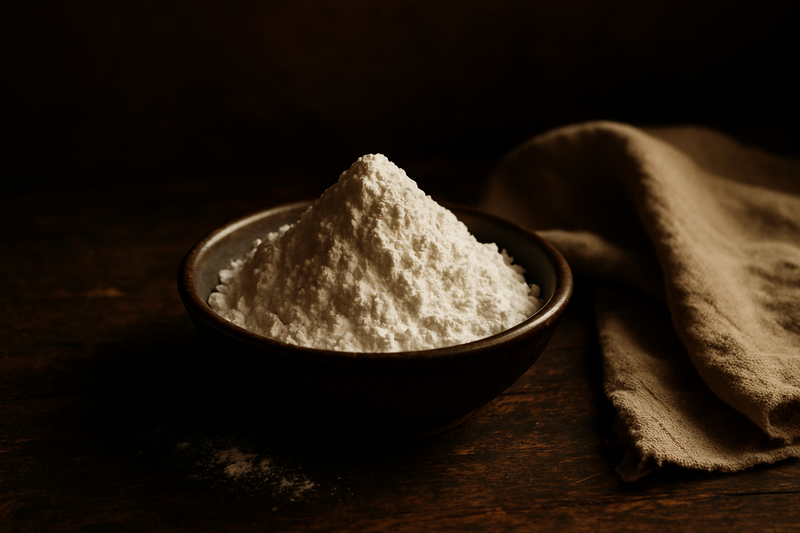
Kudzu (Kuzu) Root · Photograph
Discover kudzu root starch benefits and how to use it as a gentle, gluten-free thickener in soups, sauces, and soothing drinks. Learn what the research says about digestion, blood sugar, and more — plus safety tips and easy prep ideas.
Key Nutrients
% Daily Value based on 2,000 cal diet
Key active compounds
These compounds are concentrated in kudzu root extracts and supplements. Culinary kuzu starch contains them in much smaller amounts.
- Puerarin — The most abundant isoflavone in kudzu root. An isoflavone is a type of polyphenol (plant-made antioxidant compound) that can interact weakly with estrogen receptors in the body. Puerarin has been studied for antioxidant, blood-vessel-relaxing, and blood-sugar-lowering effects.
- Daidzin — An isoflavone glycoside (meaning it is attached to a sugar molecule) that has been linked in animal and human studies to reduced alcohol intake. A glycoside is simply a compound bonded to a sugar.
- Daidzein — The aglycone form of daidzin (stripped of its sugar molecule). Also found in soy, it can mimic estrogen weakly and has been studied for bone health and menopausal symptom relief.
- Other polyphenols — Kudzu root contains a broader mix of flavonoids and antioxidant compounds that contribute to its anti-inflammatory and cardioprotective activity in lab and animal research.
Prep and pairing ideas
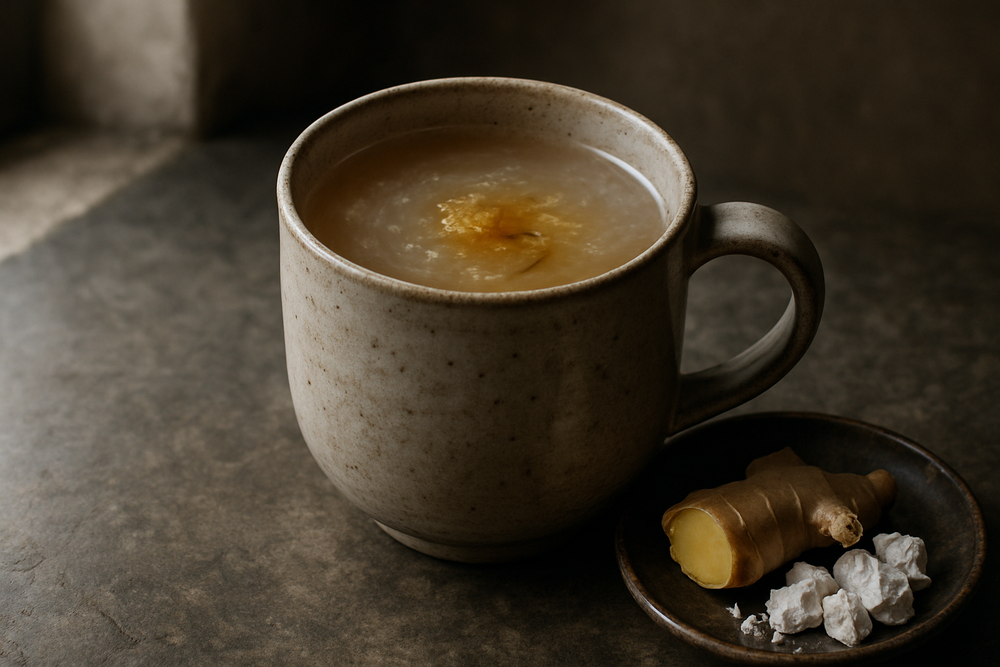
Warm kuzu drink for digestive comfort (kuzuyu) Dissolve 1 tablespoon kudzu starch in 2 tablespoons cold water until smooth. Stir into 1 cup of hot water or mild broth. Heat gently while stirring until the liquid turns translucent and slightly thick. Add a pinch of freshly grated ginger and a small drizzle of maple syrup or umeboshi paste (pickled plum) if you like. Sip slowly. This is the closest food-based parallel to kudzu's traditional soothing use.
Thickened vegetable soup or stew Use kuzu starch in exactly the way you would use cornstarch or arrowroot: dissolve in cold water first (about 1 tablespoon starch to 2 tablespoons cold water per cup of soup), then stir into simmering liquid. The texture is slightly silkier and less opaque than cornstarch.
Glazed tofu or tempeh Whisk kuzu starch into a soy-ginger sauce before coating cubed tofu or tempeh. The starch creates a clear, glossy glaze that clings well without the chalky residue some starches leave.
Three natural pairings that work particularly well:
- Kudzu + ginger — Both have traditional digestive-support credentials. Together in a warm drink they create a gentle, warming combination for cold days or unsettled stomachs.
- Kudzu + miso broth — The mild thickening of kuzu turns a thin miso soup into a more substantial, satisfying bowl without altering the fermented flavor.
- Kudzu + citrus-based sauces — Kuzu starch holds its thickening power better in slightly acidic sauces (like a lemon or yuzu dressing) than cornstarch does, making it a useful tool for plant-based cooking with bright, tangy flavors.
Bottom line
Kudzu (kuzu) root starch is a time-tested, gentle, and minimally processed thickener that fits naturally into plant-based cooking. At culinary amounts, it is essentially a pure, easily digestible carbohydrate — low in calories, gluten-free, and easy on the stomach. The soothing warm drinks made with it have real traditional credibility for digestive comfort, even if formal clinical trials are thin.
The more exciting research — on blood sugar, blood pressure, menopausal symptoms, and even alcohol use — applies to concentrated root extracts and isolated isoflavones, not to a tablespoon of starch in your soup. That distinction matters enormously, both for setting realistic expectations and for safety. Kudzu supplements are not interchangeable with culinary kuzu starch, and if you take medications for diabetes, blood pressure, or hormonal conditions, supplements warrant a conversation with your clinician first.
Used as a food, kudzu starch is a genuinely useful and safe ingredient. Used as a supplement, it is promising but still emerging science.
How Kudzu (Kuzu) Root Compares
| Compared with | What's different |
|---|---|
| Kudzu (Kuzu) Root vs. Cornstarch | Kudzu has a silkier texture and remains stable in acidic sauces where cornstarch may break down. |
| Kudzu (Kuzu) Root vs. Arrowroot Starch | Both are gluten-free, but Kudzu is prized in traditional medicine for its soothing digestive properties. |
Health Benefits
Things to Know
Blood sugar: Kudzu root extracts (not culinary starch) may lower blood glucose. If you take insulin or oral diabetes medications, monitor glucose carefully and tell your prescriber before adding supplements.
Blood pressure: Some Pueraria preparations have produced meaningful blood pressure reductions in small trials. If you take antihypertensives, use medicinal kudzu with medical supervision.
Anticoagulants: Kudzu may affect fibrinogen and fibrinolytic (clot-dissolving) activity. Use caution if you take warfarin, aspirin, or other blood thinners — ask your clinician first.
Hormone-sensitive conditions: Because kudzu isoflavones have weak estrogenic activity, people with a history of hormone-sensitive cancers (certain breast, ovarian, or uterine cancers) should consult a clinician before using high-dose supplements.
Hormone therapy: If you take estrogen replacement therapy or other hormone medications, the phytoestrogenic activity of kudzu extracts may interact — discuss with your doctor.
Pregnancy and breastfeeding: Limited safety data exist for high-dose kudzu extracts. Culinary use is generally considered safe, but avoid supplements unless guided by a clinician.
Children and adolescents: Not enough data to recommend kudzu supplements in this age group.
Liver or kidney disease: High-dose herbal extracts place additional metabolic demand on the liver and kidneys; use with professional guidance.
Culinary starch at normal amounts: The general safety profile is well established with no reported significant adverse events at typical cooking doses.
Prep Ideas
- — **Kudzu + ginger** — Both have traditional digestive-support credentials. Together in a warm drink they create a gentle, warming combination for cold days or unsettled stomachs.
- — **Kudzu + miso broth** — The mild thickening of kuzu turns a thin miso soup into a more substantial, satisfying bowl without altering the fermented flavor.
- — **Kudzu + citrus-based sauces** — Kuzu starch holds its thickening power better in slightly acidic sauces (like a lemon or yuzu dressing) than cornstarch does, making it a useful tool for plant-based cooking with bright, tangy flavors.
Glossary
Shop This Ingredient
Stock your pantry with quality kudzu (kuzu) root.
Buy on AmazonAs an Amazon Associate, Plantopedia earns from qualifying purchases. This costs you nothing extra and helps us keep the encyclopedia free.
Frequently Asked Questions
Heart and circulation The most compelling cardiovascular evidence for kudzu comes from studies using Pueraria tuberosa (a close relative) tuber preparations. In one 12-week clinical trial in adults with stage 1 hypertension (mildly high blood pressure), the preparation significantly reduced systolic, diastolic, and mean arterial blood pressure. Participants also showed lower plasma fibrinogen (a protein involved in blood clotting) and improved antioxidant status. Separate small human trials using Pueraria lobata root extracts have shown reductions in alcohol intake among heavy drinkers — and since heavy alcohol use is a major cardiovascular risk factor, that indirect link is worth noting. Evidence level: Emerging. Results come from small studies with standardized extracts, not from culinary starch. People with low blood pressure or on antihypertensive medications should be cautious with kudzu supplements. Digestive health and microbiome Traditional Chinese and Japanese medicine have used kudzu root preparations for centuries to manage diarrhea, digestive cramping, and nausea. Modern controlled trials specifically testing digestive outcomes are sparse, but the culinary logic is straightforward: kuzu starch dissolves into a smooth, slightly mucilaginous (gel-like) texture that is bland, gluten-free, and easy to tolerate on a sensitive stomach. Japanese kuzuyu — a warm kuzu drink made with water, starch, ginger, and a little sweetener — is a traditional home remedy for the early stages of a cold or an upset stomach. As a food, kudzu starch is not a source of fiber or probiotics, so it does not feed the gut microbiome (the community of bacteria in your digestive system) the way whole plant foods do. Its digestive appeal is more about gentle texture and easy tolerability than microbiome support. Evidence level: Traditional use supported; formal clinical trials on digestive endpoints are limited. Blood sugar and metabolism This is where kudzu's research gets genuinely interesting — and where the culinary-versus-supplement distinction matters most. In one clinical trial in adults with type 2 diabetes, supplementing with 750 mg per day of isolated puerarin (combined with a diabetes medication) for 12 weeks significantly reduced fasting blood glucose and HbA1c (a three-month average of blood sugar levels) compared with baseline. Preclinical (animal and cell) studies suggest puerarin can increase how efficiently cells take up and use glucose. At culinary doses of kuzu starch, these effects are very unlikely to be meaningful — but this research suggests a reason to be cautious if you take antidiabetic medications and decide to add higher-dose kudzu supplements. Evidence level: Emerging for extracts and isolated puerarin; not applicable to culinary starch doses. Inflammation and recovery In the hypertension study mentioned above, kudzu preparations increased total antioxidant status in participants' blood — a sign that the body's defenses against oxidative damage (cell damage caused by unstable molecules called free radicals) were enhanced. A separate trial in peri- and postmenopausal women taking kudzu extract found favorable changes in bone and cartilage turnover markers, which may partially reflect anti-inflammatory effects. The bulk of anti-inflammatory evidence still comes from lab and animal studies, where kudzu extracts reliably reduce markers of inflammation and oxidative stress. Whether a tablespoon of starch in your soup delivers a meaningful anti-inflammatory effect is doubtful — but the broader plant it comes from has a credible anti-inflammatory profile. Evidence level: Emerging for extracts; likely modest at food doses. Hormones and cycle health Kudzu contains phytoestrogens — plant compounds that can bind weakly to estrogen receptors in the body. A randomized trial testing multiple kudzu root extract regimens in peri- and postmenopausal women found that the extract was well tolerated and showed beneficial effects on bone and cartilage turnover markers and on self-reported menopausal symptoms over the short term. The isoflavone daidzein is structurally similar to human estrogen and is thought to underlie these effects. Again, purified culinary starch contains far lower isoflavone levels than the extracts studied. For women interested in kudzu for hormonal support, the supplement form — not the kitchen starch — is what the research has actually tested. Evidence level: Emerging, short-term trials only, with standardized extracts.
This is the single most important distinction on this page. Culinary kuzu (kuzu) starch powder Found in Japanese grocery stores, natural food shops, and online Sold in small boxes or bags as a white, chalk-like powder Look for: "100% kuzu root starch" with no added fillers — some cheaper brands blend in potato starch Ideal for: thickening soups, gravies, sauces, and warm drinks The mild, nutty, slightly earthy flavor disappears once it dissolves Tip: always dissolve in a small amount of cold liquid first, then add to hot — this prevents lumping Standardized kudzu root extract (capsules/tablets) These are the forms used in clinical trials for blood sugar, blood pressure, and menopausal symptoms Contain defined, concentrated doses of puerarin, daidzin, or total isoflavones — far more than culinary starch Dose range studied: roughly 25 mg to 3,000 mg per day depending on the application Not interchangeable with culinary starch from a research standpoint Traditional herbal decoction or kudzu root tea Water-based preparations of dried or fresh kudzu root Occupy a middle ground between culinary starch and supplements Isoflavone content will vary widely depending on preparation method and root source
For culinary use, there is no established medicinal dose, because you are using a food thickener, not a supplement. The practical culinary range is roughly 1 teaspoon to 1 tablespoon (3–10 g) per serving, dissolved in cold liquid and stirred into your recipe. For medicinal kudzu root extracts and isolated puerarin, clinical trials have used widely varying doses: Blood sugar (type 2 diabetes study): 750 mg puerarin per day for 12 weeks Alcohol use reduction: 1,000 mg puerarin three times daily (3,000 mg/day) for 1 week; other protocols used lower doses over 4 weeks Blood pressure and antioxidant studies: varying Pueraria tuber preparations Menopausal symptoms: multiple extract regimens studied short-term If you are considering kudzu as a supplement (not a kitchen ingredient), start low and work with a healthcare provider to identify an appropriate dose for your situation. There is no universal "right dose" established yet, and study protocols differ significantly. General guidance for culinary starch: Start with 1 teaspoon (roughly 3 g) dissolved in cold water to test texture preferences Scale up to 1 tablespoon (10 g) per serving for a thicker result There is no compelling reason to consume large amounts daily if you are using it purely as a thickener
Quick Answers
Common questions, answered in a line.
Kudzu (kuzu) root starch is a gluten-free, minimally processed thickener that is easy to digest and low in calories. While culinary amounts are primarily carbohydrates, concentrated extracts contain active isoflavones like puerarin and daidzin which are studied for their antioxidant and anti-inflammatory properties.
To use kudzu starch as a thickener, dissolve one tablespoon of the starch in two tablespoons of cold water before stirring the mixture into a simmering liquid. This method prevents clumping and produces a silky, translucent texture in soups, sauces, or glazes that is less opaque than cornstarch.
You can make a soothing digestive drink, known as kuzuyu, by dissolving one tablespoon of kudzu starch in cold water and then stirring it into a cup of hot water or broth. Heat the mixture gently until it thickens and turns translucent, then add ginger, maple syrup, or umeboshi paste for flavor.
Kudzu root contains puerarin and daidzein, which are isoflavones that can weakly mimic estrogen in the body. Because of this phytoestrogenic activity, individuals with hormone-sensitive conditions or those on hormone replacement therapy should consult a doctor before using concentrated supplements.
Kudzu root extracts contain an isoflavone called daidzin, which has been linked in animal and human research to reduced alcohol intake. Note that these effects are associated with concentrated medicinal extracts rather than the small amounts of starch used in everyday cooking.
People taking medications for diabetes, blood pressure, or blood thinners should consult a clinician before using kudzu supplements, as the root may lower blood sugar and affect clotting. Those with hormone-sensitive cancers or liver and kidney disease should also exercise caution with high-dose extracts.
Kudzu starch is often preferred over cornstarch because it provides a silkier, clearer glaze and holds its thickening power better in acidic sauces, such as those containing lemon or yuzu. It is also valued in plant-based cooking for being minimally processed and easier on the stomach.
For Readers in the USA
Local context — sourcing, seasonality, and regional notes.
In the United States, you can find high-quality culinary kuzu starch at natural food stores like Whole Foods Market, specialty Asian grocers, or through online retailers like Eden Foods. While standard supermarkets rarely stock it, health food stores carry it in the macrobiotic or gluten-free baking sections.
Kudzu is an invasive species that grows aggressively throughout the Southeast U.S., particularly in states like Alabama, Georgia, and Mississippi. Although it is abundant in the wild, most culinary-grade kuzu starch sold in the U.S. is imported from Japan to ensure purity and proper processing.
The USDA does not currently have specific grading standards for kudzu, but consumers should look for the USDA Organic seal to ensure the starch was processed without synthetic solvents. Because kudzu is a wild-harvested root, organic certification helps verify that the harvesting site was free from pesticides and pollutants.
Kudzu root is primarily known in the U.S. as "the vine that ate the South," but in culinary contexts, it is almost exclusively referred to by its Japanese name, "kuzu." You may see it labeled as "Japanese arrowroot" in some specialty shops, though it is a distinct plant from common arrowroot.
AI Clinical Review
- Helpfully distinguishes culinary kuzu starch from concentrated kudzu root extracts—expectations and safety differ by form and dose.
- Accurately notes that isoflavones (plant estrogen–like compounds) such as puerarin are far lower in purified starch than in supplements, so clinical findings with extracts don’t translate to a spoonful of starch.
- Presents a fair summary of early human data on blood sugar, blood pressure, menopause symptoms, and alcohol intake, while keeping claims cautious.
- Gives practical, food-first guidance: kuzu is a gentle, gluten‑free thickener with prep tips that improve texture and digestibility.
- Most human studies are small, short‑term, and use varied preparations (including different Pueraria species), which limits generalizability.
- Digestive “soothing” is largely based on traditional use and texture; randomized trials on GI outcomes are limited, and kuzu starch is not a microbiome‑active fiber.
- The magnitude and durability of effects on blood pressure, glycemic control, menopausal symptoms, and alcohol intake need larger, longer trials with standardized extracts and clear dosing.
- Isoflavone content in culinary starch and home decoctions likely varies by product and processing; real‑world exposure from food use is not well quantified.
- Culinary use: typical 1 teaspoon to 1 tablespoon per serving mainly adds carbohydrate and texture—not meaningful protein, fiber, or micronutrients.
- Supplements: forms and doses vary widely (tens of milligrams to grams/day). Check with a clinician if you use diabetes or blood‑pressure medications, blood thinners, or hormone therapy, or have hormone‑sensitive cancers.
- Pregnancy, breastfeeding, children, and those with liver or kidney disease should avoid high‑dose supplements unless specifically advised; normal culinary amounts are generally regarded as safe.
- Product quality matters: for cooking, choose 100% kuzu root starch (some blends add other starches). For supplements, favor reputable brands with third‑party testing and clear standardization.
Generally safe as a food thickener; medicinal doses may affect blood sugar.
References
- USDA FoodData Central — Kudzu root starch nutritional data (fdc.nal.usda.gov)
- WebMD clinical monograph: Kudzu overview, uses, side effects, interactions (webmd.com)
- Human trial — Pueraria tuberosa in stage 1 hypertension: blood pressure, fibrinogen, antioxidant status (pubmed.ncbi.nlm.nih.gov)
- Human trial — Kudzu root extract in peri/postmenopausal women: bone, cartilage, and menopausal symptoms (Frontiers in Pharmacology, 2021) (frontiersin.org)
- Human trial — Single-dose kudzu extract reduces alcohol consumption in a binge-drinking paradigm (PMC, 2015) (pmc.ncbi.nlm.nih.gov)
- Review — Pueraria tuberosa: traditional uses, pharmacology, and toxicology (PMC) (pmc.ncbi.nlm.nih.gov)
- Narrative review — Kudzu root: traditional uses and potential medicinal benefits in diabetes and cardiovascular disease (bohrium.com)
- Darwin Nutrition clinical summary — Kudzu: benefits, dosage, contraindications (darwin-nutrition.fr)
- Grasproot evidence-based herb safety profile — Kudzu benefits, uses, and safety (grasproot.com)
- PFAF Plant Database — Pueraria montana lobata (pfaf.org)
Know Your Numbers
Eating healthy is a start. Now get to know your biomarkers.
Food changes bloodwork — inflammation, lipids, blood sugar and nutrient status all respond to what you eat. 59 markers from $59.
- Results in 7–10 days at 2,000+ Quest sites
- Licensed provider reviews every result
- One flat price, no membership, HSA/FSA eligible
Educational information only, not medical advice. Panels are ordered and reviewed through our licensed partner; Plantopedia may earn a commission.