Lady Cream Peas — health benefits and uses
A genteel Southern heirloom cowpea for delicate summer dishes.
The Short Answer
Lady cream peas are a delicate Southern field pea known for their creamy texture, sweet flavor, and high protein content. They provide 13 grams of protein and 11 grams of fiber per cooked cup, making them an excellent plant-based source of iron and folate.
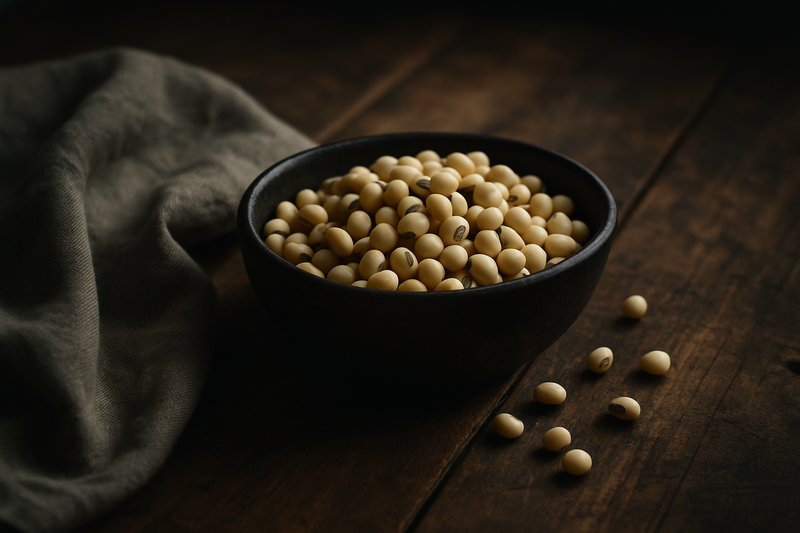
Lady Cream Peas · Photograph
Discover lady cream peas nutrition and health benefits — from plant protein and fiber to folate and potassium. Learn how this tender Southern field pea supports heart health, digestion, and blood sugar, plus how to cook, buy, and eat them safely every day.
Key Nutrients
% Daily Value based on 2,000 cal diet
Key active compounds in lady cream peas
Lady cream peas contain several plant compounds beyond basic macronutrients. Here is what each one is and why it matters:
- Polyphenols (flavonoids and phenolic acids): Plant-made chemicals that act as antioxidants — meaning they help neutralize unstable molecules (free radicals) that can damage cells. Cowpea polyphenols have shown anti-inflammatory and potentially cardioprotective effects in laboratory and animal studies.
- Bioactive peptides: Short fragments of protein released when cowpea proteins are digested. Early research suggests they may help lower blood pressure and reduce inflammation, though human evidence is still emerging.
- Saponins: Naturally occurring compounds in many legumes that may help reduce cholesterol absorption in the gut. They can also cause slight foaming during cooking — completely normal and harmless.
- Phytates (phytic acid): Phosphorus-containing compounds that can mildly reduce your absorption of minerals like iron and zinc. Soaking and thorough cooking significantly reduce their impact.
- Tannins and other phenolics: Found mainly in the seed coat, these contribute to antioxidant capacity and may slow starch digestion, supporting more gradual rises in blood sugar after a meal.
- Resistant starch: A type of carbohydrate that resists digestion in the small intestine and acts more like fiber, feeding beneficial gut bacteria in the large intestine.
Prep and pairing ideas
Classic Southern pot: Soak dried lady cream peas for 4–8 hours (or overnight), drain, cover with fresh water or unsalted broth, and simmer 45–60 minutes until tender but not mushy. Add a bay leaf, garlic, and onion for a clear, mild, savory broth. Season after cooking to control sodium.
Common pairings that work especially well:
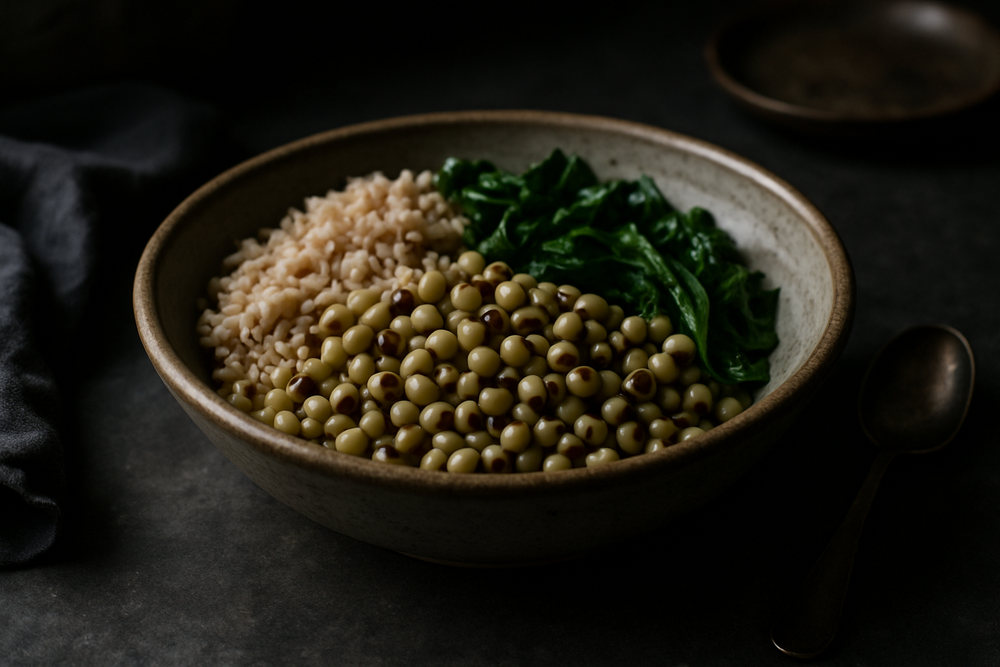
- Lady cream peas + brown rice or cornbread: This is traditional "rice and peas" territory. Pairing with a whole grain balances the amino acid profile — cowpeas are lower in the amino acid methionine, which grains supply — creating a complementary complete protein from plant sources. You don't need to eat them at the same meal, but it's a natural and delicious combination.
- Lady cream peas + tomatoes or bell peppers: Non-heme iron (the plant-based form in cowpeas) is absorbed at a lower rate than heme iron from meat. Vitamin C dramatically improves absorption. Diced tomatoes, roasted red peppers, or a squeeze of lemon in the bowl are easy ways to boost iron uptake from your peas.
- Lady cream peas + leafy greens (collards, kale, spinach): A Southern classic that is also nutritionally synergistic — the greens add vitamins A, C, and K alongside the peas' folate and iron, creating a micronutrient-dense bowl for very few calories.
Quick ideas: Add cold cooked lady cream peas to grain bowls, blend into a smooth dip with garlic and olive oil, toss into vegetable soups in the last 10 minutes of cooking, or serve warm over roasted sweet potato.
Bottom line
Lady cream peas are a genuine nutritional overachiever in a small, pale package. A single cup cooked delivers serious amounts of plant protein, dietary fiber, folate, iron, and potassium at around 200 calories, with virtually no fat and naturally low sodium. The evidence base — mostly from cowpea and broader legume research — consistently links this nutrient profile to better heart health markers, more stable blood sugar, and improved digestive regularity.
They're not a cure for anything, and they work best as part of a varied, mostly whole-food diet rather than as a stand-alone remedy. But as a versatile, affordable, gluten-free, whole-food protein source with a refined mild flavor and a beautiful clear broth? Lady cream peas deserve to be in more kitchens — and on more plates — than they currently are.
How Lady Cream Peas Compares
| Compared with | What's different |
|---|---|
| Lady Cream Peas vs. Black-eyed Peas | Lady creams have a milder, sweeter flavor and lack the dark eye or earthy bite of black-eyed peas. |
| Lady Cream Peas vs. Pinkeye Purple Hull Peas | Lady creams produce a clear, thin broth and remain firm, while Pinkeye Purple Hulls have a dark, rich pot likker. |
Health Benefits
Things to Know
Always cook thoroughly.: Raw or undercooked dried lady cream peas contain lectins — proteins that can cause nausea, vomiting, and stomach cramps. Boiling until completely soft deactivates them. Never eat dried peas that have only been soaked but not cooked.
Go slow on fiber.: If your current diet is low in fiber, adding a full cup of lady cream peas at once can cause significant gas, bloating, or loose stools. Start with ¼–½ cup per serving and build up over two to four weeks.
Kidney disease / potassium restriction.: Lady cream peas provide approximately 700 mg of potassium per cup. If you have chronic kidney disease or are on a potassium-restricted diet, discuss portion size with your dietitian or nephrologist. High potassium can become dangerous if kidneys cannot excrete it properly.
ACE inhibitors, ARBs, or potassium-sparing diuretics.: These blood pressure medications can raise potassium levels. Adding a high-potassium food like lady cream peas regularly may require monitoring — ask your prescribing clinician.
Antidiabetic medications.: Because legumes can meaningfully improve glycemic control, people on insulin, sulfonylureas, or GLP-1 agonists should monitor blood sugar when significantly increasing cowpea intake, as medication doses may need adjustment.
IBS or FODMAP sensitivity.: Cowpeas are high in fermentable carbohydrates. If you follow a low-FODMAP diet or have diagnosed IBS, introduce lady cream peas cautiously and in small amounts. Thorough cooking and discarding soaking water help, but tolerance varies.
Iron overload conditions (e.g., hemochromatosis).: Lady cream peas are a meaningful iron source. If you have been diagnosed with an iron overload disorder, factor legume iron into your overall dietary iron management.
Legume allergy.: Though less common than peanut allergy (peanuts are also a legume), cowpea protein allergy exists. If you have known reactions to beans or peas, speak to an allergist before introducing a new variety.
Pregnancy.: Lady cream peas' high folate content makes them an excellent food during pregnancy, when folate needs increase to support fetal neural tube development. They are safe when fully cooked.
Prep Ideas
- — Lady cream peas + brown rice or cornbread: This is traditional "rice and peas" territory. Pairing with a whole grain balances the amino acid profile — cowpeas are lower in the amino acid methionine, which grains supply — creating a complementary complete protein from plant sources. You don't need to eat them at the same meal, but it's a natural and delicious combination.
- — Lady cream peas + tomatoes or bell peppers: Non-heme iron (the plant-based form in cowpeas) is absorbed at a lower rate than heme iron from meat. Vitamin C dramatically improves absorption. Diced tomatoes, roasted red peppers, or a squeeze of lemon in the bowl are easy ways to boost iron uptake from your peas.
- — Lady cream peas + leafy greens (collards, kale, spinach): A Southern classic that is also nutritionally synergistic — the greens add vitamins A, C, and K alongside the peas' folate and iron, creating a micronutrient-dense bowl for very few calories.
Glossary
Shop This Ingredient
Stock your pantry with quality lady cream peas.
Buy on AmazonAs an Amazon Associate, Plantopedia earns from qualifying purchases. This costs you nothing extra and helps us keep the encyclopedia free.
Frequently Asked Questions
The sections below summarize what current research suggests, organized by body system. Evidence strength is noted honestly — "moderate" means there is human data, usually from mixed-legume trials; "emerging" means most data is from laboratory or animal studies. Heart and circulation Lady cream peas carry a nutrient profile that dietary guidelines consistently associate with lower cardiovascular risk: high fiber, significant potassium, meaningful magnesium, near-zero saturated fat, and virtually no sodium. Fiber, particularly the soluble kind found in legumes, can help reduce LDL ("bad") cholesterol by binding bile acids in the gut and pulling them out of circulation. Potassium and magnesium work together to support healthy blood pressure. Human intervention trials on mixed beans and legumes show consistent modest reductions in LDL cholesterol and blood pressure when legumes replace refined starches or processed foods. Laboratory work on cowpea-specific compounds — polyphenols, saponins, and bioactive peptides — points toward additional anti-inflammatory and vascular-protective mechanisms, but human trials isolating cowpeas alone are limited. For heart health, the practical message is: swapping lady cream peas in where you might use white rice, white bread, or processed sides is a well-supported move. Digestive health and microbiome At roughly 11 g of dietary fiber per cooked cup, lady cream peas supply about 39% of the daily recommended fiber intake in a single serving. That fiber does several things: it adds bulk to stool (supporting regularity), it feeds beneficial gut bacteria (acting as a prebiotic — food for the microbes that keep your gut environment healthy), and it may lower long-term risk of diverticular disease. Research on populations where cowpea dishes are a regular staple confirms that these meals contribute substantially to daily fiber intake. General legume research in humans shows improved stool frequency and more diverse gut microbiota when bean intake goes up. The trade-off: cowpeas contain fermentable oligosaccharides (short-chain carbohydrates that gut bacteria love to ferment), which can produce gas and bloating, especially if you jump from low to high fiber intake quickly. Blood sugar and metabolism Lady cream peas are classified as a low-glycemic-index food. Glycemic index (GI) is a measure of how quickly a food raises blood sugar compared to pure glucose — lower scores mean a slower, steadier rise. Their combination of fiber, resistant starch, protein, and tannins slows carbohydrate digestion and blunts the glucose spike after eating. Mixed-legume feeding studies in people with and without type 2 diabetes consistently show improved markers of glycemic control when legumes replace higher-GI foods. Cowpea-specific mechanistic research suggests polyphenols may also support insulin sensitivity and protect insulin-producing cells, but direct randomized controlled trials on lady cream peas for diabetes management don't yet exist. If you have diabetes or prediabetes, lady cream peas can fit well into a balanced plate — but talk to your care team before making significant dietary shifts, especially if you take blood sugar medications. Inflammation and recovery Evidence here is earlier-stage. Cowpea polyphenols and bioactive peptides show antioxidant and anti-inflammatory activity in cell and animal studies — they can reduce markers like inflammatory cytokines and reactive oxygen species. Human data from broader Mediterranean and plant-forward diet studies show modest reductions in inflammation markers when legume intake increases, but cowpeas have not been isolated as the single variable in high-quality human trials. Replacing ultra-processed snacks or red meat with lady cream peas as a protein source is consistent with dietary patterns associated with lower chronic inflammation, which is a reasonable, evidence-aligned framing — it just stops short of calling lady cream peas an "anti-inflammatory treatment."
Buying guide: dried, canned, or frozen? Dried lady cream peas (soaked and simmered) are the gold standard nutritionally and the basis for most nutrient data. The soaking step hydrates the peas, reduces cooking time, and — importantly — leaches out some oligosaccharides and phytates when you discard the soaking water. Simmer until completely soft; this also deactivates lectins. The result: a clear, delicately flavored broth that makes lady cream peas feel more refined than a typical bean pot. Label tip: Look for dried peas with no added ingredients — just peas. Color should be uniform pale cream to white with no off-odor. Canned lady cream peas offer genuine convenience. Macronutrients are similar to home-cooked, but sodium can be significant (often 300–400 mg per serving or more). Look for "no salt added" or "low sodium" on the label, and always rinse canned peas under cold water — this removes roughly 30–40% of added sodium. Rinsing does wash away some of the pot liquor, but the peas themselves retain most of their nutrients. Frozen cowpeas or mixed Southern field peas are a practical middle ground: minimal processing, no added sodium in plain frozen varieties, and quick to cook. They work well in soups, stews, and vegetable sides. Nutrient retention in frozen legumes is generally very good. Supplements or protein powders derived from cowpeas exist but offer no meaningful advantage over the whole food for most people, and you lose the fiber benefit. Stick with the whole pea when possible.
There is no single "therapeutic dose" for lady cream peas because they haven't been studied in isolation in clinical trials. General legume guidance from major health organizations — including Harvard's Nutrition Source and dietary surveys — suggests that ½ to 1 cup of cooked beans or peas daily is a practical and well-supported target for most healthy adults. In populations where cowpea dishes are a daily staple, research shows a single serving can provide 15–50% of daily requirements for fiber, folate, protein, and potassium. Clinical trials on cardiometabolic outcomes typically use ½ to 1 cup of cooked legumes per day across several weeks to show benefits. Practical starting guidance: New to legumes: Start with ¼ cup (4 tablespoons) cooked, 3–4 times a week, and build up over 2–4 weeks. Regular legume eaters: ½ to 1 cup daily fits comfortably within evidence-based legume recommendations. Higher-need periods (pregnancy, athletic recovery, very high-fiber dietary goals): 1 cup or more can be appropriate — just maintain hydration and listen to your gut. There is no strong evidence that eating more than 1 cup daily provides additional benefits, and very large portions can exacerbate GI symptoms or contribute excess potassium in sensitive individuals.
Quick Answers
Common questions, answered in a line.
You should soak dried lady cream peas for 4 to 8 hours, or even overnight, before cooking them. This process helps soften the peas and significantly reduces the impact of phytates, which are compounds that can mildly interfere with mineral absorption.
Yes, lady cream peas must be boiled until they are completely soft to deactivate lectins, which are proteins that can cause nausea, vomiting, and stomach cramps. Never eat dried peas that have only been soaked but not cooked, as thorough boiling is required for safety.
Lady cream peas provide about 200 calories per cooked cup, delivering high amounts of plant protein and fiber with virtually no fat. They are considered nutritional overachievers, also offering significant levels of folate, iron, and potassium.
Pairing lady cream peas with vitamin C-rich foods like tomatoes, bell peppers, or lemon juice helps your body better absorb their plant-based iron. You can also pair them with whole grains like brown rice or cornbread to create a complementary complete protein profile.
If you are new to high-fiber foods, start with 1/4 to 1/2 cup of lady cream peas and gradually increase the amount over two to four weeks. Increasing your intake slowly helps prevent digestive issues like gas, bloating, or loose stools as your body adjusts.
People with chronic kidney disease or those on potassium-restricted diets should consult a doctor before eating lady cream peas because they contain about 700 mg of potassium per cup. High potassium can be dangerous if the kidneys are unable to excrete it properly.
Lady cream peas are an excellent food for pregnancy because they are high in folate, which supports fetal neural tube development. They are a safe, nutrient-dense choice for pregnant women as long as the peas are fully cooked.
For Readers in the USA
Local context — sourcing, seasonality, and regional notes.
Lady cream peas are primarily grown in the Southern United States, with peak harvest typically occurring from mid-summer through early autumn. States like Georgia, South Carolina, and Texas are major producers, though home gardeners in USDA Hardiness Zones 7 through 10 find them particularly easy to grow due to their heat tolerance.
You can typically find lady cream peas at Southern farmers markets during the summer, or year-round in the frozen or canned aisles of major retailers like Publix, Kroger, and Walmart. While less common in the Northeast or Midwest, specialty brands like Goya or Camellia often distribute dried versions to grocery stores nationwide.
The lady cream pea is a specific cultivar of the cowpea (Vigna unguiculata) that is prized in the U.S. for its small size, pale color, and the fact that it does not turn cooking liquid dark. They are often grouped with other "field peas" like zipper creams or southern peas, but are distinct for their more delicate, buttery flavor profile.
AI Clinical Review
- Clearly identifies lady cream peas as a cowpea variety with a nutrient-dense profile (protein, fiber, folate, potassium, magnesium) and appropriately frames them as part of healthy eating patterns rather than a cure-all.
- Accurately explains why soaking and thorough cooking matter (for digestibility and to deactivate lectins) and offers realistic tips to minimize GI discomfort.
- Appropriately highlights folate and non‑heme iron, including the role of vitamin C–rich foods to enhance iron absorption.
- Sensibly positions most health claims within the broader legume evidence base (cholesterol, blood pressure, glycemic control) and notes that cowpea-specific human trials are limited.
- Effects of cowpea polyphenols, saponins, and bioactive peptides on human cardiometabolic outcomes come largely from lab/animal models; well‑controlled human studies specific to cowpeas (and especially lady cream peas) are sparse.
- Glycemic index and post‑meal glucose responses can vary with cooking method, doneness, and what else is on the plate (fat, fiber, and acid slow absorption), so real‑world impacts may differ from standardized GI values.
- Claims about microbiome changes are consistent with legume research overall, but pea-specific shifts in microbial species and symptoms (gas/bloating) vary widely between individuals.
- Practical intake: 1/2 to 1 cup cooked daily aligns with legume guidance for most adults; start with 1/4–1/2 cup if you’re not used to high‑fiber foods and increase over 2–4 weeks while hydrating.
- Safety and preparation: Always cook thoroughly; do not eat soaked but uncooked peas. If choosing canned, look for no‑salt‑added options and rinse to reduce sodium.
- Who should check in with a clinician: people with chronic kidney disease or on ACE inhibitors/ARBs/potassium‑sparing diuretics (due to potassium); those using insulin or sulfonylureas/other glucose‑lowering meds (improved glycemic control may necessitate dose adjustments); individuals with known legume allergies; and those with IBS or on a low‑FODMAP plan (tolerance is highly individual).
- Nutrient bioavailability: Phytates can modestly reduce iron/zinc absorption; pairing with vitamin C–rich foods and thorough cooking helps mitigate this without needing supplements.
Cook fully before eating.
References
- USDA FoodData Central — Cowpeas, various entries (nutrition reference): (fdc.nal.usda.gov)
- Harvard T.H. Chan School of Public Health — The Nutrition Source: Legumes and Pulses (dietary guideline and evidence summary): (nutritionsource.hsph.harvard.edu)
- Camellia Brand Lady Cream Peas — product nutrition facts (brand-specific serving data): (camelliabrand.com)
- Affrifah et al., 2022 — Cowpeas: Nutritional Profile, Processing Methods and Products: A Review (peer-reviewed review, Legume Science / Wiley): (scribd.com)
- Cowpea: An Overview on its Nutritional Facts and Health Benefits (PubMed review): (pubmed.ncbi.nlm.nih.gov)
- Bioactive Polyphenols and Peptides in Cowpea and their Health-promoting Properties: A Review (ScienceDirect): (sciencedirect.com)
- Unveiling the Therapeutic and Nutritious Potential of Vigna Species — PMC Review: (pmc.ncbi.nlm.nih.gov)
- Current Consumption of Traditional Cowpea-based Dishes in South Africa (human dietary survey, PubMed): (pubmed.ncbi.nlm.nih.gov)
- Cowpea (Vigna unguiculata L. Walp), a Renewed Multipurpose Crop for a More Sustainable Agri-food System (Journal of the Science of Food and Agriculture): (onlinelibrary.wiley.com)
- Increasing Utilization of Cowpeas to Promote Health — Technical Progress Report (TAMU/MSU): (canr.msu.edu)
Know Your Numbers
Eating healthy is a start. Now get to know your biomarkers.
Food changes bloodwork — inflammation, lipids, blood sugar and nutrient status all respond to what you eat. 59 markers from $59.
- Results in 7–10 days at 2,000+ Quest sites
- Licensed provider reviews every result
- One flat price, no membership, HSA/FSA eligible
Educational information only, not medical advice. Panels are ordered and reviewed through our licensed partner; Plantopedia may earn a commission.