Langsat — health benefits and uses
A Southeast Asian orchard fruit eaten fresh in the wet-season harvest.
The Short Answer
Langsat is a tropical fruit known for its sweet-tart flavor and translucent segments. It is a good source of fiber and vitamin C, but you must discard the seeds as they are intensely bitter.

Langsat · Photograph
Discover langsat (lanzones) fruit health benefits, nutrition facts, side effects, and how to eat it safely. Learn what the research actually says about this sweet Southeast Asian tropical fruit.
Key Nutrients
% Daily Value based on 2,000 cal diet
Key active compounds
- Flavonoids — Polyphenolic plant compounds with antioxidant and cell-signaling properties; found in the peel and, to a lesser extent, the pulp.
- Polyphenols — A broad class of plant compounds associated with antioxidant and potential anti-inflammatory effects; concentrated in the non-edible peel and seeds.
- Onoceranoid-type triterpenes — Specialized molecules found mainly in langsat seeds; show anticancer and anti-inflammatory activity in lab models, but these studies use extracts, not the edible fruit.
- Limonoid-type compounds — Terpenoid derivatives that contribute to the seeds' intense bitterness and show bioactivity in preclinical research; not meaningfully present in the pulp you eat.
- Vitamin C (ascorbic acid) — A water-soluble antioxidant that also supports immune function and collagen production.
- B vitamins (thiamine, riboflavin, niacin) — Coenzymes that help the body convert food into energy.
Prep and pairing ideas
Langsat's sweet-tart flavor and grape-like texture make it an easy addition to everyday eating once you find it.
Fresh fruit plate — Peel and deseed a handful of langsat and add it alongside sliced mango, papaya, and a squeeze of lime. The acidity of lime complements langsat's mild tartness and also boosts iron absorption from any plant foods on the plate.
Tropical fruit salad with mint — Combine langsat segments with diced pineapple, sliced starfruit, and fresh mint leaves. Pineapple's natural enzymes (bromelain) and langsat's vitamin C together support a fruit salad that is both refreshing and nutrient-varied.
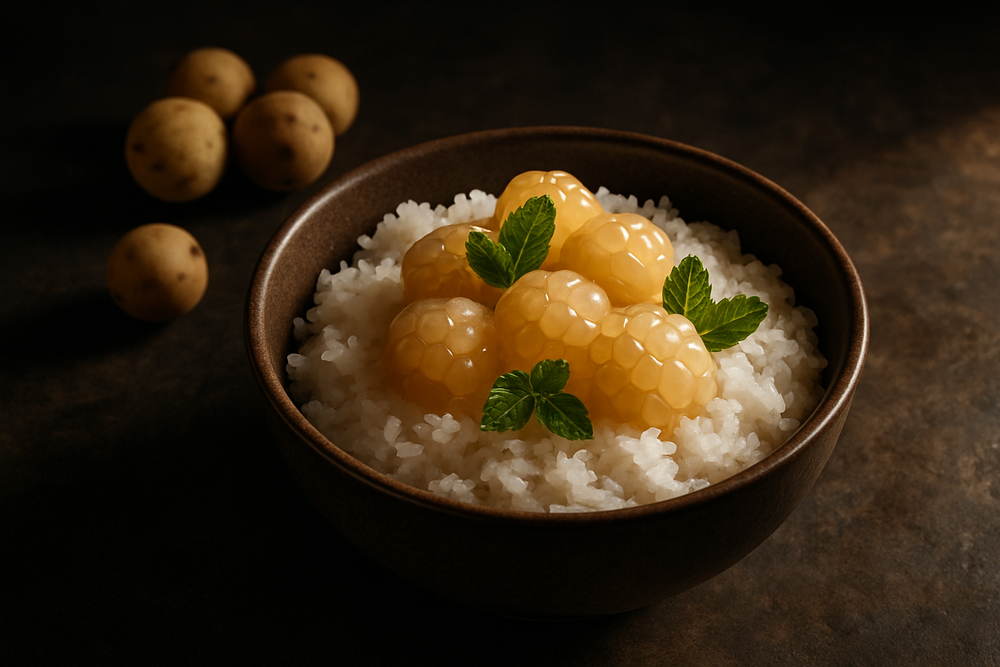
Langsat over coconut rice — A traditional Southeast Asian way to serve langsat is simply alongside sticky rice or coconut rice. The fat in coconut milk helps absorb any fat-soluble carotenoids present in the fruit and makes for a satisfying, balanced snack.
Bottom line
Langsat (lanzones) is a pleasant, mildly sweet tropical fruit that earns its place in a varied whole-food diet. It supplies fiber, potassium, vitamin C, iron, and B vitamins in modest amounts, and its antioxidant compounds add phytochemical diversity. The evidence for specific health benefits — better heart health, improved digestion, blood sugar regulation, or anti-inflammatory effects — is largely inferred from its nutrient profile and general fruit research rather than from langsat-specific human trials. Eat it fresh, remove and discard the seeds, and enjoy it as one colorful contributor to an overall fruit-rich eating pattern rather than as a standalone remedy.
Explore more ways to use fruit to support your health goals: browse our [/goals] section for evidence-aligned guidance on building a fruit- and vegetable-forward eating pattern.
How Langsat Compares
| Compared with | What's different |
|---|---|
| Langsat vs. Longan | Longan has a single hard black seed, whereas langsat has multiple green, bitter segments. |
| Langsat vs. Lychee | Lychees have a bumpy red skin and floral scent; langsat has a smooth tan skin and grapefruit-like tartness. |
| Langsat vs. Mangosteen | Mangosteen has a thick purple rind and white segments, while langsat has thin tan skin and translucent flesh. |
Health Benefits
Things to Know
Seeds: do not eat them.: The seeds contain bitter limonoid and triterpenoid compounds that can cause gastrointestinal discomfort. Children should be supervised closely, as seeds also present a choking hazard.
Latex sensitivity.: The skin and tree sap contain a milky latex. If you have a known latex allergy or sensitivity to other latex-containing foods (like kiwi or avocado), introduce langsat cautiously and watch for any mouth or skin reactions.
Diabetes and blood sugar medications.: Whole fruit langsat is generally fine in modest portions, but juice forms can spike blood sugar. If you take insulin or oral glucose-lowering drugs, count langsat within your carbohydrate targets.
Pregnancy and breastfeeding.: Fresh langsat pulp in food amounts is not a known concern, but seed and peel extracts have no safety data in pregnancy. Avoid concentrated preparations during pregnancy and breastfeeding.
Sensitive digestive tracts.: Larger portions of any fibrous or mildly acidic fruit can cause bloating or loose stools in some people. Start with a small serving and see how your body responds.
No known drug interactions: have been documented for langsat pulp, but as with all high-fiber fruit, very high intakes could theoretically affect the absorption timing of some oral medications.
Best Forms
by pressing lightly with your thumb — it slips off easily when ripe.
and place them in a bowl or eat directly.
before eating. The seeds are intensely bitter and contain bioactive compounds that may cause stomach upset. Do not chew them.
for the best flavor; langsat can be chilled briefly but loses some aroma if stored cold too long.
Shop This Ingredient
Stock your pantry with quality langsat.
Buy on AmazonAs an Amazon Associate, Plantopedia earns from qualifying purchases. This costs you nothing extra and helps us keep the encyclopedia free.
Frequently Asked Questions
The honest answer is that most reported benefits are plausible based on langsat's nutrient profile and on broader fruit-intake research. No published human clinical trials have tested langsat specifically for any health outcome, so the evidence below is described as emerging throughout. Eating langsat as part of a balanced diet is sensible; treating it as a remedy for a specific condition is not supported by the current science. Heart and circulation Langsat contributes potassium (roughly 200 mg per 100 g) and a small amount of dietary fiber — two nutrients that population-level studies consistently link to healthier blood pressure and cardiovascular outcomes. Research on broad dietary patterns, not on langsat itself, supports the idea that eating plenty of potassium-rich fruit and vegetables can help maintain healthy blood pressure. Antioxidant flavonoids in the peel have shown vasoprotective (blood-vessel-protecting) effects in lab studies, but those findings use concentrated extracts, not the whole fruit. For now, any heart-health benefit from eating langsat should be framed as one small contribution within an overall fruit- and vegetable-rich diet. Digestive health and gut microbiome Each 100 g of langsat provides roughly 2.3 g of dietary fiber. Fiber is the main fuel source for beneficial gut bacteria (the microbiome — the community of microorganisms living in your digestive tract), and it also adds bulk to stools, supporting regular bowel movements. Traditional medicine in Southeast Asia has long used langsat as a mild digestive aid, though no controlled human studies have confirmed this. Importantly, accidentally chewing or swallowing the bitter seeds can cause gastrointestinal discomfort, so removing them before eating is essential. Blood sugar and metabolism Langsat contains around 14 g of carbohydrate per 100 g, of which roughly 2.3 g is fiber. Eating whole fruit — with intact fiber and cell structure — generally raises blood sugar more slowly than drinking fruit juice, because the fiber and physical matrix slow digestion. No glycemic index (GI) data has been published specifically for langsat, but based on its composition it is likely to behave similarly to other small, sweet tropical fruits. People with diabetes or insulin resistance can generally include modest portions of langsat as whole fruit, but should count it within their total carbohydrate plan and avoid sweetened juices or syrups made from it. Inflammation and recovery Preclinical (cell and animal) studies have identified anti-inflammatory compounds — particularly onoceranoid-type triterpenes and phenolic antioxidants — in langsat seeds and peel. These are encouraging findings, but they involve concentrated extracts at pharmacologic (medicine-like) doses, not the small amounts found in fresh pulp. No human trials have tested langsat for inflammatory markers or recovery outcomes. Its role in an anti-inflammatory eating pattern is best described as: one antioxidant-containing fruit among many, contributing to overall dietary diversity rather than acting as a targeted treatment. Immune support and energy Vitamin C, even in modest amounts, supports the normal function of immune cells and helps the body produce collagen (the structural protein that holds skin, blood vessels, and connective tissue together). Langsat's B vitamins — thiamine, riboflavin, and niacin — are coenzymes, meaning they help enzymes do their jobs in energy-releasing reactions inside cells. Neither of these nutrient groups is present in langsat at exceptionally high concentrations, but every contribution counts toward your daily total.
The curious fruit explorer Wants to expand beyond the usual apple-banana-orange rotation. Appreciates that dietary variety exposes the body to a wider range of phytochemicals. Enjoys seasonal or specialty produce when traveling in Southeast Asia or shopping at Asian grocery stores. The plant-forward eater managing their weight Needs low-calorie, naturally sweet snacks that satisfy a sweet tooth without excess sugar. Benefits from langsat's fiber content, which adds satiety (a feeling of fullness) without many calories. Can eat a generous handful — five to eight fruits — for under 80 calories.
Fresh whole fruit is the gold standard. Eating langsat in its natural form preserves all the fiber, keeps the natural sugars intact within the fruit's cellular structure, and avoids added sweeteners. Here is how to approach it: Peel the tan skin by pressing lightly with your thumb — it slips off easily when ripe. Separate the translucent segments and place them in a bowl or eat directly. Remove the seeds before eating. The seeds are intensely bitter and contain bioactive compounds that may cause stomach upset. Do not chew them. Eat at room temperature for the best flavor; langsat can be chilled briefly but loses some aroma if stored cold too long. Juice and sweetened preparations — like syrups or jams — strip out most of the fiber and may concentrate free sugars significantly. These are best treated as occasional treats rather than a health strategy. Traditional extracts (peel, seeds, bark) are used medicinally in some Southeast Asian communities for fever and parasites, but these preparations are pharmacologic rather than dietary and have no proven safety profile in human studies. Avoid self-medicating with them.
No official upper limit or clinical dose has been established for langsat — there are no human trials to draw from. General fruit-intake guidelines (such as those from MyPlate) suggest aiming for about 1.5 to 2 cups of a variety of whole fruits daily for most adults. A practical starting point: 5 to 10 langsat fruits (approximately 100–150 g peeled pulp) per day fits comfortably within typical fruit-intake targets for most healthy adults. Start with a small handful (3–5 fruits) if langsat is new to you, to check for any digestive sensitivity before eating more. People with diabetes should start with a smaller portion — around 5 fruits (50 g pulp) — and monitor their response. Children can enjoy langsat in age-appropriate portions, but an adult should remove all seeds first. There is no evidence that moderate daily consumption of fresh langsat causes any harm in healthy adults, but very large amounts of any single fruit are unnecessary and could contribute excess natural sugars to the diet.
Quick Answers
Common questions, answered in a line.
You should not eat langsat seeds because they contain bitter limonoid and triterpenoid compounds that can cause gastrointestinal discomfort. These seeds also present a choking hazard, particularly for children, and should be discarded before consuming the fruit pulp.
People with a known latex allergy or sensitivities to foods like kiwi and avocado should be cautious with langsat. The fruit's skin and tree sap contain a milky latex that may cause mouth or skin reactions in sensitive individuals.
Langsat provides modest amounts of vitamin C, fiber, potassium, iron, and B vitamins like thiamine, riboflavin, and niacin. It also contains antioxidant compounds like flavonoids and polyphenols, which are primarily concentrated in the fruit's peel.
Langsat is generally safe for people with diabetes when consumed as whole fruit in modest portions, though juice forms may spike blood sugar. If you take insulin or glucose-lowering drugs, you should count the fruit toward your daily carbohydrate targets.
To eat langsat, you must peel the skin and remove the seeds before consuming the translucent, grape-like pulp. You can enjoy it fresh on its own, add it to tropical fruit salads with mint and lime, or serve it alongside traditional Southeast Asian coconut rice.
Fresh langsat pulp is generally considered safe in food amounts during pregnancy, but concentrated seed and peel extracts should be avoided. There is currently no safety data regarding the use of langsat extracts during pregnancy or breastfeeding.
For Readers in the USA
Local context — sourcing, seasonality, and regional notes.
You can find fresh langsat in the United States primarily at large H Mart locations, 99 Ranch Market, and specialized tropical fruit distributors in Florida or California. Because it is highly perishable, it is rarely stocked in conventional supermarkets like Kroger or Publix.
Langsat is typically available in US specialty markets from late summer through early winter, with peak imports occurring between August and October. Availability is limited because the fruit must be imported from Southeast Asia or grown in small quantities in Hawaii and Puerto Rico.
While not commercially grown in the mainland US, langsat thrives in the tropical climates of Hawaii and Puerto Rico, where it is often sold at local farmers markets. The USDA restricts imports of the fresh fruit from certain countries unless they meet specific phytosanitary requirements to prevent pest introduction.
In the US, langsat is most frequently called by its Filipino name, "lanzones," particularly in West Coast markets and areas with large Filipino-American communities. You may also see it labeled as "longkong" or "duku" depending on the specific varietal and the importer's region of origin.
AI Clinical Review
- Provides a balanced nutrition snapshot: langsat is low‑calorie and offers modest fiber, vitamin C, potassium, and B vitamins—useful as part of an overall fruit‑rich diet.
- Clearly distinguishes between edible pulp and non‑edible parts, emphasizing not to ingest seeds and prioritizing whole fruit over juices/syrups.
- Sensibly frames potential benefits (heart, digestion, blood sugar) as contributions of whole‑fruit eating patterns rather than promises from a single fruit.
- Offers practical guidance for people with diabetes to count langsat within carbohydrate goals and favor whole fruit over juice.
- Most bioactive findings (flavonoids, triterpenes, limonoids) come from lab or animal studies of peel/seed extracts; they don’t directly translate to benefits from eating the pulp.
- No clinical trials in humans have evaluated langsat for specific outcomes (e.g., blood pressure, inflammation, glycemic control), and the glycemic index has not been established.
- The amounts and bioavailability (how well the body absorbs/uses compounds) of phytochemicals in the edible pulp likely vary by cultivar and ripeness and are not well characterized.
- Traditional medicinal uses of non‑pulp parts lack standardized dosing and human safety data.
- Reasonable daily intake: about 5–10 fruits (~100–150 g peeled pulp) fits within general guidance of 1.5–2 cups of varied fruit per day; start smaller if you have a sensitive stomach.
- Safety: remove all seeds (bitter, may cause GI upset; choking risk for children). People with latex–fruit sensitivities should try a small amount first and watch for oral or skin symptoms.
- Life stages and conditions: during pregnancy or breastfeeding, stick to food amounts of pulp and avoid peel/seed/bark extracts due to limited safety data. Individuals on glucose‑lowering medications should account for langsat’s carbohydrates and monitor their response.
- Form matters: juices, syrups, and jams concentrate sugars and strip fiber—treat these as occasional treats rather than health substitutes for the whole fruit.
The seeds are very bitter and should not be chewed or swallowed.
References
- USDA FoodData Central — nutrient database for foods including tropical fruits (fdc.nal.usda.gov)
- MyPlate – Fruits — USDA dietary guidance on fruit intake recommendations (myplate.gov)
- Lansium domesticum: A Fruit with Multi-Benefits — phytochemistry and pharmacology review — comprehensive scientific review of bioactive compounds and preclinical evidence (pmc.ncbi.nlm.nih.gov)
- Lanzones nutrition facts and health benefits — overview of nutrient composition by variety (nutrition-and-you.com)
- Langsat fruit: nutrition and how to eat it — practical guide to preparation and nutrient content (onlyfoods.net)
- Langsat / Duku: benefits, dosage and side effects — summary of safety considerations and nutrient data (nutridex.info)
- Langsat berries — Hermetica encyclopedia entry — ethnobotanical and phytochemical overview with safety notes (hermeticasuperfoods.com)
- Langsat tropical fruit overview — composition and traditional use (fruitsinfo.com)
- Top health benefits of langsat fruit — overview of nutrient roles and traditional claims (megawecare.com)
- Langsat: HealthierSteps overview — whole-food context and preparation guidance (healthiersteps.com)
Know Your Numbers
Eating healthy is a start. Now get to know your biomarkers.
Food changes bloodwork — inflammation, lipids, blood sugar and nutrient status all respond to what you eat. 59 markers from $59.
- Results in 7–10 days at 2,000+ Quest sites
- Licensed provider reviews every result
- One flat price, no membership, HSA/FSA eligible
Educational information only, not medical advice. Panels are ordered and reviewed through our licensed partner; Plantopedia may earn a commission.