Mace — health benefits and uses
Used in traditional cooking as a warming digestive, like nutmeg.
The Short Answer
Mace is the floral, warm spice derived from the lacy outer coating (aril) of the nutmeg seed. It contains active compounds like myristicin and eugenol, which offer antioxidant and anti-inflammatory properties when used in culinary amounts.
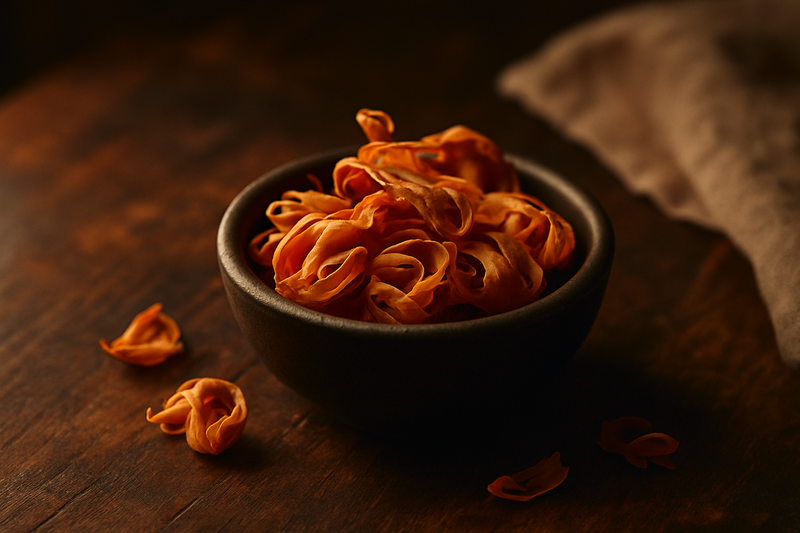
Mace · Photograph
Discover mace spice health benefits and side effects in plain English. Learn what the research really says about this lacy nutmeg aril — its antioxidant properties, digestive support, safe daily amounts, and when to be cautious.
Key Nutrients
% Daily Value based on 2,000 cal diet
Key active compounds in mace
- Myristicin — a phenylpropanoid (a plant aromatic compound built on a 3-carbon chain attached to a benzene ring). Contributes to mace's characteristic scent and has demonstrated anti-inflammatory activity in lab studies. At high doses it is responsible for nutmeg-like psychoactive and neurotoxic effects.
- Macelignan — a lignan (a type of plant polyphenol formed from two linked phenylpropanoid units) unique to Myristica fragrans. Shows free radical-scavenging and immune-modulating activity in laboratory models.
- Eugenol — a phenolic compound also prominent in cloves. Demonstrates analgesic, anti-inflammatory, and antimicrobial effects in experimental systems.
- Sabinene and related monoterpenes — terpenes are a large class of hydrocarbons that give many spices and herbs their aroma. In mace these contribute antioxidant activity in vitro.
- Flavonoids and broader phenolic compounds — a wide family of plant secondary metabolites with well-established antioxidant capacity across dozens of foods. Mace extracts are notably rich in these when measured per gram.
Buying guide: how to choose quality mace spice
Whole blades vs ground:
- Whole blades hold flavour longer — look for deep amber to burnt-orange colour with a faintly oily surface; pale, grey-tinged blades have lost most of their volatile oils.
- Ground mace should smell vividly warm and floral when you open the jar. If it smells faintly dusty or has no scent at all, it's past its prime.
Label tips:
- Check the "best by" date. For ground mace, freshness within 1–2 years of the pack date is ideal.
- Single-origin mace (Banda Islands, Indonesia; or Sri Lanka) tends to have a more complex aroma than blended or unspecified origin.
- Organic certification reduces pesticide residue risk, though it does not affect phytochemical content meaningfully.
- Avoid any label that claims mace will "treat," "cure," or "heal" a condition — these are red flags for unsubstantiated health claims.
Supplement forms:
- Mace extract capsules are not widely standardised. If you are considering a supplement (e.g. for the urinary incontinence data), consult a healthcare provider first — the safe therapeutic dose has not been established in clinical settings.
Prep and pairing ideas
Mace shines in recipes where you want warmth without the punch of a full teaspoon of nutmeg. A pinch goes a long way.
Classic mace uses in baking and creamy sauces:
- Béchamel and cream sauces — a small pinch of ground mace is a traditional French and British addition to béchamel (white sauce), adding depth without dominating.
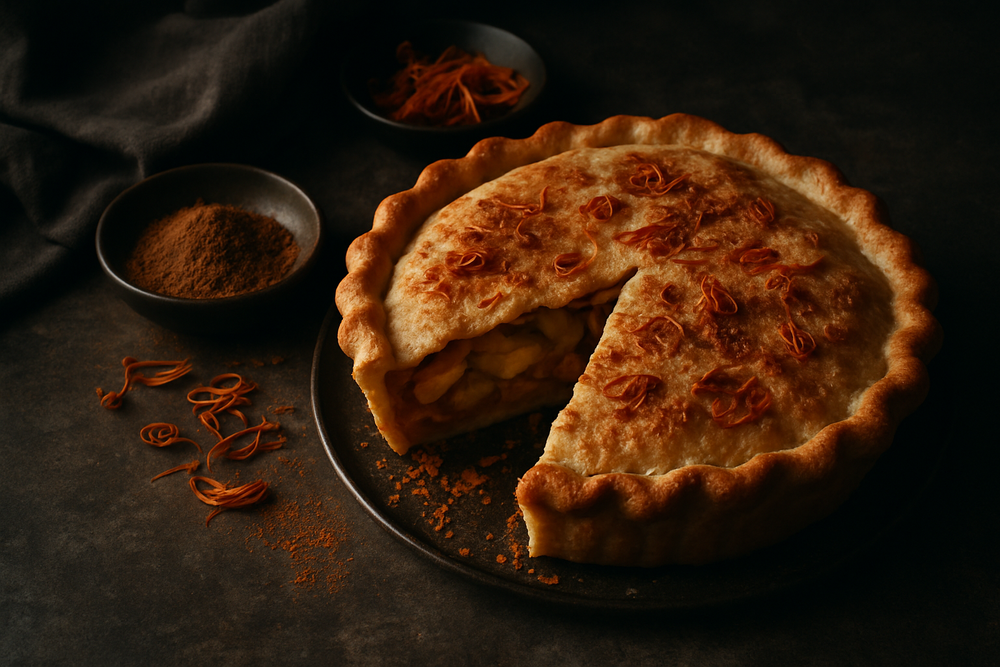
- Baked goods — doughnuts, pound cake, spiced biscuits, and apple pies benefit from ¼ teaspoon of ground mace in the batter or dough where nutmeg would feel too heavy.
- Spice blends — mace is a component of classic quatre épices (French four-spice blend) and several Indian garam masala formulations; blending it with coriander, cardamom, and pepper creates a versatile warm spice mix.
Three practical pairings and why they work:
- Mace + cauliflower or root vegetables — mace's floral warmth complements the earthy sweetness of roasted cauliflower, parsnip, or sweet potato. The volatile oils in mace also help carry fat-soluble flavours from any oil used in roasting.
- Mace + oat-based desserts and porridge — the spice has historical use in rice pudding and custards; stirring a pinch into oat porridge with cinnamon amplifies warmth without the sharpness of straight nutmeg. Both cinnamon and mace carry anti-inflammatory phenolics, making this a practical flavour-plus-function pairing.
- Mace + creamy plant-based soups (butternut squash, lentil) — mace integrates beautifully into blended soups where it enhances the aromatic base alongside cumin and ginger. The shared volatile oil profile means it layers with rather than competes against other warming spices.
Bottom line
Mace is one of the more intriguing corners of the spice cabinet for anyone interested in food as medicine — but it's important to be honest about where the evidence is and where it isn't. The antioxidant and anti-inflammatory compounds in mace are well characterised in the lab. The one standout human trial suggests a potential role in supporting pelvic floor function when combined with targeted exercise. Beyond that, the benefits most commonly attributed to mace — digestive support, heart health, blood sugar regulation — remain in the "promising preclinical" category, not yet proven in people.
Used as it was intended — as a flavouring spice in normal cooking quantities — mace is safe for most adults, delicious, and a genuinely interesting addition to a diverse, plant-forward diet. The key safety message is one that applies to all Myristica fragrans products: the gap between "pleasantly warming spice" and "potentially toxic dose" is smaller than it is for most culinary herbs, so keeping to culinary quantities is not just good flavour practice — it's good safety practice.
How Mace Compares
| Compared with | What's different |
|---|---|
| Mace vs. Nutmeg | Mace is the lacy outer covering of the seed, while nutmeg is the inner seed itself. |
| Mace vs. Cloves | Mace is more floral and delicate; cloves are much more intense, medicinal, and pungent. |
Health Benefits
Things to Know
Stay within culinary amounts.: Even 2 teaspoons of nutmeg or mace is enough to cause toxicity (nausea, vomiting, heart palpitations, neuropsychiatric symptoms) in some individuals. Quantities above approximately 30 g per day are considered unsafe.
Pregnancy and breastfeeding: Medicinal-level intake is not considered safe. Culinary pinches in food are generally not flagged as a concern, but large supplemental doses should be avoided due to insufficient safety data and shared toxicity profile with nutmeg.
Children and adolescents: may be more vulnerable to neurotoxic and psychoactive effects of higher doses.
Psychiatric conditions or history of substance misuse: Large doses of mace-related spices have been used recreationally for hallucinogenic effects. Myristicin can produce agitation, hallucinations, and mood changes in excess.
Cardiovascular disease: Toxic doses can cause palpitations and blood pressure changes; this is not a concern at cooking quantities but warrants awareness.
Liver disease: High aromatic oil intake may add metabolic burden to hepatic (liver) detoxification. Use sparingly and consult your doctor if liver function is compromised.
Medications: No specific drug interactions are clinically documented at culinary doses. Theoretically, very large amounts could have additive effects with CNS-active medications (sedatives, antidepressants, antipsychotics) due to myristicin's neurological activity. Some sources raise theoretical interactions with anticoagulants or antiplatelet drugs for phenolic-rich spices, though direct evidence for culinary mace is lacking.
Prep Ideas
- — **Béchamel and cream sauces** — a small pinch of ground mace is a traditional French and British addition to béchamel (white sauce), adding depth without dominating.
- — **Baked goods** — doughnuts, pound cake, spiced biscuits, and apple pies benefit from ¼ teaspoon of ground mace in the batter or dough where nutmeg would feel too heavy.
- — **Spice blends** — mace is a component of classic *quatre épices* (French four-spice blend) and several Indian garam masala formulations; blending it with coriander, cardamom, and pepper creates a versatile warm spice mix.
- — **Mace + cauliflower or root vegetables** — mace's floral warmth complements the earthy sweetness of roasted cauliflower, parsnip, or sweet potato. The volatile oils in mace also help carry fat-soluble flavours from any oil used in roasting.
- — **Mace + oat-based desserts and porridge** — the spice has historical use in rice pudding and custards; stirring a pinch into oat porridge with cinnamon amplifies warmth without the sharpness of straight nutmeg. Both cinnamon and mace carry anti-inflammatory phenolics, making this a practical flavour-plus-function pairing.
- — **Mace + creamy plant-based soups (butternut squash, lentil)** — mace integrates beautifully into blended soups where it enhances the aromatic base alongside cumin and ginger. The shared volatile oil profile means it layers with rather than competes against other warming spices.
Glossary
Shop This Ingredient
Stock your pantry with quality mace.
Buy on AmazonAs an Amazon Associate, Plantopedia earns from qualifying purchases. This costs you nothing extra and helps us keep the encyclopedia free.
Frequently Asked Questions
Heart and circulation Mace contains phenolic antioxidants and volatile compounds that have been shown to protect lipids (fats in the blood) from oxidative damage (damage caused by unstable molecules called free radicals) in cell and animal studies. Some secondary sources describe potential benefits for cholesterol and circulation, but these claims are extrapolated from general antioxidant activity. There are no direct human trials testing mace for cardiovascular outcomes such as blood pressure, LDL cholesterol, or cardiac events. Mace spice benefits for heart health remain theoretical until clinical data exist. Digestive health and gut support Traditional medicine across Ayurvedic and South-East Asian systems has long used small amounts of mace for indigestion, bloating, and general digestive discomfort. Some experimental studies have shown that mace extracts inhibit Helicobacter pylori (the bacterium linked to stomach ulcers) in a test tube, but this does not confirm clinical benefit in living humans. WebMD's ingredient monograph states plainly that there is currently "no good scientific evidence" to support mace for digestive problems. For mace spice benefits for gut health and bloating, the honest answer is: promising in the lab, unproven in the clinic. Blood sugar and metabolism No human clinical trials have tested mace for glycaemic (blood sugar) control, insulin sensitivity, or diabetes management. Proposed benefits in this area are speculative — drawn from the general anti-inflammatory and antioxidant properties of its phytochemicals. Until controlled trials are conducted, mace should not be treated as an evidence-based approach for blood sugar regulation. Hormones and cycle health There is currently no direct human evidence that mace modulates sex hormones, thyroid function, or other endocrine (hormone-producing gland) parameters. Some animal and mechanistic data suggest that nutmeg-related compounds can influence neurotransmitters, but these findings do not translate into established hormonal benefits in humans. Traditional use for menstrual discomfort exists in Ayurvedic practice but has not been tested in clinical trials. Inflammation and recovery This is where mace's preclinical evidence is strongest. Both water-based and ethanol-based extracts of mace (labelled WMACE and EMACE in research) have shown significant suppression of pro-inflammatory mediators — signalling chemicals such as nitric oxide and certain cytokines (proteins that regulate immune and inflammatory responses) — in cell culture and rodent models. Macelignan and myristicin appear to be the lead drivers of this activity. A 1990 study published in PubMed identified anti-inflammatory activity from mace's active principles in experimental settings. However, there are no well-controlled human clinical trials specifically evaluating mace as an anti-inflammatory agent. The mace spice antioxidant and anti-inflammatory properties are real in the lab; whether the same effects occur at culinary doses in humans is not yet established. One standout human trial: A randomised placebo-controlled trial (the gold standard in clinical research) found that mace used alongside pelvic floor muscle training (exercises to strengthen the muscles supporting the bladder) produced significantly greater improvement in urinary symptoms and quality of life in women with mixed urinary incontinence (involuntary leakage involving both stress and urgency components) compared to placebo over three months. This is the strongest single piece of human clinical evidence for mace to date, though it involved a specific formulation combined with exercise therapy, and replication studies are needed.
Both forms come from the same dried aril; the choice is mostly practical. Ground mace (powder) is the most common, most convenient form for everyday cooking. It dissolves evenly into batters, custards, béchamel sauces, and spice blends. The drawback is that ground spices lose aromatic potency faster than whole forms — typically within 1–3 years of grinding, sometimes sooner once opened. Whole mace blades take longer to release their flavour but retain their volatile oils better over time. Use them by infusing in warm liquid (a cream sauce, a mulled drink, a poaching liquid) then removing before serving. This gives you the flavour compounds with minimal solid spice consumed. Capsules and standardised extracts have been used in at least one clinical trial (the urinary incontinence study), but the formulation and dose were not fully reported. These are experimental preparations and should not be self-prescribed. Ayurvedic powder preparations traditionally suggest 100–200 mg of mace powder mixed into warm milk for mild indigestion or sleep support. These doses are based on traditional practice, not clinical trials. At culinary doses, the form you choose matters less for health than for flavour and freshness.
There is no officially established recommended daily intake (RDI) for mace as a functional food ingredient. What the evidence does establish is a rough safe upper ceiling for culinary use. Culinary range: A pinch (roughly 0.25 g) to about ½ teaspoon (approximately 1.7 g) per day, spread across one or more dishes, is well within the range used safely in food traditions worldwide. This amount is consistent with the per-teaspoon serving size on which USDA nutritional data are based. The toxicity threshold: Major health and safety sources suggest that even around two teaspoons of nutmeg or mace consumed at once can trigger toxicity in sensitive individuals; 30 g per day is cited as clearly unsafe. This is a much narrower safety margin than most spices, which is why the guidance is firm: keep mace to flavouring quantities. Start low if you are new to mace: Begin with a small pinch in a recipe and increase only if you enjoy the flavour. There is no evidence that more is better health-wise at any dose above culinary norms. Ayurvedic dose context: Traditional Ayurvedic texts reference approximately 100–200 mg (a very small fraction of a teaspoon) for specific therapeutic applications. These doses come from a traditional clinical framework that has not been validated in modern randomised trials. If you are considering a supplement form for a specific health purpose (for example, based on the urinary incontinence trial), work with a healthcare provider to determine appropriate dosing. Self-prescribing concentrated mace extracts without guidance is not recommended given the lack of established therapeutic doses and the shared toxicity ceiling with nutmeg.
Quick Answers
Common questions, answered in a line.
Mace is the lacy, reddish-orange outer covering (aril) of the nutmeg seed from the Myristica fragrans tree. While it shares a similar warm flavor profile with nutmeg, mace is distinct for its more floral, delicate aroma and specific phytochemicals like macelignan.
Mace contains several active plant compounds, including myristicin, macelignan, eugenol, and various flavonoids. These compounds have demonstrated antioxidant, anti-inflammatory, and antimicrobial properties in laboratory and experimental settings.
Mace is commonly used in baking recipes like doughnuts and pound cakes, as well as in savory dishes like béchamel sauce and creamy soups. It is a traditional component of French quatre épices and various Indian garam masala blends.
Mace toxicity can occur at high doses, leading to symptoms such as nausea, vomiting, heart palpitations, and neuropsychiatric effects like hallucinations or agitation. These risks are typically associated with consuming quantities above culinary levels, such as 2 teaspoons or more.
Pregnant and breastfeeding women should avoid medicinal or supplemental doses of mace due to insufficient safety data and potential toxicity. While small culinary pinches in food are generally not considered a concern, high intake is not recommended during pregnancy.
High-quality whole mace blades should have a deep amber to burnt-orange color and a slightly oily surface. If the blades appear pale or grey-tinged, they have likely lost their essential volatile oils and flavor.
Mace pairs exceptionally well with root vegetables like cauliflower and sweet potatoes, as well as oat-based desserts and rice pudding. Its floral warmth also complements creamy plant-based soups made from lentils or butternut squash.
For Readers in the USA
Local context — sourcing, seasonality, and regional notes.
You can find mace at major US retailers like Whole Foods, Sprouts, and Kroger, or through specialty spice purveyors like Penzeys and McCormick. While standard ground mace is available in the baking aisle of most supermarkets, whole blades are more common at high-end grocery stores or Indian and Caribbean specialty markets.
Mace is not commercially grown in the United States mainland as it requires a tropical climate; most US supply is imported from Indonesia, Grenada, and Sri Lanka. While you won't find domestic harvests at local farmers markets, you can find high-quality imported mace year-round due to its long shelf life as a dried spice.
In the US, ground mace is a traditional "secret ingredient" in Old Fashioned donuts, hot dogs (frankfurters), and classic American pound cakes. It is also a staple in Pennsylvania Dutch cooking and is frequently used in Southern recipes for sweet potato pie and oyster stew.
The FDA classifies mace as "Generally Recognized as Safe" (GRAS) for use as a natural seasoning or flavoring when used in typical culinary amounts. For those seeking to avoid pesticides, look for the USDA Organic seal, which ensures the spice was produced according to federal organic standards without synthetic fertilizers or irradiation.
AI Clinical Review
- Clearly identifies mace as the aril of Myristica fragrans and explains how it differs from nutmeg in flavor and compound profile.
- Appropriately distinguishes preclinical antioxidant/anti-inflammatory findings from the limited human data.
- Accurately notes one randomized, placebo-controlled trial where mace plus pelvic floor training improved mixed urinary incontinence symptoms, while calling for replication.
- Emphasizes sensible use in culinary amounts and the narrow margin between cooking doses and potentially toxic intakes due to myristicin.
- Digestive, cardiovascular, and blood-sugar claims remain unproven in people; H. pylori inhibition is lab (test‑tube) evidence only.
- We lack human studies on bioavailability, dose–response, and whether culinary amounts meaningfully alter inflammation markers.
- Comparative advantages of mace versus nutmeg are theoretical; there are no head‑to‑head clinical trials.
- Supplement formulations and effective therapeutic doses are not standardized or well described in the literature.
- Practical intake: a pinch to about 1/2 teaspoon (≈0.25–1.7 g) per day in food is generally considered reasonable. Larger amounts can cause nausea, palpitations, agitation, and neuropsychiatric symptoms; around two teaspoons at once may trigger toxicity in some, and very large doses (≈30 g) are unsafe.
- Form matters for flavor more than health: ground mace is convenient but loses aroma faster; whole blades retain oils longer and can be infused then removed.
- Check with a clinician first if you are pregnant or breastfeeding, considering use in children/teens, have psychiatric or substance‑use history, cardiovascular disease, liver disease, or take CNS‑active medicines or blood thinners.
- If exploring supplements (e.g., for urinary incontinence), seek medical guidance—products aren’t standardized and the studied preparation/dose were not clearly reported.
Use small culinary amounts; large doses share nutmeg's toxicity.
References
- USDA FoodData Central — Spices, mace, ground (nutrition data per teaspoon): (fdc.nal.usda.gov)
- WebMD ingredient monograph — Mace: Uses, Side Effects, and More (safety overview and evidence summary): (webmd.com)
- Anti-Helicobacter pylori, Anti-Inflammatory, Cytotoxic, and Antioxidant Activities of Mace Extracts — PMC human/animal/cell study: (ncbi.nlm.nih.gov)
- Antiinflammatory effect of mace, aril of Myristica fragrans, and its active principles — PubMed animal/experimental study: (pubmed.ncbi.nlm.nih.gov)
- Efficacy of mace plus pelvic floor muscle training for mixed urinary incontinence — randomised placebo-controlled trial, ScienceDirect: (sciencedirect.com)
- World Journal of Pharmaceutical Sciences — Phytochemicals and antioxidant activity of mace (review): (wjpsronline.com)
- Antiinflammatory effect of mace — Semantic Scholar summary: (semanticscholar.org)
- Medindia — Mace and Nutmeg: Are They Safe to Use Every Day? (public health and safety context): (medindia.net)
- Nutrition-and-you — Mace spice (Myristica fragrans): Nutrition facts and health benefits: (nutrition-and-you.com)
- Naturalpedia — Mace sources and health risks (toxicity thresholds): (naturalpedia.com)
Know Your Numbers
Eating healthy is a start. Now get to know your biomarkers.
Food changes bloodwork — inflammation, lipids, blood sugar and nutrient status all respond to what you eat. 59 markers from $59.
- Results in 7–10 days at 2,000+ Quest sites
- Licensed provider reviews every result
- One flat price, no membership, HSA/FSA eligible
Educational information only, not medical advice. Panels are ordered and reviewed through our licensed partner; Plantopedia may earn a commission.