Marjoram — health benefits and uses
Traditionally used in European folk medicine as a warming digestive and calming tea.
The Short Answer
Marjoram is a Mediterranean herb known for its sweet, floral aroma and potential digestive benefits. It is a source of antioxidants like rosmarinic acid and contains 11 mcg of Vitamin K per teaspoon.
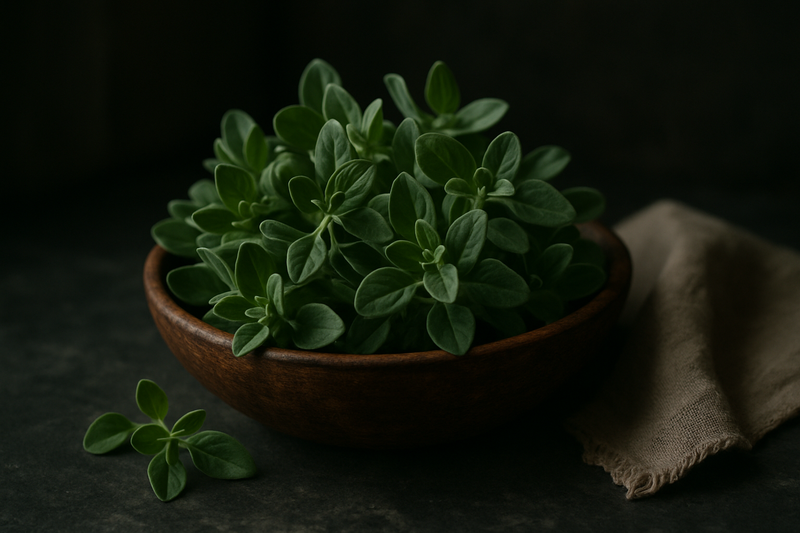
Marjoram · Photograph
Discover marjoram health benefits and how to use it — from digestive comfort and antioxidant support to promising hormone research. Learn the difference from oregano, how to cook with it, and who should use caution with concentrated forms.
Key Nutrients
% Daily Value based on 2,000 cal diet
Key active compounds in marjoram
Marjoram's potential health properties are largely tied to its phytochemical (plant-chemical) content. Here are the main players:
- Rosmarinic acid and caffeic acid — Phenolic acids (polyphenol compounds) with well-documented antioxidant and anti-inflammatory activity in laboratory studies. These are also found in rosemary, basil, and sage.
- Apigenin, luteolin, and quercetin — Flavonoids (plant pigments) studied for their ability to support cellular defense against oxidative stress and to modulate inflammatory signaling pathways.
- Carvacrol — A monoterpenoid phenol (a type of aromatic compound) shared with oregano; shows antimicrobial and anti-inflammatory effects in lab settings.
- Essential oil terpenes (thymol, terpinene, sabinene) — The volatile compounds responsible for marjoram's distinctive aroma; demonstrate spasmolytic (muscle-relaxing), antimicrobial, and antioxidant activity in preclinical models, though clinical significance at culinary doses is unclear.
Prep and pairing ideas
Marjoram shines when treated with a light touch. Here are three practical culinary pairings:
1. Marjoram + white beans + lemon Stir a teaspoon of dried marjoram into cannellini or navy beans in the last few minutes of cooking, then finish with a squeeze of lemon. The herb's floral notes brighten the earthy beans without competing with them. Beans also provide fiber and resistant starch that support the gut microbiome.
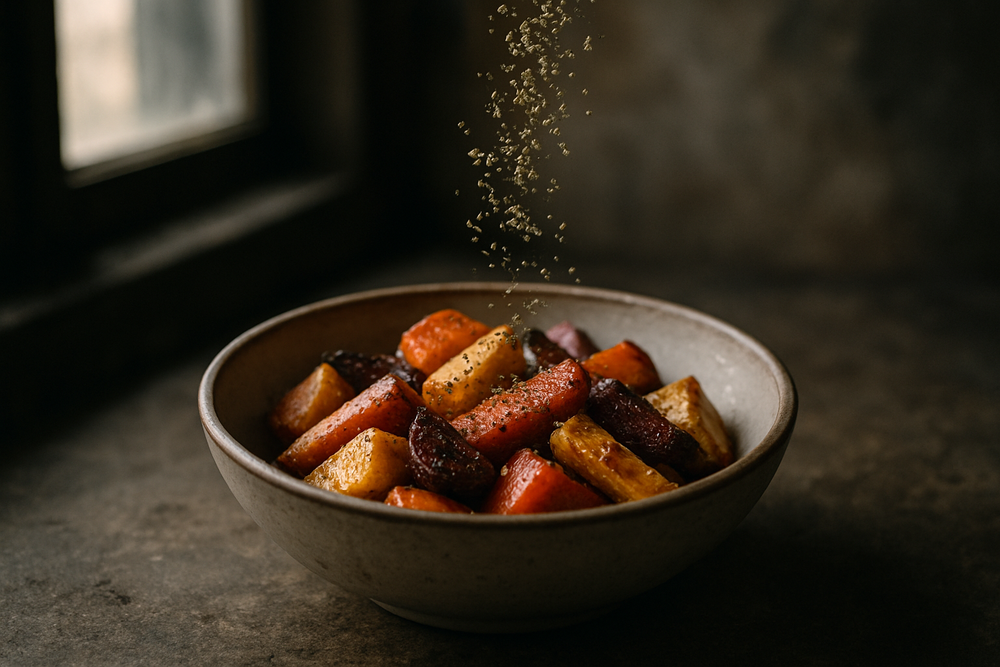
2. Marjoram + roasted root vegetables + olive oil Toss carrots, parsnips, or butternut squash with olive oil and add marjoram in the final 10 minutes of roasting. The slight sweetness of the vegetables mirrors marjoram's own gentle sweetness. Olive oil may also enhance the absorption of fat-soluble plant compounds like carotenoids.
3. Marjoram + lentil or vegetable soup Add a generous pinch to a lentil, tomato, or minestrone-style soup just before serving. Marjoram is particularly complementary to thyme and bay leaf — a classic Mediterranean aromatic trio — but it holds its own as a solo herb too.
Storage tip: Keep dried marjoram in an airtight container away from heat and light. It loses potency quickly after opening; replace it every 6–12 months.
Myths vs. facts about marjoram
Optional module: Myths vs. facts
Myth: Marjoram and oregano are interchangeable. Fact: They are closely related, but marjoram has a notably milder, sweeter, and more floral flavor than oregano's pungent, peppery bite. Substituting one for the other will noticeably change the character of a dish. In terms of phytochemicals, both contain phenolic acids and carvacrol, but in different proportions.
Myth: Marjoram essential oil is a safe home remedy for respiratory problems. Fact: A single small preliminary study reported that 2 drops of marjoram oil daily alongside standard asthma medication improved lung function more than medication alone, but essential oils are highly concentrated, carry risks of irritation and toxicity, and should only be used under qualified professional supervision. Self-treating respiratory conditions with essential oil is not advised.
Myth: Marjoram tea is proven to treat PCOS. Fact: One small randomized trial found encouraging improvements in insulin sensitivity and adrenal androgen levels, but a single small study does not constitute proof of treatment efficacy. Marjoram tea may be a supportive dietary addition, but it is not a replacement for evidence-based PCOS management.
Bottom line
Marjoram is one of the more underrated herbs in the Western kitchen. Its flavor profile — soft, floral, slightly sweet — makes it a versatile addition to whole-food cooking, particularly soups, roasted vegetables, and bean dishes. Its phytochemical content (phenolic acids, flavonoids, carvacrol) gives it a credible antioxidant and anti-inflammatory profile, even if most of the supporting evidence is still preclinical.
The most clinically interesting finding to date is a small randomized trial showing that marjoram tea may improve insulin sensitivity and reduce adrenal androgens in women with PCOS. This is promising, but it needs replication before marjoram can be considered a therapeutic intervention.
For most people, the smartest approach is the simplest one: use marjoram generously as a culinary herb, add it near the end of cooking, and enjoy its flavor as part of a varied, plant-rich diet. If you are interested in marjoram tea or supplements for a specific health goal, talk to your healthcare provider first — especially if you are pregnant, breastfeeding, or on medication.
Explore ingredients by what you want to support at /goals.
How Marjoram Compares
| Compared with | What's different |
|---|---|
| Marjoram vs. Oregano | Marjoram is sweeter and floral, while oregano has a pungent, peppery bite. |
| Marjoram vs. Thyme | Marjoram is delicate and pine-like; thyme is more earthy and lemony. |
Health Benefits
Things to Know
Pregnancy: Avoid marjoram in medicinal amounts (teas, extracts, essential oil). Traditional medicine has long classified it as an emmenagogue (an agent that stimulates or increases menstrual flow), and there are theoretical risks of uterine stimulation. Culinary pinches in food are generally considered safe.
Breastfeeding: Insufficient safety data exists for medicinal-dose use. Most herbal medicine references advise caution.
Blood thinners (warfarin, aspirin, clopidogrel): Marjoram may have mild anti-platelet (clot-reducing) activity at higher doses. If you are on anticoagulant or antiplatelet medication, discuss regular supplement or tea use with your doctor.
Antidiabetic medications (insulin, metformin): Marjoram tea may improve insulin sensitivity. In theory, this could enhance the glucose-lowering effect of your medication and increase the risk of hypoglycemia (low blood sugar). Monitor blood glucose and consult your healthcare provider.
Hormonal therapies: People using anti-androgens, oral contraceptives, or other hormonal treatments should be aware of marjoram's observed effects on adrenal androgen levels.
Mint-family allergies: If you react to oregano, thyme, basil, mint, or other Lamiaceae herbs, you may also react to marjoram.
Long-term high-dose use: Some sources flag theoretical concerns from constituents like arbutin and hydroxyquinone in high-dose concentrated preparations. Culinary use carries no such concern.
Children: Avoid giving marjoram essential oil or high-potency extracts internally to children.
Glossary
Shop This Ingredient
Stock your pantry with quality marjoram.
Buy on AmazonAs an Amazon Associate, Plantopedia earns from qualifying purchases. This costs you nothing extra and helps us keep the encyclopedia free.
Frequently Asked Questions
Most evidence for marjoram's health effects is preclinical (cell studies and animal experiments) or based on traditional use. One area — hormonal health in PCOS — has a small but real human trial behind it. Here is a clear-eyed summary by body system. Heart and circulation A pharmacological review published via PMC describes cardioprotective, anti-platelet, and antiatherosclerotic (artery-protecting) activities of marjoram — but these conclusions come from animal experiments and in vitro (test tube) assays, not human cardiovascular outcome trials. The antioxidant compounds in marjoram, particularly rosmarinic acid and quercetin, could theoretically support vascular health by reducing oxidative damage to blood vessels, but this has not been confirmed in large human studies. Bottom line: Promising mechanistic data, no direct human evidence for heart outcomes yet. Digestive health and microbiome Marjoram has a long traditional history as a carminative herb — meaning it was used to relieve gas, stomach cramps, and sluggish digestion. Its essential oil components show spasmolytic (muscle-relaxing) activity in laboratory settings, which may explain why marjoram tea has been a folk remedy for gut discomfort. However, major clinical databases note there is no robust controlled-trial evidence supporting marjoram for gastrointestinal conditions. Using marjoram in bean dishes and vegetable soups — foods already high in fiber — is a practical and safe way to enjoy its flavor while potentially supporting digestive comfort as part of a balanced diet. Bottom line: Supported by tradition and plausible biology; clinical evidence is currently limited. Blood sugar and metabolism In a randomized clinical trial published on PubMed (PMID 25662759), women with polycystic ovary syndrome (PCOS) who drank marjoram tea twice daily for one month showed improved insulin sensitivity compared to a control group. Insulin sensitivity refers to how effectively the body's cells respond to insulin to absorb blood sugar — lower sensitivity (insulin resistance) is a core feature of PCOS and a risk factor for type 2 diabetes. This is encouraging, but it is a single small trial in a specific population over a short timeframe. No large-scale human studies have evaluated marjoram for diabetes prevention or glycemic (blood sugar) control in the general population. Bottom line: Emerging, limited to one small PCOS trial; not a substitute for proven blood sugar management strategies. Hormones and cycle health The same PCOS trial also found that marjoram tea significantly reduced levels of DHEA-S (dehydroepiandrosterone-sulfate) — an adrenal androgen (a hormone produced by the adrenal glands that can worsen PCOS symptoms when elevated). Marjoram has been used in traditional medicine to "restore hormonal balance" and regulate menstrual cycles for centuries. The clinical significance of these findings is real but limited in scope. Replication in larger, longer trials is needed before marjoram tea can be recommended as a standalone PCOS therapy. Bottom line: The most evidence-supported benefit in humans; still requires larger studies. Inflammation and antioxidant activity Multiple in vitro studies show that marjoram extracts and essential oil reduce markers of oxidative stress (cellular damage from unstable molecules called free radicals) and can modulate inflammatory signaling pathways. Reviews consistently describe marjoram as exhibiting meaningful antioxidant and anti-inflammatory properties, driven primarily by its phenolic acids and flavonoids. There are no well-designed human trials confirming these effects at dietary doses, but the mechanisms are well understood and consistent with what we see from related Lamiaceae family herbs. Bottom line: Strong preclinical evidence, plausible at consistent culinary use; direct human trial confirmation is still pending.
Both forms have a place, and neither is universally "better" — it depends on your purpose. Fresh marjoram leaves Fresh leaves are more aromatic, with a lighter, more floral character. They are best used as a finishing herb — scattered over dishes just before serving, stirred into salads, or added to dressings. Fresh marjoram also provides small amounts of carotenoids (plant-based pigments that the body can convert to vitamin A) and vitamin C, which are partly destroyed by heat. Dried marjoram (culinary spice) Drying concentrates both the flavor compounds and the phenolic content per gram. Dried marjoram is the most practical form for most kitchens — it keeps well and integrates smoothly into cooked dishes. The key rule: add it near the end of cooking, not at the start. Marjoram's volatile aromatic oils (the compounds responsible for its delicate scent) dissipate quickly with prolonged heat. Adding it in the last 5–10 minutes of cooking preserves the flavor and likely retains more of the bioactive compounds. Herbal tea / infusion A marjoram tea made by steeping dried leaves in hot water is the form used in the PCOS clinical trial. It is a gentle, caffeine-free way to consume marjoram in higher amounts than typical cooking, though dosing for medicinal purposes has not been standardized. Essential oil Highly concentrated — not suitable for general self-use. Should only be used under professional supervision.
There is no officially established daily dose for marjoram as a supplement or tea. For culinary use: 1–2 teaspoons of dried marjoram per recipe, or 1–2 tablespoons of fresh leaves, is a typical culinary range. This is safe, flavorful, and how most people will use the herb. For marjoram tea: The PCOS clinical trial used marjoram tea twice daily for one month, made from dried leaves steeped as an herbal infusion. The exact gram weight per cup was not consistently reported. A common starting point in herbal practice is 1–2 teaspoons of dried herb per cup of hot water, steeped for 10 minutes. If you want to try marjoram tea for a specific health goal, start with one cup per day and discuss it with your healthcare provider before making it a regular practice, especially if you are on any medications. Essential oil: Not recommended for self-directed internal use. One small study used 2 drops daily alongside standard asthma medication, but this regimen is not widely endorsed and carries real risks of irritation or toxicity. General guidance: Start low, observe how your body responds, and scale up gradually. Marjoram as a food is very forgiving; concentrated forms require more care.
Optional module: Who benefits most Women managing PCOS or irregular cycles The only human clinical trial for marjoram specifically studied women with PCOS, showing reduced adrenal androgens and improved insulin sensitivity after one month of marjoram tea. May complement a broader dietary and lifestyle approach to hormonal balance. Always discuss with a gynecologist or endocrinologist before using marjoram tea as part of PCOS management. Plant-based cooks looking to maximize flavor without salt or heat Marjoram's delicate, floral aroma makes it ideal for seasoning bean dishes, lentil soups, and roasted vegetables — all staples of a whole-food plant-based diet. Adds meaningful antioxidant phytochemicals (flavonoids, phenolic acids) with zero sodium and practically zero calories per serving. Pairs naturally with lemon, olive oil, garlic, and other Mediterranean staples.
Quick Answers
Common questions, answered in a line.
Marjoram has a milder, sweeter, and more floral flavor compared to the pungent, peppery bite of oregano. While they are closely related and share compounds like carvacrol, substituting one for the other will noticeably change the character of a dish.
Marjoram tea may improve insulin sensitivity and reduce adrenal androgen levels, though evidence is limited to small preliminary studies. While it may be a supportive dietary addition for managing PCOS symptoms, it is not a replacement for evidence-based medical treatments.
Marjoram contains phenolic acids like rosmarinic acid and flavonoids such as apigenin, which support cellular defense against oxidative stress. These phytochemicals demonstrate anti-inflammatory and antioxidant activity that may modulate inflammatory signaling pathways.
People taking blood thinners, antidiabetic medications, or hormonal therapies should consult a doctor before using marjoram in medicinal amounts. It may increase the risk of bleeding, enhance glucose-lowering effects, or interfere with androgen levels.
Marjoram is best added in the final 10 minutes of roasting or just before serving soups to preserve its delicate flavor. It pairs exceptionally well with white beans, root vegetables like carrots and parsnips, and Mediterranean aromatics like thyme and bay leaf.
Pregnant women should avoid marjoram in medicinal amounts, such as teas or extracts, because it is traditionally classified as an emmenagogue. This means it may stimulate menstrual flow or pose theoretical risks of uterine stimulation, though culinary amounts are generally safe.
Dried marjoram should be stored in an airtight container away from heat and light to maintain its potency. Because it loses its flavor and phytochemical strength quickly after opening, it is best to replace your supply every 6 to 12 months.
For Readers in the USA
Local context — sourcing, seasonality, and regional notes.
In the United States, fresh marjoram is most widely available during the summer months, though it can be grown year-round in USDA hardiness zones 9 and 10. In cooler northern climates, it is typically treated as an annual or grown indoors in pots to protect it from frost.
Fresh marjoram is commonly found in the produce section of major US grocery chains like Whole Foods, Kroger, and Safeway, usually packaged in plastic clamshells near the poultry herbs. For high-quality dried marjoram, many Americans shop at specialty retailers like Penzey’s Spices or local farmers markets in the late summer.
Yes, marjoram is frequently included in "Poultry Seasoning" blends alongside sage and thyme, and it is a core component of the "Herbes de Provence" mix sold in US supermarkets. While less dominant than oregano in American-style Italian seasoning, it is a staple in traditional American Thanksgiving stuffing recipes.
The USDA Organic seal on marjoram ensures the herb was grown without synthetic pesticides or irradiation, which is a common concern for consumers buying dried imported spices. When buying conventional dried marjoram, the FDA monitors for contaminants, but "organic" remains the standard for those seeking to avoid chemical residues.
AI Clinical Review
- Clearly distinguishes marjoram’s culinary role from medicinal use and emphasizes adding dried leaves late in cooking to preserve aroma.
- Accurately frames the evidence: mostly lab and animal data, with one small randomized trial in women with PCOS showing improved insulin sensitivity and lower DHEA‑S.
- Provides practical form guidance (fresh vs dried vs tea vs essential oil) and notes that essential oil is not for self-directed internal use.
- Sensibly positions marjoram as a flavorful, low‑sodium way to add polyphenols, while acknowledging that per‑serving nutrient amounts are modest.
- Cardiovascular and anti‑platelet claims are based on preclinical models; there are no human trials showing reduced heart events or blood pressure changes.
- Digestive benefits (carminative, antispasmodic) are plausible and traditional but lack robust controlled human studies.
- The PCOS findings come from a single, short trial with unclear optimal dose and limited generalizability; confirmation in larger, longer studies is needed.
- Antioxidant/anti‑inflammatory activity is consistent in vitro, but the relevance at typical culinary intakes remains uncertain.
- Safety: Avoid medicinal doses in pregnancy; limited data in breastfeeding; do not use essential oil internally without professional supervision.
- Interactions: Use caution if you take anticoagulants/antiplatelets, diabetes medications, or hormonal therapies—marjoram may modestly affect clotting, glucose control, or androgens.
- Dosing and forms: No established therapeutic dose. Culinary amounts (1–2 tsp dried or 1–2 Tbsp fresh per recipe) are generally safe; tea is typically 1–2 tsp dried herb per cup steeped ~10 minutes, but individualized guidance is wise for health goals.
- Allergies: Those sensitive to other mint‑family herbs (oregano, thyme, basil, mint) may also react to marjoram.
Generally safe in culinary amounts; concentrated extracts may not be advised during pregnancy.
References
- USDA FoodData Central — Marjoram, dried (nutrition data) (fdc.nal.usda.gov)
- WebMD Natural Medicines — Marjoram supplement monograph (safety, interactions, dosing) (webmd.com)
- PMC — Sweet Marjoram: A Review of Ethnopharmacology, Phytochemistry, and Pharmacology (comprehensive review) (pmc.ncbi.nlm.nih.gov)
- PubMed PMID 25662759 — Randomized clinical trial: marjoram tea on hormonal profile in PCOS (human trial) (pubmed.ncbi.nlm.nih.gov)
- RxList — Marjoram supplement monograph (evidence grading, safety classification) (rxlist.com)
- Healthline — What Is Marjoram? Benefits, Side Effects, and Uses (healthline.com)
- MedicineNet — What Is Marjoram? Benefits, Side Effects, and Uses (medicinenet.com)
- Botanical Online — Marjoram contraindications (pregnancy, drug interactions) (botanical-online.com)
- Academia.edu — In vitro antioxidant and anti-inflammatory activity of wild marjoram (preclinical study) (academia.edu)
- Vitalibrary — Marjoram: digestive, antioxidant, and cellular protection review (vitalibrary.com)
Know Your Numbers
Eating healthy is a start. Now get to know your biomarkers.
Food changes bloodwork — inflammation, lipids, blood sugar and nutrient status all respond to what you eat. 59 markers from $59.
- Results in 7–10 days at 2,000+ Quest sites
- Licensed provider reviews every result
- One flat price, no membership, HSA/FSA eligible
Educational information only, not medical advice. Panels are ordered and reviewed through our licensed partner; Plantopedia may earn a commission.