Miracle Fruit — health benefits and uses
A West African berry historically eaten to sweeten sour, fermented staples.
The Short Answer
Miracle fruit contains a protein called miraculin that binds to your taste buds, causing sour and acidic foods to taste intensely sweet for up to 60 minutes.

Miracle Fruit · Photograph
Discover miracle fruit benefits, side effects, and how to use miracle berries — the West African berry whose active protein miraculin makes sour foods taste sweet for up to an hour. Learn what the science says, who should be cautious, and how to get started safely.
Key Nutrients
% Daily Value based on 2,000 cal diet
Key active compounds
- Miraculin — A glycoprotein (a protein with sugar chains attached) found in the pulp. It binds to sweet taste receptors on the tongue and activates them specifically when acids are present, converting sour flavors into sweetness. This is the compound responsible for everything miracle fruit is famous for. The effect is sensory and temporary; miraculin is eventually washed away by saliva.
- Polyphenols (phenolic compounds) — A broad family of plant-based antioxidants found in the pulp and leaves. In laboratory and animal studies, these have shown free-radical scavenging activity (neutralizing unstable molecules that can damage cells) and potential cardiometabolic effects.
- Flavonoids — A sub-group of polyphenols with characteristic ring-shaped molecules. Found in both the berry and its leaves; associated with antioxidant, vascular, and anti-inflammatory activity in preclinical research.
- Terpenoids — Lipid-soluble (fat-dissolving) plant compounds linked in experimental models to antioxidant and possible anti-cancer properties.
- Amides — Nitrogen-containing compounds identified in miracle fruit that may contribute to antioxidant activity, though their human significance is not yet clear.
Prep and pairing ideas
Miracle fruit is not really a cooking ingredient — it is a flavor experience you activate before you eat. Here is how to get the most out of it, safely.
How to use a fresh berry or tablet: Let it dissolve fully on your tongue for 30 to 60 seconds before your first bite of food. Do not swallow it quickly. The slower the pulp coats your taste buds, the stronger and longer the effect.
Three practical pairings:
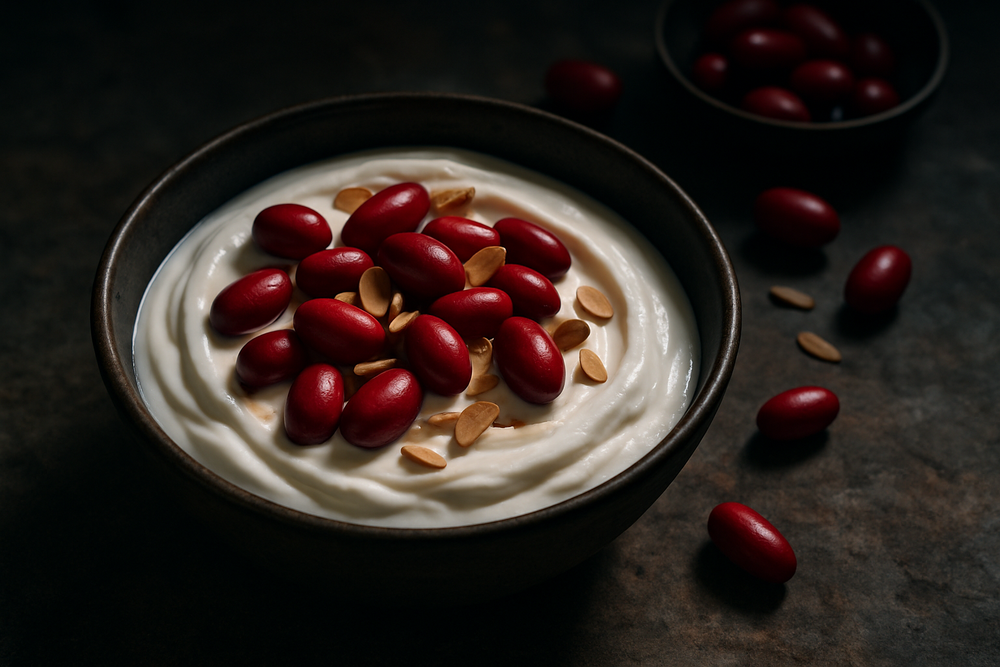
- Plain Greek yogurt + fresh berries: Naturally tart yogurt tastes like sweetened dessert, while still delivering protein and probiotics — with zero added sugar needed. A genuinely useful everyday application.
- Lemon or lime wedges: The classic "flavor tripping" demo. A plain lemon wedge tastes like lemonade candy. Fun for introducing guests to the concept, and a useful way to enjoy vitamin C-rich citrus without any sweetener.
- Unsweetened kombucha or kefir: Fermented, acidic, and often too sour for many people to enjoy plain. Miracle fruit makes both taste almost fizzy-sweet, which can help people include more probiotic-rich fermented foods without the sugar that commercial versions often contain.
Storage tip: Fresh miracle fruit is highly perishable — keep it refrigerated and use within a few days, or freeze immediately. Tablets should be stored in a cool, dry place away from humidity.
Bottom line
Miracle fruit is one of the most genuinely unusual whole foods on the planet. Its taste-modifying effect is real, well-documented, and surprisingly useful — whether you want to enjoy sour foods without added sugar, make a tart smoothie more palatable, or help someone navigating the taste distortions that chemotherapy can cause.
What miracle fruit is not is a cure-all or a nutritional powerhouse. The quantities you eat are tiny, the broader health benefits (antioxidant activity, blood sugar support, heart-health effects) are mostly based on lab and animal research, and the risks from overdoing acidic foods during the sweetness window are real even if the fruit itself is harmless.
Used occasionally and mindfully — as a single berry or tablet before a sour, low-sugar meal — miracle fruit fits comfortably into a whole-food, plant-based approach to eating. Used carelessly — as an excuse to consume unlimited amounts of citrus or vinegar while forgetting that the acid is still there — it can cause mouth irritation, worsen reflux, and put dental enamel at risk.
Explore it with curiosity, pair it thoughtfully, and if you have a digestive condition, dental concerns, or are on medications, check in with a healthcare provider before making it a regular habit.
Looking to explore how taste, food enjoyment, and plant-based nutrition connect to broader health goals? Browse ingredient guides by health goal →
How Miracle Fruit Compares
| Compared with | What's different |
|---|---|
| Miracle Fruit vs. Goji Berry | Tastes neutral but turns sour foods sweet; goji is naturally tart-sweet. |
| Miracle Fruit vs. Kola Nut | Both are West African, but miracle fruit modifies taste while kola contains caffeine. |
Health Benefits
Things to Know
Acid overload risk: The sour taste is masked, not the acid. Eating large amounts of citrus, vinegar-based foods, or carbonated drinks during the effect window can irritate the mouth and throat, worsen reflux, and potentially contribute to dental enamel erosion — even though everything tastes sweet.
Dental health: Frequent use combined with high acid intake may increase enamel wear and cavity risk. Rinse with water after your "flavor tripping" session.
Acid reflux and GI conditions: People with GERD, gastritis, or peptic ulcers should be cautious; hidden acid loads can trigger or worsen symptoms even when miraculin is active.
Oral mucositis: Anyone with mouth sores, ulcers, or recent oral surgery should avoid pairing miracle fruit with highly acidic foods — painful irritation can occur despite the perceived sweetness.
Diabetes medications: Miracle fruit does not directly lower blood sugar, but if it significantly changes your eating patterns, discuss this with your care team. People on insulin or oral hypoglycemic agents should monitor glucose as usual.
Medications for reflux: Using miracle fruit to eat more acidic foods could counteract proton pump inhibitors (PPIs) or H2 blockers that you take to control reflux symptoms.
Allergies: Rare allergic reactions (itching, swelling, breathing difficulty) have been reported. Stop use and seek medical help if this occurs.
Pregnancy and breastfeeding: Specific safety data are very limited. Occasional culinary use of a berry or two is likely low-risk, but routine supplementation is not supported by current evidence. Check with your healthcare provider.
Chemotherapy patients: Miracle fruit use in oncology settings should be supervised by your care team to avoid aggravating mucosal injury or disrupting nutritional plans.
Children: No pediatric dosing data exist; use should be occasional and supervised.
Prep Ideas
- — Plain Greek yogurt + fresh berries: Naturally tart yogurt tastes like sweetened dessert, while still delivering protein and probiotics — with zero added sugar needed. A genuinely useful everyday application.
- — Lemon or lime wedges: The classic "flavor tripping" demo. A plain lemon wedge tastes like lemonade candy. Fun for introducing guests to the concept, and a useful way to enjoy vitamin C-rich citrus without any sweetener.
- — Unsweetened kombucha or kefir: Fermented, acidic, and often too sour for many people to enjoy plain. Miracle fruit makes both taste almost fizzy-sweet, which can help people include more probiotic-rich fermented foods without the sugar that commercial versions often contain.
Shop This Ingredient
Stock your pantry with quality miracle fruit.
Buy on AmazonAs an Amazon Associate, Plantopedia earns from qualifying purchases. This costs you nothing extra and helps us keep the encyclopedia free.
Frequently Asked Questions
Taste modification: the most evidence-backed effect The miracle berry taste altering effect is the one area where human evidence is strong and consistent. Miraculin binds to sweet receptors on the tongue and, in the presence of acids (low pH), activates them in a way that translates sour stimuli into sweetness. Bite into a lemon after letting a miracle berry dissolve on your tongue and it can taste as sweet as lemonade — without any added sugar. This effect typically kicks in within minutes and fades after 30 to 60 minutes as saliva gradually washes miraculin away. The mechanism has been confirmed in multiple studies and is not disputed. What varies more is how reliably this effect can be harnessed as a practical dietary tool — that part is still being studied in small trials. Digestive health considerations Miracle fruit itself is a modest source of fiber and is typically paired with acidic foods — citrus, fermented items, plain yogurt — that can stimulate saliva and digestive secretions, which supports normal digestion in most people. However, there is a real catch: because you cannot taste the sourness of these foods, it is easy to consume more acid than you realize. For people with acid reflux (gastroesophageal reflux disease, or GERD), gastritis, or a sensitive gut, that hidden acid load can cause real discomfort even when the food tastes perfectly pleasant. No strong clinical evidence shows miracle fruit improves digestive function; the main digestive story is about managing risk. Blood sugar and metabolism Animal studies and metabolic reviews suggest that compounds in miracle berry may improve insulin sensitivity (how well the body responds to insulin) and lower blood glucose in rodent models. In humans, the proposed benefit is more behavioral: by making sour, low-sugar foods taste sweet, miracle fruit can help people choose lower-calorie, lower-glycemic options over high-sugar alternatives. Small studies hint at reduced energy intake and improved food choices, but no large, high-quality human trial has established miracle fruit as a blood-sugar-lowering treatment. If you live with diabetes, it may be a useful tool within a broader nutrition plan — but blood glucose monitoring and evidence-based care remain essential. Heart health and antioxidant activity Miracle berry is rich in phenolic compounds, flavonoids, and terpenoids with measurable antioxidant capacity in lab assays. Animal studies have shown that extracts may reduce elevated cholesterol, triglycerides (a type of blood fat), and uric acid levels. In humans, potential heart benefits are largely theoretical or indirect — for example, if the taste effect encourages less high-sugar, high-calorie food consumption, that behavioral shift could benefit cardiovascular risk markers over time. Direct, clinically meaningful cardiovascular outcomes in humans have not yet been demonstrated. Inflammation and recovery The polyphenols and flavonoids in miracle berry can neutralize free radicals in cell studies and animal models, which suggests downstream anti-inflammatory potential. But the amounts typically consumed in a one-berry serving are very small, and direct measurements of inflammatory markers in humans after miracle fruit consumption are scarce. Any meaningful anti-inflammatory contribution would depend far more on your overall dietary pattern than on this single small berry.
Fresh whole berries are the traditional form and generally deliver a reliable miraculin dose when the pulp is allowed to dissolve slowly on the tongue before eating sour foods. One berry is usually enough. The downside: miracle fruit is perishable, not widely available in most countries outside West Africa, and needs careful refrigeration or freezing. Freeze-dried tablets or lozenges are the most practical commercial option. These standardize the miraculin content and are shelf-stable. Most clinical studies on taste modification use tablets rather than fresh fruit. They are held on the tongue until fully dissolved, just like the fresh berry pulp. Miracle fruit tablets vs fresh berries: Evidence suggests both deliver a comparable taste-modifying effect. For convenience, predictability, and availability, tablets have an edge. For a whole-food experience closer to the original plant, fresh or freeze-dried berries are the better choice. Leaf teas and extracts are studied for their phytochemical profile but are not standardized for routine use and have limited human safety data. Stick to the berry itself unless you are participating in a supervised research setting.
The sugar-reducer Trying to cut back on added sugars but finds unsweetened options unpleasant Uses miracle berry before eating plain Greek yogurt, citrus, or tart smoothies to eliminate the need for added sweetener Benefits most from the tablet form for convenience and consistency The chemotherapy patient with taste changes Experiencing dysgeusia (altered taste perception) — a common side effect where food tastes metallic, bland, or unpleasant — during cancer treatment Uses miracle fruit before meals to make food more palatable and improve nutritional intake Should discuss use with their oncology team first, especially if oral mucositis (mouth sores) is present, as acidic pairings could irritate tender tissue
Typical use: One berry or one standardized tablet per session is enough for most people to experience full taste modification. Two berries do not meaningfully extend the effect beyond what one provides. Frequency: Clinical studies on chemotherapy patients have reported use before each meal (two to three times daily) for short periods without serious adverse effects reported. For everyday use, there are no established daily limits, but because long-term, high-frequency data are limited, occasional to moderate use (a few times per week) is the sensible approach. Start low: If you have never tried miracle fruit, start with half a berry or a single small tablet and observe how your body responds, especially when it comes to how much acidic food you consume during the window. The taste effect is so convincing that it is genuinely easy to overdo acidic foods without noticing. No established therapeutic dose: Unlike a pharmaceutical, there is no proven clinical dose for weight management, blood sugar, or other health goals. Use it as a flavor tool, not as a replacement for structured dietary or medical care.
Quick Answers
Common questions, answered in a line.
Miraculin is a glycoprotein found in miracle fruit pulp that binds to sweet taste receptors and activates them specifically in the presence of acid. This temporary sensory effect converts sour flavors into sweetness until the protein is eventually washed away by saliva.
You should let the miracle berry pulp or tablet dissolve fully on your tongue for 30 to 60 seconds before eating. Do not swallow it quickly, as a slower coating of the taste buds results in a stronger and longer-lasting sweetening effect.
Yes, eating large amounts of acidic foods while the sour taste is masked can irritate the mouth and throat, worsen acid reflux, and contribute to dental enamel erosion. Even if a food tastes sweet, the physical acid remains present and can cause gastrointestinal distress.
Miracle fruit can be paired with plain Greek yogurt, lemon or lime wedges, or unsweetened kombucha and kefir to make them taste sweet without adding sugar. These combinations allow you to enjoy probiotics and vitamin C while avoiding the sweeteners found in commercial versions.
Miracle fruit contains polyphenols, flavonoids, terpenoids, and amides, which are plant-based compounds with antioxidant and anti-inflammatory properties. Preclinical research suggests these compounds may offer free-radical scavenging activity and potential cardiometabolic benefits.
People with GERD, gastritis, peptic ulcers, or oral mucositis should be cautious because hidden acid loads can trigger or worsen symptoms even when the fruit makes food taste sweet. Additionally, those on diabetes or reflux medications should consult a healthcare provider.
Fresh miracle fruit is highly perishable and should be kept refrigerated for use within a few days or frozen immediately. If you are using miracle fruit tablets, they should be stored in a cool, dry place away from humidity.
For Readers in the USA
Local context — sourcing, seasonality, and regional notes.
In the United States, miracle fruit is primarily grown in South Florida, Hawaii, and Puerto Rico due to its need for high humidity and acidic soil. While it can be grown in greenhouses elsewhere, these tropical regions provide the year-round warm temperatures the plant requires to produce fruit.
Fresh miracle berries are rarely found in traditional supermarkets like Kroger or Safeway, so most US consumers purchase them through specialized online retailers or at tropical fruit stands in Florida and Hawaii. For greater convenience and shelf life, many Americans opt for freeze-dried tablets, which are widely available on major e-commerce platforms like Amazon.
The FDA currently classifies miraculin (the active protein) as a food additive rather than "Generally Recognized as Safe" (GRAS) for use as a commercial sweetener, meaning it cannot be added to manufactured food products. However, you can legally buy and consume the whole fruit or 100% fruit tablets as a supplement or specialty food item.
Because miracle fruit is highly perishable and specific to tropical climates, it is often sold at a premium in the US, with fresh berries sometimes costing $2 to $5 per fruit. To make the experience more affordable, many US consumers buy freeze-dried halves or tablets, which offer a longer shelf life and lower shipping costs than fresh shipments.
AI Clinical Review
- Clearly explains how miraculin (a taste‑modifying protein) makes acidic foods register as sweet and that the effect is calorie‑free, sensory only, and short‑lived (about 30–60 minutes).
- Appropriately separates strong human evidence for taste modification from preliminary data on metabolic or cardiovascular outcomes.
- Notes practical form differences—fresh berries vs. standardized tablets—and that tablets are most common in clinical settings.
- Highlights real‑world risks tied to hidden acidity (reflux flares, oral irritation, enamel erosion) even when foods taste sweet.
- Identifies a plausible clinical niche in chemotherapy‑related dysgeusia (taste changes) while urging coordination with oncology care.
- Human studies on weight, appetite, and glycemic control are small, short, and heterogeneous; no established clinical effect size or dosing guidance.
- Antioxidant/anti‑inflammatory claims largely come from lab and animal work; typical one‑berry use likely delivers too little for systemic effects.
- Cardiometabolic findings (lipids, uric acid) are mostly preclinical; robust randomized trials in people are lacking.
- Long‑term safety, frequent daily use, and use in pregnancy, lactation, or children are not well characterized.
- Typical use is one fresh berry or one standardized lozenge allowed to fully dissolve on the tongue; expect 30–60 minutes of effect and avoid overdoing acidic foods during that window. Rinsing with water after acidic items is sensible for teeth.
- Use extra caution if you have GERD/reflux, gastritis/ulcers, active mouth sores or recent oral procedures, significant dental enamel wear, or if you rely on acid‑suppressing meds or glucose‑lowering drugs—discuss regular use with your clinician.
- Standardized tablets offer consistency and shelf‑stability; teas/extracts from leaves are not well standardized and have limited safety data for routine use.
- View miracle fruit as a flavor aid, not a stand‑alone therapy; continue evidence‑based nutrition and medical care for conditions like diabetes or during cancer treatment.
The taste-altering effect is temporary; eating a lot of acidic food while masked can irritate the mouth.
References
- USDA FoodData Central — nutrient database for fruit composition (fdc.nal.usda.gov)
- USDA MyPlate — dietary guidance on fruit consumption (myplate.gov)
- **Comprehensive review: nutritional benefits, phytochemicals, and biological activities of **Synsepalum dulcificum (pmc.ncbi.nlm.nih.gov)
- Review: miracle fruit as a potential taste modifier to improve food palatability (includes chemotherapy dysgeusia data) (pmc.ncbi.nlm.nih.gov)
- Review: miracle berry as a potential supplement in the control of metabolic risk factors (weight, blood sugar, lipids) (pmc.ncbi.nlm.nih.gov)
- Clinical review: the clinical effects of Synsepalum dulcificum — PubMed (pubmed.ncbi.nlm.nih.gov)
- Analytical study: phytochemicals, nutritionals, and antioxidant properties of miracle fruit — ScienceDirect (sciencedirect.com)
- Analytical study: amino acid profile and oxidizable vitamin content of miracle fruit pulp — PubMed (pubmed.ncbi.nlm.nih.gov)
- **Memorial Sloan Kettering Cancer Center — integrative medicine herb monograph on **Synsepalum dulcificum (mskcc.org)
- WebMD Vitamins — miracle fruit ingredient overview, uses, side effects, and precautions (webmd.com)
Know Your Numbers
Eating healthy is a start. Now get to know your biomarkers.
Food changes bloodwork — inflammation, lipids, blood sugar and nutrient status all respond to what you eat. 59 markers from $59.
- Results in 7–10 days at 2,000+ Quest sites
- Licensed provider reviews every result
- One flat price, no membership, HSA/FSA eligible
Educational information only, not medical advice. Panels are ordered and reviewed through our licensed partner; Plantopedia may earn a commission.