Muesli — health benefits and uses
Plant-based energy base; pair with legumes/vegetables for a complete meal
The Short Answer
Muesli is a raw, cold breakfast cereal made from rolled oats, nuts, seeds, and dried fruit that is typically soaked in milk or yogurt before eating. Unlike granola, it is not baked and usually contains no added oils or refined sugars.
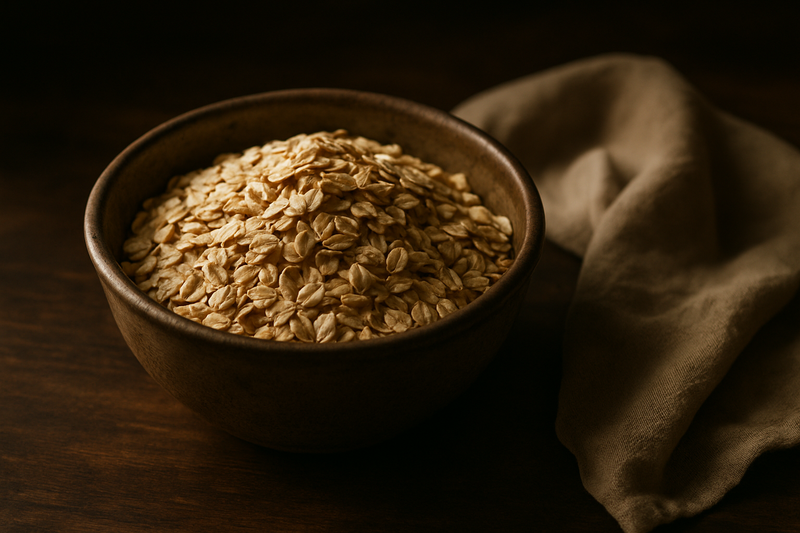
Muesli · Photograph
Muesli (loosely from the Swiss-German word for "puree" or "mash") is a cold, raw-grain breakfast mixture built on rolled oats and typically rounded out with other whole grains, nuts, seeds, and dried fruit. Created in the early 1900s by Swiss physician Maximilian Bircher-Brenner, it has since become one of the most widely eaten whole-grain cereals in Europe and is quietly growing in plant-based eating communities worldwide. Unlike its baked cousin granola, muesli arrives at your bowl uncooked and unsweetened — which, nutritionally, is a meaningful difference.
Key Nutrients
% Daily Value based on 2,000 cal diet
Key active compounds and phytochemicals
The health story of muesli is really the combined story of its ingredients' plant compounds working together:
- Beta-glucan — A viscous soluble fiber (meaning it forms a gel when mixed with liquid) found in high concentrations in oats and barley. It is the most studied compound in muesli's ingredient list, with a well-established role in lowering LDL ("bad") cholesterol and slowing the rise of blood glucose after eating.
- Avenanthramides — Phenolic alkaloids (a class of antioxidant plant compounds) found only in oats. They have shown anti-inflammatory and antioxidant effects in small human studies and may support healthy blood vessel function.
- Phenolic acids — Compounds such as ferulic acid and caffeic acid distributed across the whole grains, nuts, seeds, and dried fruits in a muesli mix. They contribute antioxidant and anti-inflammatory activity.
- Lignans (if flaxseed or sesame is included) — Phytoestrogenic polyphenols (plant compounds that can weakly mimic or modulate estrogen activity) found in seeds such as flax and sesame. Their presence depends entirely on what seeds go into a given muesli.
- Carotenoids and flavonoids (from dried fruits) — Pigmented phytochemicals in dried apricots, berries, and raisins that provide antioxidant and cell-protective effects.
Prep and pairing ideas
Muesli is one of the most forgiving foods to work with — it needs no cooking and takes well to customization.
Three practical pairings and why:
- Muesli + unsweetened soy yogurt — Soy yogurt adds complete protein (with all essential amino acids) and probiotics (live beneficial bacteria) to complement muesli's prebiotic fiber. The pairing creates a genuinely balanced, filling meal with a creamy texture — a good example of why to pair a fiber-rich grain with a protein source.
- **Muesli
How Muesli Compares
| Compared with | What's different |
|---|---|
| Muesli vs. Granola | Muesli is raw and often unsweetened, while granola is baked with oil and sweeteners until crunchy. |
| Muesli vs. Oatmeal | Muesli is served cold or soaked, whereas oatmeal is boiled to create a hot, creamy porridge. |
Health Benefits
Things to Know
Gluten content: Most muesli contains wheat, barley, or rye flakes, and even oat-only versions may be cross-contaminated. People with coeliac disease should choose certified gluten-free muesli from a dedicated gluten-free facility.
Nut and seed allergies: Almonds, walnuts, hazelnuts, cashews, sunflower seeds, and pumpkin seeds are common ingredients. Check labels carefully.
IBS and sensitive digestion: Some dried fruits (e.g., dried mango, large amounts of raisins, apricots) are high in FODMAPs (fermentable carbohydrates that can trigger gut symptoms in sensitive people). A low-FODMAP muesli version — or soaking grains overnight — can help.
Medication timing: High-fiber foods can reduce or delay absorption of certain medications, including levothyroxine (thyroid hormone), some antibiotics, and bisphosphonates (bone-health drugs). Take these on an empty stomach or separate them from high-fiber meals by a few hours. Ask your pharmacist if unsure.
Blood glucose medications: Even whole-grain muesli delivers significant carbohydrate. People using insulin or oral glucose-lowering drugs should account for this and discuss portion sizes with their care team.
Kidney disease: Whole grains, nuts, and seeds are naturally high in phosphorus and potassium, which may need limiting in chronic kidney disease. Check with your dietitian.
Young children: Whole nuts and large pieces of hard dried fruit are choking hazards for children under four. Chop finely or soak fully before serving.
Energy density: Muesli with generous nuts and dried fruit is calorie-dense. If you're managing weight, measure portions rather than pouring freely.
Pregnancy: Muesli is generally safe and can be a useful source of iron and B vitamins during pregnancy; choose a version with a good variety of grains and seeds, and pair with a vitamin C source to improve iron absorption.

Prep Ideas
- — Muesli + unsweetened soy yogurt — Soy yogurt adds complete protein (with all essential amino acids) and probiotics (live beneficial bacteria) to complement muesli's prebiotic fiber. The pairing creates a genuinely balanced, filling meal with a creamy texture — a good example of why to pair a fiber-rich grain with a protein source.
- — **Muesli
Shop This Ingredient
Stock your pantry with quality muesli.
Buy on AmazonAs an Amazon Associate, Plantopedia earns from qualifying purchases. This costs you nothing extra and helps us keep the encyclopedia free.
Frequently Asked Questions
Heart and circulation Whole-grain, oat-based muesli is one of the better-studied grain foods for cardiovascular risk markers. The mechanism runs largely through beta-glucan: when it reaches your gut, it forms a viscous gel that binds cholesterol-carrying bile acids and helps remove them from the body, which can lower LDL cholesterol over time. Large cohort studies of whole-grain diets consistently link higher intake with lower rates of coronary heart disease and cardiovascular mortality. Nuts and seeds in the mix add unsaturated fats — the kind associated with healthier blood lipid (fat) profiles — and the phenolic acids and avenanthramides from oats may support the health of blood vessel walls. Evidence is strongest for oats and whole grains as individual ingredients; controlled trials using muesli as the specific intervention are limited, so consider these benefits well-supported extrapolations rather than direct muesli-specific proof. Digestive health and microbiome This is the area where the evidence base is most robust at the dietary-pattern level. Muesli provides two types of dietary fiber: Soluble fiber (including beta-glucan) — slows digestion, feeds beneficial gut bacteria (acting as a prebiotic — food for the microbiome), and softens stool Insoluble fiber — from bran, seeds, and dried fruit — adds bulk and helps food move through the colon more efficiently, supporting bowel regularity and reducing constipation risk High-fiber diets are strongly linked in human research to a lower risk of constipation and diverticular disease (small pouches that can form in the colon wall). The traditional Bircher-style soak (leaving muesli in liquid overnight) softens the grains, which many people find gentler on the gut while retaining all the fiber benefits. If you currently eat a low-fiber diet, introduce muesli gradually to avoid temporary bloating or gas. Drink plenty of water, as fiber works best when well hydrated. Blood sugar and metabolism Muesli is typically a low-to-moderate glycemic meal — meaning it tends to raise blood glucose more slowly than refined cereals or white-bread-based breakfasts. The reasons are structural: intact whole grain particles, high fiber content, and the presence of nuts and seeds all slow gastric emptying (the rate at which food leaves your stomach) and glucose absorption. Oat beta-glucan has been shown in controlled human trials to reduce postprandial (after-meal) glucose and insulin responses at doses of around 3–4 g per day, which is achievable in a generous oat-based muesli serving. That said, most clinical data target oat beta-glucan rather than muesli specifically, and portion size still matters — a very large bowl delivers a significant carbohydrate load even from a low-GI food. For people with insulin resistance or type 2 diabetes: unsweetened, whole-grain muesli with a high proportion of rolled oats and modest dried fruit is the most blood-sugar-friendly version. Speak with your healthcare team about appropriate portions. Inflammation and recovery Oats contain avenanthramides not found in any other grain. Small human studies have linked regular oat consumption to improved endothelial function (the health of cells lining blood vessels) and reduced markers of oxidative stress (cellular damage from reactive molecules). Nuts and seeds in a muesli blend add mono- and polyunsaturated fats — including omega-3 ALA (alpha-linolenic acid) if flax or chia seeds are included — which have modest anti-inflammatory effects in human trials. These benefits are best described as emerging and pattern-based rather than proven specifically for muesli. They are most meaningful as part of a consistently plant-forward diet over time rather than from eating muesli occasionally.
This is the single most important question for getting value from muesli, so it deserves a direct answer: it depends on the product or recipe. | Form | What to know | |---|---| | Dry with cold milk or plant milk | Quick, convenient; preserves grain structure and fiber; slightly chewier texture | | Overnight soaked (Bircher-style) | Traditional Swiss preparation; grains soften; easier on sensitive digestion; no change in core nutrition | | Cooked warm like porridge | Less traditional but suits those who prefer hot breakfasts or find raw grains hard to digest | | Topping for yogurt or fruit bowls | Flexible portion control; adds crunch and whole-grain starch to other meals | | Homemade | Maximum control over grain type, sweetness, allergens, and added ingredients | | Commercial boxed muesli | Convenient; but check labels — whole-grain oats should be the first ingredient, and added sugar ideally under 5 g per serving | For whole-grain status, look for these on a commercial label: "Whole grain" or "wholegrain" before the grain name (e.g., "whole grain rolled oats") Whole grains listed as the first or second ingredient Minimal or no refined cereal flakes (often listed as "corn flakes," "rice crisps," or unnamed "cereal") Added sugar ideally 0–5 g per serving; anything above 8 g per serving starts to dilute the whole-food profile
Quick Answers
Common questions, answered in a line.
Muesli is a cold, raw-grain breakfast cereal traditionally made from rolled oats, other whole grains, nuts, seeds, and dried fruit. Unlike granola, it is served uncooked and unsweetened, providing a nutritionally dense meal that is a staple of plant-based eating.
Muesli contains beta-glucans and avenanthramides that support heart health by lowering LDL ("bad") cholesterol and improving blood vessel function. These compounds, found primarily in oats and barley, also help slow the rise of blood glucose after meals.
Most muesli contains wheat, barley, or rye, which contain gluten, and even oat-based versions may be cross-contaminated during processing. Individuals with coeliac disease should only consume muesli that is certified gluten-free from a dedicated facility.
You can pair muesli with unsweetened soy yogurt to add complete protein and probiotics, or soak the grains overnight to make them easier to digest. Because it is raw, it is highly customizable and can be mixed with various liquids to reach a creamy texture.
High-fiber foods like muesli can reduce or delay the absorption of medications such as levothyroxine, certain antibiotics, and bisphosphonates. It is recommended to take these medications on an empty stomach or separate them from high-fiber meals by several hours.
Muesli provides a combination of prebiotic fiber and polyphenols like phenolic acids and lignans that support healthy digestion and provide anti-inflammatory effects. For those with sensitive digestion or IBS, soaking the grains overnight can help improve tolerance.
Muesli is calorie-dense because it often contains concentrated energy sources like nuts, seeds, and dried fruits. To support weight management goals, it is suggested to measure portions carefully rather than pouring the cereal freely.
For Readers in the USA
Local context — sourcing, seasonality, and regional notes.
Most major US grocery stores like Whole Foods, Trader Joe’s, and Kroger stock muesli in the cereal or "natural foods" aisle. You can also find premium, small-batch varieties at local farmers markets or through specialty retailers like Bob's Red Mill based in Oregon.
In the US, look for the USDA Organic seal and the "100% Whole Grain" stamp from the Whole Grains Council to ensure you are getting a minimally processed product. Because muesli is not a standardized term by the FDA, checking for these labels helps confirm the quality of the grains and absence of synthetic pesticides.
While muesli is a year-round staple, Americans often customize it seasonally with fresh berries and peaches in the summer or roasted pecans and apples in the fall. In the winter, many US consumers transition to "Bircher style" muesli, soaking the oats overnight in the refrigerator with seasonal apple cider or almond milk.
The primary difference in the American market is that muesli is raw and contains no added oils or syrups, whereas granola is toasted with sweeteners and fats. This makes muesli a lower-calorie, lower-sugar option found in US "health food" sections compared to the more dessert-like profile of many commercial granolas.
AI Clinical Review
- Emphasizes unsweetened, oat‑forward muesli as a practical way to meet whole‑grain and fiber goals—consistent with cardiovascular and metabolic benefits seen for oats and whole grains generally.
- Clearly explains beta‑glucan (a soluble fiber) as the main evidence‑based driver of LDL cholesterol lowering and steadier post‑meal glucose.
- Distinguishes muesli from granola (uncooked, typically no added oils or sugars), a difference that can meaningfully change calorie and sugar intake.
- Notes digestion benefits from both soluble and insoluble fiber and the usefulness of soaking for those with sensitive guts.
- Avenanthramides (oat antioxidants) show promising anti‑inflammatory and vascular effects, but human trials are small and not muesli‑specific.
- Observational links between muesli/whole‑grain cereal eaters and lower BMI or mortality cannot prove causation; healthier lifestyle patterns may contribute.
- The glycemic impact of “muesli” varies by recipe (oats vs. other grains, nuts, seeds, dried fruit) and portion size; standardized GI/GL values for blends are limited.
- Microbiome benefits are plausible via prebiotic fibers, but specific changes in gut bacteria and clinical outcomes remain variable across studies.
- For cholesterol support, aim for about 3 g/day of oat beta‑glucan; many people reach this with a generous oat‑heavy serving (roughly 60–90 g dry oats), but amounts vary—check labels.
- Start with 1/3–1/2 cup (30–50 g) dry and increase gradually with adequate fluids; pairing with protein (e.g., dairy or soy yogurt/milk) can improve satiety and glucose responses.
- Cautions: choose certified gluten‑free options for celiac disease; manage nuts/seeds for allergies; consider low‑FODMAP adjustments (limit certain dried fruits, soak) for IBS.
- Medication and medical conditions: separate high‑fiber meals from levothyroxine, some antibiotics, and bisphosphonates by several hours; those with chronic kidney disease may need to moderate potassium/phosphorus; chop/soak to reduce choking risk in young children.
For grain products, clarify whole-grain vs refined where relevant.
References
- PMC, National Library of Medicine — Is it as Simple as Adding a Bowl of Muesli? (pmc.ncbi.nlm.nih.gov)
- PubMed — Muesli Intake May Protect Against Coronary Artery Disease: Mendelian Randomization on 13 Dietary Traits (pubmed.ncbi.nlm.nih.gov)
- PubMed — The protective effect of muesli consumption on diabetes risk: Results from 12 years of follow-up in the Australian Longitudinal Study on Women's Health (pubmed.ncbi.nlm.nih.gov)
- PMC, National Library of Medicine — Muesli Intake May Protect Against Coronary Artery Disease: Mendelian Randomization on 13 Dietary Traits (pmc.ncbi.nlm.nih.gov)
- USDA FoodData Central — USDA FoodData Central (fdc.nal.usda.gov)
- Frontiers — Frontiers | Causal relationship of cereal intake and type with cardiovascular disease: a Mendelian randomization study (frontiersin.org)
- ScienceDirect — S2772963X24000668 (sciencedirect.com)
Know Your Numbers
Eating healthy is a start. Now get to know your biomarkers.
Food changes bloodwork — inflammation, lipids, blood sugar and nutrient status all respond to what you eat. 59 markers from $59.
- Results in 7–10 days at 2,000+ Quest sites
- Licensed provider reviews every result
- One flat price, no membership, HSA/FSA eligible
Educational information only, not medical advice. Panels are ordered and reviewed through our licensed partner; Plantopedia may earn a commission.