Nopales (Cactus Paddles) — health benefits and uses
A traditional Mexican food and folk remedy for blood sugar and digestion.
The Short Answer
Nopales are nutrient-dense cactus paddles that provide 244 mg of calcium and 70 mg of magnesium per cooked cup. They are primarily used to help manage blood sugar levels due to their high soluble fiber and pectin content.
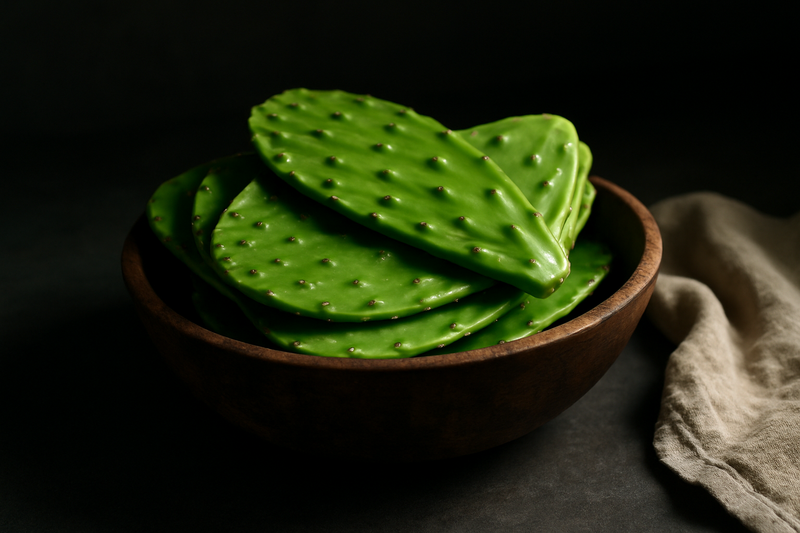
Nopales (Cactus Paddles) · Photograph
Discover the science-backed nopales health benefits and how to use cactus paddles in everyday meals. From blood sugar support to gut-friendly fiber, this guide covers nutrition facts, safe prep, cooking tips, and what the research actually says.
Key Nutrients
% Daily Value based on 2,000 cal diet
Key active compounds
The benefits attributed to nopales trace back to a specific set of phytochemicals (plant-made compounds) and structural fibers:
- Pectin — A soluble, gel-forming fiber in plant cell walls. Slows stomach emptying and carbohydrate absorption, which may help moderate blood sugar after meals and modestly support cholesterol levels over time.
- Mucilage — Viscous, water-holding polysaccharides (long-chain sugars) that give cooked nopales their slippery feel. They form protective gels in the gut, support stool moisture, and contribute to the sensation of fullness.
- Hemicellulose — A structural carbohydrate in the cell wall that adds stool bulk and feeds beneficial gut bacteria through fermentation.
- Beta-carotene — An orange-red carotenoid (plant pigment) that the body converts into vitamin A. Acts as an antioxidant and supports vision and immune function.
- Polyphenolic antioxidants — Various phenolic compounds found throughout the cactus pad. They can neutralize free radicals (unstable molecules that damage cells) in laboratory studies, though evidence in humans is still limited.
Prep and pairing ideas
How to clean and cook cactus paddles without slime
- Wear gloves. Hold the pad at the base with tongs or a thick cloth.
- Remove large spines with a sharp knife or vegetable peeler, working away from you.
- Remove glochids by scrubbing under cold running water with a stiff brush, or carefully singeing them off with a gas flame before peeling.
- Trim the edges and base where spines cluster densely.
- Rinse thoroughly. Pat dry.
To reduce mucilage: Boil diced nopales in unsalted water for 8–10 minutes, then drain and rinse under cold water. This significantly reduces slipperiness.
To keep flavor: Grill whole pads or thick strips over medium-high heat for 3–4 minutes per side until lightly charred. The dry heat minimizes mucilage naturally.
Common pairings
| Pairing | Why it works |
|---|---|
| Nopales + black beans + cumin | The fiber from both combines for a filling, blood-sugar-friendly taco or burrito filling; cumin adds earthy depth and aids digestion. |
| Grilled nopales + tomato + cilantro + lime | A classic ensalada de nopales — the acid from lime brightens flavor and helps balance the mild bitterness of the pad. |
| Diced nopales + silken tofu + turmeric + onion | An egg-free scramble base; nopales add moisture and texture while tofu provides protein; turmeric contributes color and antioxidant compounds. |
Bottom line
Nopales are a genuinely nutrient-dense vegetable that earns its place in a whole-food, plant-based diet. The evidence is strongest for blood sugar management — small human trials show a real, measurable blunting of after-meal glucose spikes when nopales are added to mixed meals. Their fiber profile also makes a credible case for digestive support, and their mineral content (especially calcium and magnesium) is a meaningful bonus for a non-leafy vegetable.
Where the evidence is thinner — direct cholesterol lowering, anti-inflammatory effects, weight loss — nopales still fit naturally as part of an overall high-fiber, plant-rich diet that does have strong support for all of those outcomes.
The main practical barrier is unfamiliarity. Once you know how to de-spine them safely and cook out excess sliminess, nopales are versatile, affordable, and genuinely enjoyable. Start with a grilled pad alongside your next grain bowl, or dice them into a salsa — and go from there.
Explore more ingredients by goal at Plantopedia Goals.
How Nopales (Cactus Paddles) Compares
| Compared with | What's different |
|---|---|
| Nopales (Cactus Paddles) vs. Aloe Vera | Nopales have a tart, green bean flavor and a mucilaginous texture, while aloe is more bitter and medicinal. |
| Nopales (Cactus Paddles) vs. Prickly Pear Fruit | Nopales are the flat, edible pads (stems), while prickly pears are the sweet, seedy fruits of the same plant. |
| Nopales (Cactus Paddles) vs. Green Beans | Nopales contain 164% more calcium per cup and have a signature okra-like slipperiness when boiled. |
Health Benefits
Things to Know
Remove every spine and glochid.: Glochids are the tiny, hair-like bristles that surround the larger spines. Both can cause skin and mucosal irritation and are easy to miss. Use thick gloves, a brush, or a flame-singed cleaning method — and rinse well.
The slimy texture is normal and healthy.: It reflects the mucilage and pectin in the pad. Boiling and rinsing reduces it if you find it off-putting.
Diabetes and blood-sugar medications: Nopales can lower postprandial glucose. If you take insulin, metformin, sulfonylureas, or other hypoglycemic drugs, monitor your blood sugar closely when adding large, regular portions, and inform your healthcare provider.
High-fiber sensitivity: People with irritable bowel syndrome (IBS), inflammatory bowel disease (IBD), or generally sensitive digestion should introduce nopales slowly — start with 1–2 small pads per meal and build up gradually.
Medication timing: Large fiber-rich meals can impair absorption of some medications, including certain thyroid hormones (e.g., levothyroxine) and some antibiotics. Space these medications away from high-nopales meals by at least one to two hours, or as directed by your pharmacist.
Pregnancy and supplements: Culinary portions of nopales are generally considered safe. Concentrated nopal supplements have limited safety data in pregnancy or breastfeeding; avoid high-dose extracts without medical guidance.
Cactus allergy: Rare but possible. Introduce nopales cautiously if you have known cactus-family or cross-reactive fruit and vegetable allergies.
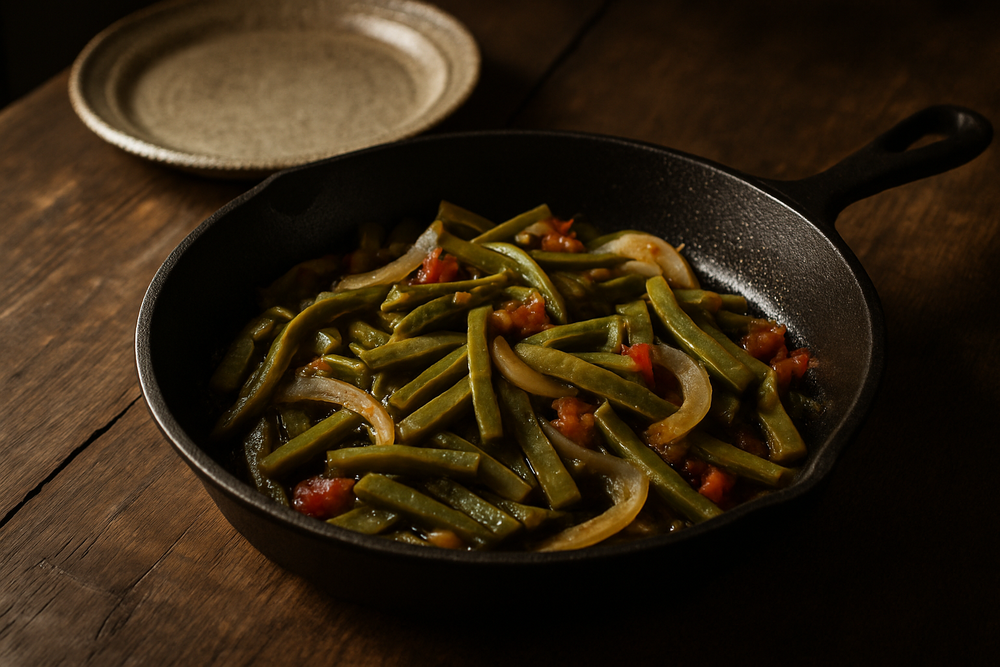
Prep Ideas
- — **Wear gloves.** Hold the pad at the base with tongs or a thick cloth.
- — **Remove large spines** with a sharp knife or vegetable peeler, working away from you.
- — **Remove glochids** by scrubbing under cold running water with a stiff brush, or carefully singeing them off with a gas flame before peeling.
- — **Trim the edges and base** where spines cluster densely.
- — **Rinse thoroughly.** Pat dry.
Shop This Ingredient
Stock your pantry with quality nopales (cactus paddles).
Buy on AmazonAs an Amazon Associate, Plantopedia earns from qualifying purchases. This costs you nothing extra and helps us keep the encyclopedia free.
Frequently Asked Questions
Heart and circulation Nopales are virtually fat-free, contain no cholesterol, and are very low in sodium when cooked without added salt. The potassium and magnesium they supply are both linked to healthier blood pressure in population studies, and their soluble fiber is associated with modest LDL ("bad") cholesterol reduction in broader dietary research. That said, direct human trials measuring cholesterol or blood pressure outcomes from eating cactus paddles specifically are limited. Most of the cardiometabolic data in the literature focuses on prickly pear fruit or concentrated cactus extracts rather than the culinary pads. The heart-health case for nopales is therefore built mainly on their nutrient composition and their fit within a high-fiber, vegetable-rich eating pattern — which has a strong evidence base in its own right. Digestive health and gut-friendly fiber One cup of cooked nopales contributes about 3 g of dietary fiber — roughly 11% of the daily value — much of it as the soluble varieties, pectin and mucilage. These fibers absorb water and form gels that slow the movement of food through the stomach, soften stools, and feed beneficial gut bacteria through fermentation. The nopales-specific digestive evidence is mostly inferred from fiber science rather than large clinical trials targeting nopales directly. Still, the fiber profile is well characterized and consistent with what we know supports bowel regularity. One practical note: if you're new to nopales, increase your portion gradually. The fermentable fibers can cause gas or loose stools when added too quickly. Drinking plenty of water helps. Blood sugar and metabolism This is where nopales have the strongest direct human evidence. A crossover study published in Diabetes Care had adults with type 2 diabetes eat typical Mexican breakfasts with or without 85 g of cooked nopales. The nopales breakfasts produced significantly lower postprandial (after-meal) blood glucose peaks, and nopales themselves had a glycemic index (a measure of how quickly a food raises blood sugar, on a scale of 0–100) of approximately 7 — extremely low. The mechanism appears to be the combined effect of their very low carbohydrate content, their soluble fiber slowing digestion, and their mucilage gelling around other carbohydrates in the meal. It's worth noting this was a small, short-term study, and long-term outcomes or effects in people with prediabetes or type 1 diabetes are not yet well documented. Nopales are a genuinely useful blood-sugar-friendly food, but they are not a replacement for prescribed diabetes medication. Inflammation and recovery Nopales contain vitamin C, beta-carotene, and polyphenolic antioxidants that can neutralize free radicals in lab models. Human data on anti-inflammatory effects are sparse, and most studies have used prickly pear fruit or cactus extracts rather than ordinary cooked pads. Including nopales as part of a vegetable-rich diet can meaningfully contribute to your overall antioxidant intake, but they should not be positioned as a standalone anti-inflammatory therapy.
People managing blood sugar on a whole-food, plant-based diet Very low glycemic index means they add bulk and texture to meals without spiking glucose. The fiber slows digestion of other foods eaten in the same meal. A practical swap for starchy fillers in tacos, burritos, and breakfast scrambles. People looking to increase fiber and mineral intake with minimal calories One cup provides 19% of the daily calcium value — unusually high for a non-leafy vegetable. The 3 g of fiber per cup counts toward daily fiber goals without adding significant calories. Pairs well with legumes and greens for a mineral-dense, high-fiber plate.
Fresh, de-spined cactus pads (diced or whole) are the most nutrient-intact option and the form used in clinical research. Sautéing, grilling, or briefly boiling and draining all work well. Grilled strips or whole paddles concentrate flavor nicely and reduce excess mucilage through dry heat. Great for fajitas, tacos, and grain bowls. Boiled then rinsed nopales significantly reduce surface sliminess. This method was used in the blood-sugar study and is a good choice for people sensitive to the mucilaginous texture. Drain and rinse after boiling. Pickled nopales (jars) are convenient and shelf-stable. Check labels for sodium — some brands add significant salt. Fiber content is preserved; some vitamins may be reduced. Nopal powder or encapsulated supplements are dried, concentrated, and very different from culinary servings in terms of dose and composition. Human evidence for supplements is limited and mixed. Prefer the food form whenever possible. Juice or smoothies retain fiber if the whole pad is blended. Be mindful of what you pair them with — sweet fruit can raise the overall glycemic load of the drink.
There is no established official daily dose for nopales as a supplement or therapeutic food. As a culinary vegetable, typical Mexican cooking uses roughly 1–2 cups (about 2–6 medium pads, or 100–200 g) per meal, and the most cited blood-sugar study used 85 g of cooked nopales (about ½ to 1 cup) added to breakfast. For most healthy adults, 1–2 cups of cooked nopales several times per week is a realistic and well-tolerated target. If you're new to nopales, start with one small pad (about ½ cup cooked) and increase over one to two weeks to give your gut microbiome time to adjust to the fermentable fibers. People with diabetes who wish to eat nopales regularly should discuss portion sizes with their healthcare team, especially if adjusting medications.
Quick Answers
Common questions, answered in a line.
Nopales are rich in pectin, mucilage, hemicellulose, beta-carotene, and polyphenolic antioxidants. These compounds work together to slow carbohydrate absorption, support gut bacteria, and provide the body with essential vitamin A for immune function.
To reduce the slimy texture of nopales, boil diced paddles in unsalted water for 8 to 10 minutes, then drain and rinse them under cold water. Alternatively, grilling whole pads over medium-high heat uses dry heat to minimize mucilage naturally while adding a charred flavor.
Nopales help manage blood sugar by using soluble fibers like pectin to slow down stomach emptying and carbohydrate absorption. Small human trials have shown that adding cactus paddles to meals can measurably blunt glucose spikes after eating.
When preparing fresh cactus paddles, you must remove both the large spines and the tiny, hair-like bristles called glochids. Use a sharp knife or vegetable peeler for large spines, and scrub the pads with a stiff brush under running water or singe them with a gas flame to remove glochids.
People taking blood sugar medications like insulin or metformin should monitor their glucose levels closely, as nopales can further lower post-meal blood sugar. Additionally, the high fiber content may interfere with the absorption of thyroid hormones and certain antibiotics if taken too close together.
Nopales support digestive health through mucilage, which protects the gut lining and keeps stools moist, and hemicellulose, which adds bulk and feeds beneficial gut bacteria. These structural fibers promote regularity and contribute to a feeling of fullness.
For Readers in the USA
Local context — sourcing, seasonality, and regional notes.
In the United States, nopales are most widely available at Mexican grocery stores (supermercados) and major chains like H-E-B, Kroger, and Whole Foods. Look for them in the produce section either as whole paddles or pre-diced in bags for convenience.
While available year-round due to imports from Mexico, U.S.-grown nopales are at their peak from spring through early summer. During these months, you are more likely to find tender, young paddles (nopalitos) at farmers markets in states like Texas, Arizona, and California.
Nopales are primarily grown in the Southwestern United States, particularly in USDA Hardiness Zones 9 through 11, including California, Arizona, New Mexico, and Texas. These regions offer the arid climate and sandy soil necessary for the Prickly Pear cactus to thrive.
The USDA does not have specific grading standards for nopales, but you should look for the USDA Organic seal if you want to ensure they were grown without synthetic pesticides. When buying, ensure the paddles are firm and bright green, as limp or yellowing pads indicate age.
AI Clinical Review
- Nopales are a very low‑calorie, fiber‑rich vegetable that contributes meaningful minerals (notably calcium and magnesium) and fits well in plant‑forward eating.
- The strongest human data relate to post‑meal blood sugar: small crossover trials show that adding cooked nopales to mixed meals can blunt glucose spikes, likely via soluble fibers (pectin/mucilage) that slow digestion.
- Practical guidance on safe prep (fully removing spines/glochids) and texture management (boil/rinse or grill) is accurate and useful.
- The food‑first stance is appropriate: evidence for whole pads is more relevant to everyday eating than for powders or capsules.
- Most studies are small and short‑term; durable effects on A1C, weight, cholesterol, or blood pressure haven’t been established for cactus pads specifically.
- Much of the cardiometabolic and anti‑inflammatory literature involves prickly pear fruit or extracts, which may not translate directly to culinary nopales.
- Reported nutrient values (especially calcium) can vary by species, pad maturity, growing conditions, and preparation; treat numbers as estimates rather than absolutes.
- Glycemic index figures for nopales are very low, but exact values can differ by cooking method and meal context.
- Portion and tolerance: starting around ½–1 cup cooked (≈85–150 g) and increasing gradually helps minimize gas or loose stools from fermentable fibers; drink adequate fluids.
- Medication interactions: because nopales can lower post‑meal glucose, people on insulin or other hypoglycemics should monitor closely; separate high‑fiber meals from levothyroxine or certain antibiotics by 1–2 hours (per clinician/pharmacist advice).
- Form matters: jarred/pickled nopales can be high in sodium—check labels or rinse; supplements (powders/capsules) have limited, mixed human evidence and variable quality.
- Safety: remove all spines and glochids before eating; introduce cautiously if you have cactus‑family or cross‑reactive allergies; culinary amounts are generally considered safe in pregnancy, but avoid high‑dose extracts without medical guidance.
Remove all spines and glochids carefully; mucilaginous texture is normal.
References
- USDA FoodData Central — Nopales, raw (nutrient composition data) (fdc.nal.usda.gov)
- Diabetes Care human trial — Nopales lower postprandial glucose in type 2 diabetes (Frati-Munari et al. / López-Romero et al.) (diabetesjournals.org)
- PMC — Chemical analysis of nutritional content of prickly pear cactus pads (Opuntia spp.) (pmc.ncbi.nlm.nih.gov)
- HortScience — Human health discoveries with Opuntia species (review of nutritive and health aspects) (journals.ashs.org)
- Medical News Today — Nopal cactus: benefits, recipes, and nutrition overview (medicalnewstoday.com)
- Verywell Health — Nopal cactus nutrition, benefits, and safety summary (verywellhealth.com)
- Nutrition and You — Nopales nutrition facts and health benefits (nutrition-and-you.com)
- USDA MyPlate — Vegetables: why they matter and how to include more (myplate.gov)
- Your Latina Nutritionist — Are nopales healthy? Dietitian breakdown of nopales nutrition (yourlatinanutritionist.com)
Know Your Numbers
Eating healthy is a start. Now get to know your biomarkers.
Food changes bloodwork — inflammation, lipids, blood sugar and nutrient status all respond to what you eat. 59 markers from $59.
- Results in 7–10 days at 2,000+ Quest sites
- Licensed provider reviews every result
- One flat price, no membership, HSA/FSA eligible
Educational information only, not medical advice. Panels are ordered and reviewed through our licensed partner; Plantopedia may earn a commission.