Pecan Butter — health benefits and uses
Healthy fats, minerals, and texture; small-amount high-leverage add-in
The Short Answer
Pecan butter is a nutrient-dense spread providing 186 calories and 19g of healthy fats per 2-tablespoon serving. It is exceptionally high in manganese, providing 44% of the Daily Value, and contains heart-healthy ellagic acid and oleic acid.
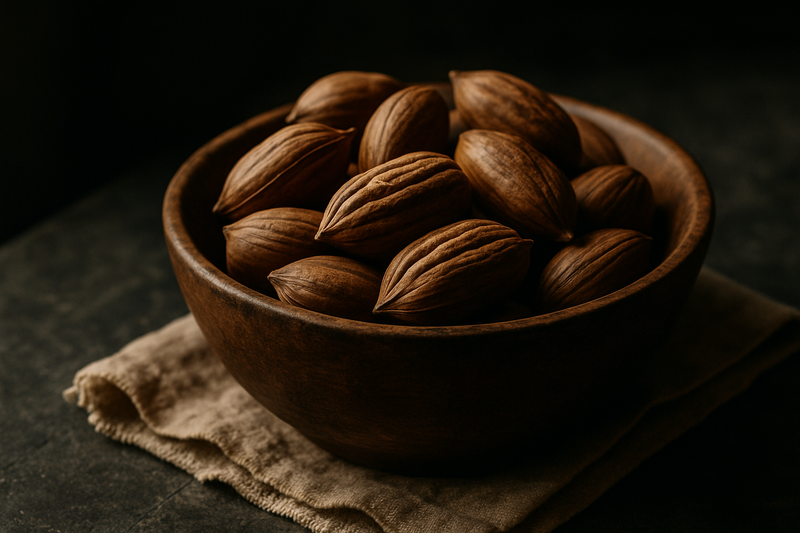
Pecan Butter · Photograph
Pecan butter is exactly what it sounds like: whole pecans (Carya illinoinensis) ground into a rich, spreadable paste, usually with nothing added but a pinch of salt. It is one of the more underrated members of the nut butter family — softer in flavor than walnut butter, creamier in texture than almond butter, and loaded with a mineral and healthy-fat profile that makes it genuinely worth a spot in a whole-food pantry.
Key Nutrients
% Daily Value based on 2,000 cal diet
Key active compounds in pecan butter
Understanding why pecan butter may support health starts with knowing what is actually in it.
- Ellagic acid — A polyphenol (a type of plant antioxidant compound) found in pecans and some berries. It helps neutralize free radicals (unstable molecules that can damage cells) and may play a role in reducing oxidative damage to blood vessel walls.
- Proanthocyanidins — A subgroup of polyphenols with antioxidant and mild anti-inflammatory potential. Pecans rank among the top nuts for proanthocyanidin content.
- Phytosterols — Plant sterols that are structurally similar to cholesterol and can mildly compete with cholesterol for absorption in the gut, supporting modest LDL reductions.
- Tocopherols — The chemical family that includes vitamin E. They act as fat-soluble antioxidants, protecting the unsaturated fats in pecans (and your own cell membranes) from oxidation.
- Oleic acid — The primary monounsaturated fat in pecans, also the main fat in olive oil, associated with heart-healthy fat patterns in large dietary studies.
Prep and pairing ideas
Pecan butter is one of the more versatile nut butters in the kitchen because its flavor is naturally buttery, slightly sweet, and not as dominant as walnut or peanut butter. Here are three practical pairings that work nutritionally and culinarily:
1. Pecan butter + oatmeal + sliced banana Stir 1 tablespoon of pecan butter into warm oats and top with banana slices. The pecan butter adds healthy fat and minerals; the oats and banana contribute soluble fiber and potassium. The fat in the pecan butter slows carbohydrate absorption from the oats, supporting more stable blood sugar through the morning.
2. Pecan butter + apple slices + cinnamon Use pecan butter as a dip for apple slices. The fiber and pol
How Pecan Butter Compares
| Compared with | What's different |
|---|---|
| Pecan Butter vs. Walnut Butter | Pecan butter is creamier and naturally sweeter, while walnut butter is more earthy and bitter. |
| Pecan Butter vs. Almond Butter | Pecan butter contains significantly more manganese per serving (44% DV) and has a softer texture. |
Health Benefits
Things to Know
Tree nut allergy: Pecan butter must be avoided by anyone with a known or suspected tree nut allergy. Reactions can be severe, including anaphylaxis (a rapid, life-threatening allergic response). People with peanut allergy should check for shared manufacturing lines (cross-contact risk) and consult an allergist.
Choking risk in young children: Thick nut butters can be a choking hazard for toddlers and young children. Thin it across soft foods or stir into purees rather than serving in large globs.
Calorie density: At ~196 kcal per 2 tablespoons, pecan butter is one of the more energy-dense foods you can eat. People managing weight should use it as a swap, not an add-on.
GERD and sensitive digestion: High-fat foods can relax the lower esophageal sphincter and worsen reflux symptoms in some people. Smaller portions (1 teaspoon to 1 tablespoon) eaten as part of a mixed meal may be better tolerated.
Fat-restricted medical diets: Individuals with certain pancreatic, gallbladder, or malabsorption conditions on medically prescribed low-fat diets should discuss nut butter use with their healthcare team before adding it regularly.
Chronic kidney disease (CKD): Pecans contain potassium, phosphorus, and protein that may need monitoring in CKD. A renal dietitian can determine appropriate portions.
Medication considerations: No well-documented direct drug interactions exist for pecan butter. However, significant dietary fat changes can influence weight, blood pressure, and lipids, which may affect dosing needs for blood pressure medications, statins, or diabetes medications. Pecan butter is low in vitamin K, so it is not a primary warfarin concern, but maintaining consistent dietary patterns is still advisable for anyone on anticoagulation therapy.
GLP-1 receptor agonist users: These medications (used for diabetes or weight management) already increase satiety; combining them with calorie-dense foods like pecan butter requires careful attention to total calorie intake.
Introduce gradually: If you are not used to high-fat or high-fiber foods, start with 1 teaspoon and work up to avoid GI upset.

Shop This Ingredient
Stock your pantry with quality pecan butter.
Buy on AmazonAs an Amazon Associate, Plantopedia earns from qualifying purchases. This costs you nothing extra and helps us keep the encyclopedia free.
Frequently Asked Questions
Most of the human research on pecans uses whole nuts, not pecan butter. However, because unsweetened pecan butter is nutritionally equivalent to whole pecans on a per-gram basis (same fats, fiber, minerals, and polyphenols), researchers and dietitians generally expect similar effects when portions are matched. Where pecan-butter–specific data exist, they are noted below. Heart and circulation Evidence level: Moderate Clinical trials using pecan-rich diets (roughly 1.5–3 oz of whole pecans per day) have shown improvements in total cholesterol, LDL cholesterol (the "bad" type linked to arterial plaque), and other cardiovascular risk markers compared with typical Western diets. The mechanisms make biological sense: pecans are high in monounsaturated fat and polyunsaturated fat, low in saturated fat, and rich in phytosterols and antioxidants that may reduce LDL oxidation — a process thought to be central to artery damage. For everyday use, 1–2 tablespoons of pecan butter used in place of butter, cream cheese, or other saturated fat sources is the practical application. Research-level doses (3–6 tablespoons per day) are higher than most people would realistically eat and come with a significant calorie load. Digestive health and microbiome Evidence level: Emerging Pecan butter provides roughly 2.5 g of dietary fiber per 2-tablespoon serving. Fiber supports stool bulk, regularity, and feeds beneficial gut bacteria. Because pecans are ground into butter, the product can be easier to eat for people who have difficulty chewing whole nuts — and it still delivers the fiber and micronutrients when no straining or oil-adding occurs. There are no human trials looking specifically at pecan butter and gut outcomes, but the fiber contribution to overall daily intake is real and meaningful. Note: very large servings may cause bloating or loose stools in sensitive individuals. Blood sugar and metabolism Evidence level: Emerging Human studies on mixed tree nut diets consistently show that replacing high-glycemic snacks or refined carbohydrate foods with nuts can blunt post-meal blood sugar spikes and modestly improve fasting glucose and HbA1c (a 3-month average blood sugar marker) in people with insulin resistance or type 2 diabetes. Pecan butter's near-zero sugar content, combined with its fat, fiber, and protein, slows gastric emptying — the rate at which food moves from your stomach to your small intestine — which in turn softens the blood sugar response to the rest of the meal. Portion-controlled use (1 tablespoon) as a swap for sugary spreads is the appropriate everyday strategy. Always coordinate blood sugar management with your healthcare team. Inflammation and recovery Evidence level: Emerging Intervention studies with tree nuts, including pecans, show modest improvements in markers of oxidative stress — including reductions in oxidized LDL (a form of LDL that has been damaged by free radicals and is considered particularly harmful to blood vessels) — and improvements in overall antioxidant capacity. Evidence is not consistent across all inflammatory markers, and no trials isolate pecan butter specifically. The antioxidant compounds in pecan butter (ellagic acid, tocopherols, proanthocyanidins) plausibly contribute to these effects, but pecan butter should be framed as part of an overall anti-inflammatory pattern — fruits, vegetables, whole grains, legumes, and nuts together — rather than a stand-alone solution. Satiety and weight management Evidence level: Emerging Observational research consistently finds that regular nut consumers tend to weigh less and gain less weight over time despite nuts' high calorie density. The likely explanation: a combination of high satiety, slower digestion, and incomplete absorption of the fat in nuts. Pecan butter's fat, fiber, and protein combination can increase fullness and help reduce appetite when used thoughtfully. The critical phrase is used as a replacement, not an addition. Adding 2 tablespoons of pecan butter on top of your usual daily intake adds roughly 196 kcal; swapping it for a less nutritious high-calorie food keeps the calorie ledger balanced while upgrading nutrient quality.
The short answer: 100% unsweetened pecan butter, roasted or raw, with only optional salt, is the closest to the whole-food source and the best fit for a whole-food, plant-based (WFPB) approach. Here is how the main forms compare: | Form | What it is | Best for | |---|---|---| | Roasted, unsweetened | Toasted pecans blended smooth; often just pecans + salt | Everyday use; most spreadable; richest aroma | | Raw, unsweetened | Untoasted pecans blended; slightly milder, grassy flavor | Those preferring minimal processing | | Crunchy style | Ground pecans with reserved larger pieces stirred in | Toast, grain bowls; textural contrast | | Flavored (maple, cinnamon, etc.) | Added sweeteners, oils, or spices | Occasional treat; check labels for added sugars and refined oils | Buying guide tip: The ingredient list of a quality pecan butter should read: pecans (and optionally salt). If you see added sugar, palm oil, or partially hydrogenated oil in the first few ingredients, it shifts away from the whole-food profile. Look for natural oil separation at the top of the jar — that is a sign no stabilizers were added. Stir and refrigerate after opening.
Quick Answers
Common questions, answered in a line.
Pecan butter is rich in ellagic acid, proanthocyanidins, phytosterols, tocopherols (vitamin E), and oleic acid. These compounds act as antioxidants and anti-inflammatories that help neutralize free radicals and support heart health by protecting blood vessel walls.
Pecan butter supports heart health through monounsaturated fats like oleic acid and phytosterols, which can help reduce LDL cholesterol. It also contains tocopherols and ellagic acid that protect cell membranes and blood vessels from oxidative damage.
Pairing pecan butter with fiber-rich foods like oatmeal or fruit can help stabilize blood sugar by slowing down carbohydrate absorption. This combination prevents rapid glucose spikes, providing more consistent energy levels throughout the morning.
Pecan butter is energy-dense, containing approximately 196 calories per 2 tablespoons. Because of its high calorie density, it is recommended to use it as a food swap rather than an add-on if you are managing your weight.
Individuals with tree nut allergies must avoid pecan butter because it can cause severe reactions, including life-threatening anaphylaxis. Those with peanut allergies should also be cautious of cross-contact risk if the butter was produced on shared manufacturing lines.
People with chronic kidney disease (CKD) should monitor their intake of pecan butter because it contains potassium, phosphorus, and protein. It is best to consult a renal dietitian to determine safe portion sizes for your specific needs.
Pecan butter can be a choking hazard for toddlers and young children due to its thick, sticky consistency. To serve it safely to children, thin it out across soft foods or stir it directly into purees instead of serving large spoonfuls.
For Readers in the USA
Local context — sourcing, seasonality, and regional notes.
The United States is the world's leading producer of pecans, with the majority of the crop grown in Georgia, New Mexico, and Texas. While pecans are harvested in the fall, pecan butter is available year-round at major retailers and specialty food stores across the country.
Look for the 'USDA Organic' seal on pecan butter jars to ensure the nuts were grown without synthetic pesticides and processed according to federal organic standards. This certification is governed by the USDA National Organic Program and is widely available at health food chains like Whole Foods or Sprouts.
You can find pecan butter at major US grocery chains like Trader Joe's, Kroger, and Whole Foods, as well as via local producers at farmers markets in the Southern US. Many Americans also purchase artisanal varieties through online marketplaces or directly from pecan orchards in states like Georgia and Texas.
In the United States, pecan butter is often used as a regional alternative to peanut butter in Southern cuisine, frequently appearing in flapjack toppings, spread on cornbread, or swirled into sweet potato dishes. It has gained national popularity as a 'gourmet' nut butter used in smoothies and keto-friendly snacks.
AI Clinical Review
- Pecan butter’s core nutrients are accurately described: mostly monounsaturated fat (MUFA), fiber, and minerals like magnesium, copper, and manganese, with polyphenol antioxidants (e.g., ellagic acid).
- Cardiovascular takeaways are sound: benefits seen with pecan-rich diets likely stem from replacing saturated fats with MUFA, phytosterols (plant sterols), and antioxidant compounds that can reduce LDL (“bad”) cholesterol and its oxidation.
- The emphasis on portion size and using 1–2 tablespoons as a replacement (not an add‑on) aligns with evidence on calorie density and satiety.
- Practical buying advice—choose 100% pecans (optional salt), expect natural oil separation, and refrigerate after stirring—is appropriate for a whole‑food approach.
- Most human trials study whole pecans, not pecan butter specifically; it’s reasonable to infer similar effects when portions match, but direct butter‑specific data are limited.
- Cardiometabolic improvements reported in studies are modest and depend on overall dietary pattern and substitution; long‑term outcomes (e.g., events) aren’t established.
- Evidence for gut microbiome, inflammation, and recovery markers is mixed across nut studies, and pecan‑butter–specific randomized trials are lacking.
- Weight management data are largely observational; individual energy compensation (how much you naturally “make room” for added calories) varies.
- Typical everyday portion: 1–2 tablespoons (about 30–32 g, ~190–200 kcal). Start smaller (1 teaspoon) if you’re sensitive to high‑fat foods or new to nut butters.
- Safety: avoid entirely with tree‑nut allergy; consider cross‑contact if you have peanut allergy. Thick nut butters can be a choking risk for young children—thin and spread lightly.
- Medical considerations: large, high‑fat portions may aggravate reflux (GERD); those with gallbladder, pancreatic, or fat‑malabsorption disorders, chronic kidney disease, or on GLP‑1 medications should individualize portions with a clinician.
- For cardiometabolic goals (cholesterol, glucose), benefits come from substitution—use pecan butter in place of butter/cream cheese/sugary spreads; unsalted, unsweetened varieties are best for most people.
Mention allergy context where appropriate; keep serving size realistic.
References
- PMC, National Library of Medicine — Pecans and Human Health: Distinctive Benefits of an American Nut (pmc.ncbi.nlm.nih.gov)
- PMC, National Library of Medicine — Dose-Response Effects of Pecan Consumption on Blood Lipid Profiles in Adults with Excess Body Weight and/or Dyslipidemia: a Randomized Controlled Trial (pmc.ncbi.nlm.nih.gov)
- PubMed — Consuming pecans as a snack improves lipids/lipoproteins and diet quality compared with usual diet in adults at increased risk of cardiometabolic diseases: a randomized controlled trial (pubmed.ncbi.nlm.nih.gov)
- PubMed — A monounsaturated fatty acid-rich pecan-enriched diet favorably alters the serum lipid profile of healthy men and women (pubmed.ncbi.nlm.nih.gov)
- PubMed — Pecan-enriched diet improves cholesterol profiles and enhances postprandial microvascular reactivity in older adults (pubmed.ncbi.nlm.nih.gov)
- USDA FoodData Central — USDA FoodData Central (fdc.nal.usda.gov)
Know Your Numbers
Eating healthy is a start. Now get to know your biomarkers.
Food changes bloodwork — inflammation, lipids, blood sugar and nutrient status all respond to what you eat. 59 markers from $59.
- Results in 7–10 days at 2,000+ Quest sites
- Licensed provider reviews every result
- One flat price, no membership, HSA/FSA eligible
Educational information only, not medical advice. Panels are ordered and reviewed through our licensed partner; Plantopedia may earn a commission.