Romaine Lettuce — health benefits and uses
Leafy-green micronutrient angle; easy ways to add volume without complexity
The Short Answer
Romaine lettuce is a nutrient-dense salad green providing 82% of the daily value of Vitamin A and 40% of Vitamin K per shredded cup. It is particularly valued for its high concentration of lutein and zeaxanthin, which support eye health.
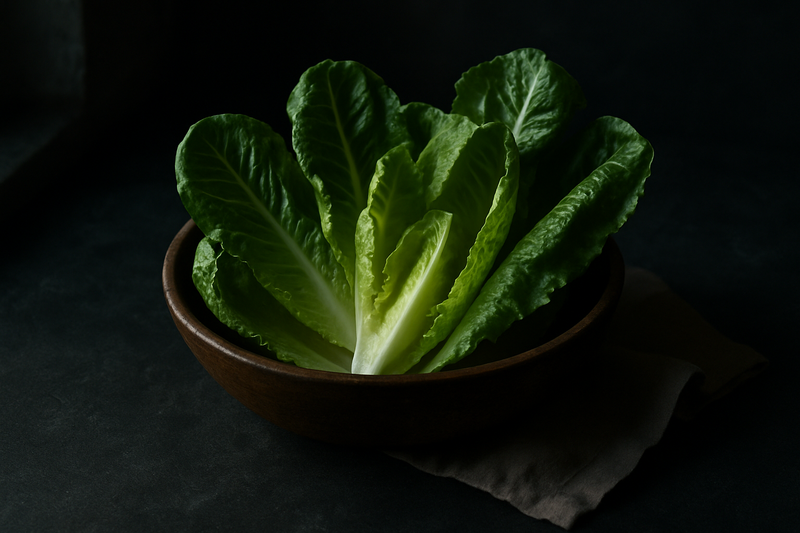
Romaine Lettuce · Photograph
Romaine lettuce (Lactuca sativa var. longifolia) is one of the most widely eaten salad greens in the world, and for good reason: it is crunchy, mildly flavored, extremely low in calories, and packed with vitamins and protective plant compounds. Whether you are building a Caesar salad, loading a grain bowl, or using whole leaves as a taco shell substitute, romaine is a remarkably versatile whole-plant food.
Key Nutrients
% Daily Value based on 2,000 cal diet
Key phytochemicals in romaine lettuce
Phytochemicals are naturally occurring plant compounds that are not classified as traditional nutrients (like vitamins or minerals) but may influence health through antioxidant, anti-inflammatory, or other biological pathways.
- Beta-carotene — An orange-red carotenoid that the body can convert into vitamin A as needed. Acts as an antioxidant and is associated with lower risk of certain chronic diseases in observational studies.
- Lutein and zeaxanthin — Xanthophyll carotenoids concentrated in the macula of the human eye. Higher dietary intakes are linked in research to lower risk of age-related macular degeneration (AMD). Romaine is a meaningful source of both.
- Phenolic acids (caffeic and chlorogenic acids) — Polyphenolic plant compounds with antioxidant and mild anti-inflammatory properties; may support vascular health as part of a polyphenol-rich diet.
- Flavonols (quercetin, kaempferol) — A subclass of plant flavonoids with antioxidant and potential vasodilatory (blood-vessel-relaxing) effects; observational data link higher flavonol intake from foods to lower cardiovascular risk.
- Sesquiterpene lactones (lactucopicrin) — Bitter-tasting compounds unique to lettuce species that contribute to its mild bitter edge and may gently stimulate digestive secretions. Human evidence is limited and largely mechanistic (studied in lab settings rather than in people).
Buying and storing romaine lettuce so it stays crisp
Buying guide — what to look for:
- Whole heads or hearts: Firm, tightly packed, with deep green outer leaves and a pale, creamy interior. Avoid heads with brown edges, sliminess, or wilted tips.
- Pre-washed bags or hearts: Convenient, but check the use-by date carefully. Pre-cut romaine has more cut surfaces exposed to air and moisture, so it turns faster.
- Organic vs. conventional: Romaine is on EWG's annual "Dirty Dozen" list of higher-pesticide produce. If budget allows, organic is a reasonable choice — but thoroughly washing conventional romaine also reduces surface residue significantly.
Label tips:
- "Triple-washed" on bagged greens does not eliminate the need for home washing if the bag has been open or is near its use-by date.
- "Romaine hearts" = the inner, crunchier portion of the head with outer leaves removed; slightly milder and more shelf-stable.
Storage step-by-step:
- Remove and discard browned or slimy outer leaves.
- Chop the head lengthwise, then crosswise into bite-sized pieces.
- Rinse thoroughly in a colander under cold running water.
- Spin dry in a salad spinner, or pat dry with a clean kitchen towel.
- Layer in an airtight container with a paper towel underneath and on top.
- Refrigerate in the crisper drawer at 35–40°F (1.5–4.5°C).
- Use within 4–5 days for best texture.
Do not store near apples, pears, or bananas. These fruits release ethylene gas, which accelerates browning in leafy greens.
Prep and pairing ideas
Getting romaine off the shelf and onto your plate more often is mostly a logistics problem, not a flavor problem. Here are the three pairings and prep approaches that make the biggest difference in practice.
Three practical pairings
1. Romaine + chickpeas + lemon tahini dressing Chickpeas add plant protein and extra fiber; tahini (ground sesame paste) contributes healthy fats that help your body absorb romaine's fat
How Romaine Lettuce Compares
| Compared with | What's different |
|---|---|
| Romaine Lettuce vs. Iceberg Lettuce | Has significantly higher levels of Vitamin A and K compared to the mostly-water iceberg. |
| Romaine Lettuce vs. Arugula | Peppery and soft, whereas romaine is crunchy and mild with sturdier ribs for wraps. |
| Romaine Lettuce vs. Kale | Tougher leaves that require massaging or cooking, while romaine is tender enough to eat raw. |
Health Benefits
Things to Know
Warfarin and vitamin K–antagonist blood thinners: Romaine contains vitamin K, which affects how these medications work. The key is consistency — eating roughly the same amount of vitamin K–rich foods day to day — not elimination. Discuss any major dietary changes with your prescriber.
E. coli and food safety advisories: Romaine has been linked to past outbreaks of E. coli O157:H7. Always check FDA or CDC recall alerts when a romaine-related outbreak is announced. During an active advisory, avoid romaine unless you can verify it comes from an unaffected region.
Asteraceae family allergy: Romaine belongs to the daisy family (Asteraceae). People allergic to related plants (ragweed, chrysanthemums, daisies) may experience oral allergy syndrome — mild itching or tingling in the mouth — or, rarely, more significant reactions.
IBS and sensitive digestion: Large raw salads can cause gas or bloating in some people, particularly those with IBS. Start with smaller portions and increase gradually. Lightly dressed, well-chopped romaine is typically better tolerated than very large, fibrous raw portions.
Immunocompromised individuals: People on low-microbial diets (e.g., some oncology or transplant patients) may be advised to avoid raw leafy greens temporarily. Follow clinical guidance in those situations.
Pregnancy: Romaine is a good source of folate, which is essential in early pregnancy. However, pregnant people should be especially cautious during any romaine-related food safety advisory and may wish to opt for cooked greens during those periods.

Shop This Ingredient
Stock your pantry with quality romaine lettuce.
Buy on AmazonAs an Amazon Associate, Plantopedia earns from qualifying purchases. This costs you nothing extra and helps us keep the encyclopedia free.
Frequently Asked Questions
The evidence for romaine specifically is largely extrapolated from broader research on leafy green vegetables. Here is what the science currently suggests — ranked from stronger to more emerging evidence. Heart and circulation Multiple large cohort studies and meta-analyses show that higher intake of leafy green and other non-starchy vegetables is associated with meaningfully lower risk of cardiovascular disease, coronary heart disease, and stroke. These studies typically group romaine with other dark leafy greens, observing graded risk reductions as daily vegetable servings increase. Romaine contributes here through several plausible pathways: virtually no saturated fat or sodium; meaningful potassium (which supports healthy blood pressure); folate (which supports normal homocysteine metabolism — high homocysteine is a cardiovascular risk marker); carotenoids that may help protect LDL cholesterol particles from oxidation; and flavonols linked to vascular health. The practical implication: a large romaine-based salad replacing a processed lunch meal is one of the most straightforward dietary shifts available for cardiovascular health patterns. Digestive health and microbiome Romaine's fiber content and high water content support normal bowel function and stool bulk. Human trials on fiber from mixed plant foods consistently show benefits for bowel regularity and reduced constipation, though these studies do not isolate romaine. The fiber in romaine also contributes modestly to gut microbiome diversity when eaten as part of a generally fiber-rich diet. Because the fiber per serving is moderate — not dramatic — romaine works best as part of an overall plant-forward pattern that includes legumes and whole grains. Using large leaves as lettuce cups for lentil or bean fillings is a particularly effective strategy for stacking fiber in one meal. Blood sugar and metabolism Direct clinical trials on romaine and blood glucose are lacking, but romaine has a very low glycemic load (a measure of how much a food raises blood sugar, accounting for portion size). Human studies show that starting a meal with a low-energy, high-fiber vegetable salad can blunt postprandial (after-meal) glucose spikes and improve satiety signals — though these studies typically use mixed salad greens rather than romaine alone. From a practical standpoint, building plates where at least half is non-starchy vegetables like romaine, then adding whole grains and legumes, is a structural approach to blood sugar management that is well supported by the evidence on dietary patterns. Hormones and cycle health Romaine's relevance to hormonal health is indirect. Its folate content supports normal methylation reactions that interact with hormone metabolism. Its vitamin K is involved in bone-protective proteins that interact with sex hormone pathways. And its very low calorie density supports healthy weight maintenance — excess body fat can disrupt estrogen, insulin, and other endocrine signals. Human hormone-focused trials rarely isolate romaine, so this benefit should be framed as part of a nutrient-dense dietary pattern rather than a targeted hormonal intervention. Inflammation and recovery No robust romaine-specific anti-inflammatory trials exist. However, diets high in vegetables — especially leafy greens — are consistently associated with lower levels of C-reactive protein (CRP), a blood marker of inflammation, in both observational and some intervention studies. Romaine contributes antioxidant carotenoids and phenolic acids that may help reduce oxidative stress (cellular damage caused by unstable molecules called free radicals). The anti-inflammatory case for romaine is strongest when it is eaten as part of a varied, colorful, plant-heavy diet — not when eaten in isolation.
Romaine is one of the most versatile leafy greens because its sturdy leaves hold up to multiple preparations without becoming limp or bitter. | Form | Best use | Notes | |---|---|---| | Raw chopped leaves | Salads, grain bowls, tacos | Maximum crunch, nutrients, and hydration | | Whole leaves (wraps) | Lettuce cups, wraps, plant-based burgers | Replaces bread or tortillas; great for increasing vegetable volume | | Grilled or charred hearts | Warm salads, side dishes | Smoky flavor, retains some crunch; brush lightly with oil | | Blended | Green smoothies, cold soups | Mild flavor blends easily; pairs well with cucumber, apple, herbs | | Pre-washed, pre-chopped (batch prep) | Weekday grab-and-go | The single most effective way to increase romaine frequency | Cooking romaine (grilling, roasting) does reduce some heat-sensitive nutrients like vitamin C and folate, but it also develops flavor and can make it more appealing to people who dislike raw greens. The best form is the one you will eat most consistently.
Quick Answers
Common questions, answered in a line.
Romaine lettuce contains lutein and zeaxanthin, two xanthophyll carotenoids that are concentrated in the macula of the human eye. Research links higher dietary intakes of these plant compounds to a lower risk of age-related macular degeneration (AMD).
Romaine lettuce provides several heart-healthy components, including antioxidant phenolic acids, flavonols with potential blood-vessel-relaxing effects, and vitamin K. Observational data suggests that higher intake of these phytochemicals may support vascular health and lower cardiovascular risk.
To keep romaine lettuce crisp, wash it thoroughly, spin it dry, and store it in an airtight container layered with paper towels in the refrigerator crisper drawer. For the best texture, use the lettuce within four to five days and avoid storing it near ethylene-producing fruits like apples or bananas.
The white, crunchy interior of the romaine head is known as "romaine hearts," which are the inner leaves with the tougher outer layers removed. These hearts are generally milder in flavor and more shelf-stable than the full head of lettuce.
Romaine lettuce contains beta-carotene, lutein, zeaxanthin, phenolic acids, flavonols like quercetin, and sesquiterpene lactones such as lactucopicrin. These compounds provide a range of antioxidant and anti-inflammatory benefits, though some, like lactucopicrin, are mostly studied in lab settings.
If you take warfarin or other vitamin K-antagonist blood thinners, you should maintain a consistent daily intake of romaine lettuce rather than eliminating it. Because romaine contains vitamin K, sudden changes in how much you eat can affect how your medication works.
Romaine lettuce is part of the Asteraceae (daisy) family, so individuals allergic to ragweed, chrysanthemums, or daisies may experience oral allergy syndrome. Symptoms typically include mild itching or tingling in the mouth, though more significant reactions can occur rarely.
For Readers in the USA
Local context — sourcing, seasonality, and regional notes.
Most Romaine lettuce in the U.S. is grown in California and Arizona, with the Salinas Valley and Yuma serving as the primary production hubs. While available year-round, California dominates production from spring through fall, while Arizona supplies the market during the winter months.
Romaine lettuce is available at virtually every major U.S. grocery chain, including Walmart, Kroger, Safeway, and Whole Foods, as well as local farmers markets. You can find it sold as individual whole heads, bundled "hearts" in bags, or chopped in pre-washed salad mixes and kits.
The USDA Organic seal on Romaine lettuce ensures it was grown without synthetic pesticides or fertilizers, which is a common choice for consumers since lettuce often appears on the "Dirty Dozen" list. For conventional Romaine, the FDA recommends thorough washing under running water to reduce both pesticide residue and potential bacterial contamination.
In the U.S., Romaine is most famous as the foundational leaf of the Caesar salad, though it is also widely used as a "lettuce wrap" for low-carb tacos and burgers. Its sturdy structure makes it one of the few lettuces in American cuisine that is occasionally grilled or charred to add a smoky flavor to side dishes.
AI Clinical Review
- Accurately frames most health claims as coming from research on leafy greens overall, not romaine-specific clinical trials, which is an appropriate level of caution.
- Highlights romaine’s nutrient density (vitamin A precursors, vitamin K, folate, potassium, lutein/zeaxanthin) and very low calorie density—useful for heart and metabolic health as part of broader dietary patterns.
- Offers practical prep and storage tips and notes that light cooking can trade some heat‑sensitive vitamins for improved flavor and intake—helpful real‑world guidance.
- Appropriately flags key safety considerations (vitamin K and warfarin, past E. coli advisories, IBS tolerance, pregnancy and immunocompromised precautions).
- There are few romaine‑specific randomized trials; most benefits are inferred from studies of mixed vegetables or leafy greens, so causation can’t be assigned to romaine alone.
- Anti‑inflammatory and microbiome effects are supported at the dietary‑pattern level; romaine’s individual contribution and dose–response are not well defined.
- Claims related to hormone and cycle health are plausible but indirect; human trials targeting these outcomes with romaine are limited.
- Phytochemical content and bioavailability vary by variety, season, storage, and what you eat romaine with (e.g., fat for carotenoid absorption), so individual benefit will differ.
- Practical intake: 1–3 cups raw (about 50–150 g) per meal is common and well tolerated for most; include a small source of fat (olive oil, avocado, tahini) to enhance absorption of fat‑soluble carotenoids like beta‑carotene, lutein, and zeaxanthin.
- Medications: If you take warfarin or other vitamin K–antagonist blood thinners, keep vitamin K intake consistent day to day and coordinate any changes with your prescriber.
- Food safety and handling: During active romaine‑related outbreak advisories, follow CDC/FDA guidance and avoid implicated sources. Keep refrigerated (about 35–40°F), use pre‑cut greens by the use‑by date, and avoid cross‑contamination; pre‑washed “ready‑to‑eat” greens generally do not require re‑washing, while whole heads should be rinsed and dried. Washing reduces surface residues; choosing organic is optional.
- Who should be cautious: Those with IBS or sensitive digestion may tolerate smaller, finely chopped, or lightly cooked portions better; people with Asteraceae (daisy family) allergies may experience oral symptoms; individuals on neutropenic/low‑microbial diets should follow clinical advice about raw leafy greens.
Frame as food education, not disease treatment.
References
- PubMed — Safety and Quality of Romaine Lettuce Accessible to Low Socioeconomic Populations Living in Houston, TX (pubmed.ncbi.nlm.nih.gov)
- PMC, National Library of Medicine — Phytochemicals, Nutrition, Metabolism, Bioavailability, and Health Benefits in Lettuce-A Comprehensive Review (pmc.ncbi.nlm.nih.gov)
- PubMed — Differential microbiota shift on whole romaine lettuce subjected to source or forward processing and on fresh-cut products during cold storage (pubmed.ncbi.nlm.nih.gov)
- PubMed — Weather factors, soil microbiome, and bacteria-fungi interactions as drivers of the epiphytic phyllosphere communities of romaine lettuce (pubmed.ncbi.nlm.nih.gov)
- USDA FoodData Central — USDA FoodData Central (fdc.nal.usda.gov)
Know Your Numbers
Eating healthy is a start. Now get to know your biomarkers.
Food changes bloodwork — inflammation, lipids, blood sugar and nutrient status all respond to what you eat. 59 markers from $59.
- Results in 7–10 days at 2,000+ Quest sites
- Licensed provider reviews every result
- One flat price, no membership, HSA/FSA eligible
Educational information only, not medical advice. Panels are ordered and reviewed through our licensed partner; Plantopedia may earn a commission.