Rutabaga — health benefits and uses
Northern European winter keeper, a traditional famine and cold-season food.
The Short Answer
Rutabaga is a nutrient-dense root vegetable providing 38 mg of Vitamin C and 3.2 grams of fiber per cup, offering a lower-calorie alternative to potatoes. It is best enjoyed roasted to caramelize its sugars or steamed to preserve its high potassium and
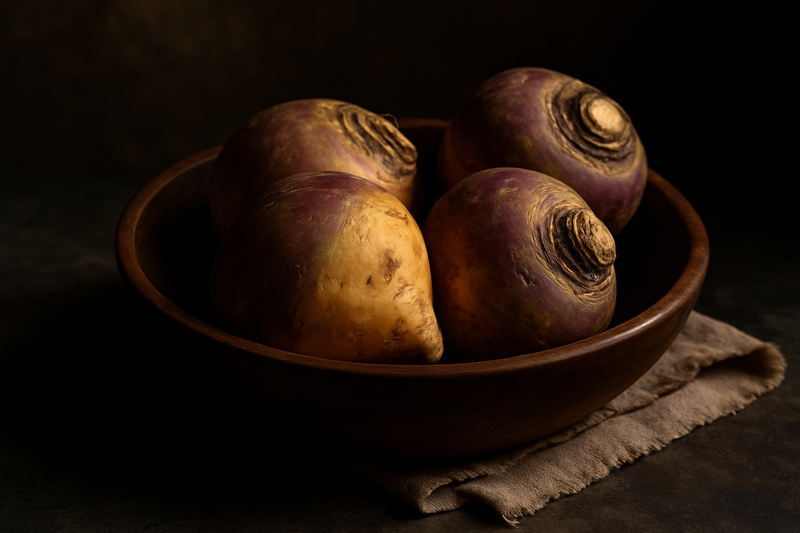
Rutabaga · Photograph
Discover the rutabaga health benefits backed by nutrition science: fiber for digestion, potassium for heart health, vitamin C for immunity, and more. Learn how to cook it, how much to eat, and whether it's safe for thyroid health.
Key Nutrients
% Daily Value based on 2,000 cal diet
Key active compounds in rutabaga
Rutabaga's health value comes from both its standard nutrients and a set of plant-specific chemicals (phytochemicals) that are still being studied.
- Glucosinolates — Sulfur-containing compounds found in all cruciferous vegetables. When rutabaga is cut or chewed, enzymes break glucosinolates down into biologically active forms. They are also the source of rutabaga's mild peppery bite. Cooking reduces but doesn't eliminate them.
- Isothiocyanates — The breakdown products of glucosinolates. In laboratory and cell studies, isothiocyanates (including sulforaphane-like compounds) have been shown to activate antioxidant pathways, support the body's detoxification processes, and slow the growth of abnormal cells. Rutabaga-specific human data don't yet exist, but research on cruciferous vegetables broadly is promising.
- Phenolic compounds — A broad class of plant polyphenols, including phenolic acids and flavonoids, that contribute to rutabaga's antioxidant capacity. A 2013 laboratory study found that rutabaga seeds, roots, and sprouts showed antioxidant activity and a pro-apoptotic effect (meaning they appeared to trigger cell death) in a liver cancer cell line, though this has not been tested in humans.
- Vitamin C — Acts as both a direct antioxidant and a cofactor for collagen and immune function; present in meaningful amounts, especially in raw rutabaga.
How to cook rutabaga for maximum nutrition
When it comes to getting the most from rutabaga, cooking method matters — but not as dramatically as you might fear.
- Roasting caramelizes the natural sugars, deepening flavor. It does reduce vitamin C somewhat but preserves most fiber and minerals well. A good everyday option.
- Boiling and mashing is the most traditional preparation. Boiling leaches some water-soluble vitamins (C and folate) into the cooking water, so using the liquid in soups or gravies recovers some of those nutrients. Mashed rutabaga has a lower calorie density than mashed potatoes.
- Steaming minimizes nutrient losses while softening texture. If you have a steamer basket, this is arguably the best balance of ease and nutrition retention.
- Raw (grated into slaws, cut into sticks for dipping) delivers the highest vitamin C content and preserves all the glucosinolates. Raw rutabaga is crunchier and slightly more peppery. It may be more gas-forming than cooked, and it has higher active goitrogen levels — relevant only at very high intakes and low iodine intake.
- Supplements or extracts — There are no established rutabaga supplements. Stick to the whole food; that's where the evidence points anyway.
Prep and pairing ideas
Rutabaga's mild sweetness pairs well with warming, savory flavors. Here are three practical combos worth trying:
1. Rutabaga + carrot + thyme (roasted medley) Both root vegetables have a natural sweetness that deepens with roasting. Thyme adds an herbal note that bridges the two. Cut both into similar-sized chunks, toss with olive oil, roast at 400°F (200°C) for 25–30 minutes. The combination provides complementary fiber, beta-carotene (from the carrot), and vitamin C (from the rutabaga).
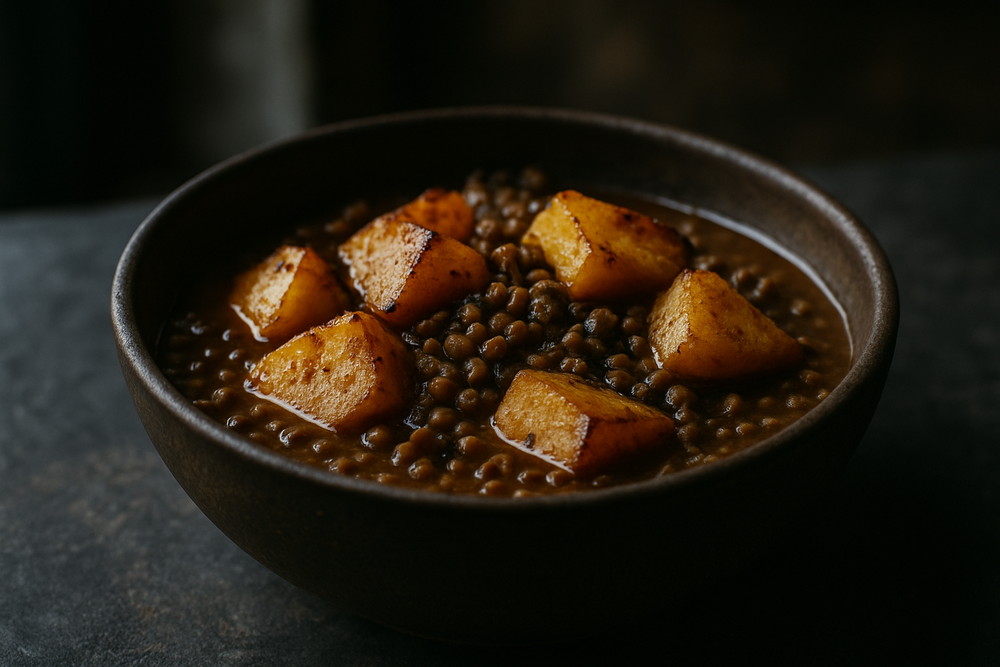
2. Rutabaga + lentils + cumin (hearty stew) Lentils add protein and iron; rutabaga adds body and sweetness. Cumin's earthy warmth enhances both. Together, this is a fiber-dense, protein-rich, satisfying bowl that supports digestive health and keeps blood sugar stable after eating. This kind of legume-plus-root-vegetable combination is a cornerstone of anti-inflammatory dietary patterns.
3. Rutabaga + apple + apple cider vinegar (raw slaw) Grated raw rutabaga with thin-sliced apple and a light cider vinegar dressing makes a bright, crunchy slaw. Raw preparation maximizes vitamin C. The acidity of apple cider vinegar balances the slight bitterness of raw cruciferous vegetables and may slightly slow carbohydrate digestion.
Bottom line
Rutabaga is a nutritionally solid, underused root vegetable that earns its place in a food-as-medicine approach to eating. Its fiber supports digestive health and blood sugar stability; its potassium and low sodium profile align with heart-healthy eating; and its vitamin C and phytochemicals contribute antioxidant and immune support. The evidence is mostly drawn from research on cruciferous vegetables and dietary fiber broadly, rather than rutabaga-specific trials — so call it a trustworthy supporting player, not a headline cure.
The goitrogen concern is real but almost universally overstated for typical servings: if you have a normal iodine intake and eat rutabaga as a cooked side dish, your thyroid isn't going to notice. If you have a diagnosed thyroid condition or iodine deficiency, a quick conversation with your doctor is prudent.
The simplest takeaway: roast it, mash it, stew it, slaw it — just eat it more often.
Interested in how root vegetables fit into specific health goals? Browse the Plantopedia health goals guide for personalized ingredient combinations.
How Rutabaga Compares
| Compared with | What's different |
|---|---|
| Rutabaga vs. Turnip | Turnips are smaller with white flesh and a sharper bite, while rutabagas are larger, sweeter, and yellow. |
| Rutabaga vs. Potato | Rutabaga has roughly half the calories and fewer carbohydrates per cup than a standard Russet potato. |
Health Benefits
Things to Know
Thyroid conditions and goitrogens: Rutabaga contains goitrogens — compounds that can theoretically slow the thyroid's ability to absorb iodine. Reviews of the human data consistently conclude that typical food-level intakes of cruciferous vegetables don't impair thyroid function in people with adequate iodine. Cooking reduces goitrogenic activity significantly. Only extremely high raw intake combined with iodine deficiency is considered a real concern. If you have uncontrolled hypothyroidism or known iodine deficiency, talk to your doctor about your intake.
Kidney disease: Rutabaga is a meaningful source of potassium. People with advanced chronic kidney disease (CKD) who are on a potassium-restricted diet should count rutabaga's contribution and discuss portion size with a registered dietitian.
IBS and FODMAP sensitivity: Rutabaga's fermentable fibers can increase gas and bloating in people with irritable bowel syndrome (IBS) or sensitivity to fermentable carbohydrates. Start with a small portion (around 1/4 cup cooked) and increase gradually.
Warfarin (blood thinner): Rutabaga's vitamin K content is modest compared with leafy greens, but consistent vegetable intake is generally advisable to avoid day-to-day fluctuations that can affect anticoagulant dosing. Keep your intake relatively consistent rather than dramatically variable.
Antihypertensive medications: The potassium in rutabaga supports blood pressure, but those on certain blood pressure medications or with kidney issues should monitor potassium intake overall. Not a reason to avoid rutabaga, but worth flagging to your provider.
Pregnancy: Folate from whole foods is encouraged during pregnancy. Rutabaga provides a modest amount. No specific safety concerns exist for rutabaga during pregnancy at normal food amounts.
Post-GI surgery: If you're on a temporary low-fiber diet following gastrointestinal surgery, high-fiber foods including rutabaga may need to be temporarily limited per your clinical team's guidance.
Glossary
Shop This Ingredient
Stock your pantry with quality rutabaga.
Buy on AmazonAs an Amazon Associate, Plantopedia earns from qualifying purchases. This costs you nothing extra and helps us keep the encyclopedia free.
Frequently Asked Questions
The evidence for rutabaga specifically is mostly indirect — drawn from what we know about its nutrients and from research on cruciferous and root vegetables as a group. That's worth keeping in mind: rutabaga is a genuinely nutritious food, but it isn't a cure or treatment for any condition. Heart and circulation Rutabaga's fiber and potassium content are the main story here. Dietary fiber — rutabaga provides roughly 2.3 g per 100 g raw — is consistently associated in large population studies with lower LDL (low-density lipoprotein, often called "bad" cholesterol) and reduced cardiovascular risk. Potassium, at around 460 mg per 100 g, helps counteract the blood-pressure-raising effects of sodium by supporting healthy fluid balance and arterial tone. Rutabaga is also naturally low in fat and contains virtually no sodium. There are no clinical trials that have specifically tested rutabaga on blood pressure or cholesterol, so benefits are inferred from its nutrient profile rather than direct evidence. Digestive health and microbiome Fiber is the key driver of rutabaga's digestive benefits. Rutabaga's fiber adds bulk to stool, supports regular bowel movements, and provides fermentable material for beneficial gut bacteria (your gut microbiome — the community of trillions of microorganisms living in your intestines). Research on high-fiber diets broadly shows improvements in gut microbiome diversity and markers of gut health. On the flip side, that fermentable fiber can cause gas or bloating, especially if you're not used to eating many high-fiber vegetables. Starting with smaller portions and cooking rutabaga (which softens the fiber) tends to improve tolerance. Blood sugar and metabolism Rutabaga has a relatively modest carbohydrate load and a meaningful fiber content, which means it is digested more slowly than refined starches. Slower digestion translates to a gentler rise in blood glucose (the sugar in your bloodstream) after eating — a concept measured by glycemic index. Using rutabaga in place of mashed potatoes or white rice at a meal is a practical swap that can improve the glycemic profile of that meal. The evidence base here is drawn from dietary pattern research, not rutabaga-specific trials, so this is a sensible inference rather than a proven outcome. Inflammation and oxidative stress Vitamin C and rutabaga's phenolic compounds act as antioxidants — molecules that neutralize free radicals (unstable molecules that can damage cells). Diets rich in antioxidant-containing vegetables are associated in observational studies with lower levels of inflammatory markers like C-reactive protein. The 2013 cell study mentioned above also found that rutabaga extracts showed antioxidant activity in a lab setting. Human trials on rutabaga specifically don't exist yet, so viewing it as a component of an overall anti-inflammatory dietary pattern is the most accurate framing. Immune support Vitamin C is perhaps the most established micronutrient for immune support. At 27–38 mg per 100 g depending on cooking method, rutabaga provides a meaningful portion of the 75–90 mg daily recommended intake for most adults. Folate, also present in rutabaga, supports the production of new immune cells. Neither of these is a magic bullet, but both are nutrients that many people fall short on, and rutabaga is a simple, affordable way to top them up.
There is no established upper limit for rutabaga, and no specific clinical dose has been tested in human trials. Dietary guidelines from USDA MyPlate recommend that adults eat 2.5 to 3 cups of vegetables per day across all types, with variety encouraged. A practical range: Everyday inclusion: ½ to 1 cup cooked (roughly 75–140 g) as a side dish is a sensible and achievable amount for most people. Upper end for active variety seekers: Up to about 1.5 cups cooked (around 210–250 g) per day fits comfortably within general vegetable guidelines and poses no known risk for people with normal iodine intake and no kidney issues. Start low: If you're new to high-fiber vegetables or have a sensitive digestive system, start with ¼ cup cooked and build up over a week or two to let your gut microbiome adapt. Thyroid note: If you have an existing thyroid condition, prefer cooked rutabaga over raw, and aim for moderate rather than very large quantities (i.e., don't eat two full cups of raw rutabaga daily as your primary vegetable). One normal serving a day is not a documented concern. The bottom line: think of rutabaga in the same frame as other root vegetables — eat it freely as part of a varied, plant-forward diet, vary how you cook it, and adjust quantity based on how your body responds.
People trying to eat more vegetables without a lot of effort Rutabaga stores for 2–4 weeks in a cool spot, so it's a low-waste option for busy households. It's one of the more affordable root vegetables year-round. Its mild sweetness appeals even to people who find other cruciferous vegetables too bitter or pungent. People looking for a lower-calorie, higher-fiber potato substitute At 37 calories and 2.3 g fiber per 100 g vs. potato's 77 calories and 2.1 g fiber per 100 g, rutabaga swaps in with similar texture and better glycemic impact. Works well mashed, roasted, or chunked into soups without dramatically changing the dish. Practical for anyone managing weight, blood sugar, or looking to improve overall meal quality.
Quick Answers
Common questions, answered in a line.
Steaming is arguably the best method to balance ease with nutrition because it minimizes nutrient losses while softening the vegetable's texture. Boiling and mashing is also popular, though it leaches some water-soluble vitamins into the cooking water unless that liquid is saved for soups.
Rutabaga contains sulfur-containing compounds called glucosinolates, which provide a mild peppery bite and break down into health-promoting isothiocyanates when chewed or cut. These phytochemicals are being studied for their ability to support detoxification and activate antioxidant pathways.
Typical servings of rutabaga are unlikely to affect the thyroid in people with adequate iodine levels, although the vegetable does contain compounds called goitrogens. Cooking significantly reduces goitrogenic activity, and concerns are generally only relevant for those with iodine deficiencies or extremely high raw intake.
Eating rutabaga raw in slaws or sticks provides the highest vitamin C content and preserves all its natural glucosinolates. However, raw preparation may be more gas-forming and contains higher active goitrogen levels compared to cooked versions.
People with advanced chronic kidney disease (CKD) who are on a potassium-restricted diet should monitor their rutabaga intake because it is a meaningful source of potassium. It is recommended to discuss specific portion sizes with a registered dietitian to ensure it fits within medical requirements.
Rutabaga contains fermentable fibers that can increase gas and bloating in people with irritable bowel syndrome (IBS). If you are sensitive to fermentable carbohydrates, the article suggests starting with a small portion of about 1/4 cup cooked to test tolerance.
Rutabaga provides a modest amount of folate from a whole-food source, which is encouraged during pregnancy. There are no specific safety concerns for pregnant women when the vegetable is consumed in normal food amounts.
For Readers in the USA
Local context — sourcing, seasonality, and regional notes.
You can find rutabagas year-round at most major US grocery chains like Kroger, Whole Foods, and Publix, usually located near the potatoes and turnips. In the United States, they are most abundant and flavorful during their peak season from October through March.
In the United States, rutabagas are sometimes labeled as "yellow turnips" or "swedes," particularly in the Northeast and among older generations. While they are a cross between a cabbage and a turnip, look for large, heavy roots often coated in food-grade wax to prevent dehydration during shipping.
In the US, rutabagas are most commonly grown in northern states with cooler climates, such as Washington, Minnesota, and New York. Because they require a long, cool growing season to develop their signature sweetness, they are a staple of northern farmers markets during the fall and winter months.
When buying rutabagas in the US, look for the USDA Organic seal if you want to ensure the produce was grown without synthetic pesticides or GMOs. Most commercially sold rutabagas are also coated in an FDA-approved paraffin wax to extend shelf life; this wax should be peeled off before cooking.
AI Clinical Review
- Clearly places rutabaga in the cruciferous family and highlights its meaningful fiber, vitamin C, and potassium—nutrients linked with digestive, immune, and heart health in human research.
- Frames cardiometabolic benefits appropriately: fiber and potassium support healthier cholesterol markers and blood pressure as part of overall diet, without claiming rutabaga as a treatment.
- Explains digestive effects well—fiber supports regularity and the microbiome while acknowledging potential gas/bloating and the value of gradual increases.
- Describes cooking trade-offs accurately (vitamin C loss with heat; goitrogens lowered by cooking) and offers realistic uses, including as a lower-glycemic swap for potatoes.
- There are few, if any, rutabaga-specific human trials; most benefits are inferred from broader cruciferous vegetable and dietary fiber research.
- Antioxidant and anti-cancer discussions rely largely on cell or animal data and observational studies; these do not prove disease prevention in people.
- Glycemic impact varies by portion size, preparation, and what else is on the plate; standardized glycemic index data for rutabaga are limited.
- Practical intake: 1/2–1 cup cooked per day fits well for most adults; start smaller if you’re fiber‑sensitive and increase as tolerated.
- Thyroid considerations: typical cooked servings are unlikely to affect thyroid function when iodine intake is adequate; if you have hypothyroidism or iodine deficiency, favor cooked forms and avoid very large raw amounts—check with your clinician if unsure.
- Potassium: those with advanced chronic kidney disease or on potassium‑sparing medications should count rutabaga toward daily potassium and discuss portions with a dietitian.
- Medications/conditions: vitamin K is modest but keep vegetable intake consistent if you take warfarin; people with IBS may tolerate cooked better than raw; individuals managing diabetes should still monitor carbohydrate portions.
Contains goitrogens; a concern only with very high intake and low iodine.
References
- USDA FoodData Central — Rutabagas, raw (FDC #168454), full nutrient profile (fdc.nal.usda.gov)
- USDA SNAP-Ed Seasonal Produce Guide — Rutabagas overview and culinary guidance (snaped.fns.usda.gov)
- USDA MyPlate — Vegetables food group recommendations and health benefits (myplate.gov)
- USDA Agriculture Handbook No. 72 — Nutritive value of cooked rutabagas and other vegetables (ars.usda.gov)
- University of Rochester Medical Center — Rutabaga nutrition facts reference (urmc.rochester.edu)
- Kresser Institute review — Goitrogenic foods and thyroid health: what the evidence says about cruciferous vegetables (kresserinstitute.com)
- Bachinskaya et al. (2013) — Rutabaga seeds, roots, and sprouts: antioxidant properties and proapoptotic potential in HepG2 hepatoma cells, PubMed (pubmed.ncbi.nlm.nih.gov)
- Raw Paw IQ — Detailed rutabaga raw nutrient breakdown based on USDA data (rawpawiq.com)
Know Your Numbers
Eating healthy is a start. Now get to know your biomarkers.
Food changes bloodwork — inflammation, lipids, blood sugar and nutrient status all respond to what you eat. 59 markers from $59.
- Results in 7–10 days at 2,000+ Quest sites
- Licensed provider reviews every result
- One flat price, no membership, HSA/FSA eligible
Educational information only, not medical advice. Panels are ordered and reviewed through our licensed partner; Plantopedia may earn a commission.