Rye Sourdough Starter — health benefits and uses
Northern European baking has kept rye starters alive for generations as a household ferment.
The Short Answer
Rye sourdough starter provides 7.3g of dietary fibre and 65mg of magnesium per 100g serving. It uses wild fermentation to break down anti-nutrients, improving mineral absorption and lowering the glycemic index of the finished bread.
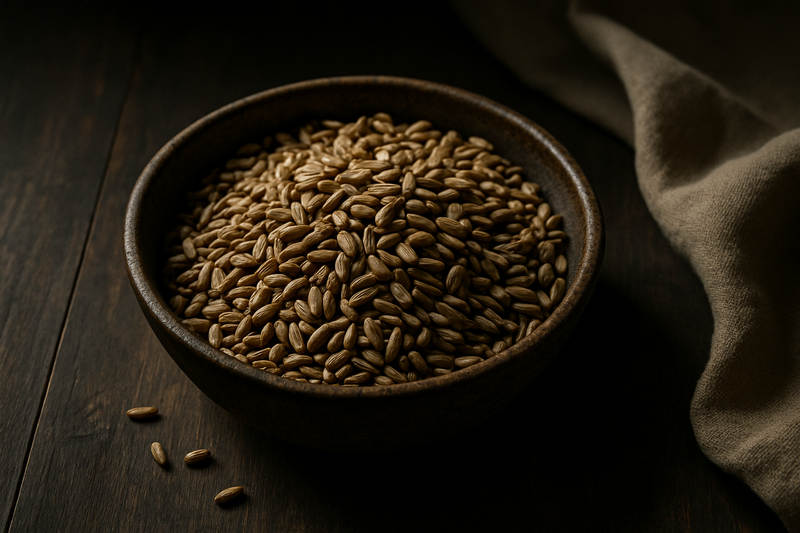
Rye Sourdough Starter · Photograph
Discover the rye sourdough starter health benefits backed by research — from gut support and lower glycemic response to improved mineral absorption. Learn how this wild-fermented culture works, what nutrients it delivers, and how to maintain it safely at home.
Key Nutrients
% Daily Value based on 2,000 cal diet
Key active compounds in rye sourdough starter and bread
- Arabinoxylans — Non-starch polysaccharides (complex carbohydrates that form part of plant cell walls) abundant in rye bran. Gut bacteria ferment them into short-chain fatty acids (SCFAs), small molecules that fuel colon cells and support a healthy microbiome. They also contribute to rye's thick, viscous texture and lower glycaemic index.
- Phenolic acids (e.g. ferulic acid) — Antioxidant plant compounds concentrated in the bran and germ of whole rye. They help neutralise free radicals (unstable molecules that can damage cells) and may contribute to the cardiometabolic benefits associated with whole-grain rye eating patterns.
- Lignans — Polyphenolic compounds found in whole grains and seeds. Gut bacteria convert them into bioactive metabolites that may have weak antioxidant and hormonal effects; long-term rye consumption is associated with their presence in the body.
- Organic acids (lactic and acetic acid) — Produced by LAB during fermentation and present in the mature starter. They lower dough pH, slow starch digestion, enhance mineral release, improve shelf life, and create the characteristic tang of sourdough bread.
- Wild yeasts and lactic acid bacteria — The living microorganisms that drive fermentation. They are probiotic-type organisms in the starter but mostly die at baking temperatures; their main benefit comes from the chemical transformations they cause in the dough.
Prep and pairing ideas
Rye sourdough starter is used to leaven and flavour bread rather than eaten on its own. Here are practical ways to make the most of it:
How to maintain your starter: Feed with equal parts (by weight) whole-grain rye flour and room-temperature water every 12–24 hours at room temperature, or once a week if stored in the refrigerator. A healthy starter will bubble noticeably 4–8 hours after feeding and smell pleasantly sour and yeasty.
Discard ideas: The portion you remove before each feeding (called "discard") can be stirred into pancake batter, flatbread dough, crackers, or porridge for a mild tang and extra fibre — reducing waste while adding fermented flavour.
Three practical pairings:
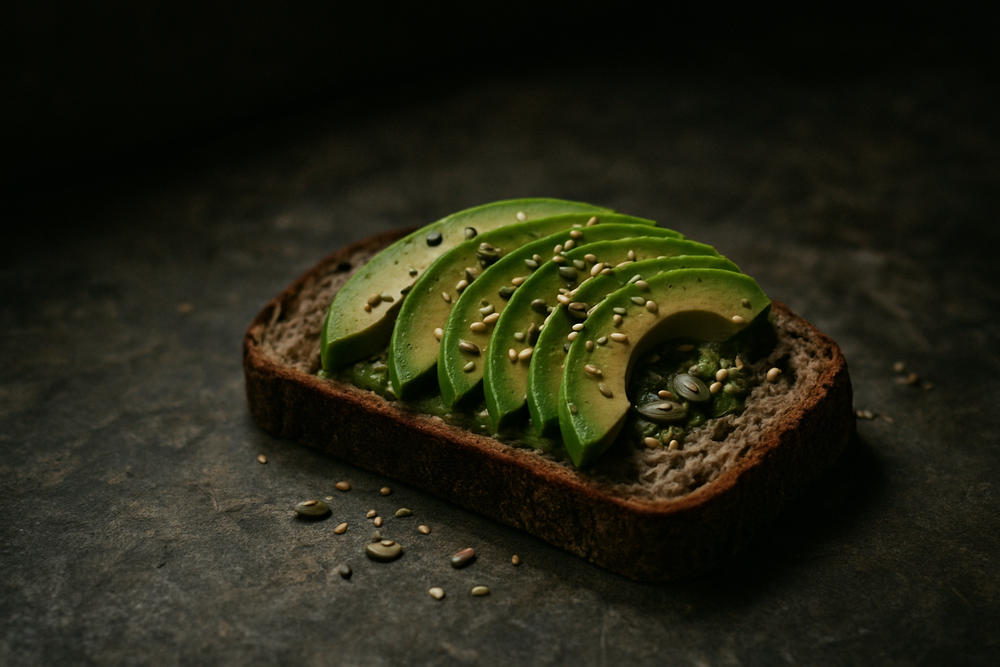
- Rye sourdough bread + avocado and seeds — Healthy fats from avocado slow digestion further, and seeds add zinc and magnesium that complement the enhanced mineral bioavailability from sourdough fermentation.
- Rye sourdough bread + smoked salmon or tinned sardines — Omega-3 fats from oily fish pair well with the soluble fibre in rye to support both cardiovascular and gut health in the same meal.
- Rye sourdough crackers (from discard) + hummus — A high-fibre, plant-protein snack that combines the prebiotic arabinoxylans from rye with the fibre from chickpeas, supporting a diverse gut microbiome.
Bottom line
A rye sourdough starter is more than a baking tool — it is a biological transformer. By fermenting whole-grain rye flour with wild yeasts and lactic acid bacteria, it unlocks minerals that would otherwise pass through the body unabsorbed, restructures starch for a gentler blood sugar response, and generates organic acids that support digestibility and shelf life. The resulting bread is one of the more nutritionally dense options available in everyday eating.
The important caveats: most benefits are realised in the baked bread, not by eating raw starter. Live probiotic cultures in the starter largely do not survive baking. The evidence is strongest for mineral bioaccessibility and postprandial blood sugar, more emerging for heart health and inflammation. And for anyone with coeliac disease or a true gluten intolerance, rye sourdough remains off the table regardless of fermentation method.
For most people, incorporating well-made whole-grain rye sourdough bread into a varied, plant-forward diet is a practical, pleasurable way to add fibre, support gut bacteria, and broaden mineral intake — with a starter that costs almost nothing to maintain.
How Rye Sourdough Starter Compares
| Compared with | What's different |
|---|---|
| Rye Sourdough Starter vs. Wheat Sourdough Starter | Rye has higher levels of soluble fibre (arabinoxylans) and creates a more viscous, dense crumb. |
| Rye Sourdough Starter vs. Whole Wheat Starter | Rye flour contains less gluten than wheat, resulting in a stickier, less elastic starter. |
Health Benefits
Things to Know
Gluten content: — Rye contains gluten. Rye sourdough starter and the bread it produces are not safe for people with coeliac disease or a confirmed wheat or rye allergy, regardless of fermentation method or duration.
FODMAP sensitivity: — While sourdough fermentation reduces some FODMAPs, rye remains relatively high in fructans. People with severe irritable bowel syndrome (IBS) following a low-FODMAP diet should introduce rye sourdough cautiously and monitor symptoms.
Immunocompromised individuals: — Raw or under-fermented starter contains live microorganisms. Consuming raw starter is not advised for people with compromised immune systems.
Diabetes and blood sugar medication: — The lower glycaemic impact of rye sourdough bread may modestly alter blood glucose patterns. People using insulin or hypoglycaemic agents should account for this as part of their overall carbohydrate management, ideally with a dietitian's guidance.
Medication absorption: — High-fibre foods eaten in large quantities can theoretically slow the absorption of some oral medications. As a general precaution, take medications with a glass of water away from large high-fibre meals.
Starter hygiene: — Discard any starter showing pink, orange, or fuzzy growth; a slimy texture; or an off-putting (beyond normal vinegar/yeast tang) odour. These are signs of contamination rather than healthy fermentation. Use clean equipment and store properly to minimise risk.
Pregnancy: — Baked rye sourdough bread is considered safe during pregnancy as part of a balanced diet. Avoid consuming large amounts of raw, partially fermented starter.
Prep Ideas
- — **Rye sourdough bread + avocado and seeds** — Healthy fats from avocado slow digestion further, and seeds add zinc and magnesium that complement the enhanced mineral bioavailability from sourdough fermentation.
- — **Rye sourdough bread + smoked salmon or tinned sardines** — Omega-3 fats from oily fish pair well with the soluble fibre in rye to support both cardiovascular and gut health in the same meal.
- — **Rye sourdough crackers (from discard) + hummus** — A high-fibre, plant-protein snack that combines the prebiotic arabinoxylans from rye with the fibre from chickpeas, supporting a diverse gut microbiome.
Glossary
Shop This Ingredient
Stock your pantry with quality rye sourdough starter.
Buy on AmazonAs an Amazon Associate, Plantopedia earns from qualifying purchases. This costs you nothing extra and helps us keep the encyclopedia free.
Frequently Asked Questions
The benefits below are associated with eating whole-grain rye sourdough bread made with a live starter. Where evidence directly concerns the starter culture itself, that is noted. Digestive health and microbiome Rye sourdough bread is one of the higher-fibre breads available, providing arabinoxylans and other fermentable fibres that act as prebiotics — food for beneficial gut bacteria. Human studies and systematic reviews report that regular consumption of fibre-rich sourdough bread increases stool bulk, supports bowel regularity, and may improve the diversity of gut microbes compared with refined bread. Sourdough fermentation also reduces certain FODMAPs (fermentable oligosaccharides, disaccharides, monosaccharides, and polyols — types of carbohydrate that can cause bloating and discomfort). This partly explains why some people with mild wheat sensitivity report better tolerance of sourdough bread than conventional bread. That said, the majority of probiotic bacteria in the starter do not survive baking; the gut benefits of the bread come from its altered fibre, starch, and acid profile rather than live cultures reaching your intestine. Blood sugar and metabolism This is among the better-studied areas of sourdough research. Multiple human feeding studies show that rye sourdough bread produces a significantly lower postprandial (after-meal) blood glucose and insulin response compared with conventionally yeasted wheat or rye bread. The main drivers are the high soluble fibre content, the slower starch digestion caused by organic acids, and the physical structure of the bread's crumb. The effects are real but modest and short-term in current evidence: improvements in the glucose spike after a specific meal, rather than documented changes in longer-term markers like HbA1c (a measure of average blood sugar over several weeks). People managing diabetes or taking hypoglycaemic medication should not change their treatment based on bread choice alone. Heart and circulation The heart-health case for rye sourdough bread is largely built on two pillars: the well-established whole-grain rye evidence base and the enhanced mineral bioavailability from sourdough fermentation. Regular whole-grain rye consumption is associated in observational studies with lower rates of cardiovascular disease. Fermentation improves access to magnesium — a mineral important for blood pressure regulation and heart muscle function — and zinc, which supports metabolic health. Direct clinical trials linking rye sourdough bread specifically to hard cardiovascular outcomes (heart attacks, strokes) are lacking. Existing evidence is largely observational or based on surrogate markers (measurable indicators that are associated with outcomes, rather than outcomes themselves). Any heart-health benefit is best understood as part of an overall whole-grain, high-fibre dietary pattern. Inflammation and recovery Whole-grain dietary patterns are consistently associated with lower levels of inflammatory markers in population studies, and whole-grain rye sourdough fits within these patterns. Phenolic acids and arabinoxylans in rye may indirectly reduce oxidative stress. However, clinical trials specifically measuring inflammatory biomarkers in people eating rye sourdough versus control bread are limited, and reviews note that results are inconsistent. Evidence here is emerging rather than established.
Fresh liquid starter (100% hydration) Equal parts rye flour and water by weight, fed daily or every other day at room temperature (or less frequently under refrigeration). This is the most flexible and widely used form for home and artisan baking. It ferments actively, producing the organic acids that transform the bread's digestibility and flavour. Stiff starter (lower hydration) More flour than water — typically around 60–70% water relative to flour. It ferments more slowly, develops a different balance of lactic to acetic acid, and is easier to store between feedings. Often preferred for very dense, Scandinavian-style rye loaves. Dehydrated rye starter powder Commercially dried starter for convenience and longer shelf life. It can be rehydrated to produce an active culture or added directly to dough as a flavour and fermentation boost. The microbial profile is more standardised than a home culture but may be less diverse. For whole-grain baking with the most nutritional benefit, a fresh liquid or stiff starter fed exclusively with whole-grain rye flour retains the most fibre, phenolics, and phytase activity. Commercial dried powders are convenient but may vary in microbial activity.
The high-fibre seeker Currently eating mainly white or refined breads with minimal fibre Wants to support more regular digestion without overhauling their entire diet Interested in feeding gut bacteria through fermented whole grains rather than supplements The blood sugar manager Looking for everyday bread swaps that produce a gentler glucose response Eating whole grains as part of a broader low-glycaemic dietary pattern Working with a healthcare provider to optimise carbohydrate quality alongside medication or lifestyle changes
There is no single universal guideline, but the evidence base for the digestive and blood sugar benefits of rye sourdough generally uses portions of one to three slices (roughly 50–150 g) per serving, consumed as part of a varied whole-food diet. Practical starting points: If you are new to high-fibre rye bread, start with one slice per day and increase gradually over two to three weeks. Jumping from low-fibre bread to several slices of dense rye sourdough at once can cause temporary bloating and wind as your gut adapts. Most dietary guidelines for adults recommend 25–38 g of total dietary fibre per day. Two slices of a dense whole-grain rye sourdough loaf (baked with rye starter) can contribute 5–8 g toward that target, depending on the recipe. For people monitoring carbohydrate intake, a 50 g slice of rye sourdough bread provides roughly 20–25 g of carbohydrate. The glycaemic load (a measure combining glycaemic index with actual carbohydrate quantity) is meaningfully lower than an equivalent serving of white or standard wheat bread. There is no evidence that eating more rye sourdough bread produces greater benefits beyond what a standard 1–3 slice portion delivers; it should be balanced against overall calorie and carbohydrate needs. Looking for more whole-grain and gut-health strategies? Explore the Plantopedia digestive health hub for ingredient guides, meal ideas, and evidence-based eating patterns.
Quick Answers
Common questions, answered in a line.
Rye sourdough starter contains arabinoxylans, phenolic acids like ferulic acid, lignans, organic acids (lactic and acetic), and live wild yeasts and lactic acid bacteria. These compounds work together to support gut health, provide antioxidant effects, and improve the nutritional profile of the final bread.
You should feed a rye sourdough starter with equal parts by weight of whole-grain rye flour and room-temperature water. Maintain this every 12–24 hours if kept at room temperature, or once a week if stored in the refrigerator to keep the culture active.
Rye sourdough starter discard can be added to pancake batter, flatbread dough, crackers, or porridge to add a mild tang and extra fiber. Using discard in these recipes helps reduce food waste while incorporating fermented flavors into everyday meals.
No, rye sourdough bread is not gluten-free and is not safe for people with celiac disease or a confirmed rye allergy. While fermentation may alter some proteins, the final product still contains gluten and should be avoided by those with gluten-related medical conditions.
Signs of a contaminated or spoiled sourdough starter include pink, orange, or fuzzy growth, a slimy texture, or a foul odor that differs from the normal vinegary tang. If you notice these signs, you should discard the starter immediately and clean your equipment thoroughly.
Sourdough fermentation generates organic acids that lower the dough's pH, which helps unlock minerals that would otherwise pass through the body unabsorbed. This process increases the bioaccessibility of nutrients, making the bread more nutritionally dense than non-fermented options.
It is not recommended to eat raw rye sourdough starter, especially for pregnant women or immunocompromised individuals, due to the presence of live microorganisms. The primary health benefits are realized after the starter has been baked into bread, which kills most of the live cultures.
For Readers in the USA
Local context — sourcing, seasonality, and regional notes.
You can find rye flour for your starter at major U.S. retailers like Whole Foods Market, Kroger, and Publix, or through specialty distributors like King Arthur Baking Company. Many American home bakers prefer "Dark Rye" or "Pumpernickel" varieties for their higher bran content, which provides more nutrients for the wild yeast.
The USDA Organic seal on rye flour ensures the grain was grown without synthetic pesticides or fertilizers, which some bakers believe helps maintain a more robust wild yeast culture. While not strictly necessary for a successful starter, using organic flour is a popular choice in the U.S. to avoid residue from glyphosate, which is sometimes used as a drying agent on non-organic grains.
In the U.S., rye is primarily grown in the Upper Midwest and Northern Plains, including states like North Dakota, Minnesota, and Wisconsin, where the cool climate is ideal for production. While rye flour is available year-round in grocery stores, you may find the freshest stone-ground varieties at local farmers markets in these regions during the late summer and fall harvest.
In the United States, rye sourdough is a staple of Jewish delis, often served with pastrami or corned beef, and is also central to Scandinavian-American communities in the Midwest. While "deli rye" often includes caraway seeds for flavor, true sourdough versions are increasingly popular in artisanal bakeries across California and the Northeast for their distinct health profile.
AI Clinical Review
- Clearly distinguishes between the living starter and the baked bread, emphasizing that most health effects come from fermentation-driven changes in the dough rather than live “probiotics” surviving baking.
- Accurately explains how sourdough acidification reduces phytic acid, improving mineral bioaccessibility (iron, magnesium, zinc) from whole-grain rye.
- Highlights rye’s high fiber (including arabinoxylans) and the consistent finding that whole-grain rye sourdough produces a lower postprandial (after‑meal) glucose and insulin response than conventionally yeasted breads.
- Appropriately flags gluten: rye sourdough is not safe for people with coeliac disease or confirmed wheat/rye allergy.
- Most glycemic benefits are demonstrated in acute meal studies; durable effects on longer‑term markers (e.g., HbA1c), insulin sensitivity, or diabetes risk are not well established.
- Links to cardiovascular outcomes and systemic inflammation are suggestive but rely largely on observational data or surrogate markers; sourdough‑specific clinical trials are limited and mixed.
- Tolerance in non‑coeliac wheat sensitivity varies: fermentation reduces some FODMAPs, but rye remains relatively high in fructans, so improvements are not universal.
- Microbiome benefits from baked sourdough come indirectly via fiber and organic acids; any direct probiotic effect from the starter in finished bread is unlikely.
- Portion and carbs: 1–3 slices (about 50–150 g) per serving is a practical range; ramp up gradually to limit gas/bloating. A 50 g slice typically provides ~20–25 g carbohydrate—helpful for glucose tracking.
- Safety: Avoid consuming raw starter if you are immunocompromised; practice strict starter hygiene and discard if you see pink/orange/fuzzy growth or smell off odors. Baked rye sourdough is generally safe in pregnancy.
- Medical conditions: Not appropriate for coeliac disease or true wheat/rye allergy. If you have IBS or follow a low‑FODMAP plan, trial small portions and monitor symptoms.
- Medications and sodium: High‑fiber meals can reduce absorption of some oral medications (e.g., levothyroxine, certain antibiotics)—take them at a different time with water. Many breads are moderately high in sodium; choose lower‑sodium options if you manage blood pressure.
Contains gluten; maintain with regular feeding to stay healthy.
References
- USDA FoodData Central — rye flour and sourdough rye bread nutrient data (fdc.nal.usda.gov)
- PMC systematic review: Nutritional benefits of sourdoughs — mineral bioaccessibility, phytic acid reduction, and functional properties across sourdough systems (pmc.ncbi.nlm.nih.gov)
- PMC review: Does sourdough bread provide clinically relevant health benefits? — intestinal health, fermentable carbohydrates, glycaemic response, and clinical relevance (pmc.ncbi.nlm.nih.gov)
- BBC Good Food: Top 6 health benefits of sourdough — gut health, blood sugar, satiety, and nutrients, dietitian-reviewed (bbcgoodfood.com)
- NumberAnalytics: Rye sourdough starter benefits — comparison of rye versus wheat flour fibre, potassium, magnesium, and iron content (numberanalytics.com)
- Wildgrain: Is sourdough rye bread healthy? — complex carbohydrates, minerals, fibre, and blood sugar overview (wildgrain.com)
- Prevention: Rye vs. sourdough — dietitians explain which bread is healthier, using USDA data (prevention.com)
- BreadVillage: Eat healthy with rye sourdough — glycaemic index, fibre, digestive benefits (breadvillage.com)
- MyFoodData: Nutrition facts for 100% sourdough rye bread based on USDA data (tools.myfooddata.com)
Know Your Numbers
Eating healthy is a start. Now get to know your biomarkers.
Food changes bloodwork — inflammation, lipids, blood sugar and nutrient status all respond to what you eat. 59 markers from $59.
- Results in 7–10 days at 2,000+ Quest sites
- Licensed provider reviews every result
- One flat price, no membership, HSA/FSA eligible
Educational information only, not medical advice. Panels are ordered and reviewed through our licensed partner; Plantopedia may earn a commission.