Savory — health benefits and uses
Long called the 'bean herb' in Europe for easing the digestion of legumes.
The Short Answer
Savory is a culinary herb used primarily to aid digestion and reduce gas when cooking beans and lentils. It contains carvacrol and thymol, two aromatic compounds with antimicrobial properties that provide a peppery, warm flavor profile.
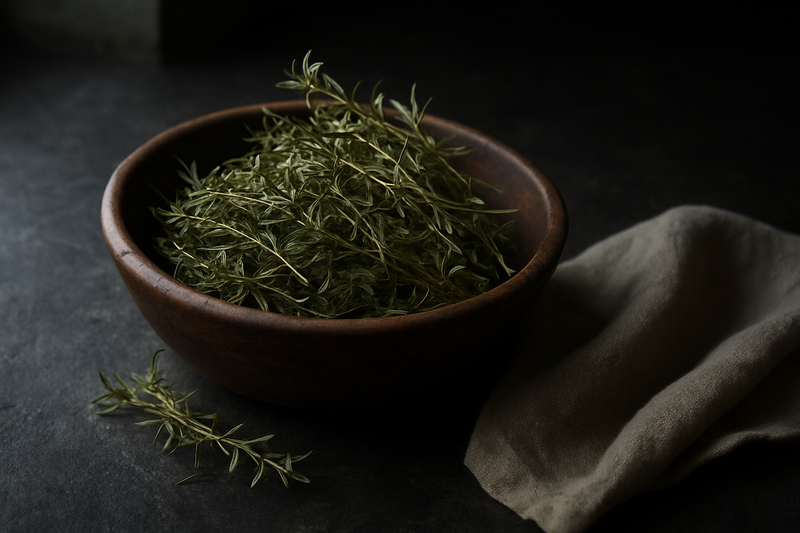
Savory · Photograph
Discover summer savory health benefits and uses, how it compares to winter savory, why it belongs in bean and lentil cooking, and what the research actually says about its antioxidant and digestive properties.
Key Nutrients
% Daily Value based on 2,000 cal diet
Key active compounds in savory
- Carvacrol — A monoterpenoid phenol (a type of aromatic plant chemical) that is the dominant compound in savory's essential oil. Shows strong antimicrobial and antioxidant activity in lab studies.
- Thymol — A phenolic monoterpene shared with thyme; contributes savory's characteristic warm, slightly medicinal aroma and demonstrates antiseptic properties in vitro (in lab conditions outside the body).
- Rosmarinic acid — A polyphenol abundant across mint-family herbs. Acts as an antioxidant and anti-inflammatory agent in experimental models.
- Flavonoids (quercetin, luteolin) — Plant pigments that provide antioxidant activity and may support vascular health based on preclinical research.
- p-Cymene and γ-Terpinene — Volatile monoterpenes that shape savory's aroma and contribute modest antioxidant effects; studied in relation to subtle effects on human body temperature.
- Tannins and phenolic acids — Polyphenolic compounds with astringent properties; may support gut barrier integrity based on in vitro and animal data.
Prep and pairing ideas
Savory is one of the most versatile culinary herbs for plant-based cooking. Here are three practical combinations:
1. Savory + white beans + garlic A classic Provençal pairing. Add 1 teaspoon of dried savory to a pot of cannellini or flageolet beans with crushed garlic and a bay leaf. The aromatics work together to reduce fermentation-related gas and create a deeply savory (no pun intended) broth without salt.
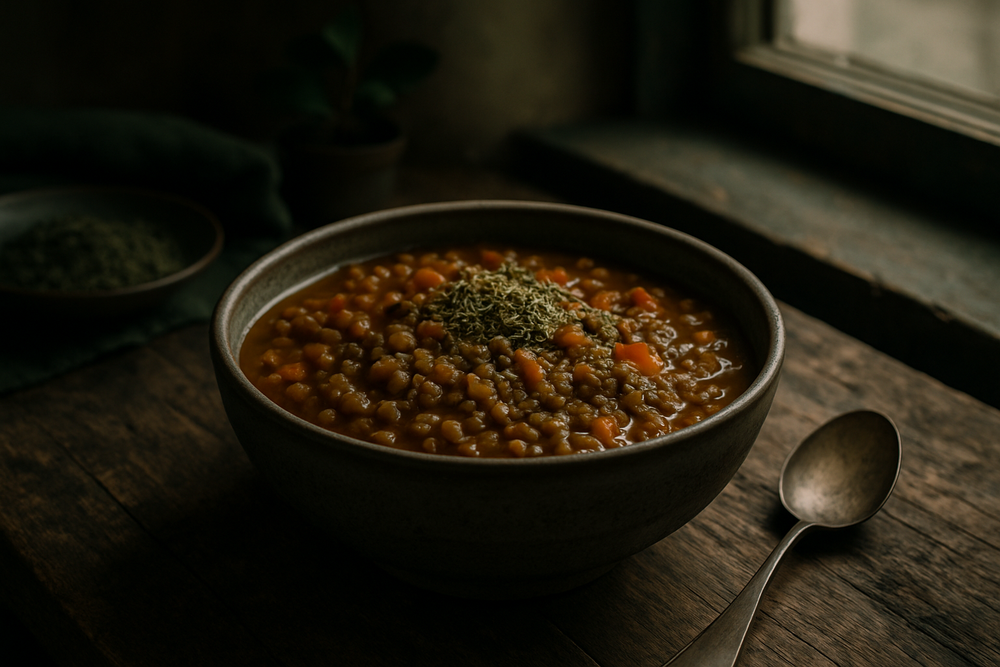
2. Savory + lentil soup + smoked paprika Winter savory's bold resinous note stands up beautifully to the earthiness of green or brown lentils. Combine ½–1 teaspoon of dried winter savory with smoked paprika and a squeeze of lemon at the end. The paprika adds carotenoids; the lemon brightens and boosts iron absorption from the lentils.
3. Savory + roasted root vegetables + thyme Summer savory and thyme are complementary rather than redundant — savory has a slightly more peppery, less floral note. Toss diced carrots, parsnips, and beets with olive oil, dried summer savory, and fresh thyme before roasting at 200 °C (400 °F). The herbs form a fragrant crust that reduces the need for heavy seasoning.
Bottom line
Savory — whether the milder summer variety or the bolder winter type — is a nutritionally dense, polyphenol-rich culinary herb with a long, well-earned place in Mediterranean and plant-based kitchens. Its traditional reputation as a digestive and carminative herb for bean cookery is biologically plausible, supported by the antimicrobial and aromatic properties of its key compounds, even if large human clinical trials are still absent. As part of a varied, herb-forward diet, savory is an easy, flavorful way to add antioxidant diversity, cut sodium, and make legume-heavy meals more comfortable to digest. Use it freely in cooking. Treat concentrated extracts and essential oils with more caution, and always check with a qualified clinician if you have a health condition or take medications.
How Savory Compares
| Compared with | What's different |
|---|---|
| Savory vs. Winter Savory | Winter savory has a stronger, resinous, peppery flavor compared to the milder, sweeter summer variety. |
| Savory vs. Thyme | Savory is more peppery and pungent, while thyme is more floral and citrusy. |
| Savory vs. Oregano | Savory is typically used for beans and stews; oregano is more cooling and common in tomato sauces. |
Health Benefits
Things to Know
Culinary amounts are considered safe: for most adults; no significant adverse effects are documented at normal cooking doses.
Pregnancy and breastfeeding: Avoid high-dose savory extracts or essential oils during pregnancy due to limited safety data. Normal culinary use is generally considered fine.
Lamiaceae allergy: If you are allergic to thyme, oregano, mint, or other mint-family herbs, savory may trigger cross-reactions. Start with a small amount.
Anticoagulants (blood thinners): Very large, consistent intakes of dried savory could theoretically affect vitamin K levels and platelet behavior. Clinically significant interactions have not been reported at cooking amounts, but discuss with your prescriber if you are on warfarin or similar drugs.
Antidiabetic medications: Any blood-sugar effect from concentrated savory extracts is unproven; still, if you use insulin or oral hypoglycemics, inform your healthcare provider before adding supplemental doses.
Children: Use essential oil preparations cautiously in children; concentrated volatile compounds can be too potent for young systems.
Liver or kidney disease: Limited data exist on how the body processes high doses of savory's essential oil constituents — avoid concentrated extracts without medical guidance.
Glossary
Shop This Ingredient
Stock your pantry with quality savory.
Buy on AmazonAs an Amazon Associate, Plantopedia earns from qualifying purchases. This costs you nothing extra and helps us keep the encyclopedia free.
Frequently Asked Questions
Most of savory's health benefits are supported by traditional use, in vitro research, and animal studies rather than large human clinical trials. That is typical for herbs — it does not mean there is no benefit, only that the evidence picture is still developing. Here is what the current research suggests, area by area. Heart and circulation No high-quality randomized controlled trials (studies where people are randomly assigned to a treatment or placebo) have specifically measured savory's effect on blood pressure, cholesterol, or cardiovascular events. What researchers have found is that savory's phenolic compounds — particularly rosmarinic acid and flavonoids — may help protect LDL cholesterol (the "bad" type) from oxidation and support healthy endothelial (blood vessel lining) function in animal and ex vivo (outside the living body) models. One small human study on winter savory preparations observed modest changes in body temperature and heat distribution, hinting at mild circulatory effects, though cardiovascular outcomes were not directly measured. Savory also fits naturally into Mediterranean-style, herb-rich eating patterns that research consistently links with cardiovascular benefit. Digestive health and microbiome Savory's most time-honored role is as a carminative — a herb traditionally used to relieve gas and support comfortable digestion, especially when cooked with beans and lentils. Controlled human trials specifically measuring bloating, gas, or dyspepsia (indigestion) with savory are lacking. What lab science offers is this: carvacrol and thymol in savory's essential oils show broad antimicrobial activity against gut-related pathogens and may help reduce the fermentation that causes gas after legume meals. Savory's bitter and aromatic components may also stimulate digestive secretions — a mechanism it shares with other culinary herbs used as digestive aids for centuries. Evidence is emerging; the traditional wisdom still outpaces the clinical data. Blood sugar and metabolism Human trials on savory and glycemic control (how the body manages blood sugar) are not yet available. Preliminary animal and in vitro findings suggest some constituents may modulate carbohydrate-digesting enzymes or reduce oxidative stress in metabolic tissues. As a culinary herb, savory contributes essentially no calories or digestible carbohydrates per teaspoon, and its high fiber content in dried form could theoretically help slow glucose absorption when used generously in high-fiber, legume-based meals. Do not use savory as a primary blood-sugar strategy without discussing it with your healthcare provider. Inflammation and recovery Savory's concentration of carvacrol, thymol, rosmarinic acid, and flavonoids places it among the herbs with meaningful antioxidant density in the lab. In vitro and animal studies show suppression of pro-inflammatory mediators and protection against oxidative stress. These mechanisms are shared with thyme, oregano, and other Lamiaceae herbs that have attracted more clinical research. As of now, no well-designed human trials have tested savory against inflammatory biomarkers like C-reactive protein or cytokines. The anti-inflammatory reputation is plausible and supported by mechanism, but not yet confirmed in human therapeutic studies.
Fresh leaves Summer savory's fresh leaves are mild and bright — add them to salads, pestos, marinades, and vegetable dishes. Fresh savory provides small but useful amounts of vitamin C and active carotenoids (plant pigments that the body can convert to vitamin A) that concentrated heat can degrade. Dried leaves (the everyday choice) Dried savory is the most practical form and the most nutrient-dense by weight. Use ½ to 2 teaspoons per serving in cooked dishes. Flavor intensifies during drying, so use slightly less than you would of fresh. Savory herbal tea (infusion) Steep 1–2 teaspoons of dried savory in hot water for 5–10 minutes. Traditional herbalism uses savory tea for mild digestive comfort. Human clinical data on savory tea specifically are sparse, but this is a low-risk preparation in moderate amounts. Extracts and capsules Multi-herb extracts and standardized capsules exist but are poorly regulated, inconsistently dosed, and have minimal human clinical evidence behind them. If you are considering a supplement form, consult a registered dietitian or doctor first. Essential oil Savory essential oil is highly concentrated (rich in carvacrol and thymol) and is used in the food industry and aromatherapy. It is not recommended for internal use in significant doses without professional supervision — concentrated essential oils can irritate mucous membranes and carry potential toxicity risks at high amounts.
The bean-and-lentil cook Regularly cooks chickpeas, lentils, cannellini, or other legumes and wants to reduce post-meal gas. Looking to cut back on salt without sacrificing flavor — savory's intensity lets you season boldly with none. Wants to add more Mediterranean herb variety to a whole-food, plant-based routine. The antioxidant-focused eater Interested in rotating a wide range of polyphenol-rich herbs through their cooking to support dietary antioxidant variety. Already uses thyme and oregano and wants a close relative with a slightly different flavor profile. Prefers food-first approaches over supplements for meeting micronutrient and phytochemical goals.
There is no established official daily intake recommendation for savory as a medicinal herb. For culinary use: Dried herb: ½ to 2 teaspoons (roughly 0.5–2 g) per serving is typical and well within the range of traditional use. Fresh herb: 2–4 g (a few small sprigs) per recipe. Herbal tea: 1–2 teaspoons of dried herb steeped for 5–10 minutes, once or twice a day, is a common folk preparation. Start at the lower end if you are new to the herb or have a sensitive digestive system. Scale up to taste. There is no evidence suggesting that generous daily culinary use causes harm in healthy adults. High-dose extracts or concentrated essential oils are a different matter — these lack robust safety data for long-term use and are best approached only with professional guidance. Looking for plant-based eating strategies to pair with herbs like savory? Explore Plantopedia's health goals guides for practical, evidence-informed starting points.
Quick Answers
Common questions, answered in a line.
Savory is often cooked with beans because its aromatic compounds, such as carvacrol and thymol, are traditionally used to reduce fermentation-related gas. This carminative effect makes legume-heavy meals more comfortable to digest by potentially limiting the bloating often associated with beans and lentils.
Savory contains several powerful antioxidant compounds, including rosmarinic acid, carvacrol, thymol, and flavonoids like quercetin. These polyphenols and phenols demonstrate strong antimicrobial and antioxidant activity in laboratory studies, helping to neutralize oxidative stress in the body.
While culinary amounts are generally safe, people with allergies to the Lamiaceae (mint) family, such as thyme or oregano, should be cautious as savory may trigger cross-reactions. Additionally, those on blood thinners or antidiabetic medications should consult a doctor before using concentrated extracts.
Summer savory is known for having a milder, slightly more peppery and less floral note compared to herbs like thyme. In contrast, winter savory has a bolder, more resinous flavor profile that can stand up to earthier ingredients like lentils and root vegetables.
Yes, savory is a flavorful, polyphenol-rich herb that can help you reduce sodium intake by adding deep, peppery notes to dishes without the need for salt. Using a teaspoon of dried savory in broths or roasting it with root vegetables creates a fragrant crust that enhances flavor naturally.
Savory contains p-cymene and γ-terpinene, volatile monoterpenes that have been studied for their subtle effects on human body temperature. These compounds also contribute to the herb's characteristic aroma and provide modest antioxidant benefits.
For Readers in the USA
Local context — sourcing, seasonality, and regional notes.
In the U.S., you can typically find dried savory in the spice aisle of major retailers like Whole Foods, Kroger, or Safeway. While fresh bunches are less common than basil or parsley, they are frequently sold at local farmers markets during the summer months or in specialty gourmet stores.
In the United States, Summer Savory is grown as an annual in USDA zones 1 through 11, while Winter Savory is a hardy perennial suited for zones 5 through 8. Gardeners in the Pacific Northwest and Northeast often prefer Summer Savory for its quick growth during the warm season, whereas those in temperate regions enjoy the year-round harvest of Winter Savory.
While savory is most famous in European cuisine, it is a key ingredient in "poultry seasoning," a staple in American Thanksgiving stuffing and roasted chicken recipes. Many U.S. home cooks also use it as a primary seasoning for traditional Southern green beans or New England bean pots to add a peppery, herbal depth.
AI Clinical Review
- Clearly distinguishes summer vs. winter savory and how their flavors fit different dishes, which is practical for everyday use.
- Accurately identifies key constituents (carvacrol, thymol, rosmarinic acid) and notes their antioxidant/antimicrobial activity is mainly shown in lab and animal models.
- Sensibly frames savory’s carminative role with legumes as traditional and plausible, without overselling unproven digestive claims.
- Gives realistic nutrition context: dried savory is mineral-dense per 100 g, but typical teaspoon servings contribute modest absolute amounts.
- Highlights a useful, food-first point—liberal herb use can help reduce sodium reliance while boosting flavor.
- Human clinical trials are scarce for outcomes like gas/bloating relief, glycemic control, lipid changes, or blood pressure; most evidence remains preclinical.
- Microbiome-related effects and mechanisms (antimicrobial modulation, fermentation changes) are promising but not confirmed in controlled human studies.
- Anti-inflammatory potential is supported by mechanism, yet data on human inflammatory biomarkers (e.g., CRP, cytokines) are lacking.
- Differences in health impact between summer and winter savory due to varying essential oil profiles are not well characterized in human research.
- Culinary use is generally safe: typical dried amounts of about ½–2 teaspoons per serving, or an herbal infusion of 1–2 teaspoons steeped 5–10 minutes once or twice daily, are reasonable starting ranges.
- Avoid high-dose extracts and internal use of essential oils without professional guidance; concentrated oils can irritate tissues and pose toxicity risks—particularly for children and during pregnancy/breastfeeding.
- Those with allergies to mint-family herbs (thyme, oregano, mint) should introduce savory cautiously.
- If you take warfarin or other anticoagulants, keep herb intake consistent and discuss changes with your clinician; people with diabetes or liver/kidney disease should be cautious with concentrated products and seek individualized advice.
Safe in culinary amounts.
References
- USDA FoodData Central — dried savory nutritional composition (fdc.nal.usda.gov)
- Comprehensive peer-reviewed review of summer savory phytochemistry, pharmacology, and health effects (pmc.ncbi.nlm.nih.gov)
- Human study: effects of winter savory on body temperature in healthy adults — J-Stage (jstage.jst.go.jp)
- Floramedical Global monograph on savory traditional uses, safety, and medicinal potential (floramedicalglobal.com)
- Nutrition and You — summer savory herb nutrition facts and composition overview (nutrition-and-you.com)
- Wikipedia article on summer savory — botanical and culinary background (en.wikipedia.org)
- Healthier Steps — summer savory benefits, uses, and nutrient values per serving (healthiersteps.com)
- UBC Cropedia: Savory — nutrition data and daily value percentages (wiki.ubc.ca)
- PROSEA/PROTA monograph on Satureja hortensis — fresh and dried nutrient composition (prosea.prota4u.org)
Know Your Numbers
Eating healthy is a start. Now get to know your biomarkers.
Food changes bloodwork — inflammation, lipids, blood sugar and nutrient status all respond to what you eat. 59 markers from $59.
- Results in 7–10 days at 2,000+ Quest sites
- Licensed provider reviews every result
- One flat price, no membership, HSA/FSA eligible
Educational information only, not medical advice. Panels are ordered and reviewed through our licensed partner; Plantopedia may earn a commission.