Shichimi Togarashi — health benefits and uses
A Japanese blend balancing warming chili with citrus and sea minerals.
The Short Answer
Shichimi togarashi is a Japanese seven-spice blend used as a finishing seasoning for noodles, rice, and proteins. It contains chili flakes, seaweed, sesame seeds, and citrus peel, providing a complex balance of heat, umami, and acidity.

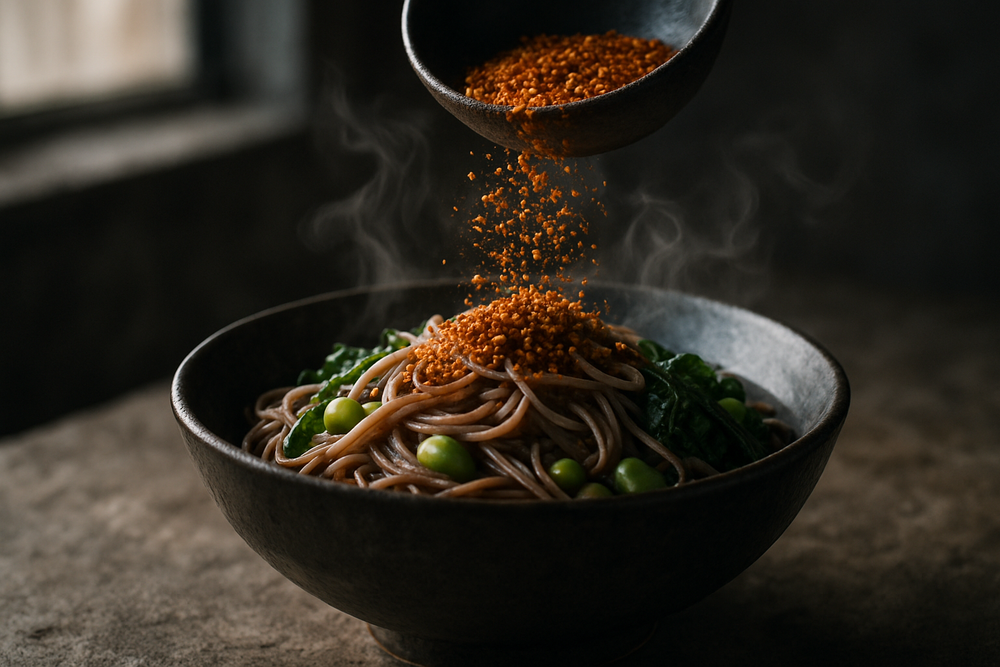
Shichimi Togarashi · Photograph
Discover the shichimi togarashi health benefits behind Japan's iconic seven-spice blend. Learn what's in it, how its chili, sesame, citrus peel, and seaweed contribute phytochemicals, and how to use it on noodles, rice, and roasted vegetables.
Key Nutrients
% Daily Value based on 2,000 cal diet
Key active compounds in shichimi togarashi
The blend draws its health-relevant activity from five main ingredient groups, each contributing distinct plant compounds:
- Capsaicin — the pungent alkaloid (a naturally occurring nitrogen-containing compound) from chili pepper responsible for its heat. May modulate circulation, metabolism, and pain signaling.
- Carotenoids (capsanthin, beta-carotene, fucoxanthin) — pigmented antioxidant compounds from chili and seaweed. Capsanthin and beta-carotene come from the chili; fucoxanthin is found in brown seaweeds. All act as antioxidants (molecules that neutralise cell-damaging free radicals) and beta-carotene is a precursor to vitamin A.
- Sesamin and sesamolin — phenolic lignans (a class of polyphenol, or plant-based antioxidant compound) from sesame seeds. Associated with lipid-modulating and antioxidant effects in research studies.
- Flavonoids (hesperidin and related compounds) — polyphenols from dried citrus peel and shiso leaves with vasoprotective (blood vessel–supporting) and anti-inflammatory properties.
- Alginates and soluble fibers — viscous polysaccharides (types of long-chain sugar molecule) from seaweed cell walls that can bind bile acids in the gut and may modestly influence cholesterol and blood sugar when consumed in larger amounts.
- Sansho alkaloids — the tingling pungency of Japanese pepper comes from compounds called sanshools, which interact with nerve receptors and may support saliva and gastric juice production.
Prep and pairing ideas
Shichimi togarashi is a finishing spice — add it after cooking, not during, to preserve its volatile aromatic oils and chili brightness.
Three practical pairings:
- Roasted root vegetables (sweet potato, carrot, parsnip): The natural sweetness of roasted roots balances the chili heat beautifully, while the citrus peel notes in the blend cut through the caramelised richness. Sprinkle after roasting and drizzle with a little sesame oil to echo the sesame seeds in the blend.
- Soba noodles with edamame and greens: A cold soba salad is a classic vehicle for shichimi. The nutty buckwheat noodles and creamy edamame absorb the heat gently, while the nori in the blend creates a seamless umami (savory depth) bridge between the noodles and any miso or tamari dressing.
- Silken or firm tofu (steamed or grilled): Plain tofu is one of the best canvases for shichimi togarashi. It absorbs flavour readily and the blend adds enough complexity that no further seasoning is needed beyond a drop of rice vinegar or low-sodium soy sauce. This is also how to use shichimi togarashi on vegetables most effectively — let the ingredient's own flavour be the star.
Bottom line
Shichimi togarashi is one of the most phytochemically diverse seasonings available in a single small jar. Its combination of chili, sesame, citrus peel, sansho, and seaweed brings together capsaicin, lignans, flavonoids, carotenoids, and soluble fiber in a genuinely whole-food format. Ingredient-level research suggests these compounds can support cardiovascular health, digestive comfort, and antioxidant defenses — though no trials have yet tested the blend itself.
Its most evidence-supported benefit may be the simplest one: it makes plants taste extraordinary. A sprinkle of shichimi togarashi on roasted vegetables, a grain bowl, or a simple soup can be the difference between a meal that's nutritionally sound and one that's nutritionally sound and genuinely enjoyable — and the research on dietary adherence consistently shows that enjoyment wins in the long run.
Check labels for added salt, be mindful of sesame allergy, and start small if you're new to spicy food. Beyond that, it's one of the most straightforward "food as medicine" upgrades in any kitchen.
Explore how shichimi togarashi fits your personal health goals at Plantopedia Goals.
How Shichimi Togarashi Compares
| Compared with | What's different |
|---|---|
| Shichimi Togarashi vs. Ichimi Togarashi | Contains only one ingredient (dried chili) whereas shichimi uses seven, including sesame and citrus. |
| Shichimi Togarashi vs. Chinese Five Spice | Focuses on ginger, garlic, and star anise; shichimi is citrus-forward with seaweed and sesame notes. |
| Shichimi Togarashi vs. Korean Gochugaru | Milder and sweeter with a smoky profile, lacking the seaweed and tingling sansho pepper of shichimi. |
Health Benefits
Things to Know
Sesame allergy: Sesame is a top-9 allergen in the US and a major allergen in many other countries. All standard shichimi togarashi recipes contain sesame seeds. If you have a confirmed or suspected sesame allergy, read every label carefully or make a sesame-free version at home.
Chili sensitivity and GI conditions: People with GERD (gastroesophageal reflux disease), peptic ulcers, or IBS may find that chili-based spices worsen their symptoms. Start with a very small amount and see how your body responds.
Iodine and thyroid: Nori (dried seaweed) contains iodine. At the small quantities used in shichimi togarashi, most people are well within safe limits. However, those with thyroid conditions requiring strict iodine control should be aware of this and speak with their healthcare provider.
Children: Shichimi togarashi is spicy and may be too intense for young children or those not accustomed to chili heat.
Medications: High-sodium versions may counter dietary advice for those on antihypertensive therapy or managing heart failure. Spicy foods can aggravate gastric mucosa irritation in people taking NSAIDs (non-steroidal anti-inflammatory drugs like ibuprofen) or corticosteroids. No direct drug–spice pharmacokinetic interactions are established.
Pregnancy: Culinary amounts are generally considered safe, but very spicy food may worsen heartburn, which is already common in pregnancy.
Prep Ideas
- — Roasted root vegetables (sweet potato, carrot, parsnip): The natural sweetness of roasted roots balances the chili heat beautifully, while the citrus peel notes in the blend cut through the caramelised richness. Sprinkle after roasting and drizzle with a little sesame oil to echo the sesame seeds in the blend.
- — Soba noodles with edamame and greens: A cold soba salad is a classic vehicle for shichimi. The nutty buckwheat noodles and creamy edamame absorb the heat gently, while the nori in the blend creates a seamless umami (savory depth) bridge between the noodles and any miso or tamari dressing.
- — Silken or firm tofu (steamed or grilled): Plain tofu is one of the best canvases for shichimi togarashi. It absorbs flavour readily and the blend adds enough complexity that no further seasoning is needed beyond a drop of rice vinegar or low-sodium soy sauce. This is also how to use shichimi togarashi on vegetables most effectively — let the ingredient's own flavour be the star.
Glossary
Shop This Ingredient
Stock your pantry with quality shichimi togarashi.
Buy on AmazonAs an Amazon Associate, Plantopedia earns from qualifying purchases. This costs you nothing extra and helps us keep the encyclopedia free.
Frequently Asked Questions
It's worth being upfront: no human clinical trial has tested shichimi togarashi as a whole blend for any specific health outcome. What we know comes from research on its individual ingredients at doses typically larger than what a teaspoon of spice provides. That said, "ingredient-level" evidence is still genuinely useful — and the blend's day-to-day value as a flavor enhancer that supports plant-rich eating is well established in behavioral nutrition research. Heart and circulation Capsaicin from the chili component has been studied in human and animal models for its effects on vasodilation (widening of blood vessels) and endothelial function (the health of the cells lining blood vessels). Sesame lignans have shown favorable effects on LDL cholesterol and oxidative stress markers in some trials. Citrus peel flavonoids, particularly hesperidin, have demonstrated vasoprotective effects in human studies. Seaweed provides unique carotenoids like fucoxanthin, linked to metabolic and cardiovascular markers in animal and early human research. At culinary doses, the amounts of each compound are small — so shichimi togarashi is unlikely to be a standalone heart-health intervention. However, making vegetables and whole grains more palatable may indirectly support cardiovascular eating patterns, and using it in place of high-sodium condiments keeps sodium in check. Digestive health and microbiome Shichimi togarashi for digestion is a nuanced topic. The spicy chili and tingly sansho components can stimulate salivation and gastric secretion, which may support appetite and initial digestive steps in healthy people. Sesame seeds and nori contribute both insoluble fiber (which adds bulk to stool) and small amounts of soluble fiber (which feeds beneficial gut bacteria). At about 1 g of fiber per teaspoon, regular use can make a modest but real contribution to your daily fiber intake. The flip side: chili-based spices can aggravate symptoms in people with reflux, peptic ulcers, or irritable bowel syndrome (IBS). Evidence on chili and digestion in human trials is genuinely mixed, and individual tolerance varies widely. Blood sugar and metabolism No human trials have tested shichimi togarashi for glycemic (blood sugar) control directly. At an ingredient level, capsaicin has shown some influence on glucose uptake and insulin signaling in cell and animal models; sesame lignans can reduce oxidative stress linked to metabolic dysfunction; and soluble fibers from seaweed may slow carbohydrate absorption when consumed in larger amounts. In practice, the blend's most plausible metabolic contribution is indirect: it adds satisfying heat and umami depth to simple dishes, reducing the appeal of sugary sauces and helping people stick to vegetable- and grain-centred meals that naturally support stable blood sugar. Inflammation and recovery Research on the individual components of shichimi togarashi consistently shows anti-inflammatory activity in laboratory and animal studies. Capsanthin and beta-carotene from chili, sesamin from sesame, fucoxanthin from seaweed, and hesperidin from citrus peel all modulate inflammatory pathways in cell models. Human trial data for the blend at culinary doses is absent, so the label "shichimi togarashi anti-inflammatory" should be understood as mechanistically plausible but not yet clinically confirmed. What it does offer is a concentrated mix of antioxidant-rich, minimally processed plant ingredients — something that fits naturally into an overall dietary pattern associated with lower chronic inflammation.
Buying guide: jar, homemade, or salt-free? Commercial bottled blends are the most convenient option and come in small shaker jars. Quality varies — look for brands that list whole recognisable ingredients (dried chili, sesame seeds, sansho, citrus peel, nori) without MSG, artificial flavors, or large amounts of added salt. Some premium Japanese brands use yuzu peel rather than generic citrus, which adds a distinct floral note and a slightly higher flavonoid content. Homemade shichimi togarashi gives you full control over heat level, sodium, and allergen content. You can increase the sesame and nori proportions (boosting fiber and minerals), reduce the chili for a milder blend, or omit sesame entirely if allergy is a concern. Recipes typically toast the seeds and grind the whole mixture lightly, which preserves volatile aromatic compounds. Salt-free versions — both commercial and homemade — are the best fit for whole-food, plant-based eating and for anyone on a low-sodium diet. Always check the label: some commercial blends use salt as a filler or anti-caking agent. Label tip: Ingredients are listed by weight. On a well-made blend, ground red chili (or togarashi) should appear first, followed by sesame seeds, sansho or Japanese pepper, and citrus peel. If salt appears in the first three ingredients, look for another brand.
There is no established recommended dose for shichimi togarashi — it is a culinary seasoning, not a supplement. Typical use across Japanese cooking traditions falls in the range of ¼ to 1 teaspoon per serving of food, with total daily use of 1 to 3 teaspoons for enthusiastic users. A sensible approach: Start small (¼ tsp) if you are new to spicy food, have any GI sensitivity, or are unsure about chili tolerance. You can increase gradually. 1 tsp per meal is comfortable for most adults and delivers roughly 17 calories, 1 g fiber, and a meaningful range of phytochemicals. There is no known upper limit from a food-safety standpoint at culinary doses, but very large amounts of chili-heavy blends can cause gastric discomfort, lip and mouth irritation, and may contribute to sodium intake if the blend contains added salt. At these amounts, shichimi togarashi is a flavor enhancer, not a therapeutic dose of any individual compound. Do not treat it as a substitute for evidence-based care for any health condition.
Quick Answers
Common questions, answered in a line.
Shichimi togarashi contains five main ingredient groups that contribute capsaicin, carotenoids, phenolic lignans, flavonoids, and soluble fibers. These active compounds come from a blend of chili peppers, seaweed, sesame seeds, dried citrus peel, and Japanese pepper.
To preserve its volatile aromatic oils and chili brightness, shichimi togarashi should be added as a finishing spice after cooking rather than during the process. This ensures the complex flavors and heat remain vibrant when served.
Shichimi togarashi supports digestion through sanshools found in Japanese pepper, which may stimulate saliva and gastric juice production. Additionally, the soluble fibers and alginates from seaweed can help bind bile acids in the gut.
Yes, people with sesame allergies must be cautious as all standard shichimi togarashi recipes contain sesame seeds. Those with thyroid conditions should also note that the seaweed in the blend contains iodine, and people with GERD or IBS may find the chili irritates their symptoms.
Shichimi togarashi contains citrus peel and shiso leaves, which provide flavonoids like hesperidin that have vasoprotective and anti-inflammatory properties. The sesame seeds also provide lignans that are associated with lipid-modulating effects in research.
Shichimi togarashi pairs exceptionally well with roasted root vegetables, soba noodles with edamame, and steamed or grilled tofu. Its citrus and chili notes cut through the sweetness of carrots or sweet potatoes and add savory depth (umami) to grain bowls and soups.
For Readers in the USA
Local context — sourcing, seasonality, and regional notes.
You can find shichimi togarashi at major US retailers like Whole Foods Market, Wegmans, and H-Mart, as well as via online marketplaces. While traditionally found in the "International" or "Asian" aisle, many specialty spice shops and high-end grocers now stock it alongside gourmet seasonings.
When purchasing shichimi togarashi in the US, look for the USDA Organic seal to ensure the chili peppers, sesame seeds, and citrus peels were grown without synthetic pesticides. Check the ingredient label carefully, as some domestic brands may add salt or MSG, which are not part of the traditional Japanese Seven-Spice profile.
In the US, shichimi togarashi is widely used as a gourmet topping for avocado toast, popcorn, and poke bowls, reflecting a fusion of Japanese tradition and modern American health trends. It has become a staple in West Coast culinary scenes and "California-style" Japanese cuisine where plant-based bowls are popular.
AI Clinical Review
- Clearly explains what shichimi togarashi is and why it works well as a low-calorie, whole-food seasoning that can make plant-forward meals more satisfying without relying on sugar or heavy sauces.
- Appropriately frames health claims at the ingredient level (capsaicin, sesame lignans, citrus flavonoids, seaweed carotenoids/fiber) and notes that the blend itself hasn’t been tested in human trials.
- Emphasizes realistic expectations: a teaspoon offers small amounts of fiber and diverse phytochemicals (beneficial plant compounds), so benefits are mostly supportive rather than therapeutic.
- Offers practical buying and use tips (look for salt-free blends, add after cooking) that align with nutrition best practices.
- The size of any health effect at culinary doses is uncertain; much of the research uses isolated compounds or higher intakes than a typical sprinkle provides.
- Digestive effects of chili and sansho are mixed across studies and highly individual—some find stimulation helpful, others experience reflux or IBS symptom flares.
- Metabolic and cardiovascular inferences (e.g., on blood sugar or LDL) are biologically plausible but not confirmed for this blend; seaweed fibers and carotenoids are likely too low per serving to drive measurable changes alone.
- Typical use is about 1/4–1 teaspoon per serving (roughly 1–3 teaspoons per day for frequent users); expect flavor and variety more than medical-level effects.
- Sesame is a top allergen—read labels carefully; some blends may also contain mustard or poppy seeds. Consider a homemade sesame-free version if needed.
- If you have GERD, peptic ulcers, or IBS—or are prone to gastric irritation (including with NSAIDs or corticosteroids)—start with tiny amounts and assess tolerance; very spicy foods can aggravate symptoms.
- Seaweed adds small amounts of iodine; those on iodine-restricted plans or with specific thyroid guidance should account for this. Choose salt-free or low-sodium blends if you’re managing blood pressure.
Contains chili and sesame; note for allergies.
References
- USDA FoodData Central — spice and seasoning nutritional data (fdc.nal.usda.gov)
- Shichimi Togarashi nutrition facts per teaspoon — ReciPal (recipal.com)
- Shichimi Togarashi: ingredient overview and culinary history — Just One Cookbook (justonecookbook.com)
- Historical spice trade and shichimi origins — Oxford Symposium on Food and Cookery (oxfordsymposium.org.uk)
- Shichimi Togarashi composition and commercial nutrition data — Fitatu (fitatu.com)
- Shichimi Togarashi ingredient and seasoning guide — Spices Inc (spicesinc.com)
- LinsFood — Shichimi Togarashi Japanese chilli spice mix (linsfood.com)
- Organic Shichimi Togarashi nutritional panel — Eat This Much (eatthismuch.com)
- Capsaicin, cardiovascular and metabolic effects — NIH National Center for Complementary and Integrative Health, chili pepper overview (nccih.nih.gov)
- Togarashi nutrition overview — SnapCalorie (snapcalorie.com)
Know Your Numbers
Eating healthy is a start. Now get to know your biomarkers.
Food changes bloodwork — inflammation, lipids, blood sugar and nutrient status all respond to what you eat. 59 markers from $59.
- Results in 7–10 days at 2,000+ Quest sites
- Licensed provider reviews every result
- One flat price, no membership, HSA/FSA eligible
Educational information only, not medical advice. Panels are ordered and reviewed through our licensed partner; Plantopedia may earn a commission.