Sinki (Fermented Radish Root) — health benefits and uses
Nepali and Sikkimese communities use sinki as a warming, appetite-restoring food during cold months.
The Short Answer
Sinki is a traditional Himalayan fermented radish root known for its sour, earthy flavor and high probiotic content. It provides 17 mg of Vitamin C and 1.6 g of fiber per serving, supporting gut health through lactic acid bacteria.

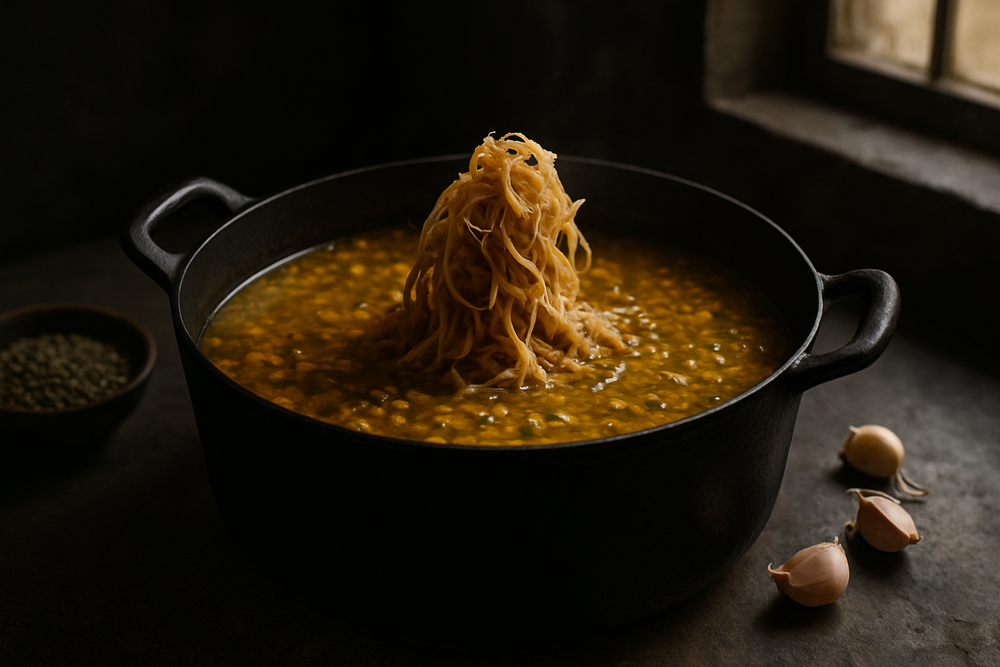
Sinki (Fermented Radish Root) · Photograph
Discover sinki fermented radish health benefits, including gut microbiome support, digestive health, and key nutrition facts. Learn how this traditional Himalayan lacto-fermented radish root is made, how to use it in soups and pickles, and what to know before adding it to your diet.
Key Nutrients
% Daily Value based on 2,000 cal diet
Key active compounds in sinki
- Lactic acid bacteria (LAB): The dominant microbes in sinki — primarily Lactiplantibacillus plantarum, Levilactobacillus brevis, and Lactobacillus fermentum. These are the same probiotic-type bacteria found in kimchi and sauerkraut. They drive fermentation, lower the pH of the product, and may transiently support gut microbiota balance when consumed.
- Lactic acid and acetic acid (organic acids): Produced by LAB during fermentation. These give sinki its sharp, sour flavor and create an acidic environment that inhibits harmful microbes, extending shelf life naturally. They may also support mineral absorption and digestive comfort.
- Glucosinolates and isothiocyanates: Sulfur-containing compounds naturally present in radish and other Brassicaceae (mustard-family) vegetables. During fermentation and digestion, they break down into isothiocyanates — bioactive molecules studied for their potential role in supporting detoxification enzymes and antioxidant defenses.
- Phenolic compounds (phenolic acids and flavonoids): Plant polyphenols (antioxidant compounds found widely in plants) present in radish that are partly transformed during fermentation, potentially increasing their bioavailability (how easily the body absorbs and uses them).
- Dietary fiber: Intact cell-wall fiber from the radish survives fermentation and acts as a prebiotic — food for beneficial gut bacteria.
- Biogenic amines: Small amounts of compounds like histamine and tyramine are a natural by-product of fermentation. Most people process these without issue, but sensitive individuals should be aware (see cautions below).
Prep and pairing ideas
Sinki has a strong, fermented sour aroma — think somewhere between sauerkraut and a funky, earthy radish. Once you cook it into a soup or mix it into a pickle, that sharpness mellows into a satisfying, deeply savory sourness. Here are three practical ways to use it:
1. Sinki jhol (sour soup) with lentils Rinse dried sinki strands, soak for 20 minutes in warm water, and simmer with water, cooked red lentils, timur (Sichuan pepper), turmeric, dried chili, and garlic for 15–20 minutes. Serve with steamed rice. The lentils add plant protein and iron, and the vitamin C in sinki helps boost iron absorption from the lentils — a genuinely smart nutritional pairing.
2. Sinki achar (pickle) with grain bowls Rehydrate sinki, squeeze out excess water, and mix with mustard oil, sesame seeds, fresh chili, salt, and a squeeze of lime. Serve as a small condiment alongside any grain bowl or rice dish. The acidity of sinki acts as a natural flavor brightener — similar to how a splash of vinegar lifts a whole dish.
3. Sinki with roasted vegetables and miso broth Add a small handful of soaked sinki to a simple miso broth with roasted root vegetables (carrot, turnip, sweet potato). The sinki provides a fermented sour counterpoint to the sweet roasted vegetables. This pairing stacks two fermented ingredients — miso and sinki — for a gut-friendly meal with a complex umami-and-sour flavor profile.
Bottom line
Sinki is a remarkable, under-appreciated Himalayan fermented food that offers a genuinely distinct set of characteristics: naturally non-salted (in traditional form), very low in calories, rich in lactic acid bacteria and organic acids, and built on a fiber-containing radish base. The existing evidence — primarily from studies on lacto-fermented vegetables broadly, not sinki specifically — suggests it may meaningfully support gut microbiota diversity and the gut metabolome, and may offer modest benefits for digestive comfort and inflammation over time.
It is not a medicine, and it won't single-handedly fix any health condition. What it can do, as part of a varied whole-food diet, is add probiotic diversity, fiber, and fermented bioactives in a form that has stood the test of time across centuries of Himalayan food culture. That is a meaningful thing.
If you are curious about expanding your fermented food horizons and comfortable with a bold sour flavor, sinki is one of the most interesting, evidence-aligned options you have probably never tried.
Looking to build a full gut-health focused eating pattern? Explore how fermented vegetables fit within a broader approach at /goals.
How Sinki (Fermented Radish Root) Compares
| Compared with | What's different |
|---|---|
| Sinki (Fermented Radish Root) vs. Gundruk | Sinki uses radish roots, whereas Gundruk is made from fermented leafy greens. |
| Sinki (Fermented Radish Root) vs. Kimchi | Sinki is pit-fermented radish root; Kimchi is typically salted cabbage with chili and ginger. |
| Sinki (Fermented Radish Root) vs. Sauerkraut | Sinki is dried after fermentation for a concentrated, funky sourness versus fresh, wet cabbage. |
Health Benefits
Things to Know
Introduce gradually.: If you are new to fermented foods, start with a small amount — 1 to 2 tablespoons of rehydrated sinki — and build up over one to two weeks. This gives your digestive system time to adjust and reduces the chance of temporary gas or bloating.
Histamine-sensitive individuals.: Fermented vegetables naturally accumulate biogenic amines like histamine and tyramine. People with histamine intolerance or mast-cell disorders (conditions where the body overreacts to histamine) may experience headaches, flushing, or digestive symptoms. If you react to other fermented foods like wine, aged cheese, or kimchi, proceed cautiously.
Sodium varies by recipe.: Traditional non-salted pit fermentation keeps sodium very low, but modern recipes may use salt brines. If you are on a medically prescribed low-sodium diet, check how the sinki you are buying or making was prepared.
Inflammatory bowel conditions.: People with active Crohn's disease, ulcerative colitis, or very sensitive IBS should introduce fermented vegetables slowly and monitor symptoms, ideally with guidance from a dietitian.
Immunocompromised individuals.: People undergoing chemotherapy, post-transplant, or with conditions that significantly suppress immune function are sometimes advised to limit unpasteurized fermented foods. Discuss this with your healthcare team.
Thyroid conditions.: Radish contains glucosinolates, which in very large amounts could theoretically interfere with thyroid function. Typical culinary servings of sinki are unlikely to pose a meaningful risk, but if you have a thyroid condition and are eating sinki in large quantities regularly, it is worth mentioning to your doctor.
MAOI medications.: Monoamine oxidase inhibitors (a class of antidepressants) interact with dietary amines. Fermented vegetables contain biogenic amines; if you take an MAOI, discuss fermented food intake with your prescriber before adding sinki regularly.
Other medications.: No well-documented direct interactions with common medications (warfarin, metformin, statins) have been reported for sinki. As a general principle, introduce any concentrated fermented food gradually and discuss significant dietary changes with a healthcare professional if you take prescription medication.
Pregnancy.: Traditionally fermented, unpasteurized foods are generally considered safe for healthy pregnant individuals at normal serving sizes, but if you are uncertain, consult your midwife or doctor.
Shop This Ingredient
Stock your pantry with quality sinki (fermented radish root).
Buy on AmazonAs an Amazon Associate, Plantopedia earns from qualifying purchases. This costs you nothing extra and helps us keep the encyclopedia free.
Frequently Asked Questions
There are no human clinical trials specifically on sinki. The evidence discussed below comes from studies on lacto-fermented vegetables broadly, lactic acid fermentation science, and radish nutrition research. Where relevant, evidence quality is noted. Digestive health and microbiome This is where the strongest and most relevant evidence sits. Several small human studies show that regular consumption of lacto-fermented vegetables can shift gut microbiota composition and, importantly, alter the gut metabolome — the collection of chemical compounds your gut bacteria produce. A cross-sectional study found that regular fermented-vegetable consumers had more diverse fecal metabolites, including higher levels of short-chain fatty acids (SCFAs) like butyrate, compared to non-consumers. SCFAs are produced by gut bacteria fermenting fiber and are important for colon cell health and immune regulation. A 6-week pilot study in women consuming roughly 100 g per day of fermented vegetables found feasible intake and beneficial shifts in gut microbiota, though inflammatory markers did not change significantly. A separate randomized trial using kimchi (a closely related fermented vegetable product) in people with irritable bowel syndrome (IBS) — a common disorder involving digestive discomfort — found symptom improvements and microbiota changes, suggesting that fermented vegetables can be well tolerated and may ease digestive symptoms in some people. Mechanistically, sinki's LAB, organic acids, and fiber all point toward gut support, but sinki-specific human data are not yet available. Heart and circulation Evidence here is emerging and modest. A human trial of about 100 g per day of fermented vegetables for 8 weeks in adults at increased cardiovascular risk found modest changes in gut microbiota composition but no significant changes in inflammatory markers or overall microbial diversity. Observational and mechanistic research on fermented foods more broadly suggests possible benefits for blood pressure and lipid profiles (fat levels in the blood), but robust long-term trials are lacking. One relevant practical point: traditional pit-fermented sinki is described as non-salted, which may make it more heart-friendly than heavily brined pickles. However, some modern recipes add salt, so sodium content varies — check how yours was made if sodium is a concern. Blood sugar and metabolism Clinical data specific to fermented vegetables and blood sugar are minimal. Radish itself is very low in carbohydrates and has a negligible effect on blood sugar. Fermentation does not increase the carbohydrate content, so sinki is unlikely to raise blood sugar in typical portions. Mechanistic research suggests that organic acids and SCFAs produced by LAB may influence insulin sensitivity and postprandial (after-meal) glucose responses, but these effects have not been specifically tested with sinki. Inflammation and recovery A controlled dietary study from Stanford showed that a diet rich in diverse fermented foods (including fermented vegetables) increased gut microbial diversity and reduced several systemic inflammatory markers over 10 weeks, compared to a high-fiber diet alone. However, smaller trials focused specifically on fermented vegetables have generally not found significant changes in standard inflammatory blood tests. Reviews suggest that the polyphenols, microbial metabolites, and improved gut barrier function associated with fermented vegetables may contribute to reduced low-grade inflammation, but clinical evidence remains limited and should not be overstated.
All three forms deliver the core nutritional benefits from the radish base and fermentation process. The practical differences are: Dried sinki (traditional sun-dried strands): The most shelf-stable form and the closest to the traditional preparation. Concentrates nutrients but requires soaking and cooking before eating. Sourcing dried sinki outside South Asia typically means buying from specialty Nepali or Himalayan food retailers or making it at home. Rehydrated sour soup (sinki jhol): The most common way to eat sinki. Soaking and gentle simmering with water, legumes, or vegetables delivers organic acids and fiber. Note that prolonged boiling at high heat will reduce the live bacterial count — if maximizing probiotic potential matters to you, shorter cook times or finishing the soup at a lower simmer are worth considering. Sinki pickle (achar): Rehydrated sinki mixed with spices, oil, and sometimes additional fermentation as a condiment. Delivers concentrated flavor in smaller portions and provides regular small exposures to fermented components. A good option if you find the full soup too intensely sour to start with. Modern jar or crock fermentation: A home-friendly adaptation using grated radish packed into glass jars and fermented at room temperature for 2–3 weeks before drying. Salt content varies by recipe, which matters if you are monitoring sodium.
The gut-health focused eater Already eats kimchi, sauerkraut, or kefir and is looking to expand their fermented food repertoire beyond the familiar Western options. Interested in naturally occurring LAB from whole fermented vegetables rather than supplements. Enjoys sour, umami-forward flavors and is willing to experiment with new cuisines. The whole-food plant-based (WFPB) cook Wants a low-calorie, zero-animal-product fermented food that adds big flavor to grain bowls, soups, and pickles. Values traditional food cultures and less-processed ingredients. Looking for ways to add variety and probiotic diversity to a plant-based diet that doesn't rely on dairy or commercially processed fermented products.
There is no official recommended daily amount for sinki. Traditional use in Himalayan communities involves small to moderate portions — roughly 10 to 50 g of dried sinki (before soaking) per serving, eaten intermittently rather than every day at high quantities. Human trials on fermented vegetables generally use approximately 50 to 100 g per day (about half a cup to one cup of rehydrated fermented vegetable) for 6 to 8 weeks, and this range has been reported as feasible and well tolerated in healthy adults. Practical guidance: If you are new to sinki or fermented foods: Start with 1 to 2 tablespoons of rehydrated sinki (roughly 20–30 g) a few times a week. Assess how your digestive system responds over one to two weeks. If you are accustomed to fermented foods: A small serving (50 to 100 g rehydrated) several times per week as part of a varied diet is a reasonable target, consistent with the amounts used in research. No need to eat it daily. Variety across fermented foods (sinki, kimchi, sauerkraut, miso, etc.) may support broader microbial diversity than eating large amounts of one fermented food every day.
Quick Answers
Common questions, answered in a line.
Sinki is a traditional Himalayan fermented food made from radish roots that are typically pit-fermented without salt. This process uses lactic acid bacteria to create a sour, probiotic-rich vegetable product that is often dried for long-term storage.
Sinki contains probiotic lactic acid bacteria, organic acids, dietary fiber, and bioactive compounds like glucosinolates and polyphenols. These elements work together to support gut microbiota balance, enhance mineral absorption, and provide antioxidant defenses.
You can use sinki to make sinki jhol (a sour lentil soup), mix it into spicy pickles (achar), or add it to miso broth with roasted vegetables. It is typically rehydrated in warm water before being simmered or tossed with oil and spices to mellow its sharp, earthy aroma.
Eating sinki with lentils is nutritionally beneficial because the vitamin C in the fermented radish helps boost the absorption of iron from the lentils. Additionally, the fiber in the radish acts as a prebiotic, feeding the beneficial bacteria provided by the fermentation process.
Individuals with histamine intolerance, thyroid conditions, or those taking MAOI medications should exercise caution when eating sinki. Because it contains biogenic amines and glucosinolates, it may trigger headaches in sensitive people or theoretically interfere with thyroid function if consumed in very large amounts.
Sinki is naturally very low in calories and, in its traditional form, is made without salt, making it a heart-healthy addition to a varied diet. It provides fermented bioactives and fiber that may support digestive comfort and help manage inflammation over time.
Begin with 1 to 2 tablespoons of rehydrated sinki per day and gradually increase the amount over one to two weeks. This slow introduction allows your digestive system to adapt to the new probiotics and fiber, reducing the likelihood of temporary gas or bloating.
For Readers in the USA
Local context — sourcing, seasonality, and regional notes.
You can find sinki at specialty Nepalese, Bhutanese, or Tibetan grocery stores in major US metro areas like New York City, Dallas, or Columbus. While it is rarely found in mainstream chains like Kroger or Safeway, some specialized South Asian markets and online retailers stock dried sinki strands imported from the Himalayan region.
While sinki is traditionally a Himalayan product, you can make it at home using daikon or red radishes grown in USDA Hardiness Zones 2 through 10. Radishes are a cool-season crop in the US, typically harvested in late spring or fall, making these the ideal times to begin the traditional pit-fermentation process.
The FDA regulates imported fermented foods like sinki under strict food safety standards, and consumers should look for products with clear "Nutrition Facts" labels. If you are buying sinki at a local US farmers market, ensure the vendor follows state-specific cottage food laws or commercial food processing regulations for acidified foods.
AI Clinical Review
- Clearly explains what sinki is and how it’s traditionally made (pit fermentation, usually without added salt), and notes its low-calorie, fiber-containing profile.
- Frames potential gut benefits appropriately: evidence from fermented-vegetable studies shows shifts in the gut microbiome/metabolome and short-chain fatty acids, while acknowledging no sinki-specific trials yet.
- Offers practical preparation context and rightly notes that prolonged boiling can reduce live bacteria; starting with small amounts is sensible for newcomers to ferments.
- Highlights that sodium content varies by method, which is important for readers monitoring blood pressure.
- The exact bacteria present and their viable counts after drying, rehydration, and cooking aren’t well established; any “probiotic” effect likely varies by batch and preparation.
- Vitamin C and other phytonutrients can decline with fermentation, drying, and simmering; real-world per‑serving amounts may be lower than raw radish, especially when cooked.
- Cardiometabolic outcomes (blood pressure, lipids, glucose) remain preliminary based on small studies; view potential benefits as supportive rather than therapeutic.
- Claims about enhanced bioavailability of glucosinolates/isothiocyanates and polyphenols are plausible but not quantified specifically for sinki.
- Amounts: if you’re new to fermented foods, 1–2 tablespoons rehydrated is a gentle start; research on similar foods often uses about 50–100 g rehydrated per day for several weeks.
- Sensitive groups: people with histamine intolerance, those taking MAOIs, individuals with active IBD or very sensitive IBS, and those who are immunocompromised should check with a clinician first; healthy pregnancy intake in normal portions from trusted sources is generally considered acceptable.
- Sodium: traditional pit‑fermented sinki is typically very low in sodium, but some modern or commercial versions use salt—verify if you’re limiting sodium.
- Heat and form: adding sinki later in cooking or using it as a quick pickle may retain more live microbes; even when cooked, you still get organic acids and fiber.
Strong sour aroma; introduce gradually if new to ferments.
References
- USDA FoodData Central — radish and vegetable nutrient database (fdc.nal.usda.gov)
- Sinki: A Traditional Radish Tap Lactic Acid Fermented Root Product — peer-reviewed description of sinki's microbiology and process (jstage.jst.go.jp)
- Fermented Fruits and Vegetables of Asia: A Potential Source of Probiotics — PubMed Central review including sinki (pmc.ncbi.nlm.nih.gov)
- Lacto-Fermented Fruits and Vegetables: Bioactive Components and Effects on Human Health — 2025 review, PubMed (pubmed.ncbi.nlm.nih.gov)
- Regular consumption of lacto-fermented vegetables has greater effects on the gut metabolome compared with the microbiome — human cross-sectional and intervention study, Cambridge Gut Microbiome (cambridge.org)
- Effects of fermented vegetable consumption on gut microflora composition in women — 6-week pilot trial, PMC (pmc.ncbi.nlm.nih.gov)
- Effects of fermented vegetables on the gut microbiota in adults at risk for cardiovascular disease — 8-week trial, PMC (pmc.ncbi.nlm.nih.gov)
- Fermented vegetables as a potential treatment for IBS — kimchi randomized trial, PMC (pmc.ncbi.nlm.nih.gov)
- Fermented-food diet increases microbiome diversity, lowers inflammation — Stanford Medicine summary of controlled dietary study (med.stanford.edu)
- Lactic acid bacteria in Asian fermented foods and their potential health effects — PMC review (pmc.ncbi.nlm.nih.gov)
Know Your Numbers
Eating healthy is a start. Now get to know your biomarkers.
Food changes bloodwork — inflammation, lipids, blood sugar and nutrient status all respond to what you eat. 59 markers from $59.
- Results in 7–10 days at 2,000+ Quest sites
- Licensed provider reviews every result
- One flat price, no membership, HSA/FSA eligible
Educational information only, not medical advice. Panels are ordered and reviewed through our licensed partner; Plantopedia may earn a commission.