Slippery Elm — health benefits and uses
Traditional North American demulcent for digestive and throat comfort.
The Short Answer
Slippery elm is a herbal digestive aid containing mucilage, a soluble fiber that swells in water to form a protective gel. This gel coats and soothes the throat and gastrointestinal tract to relieve acid reflux, IBS, and sore throats.
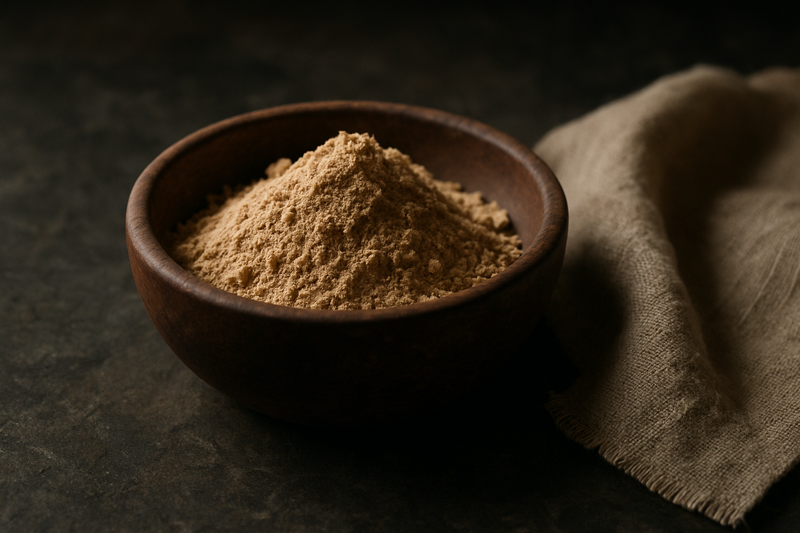
Slippery Elm · Photograph
Discover the slippery elm benefits for digestion and gut health, from soothing IBS and acid reflux to coating a sore throat. Learn how to use slippery elm powder in drinks, porridges, and teas, plus safe dosage ranges, medication interactions, and who should avoid it.
Key Nutrients
% Daily Value based on 2,000 cal diet
Key active compounds
- Mucopolysaccharides (mucilage) — The dominant active constituent. Composed of hexoses, pentoses, methylpentoses, and galacturonic acid residues; swell in water to form the characteristic protective gel. This is the compound responsible for virtually all of slippery elm's known digestive and throat-soothing actions.
- Antioxidant phenolic compounds — Plant-derived polyphenols present in the bark extract. Laboratory studies using inflamed colon tissue have found these compounds reduce the production of reactive oxygen species (unstable molecules that can damage cells), suggesting a potential secondary anti-inflammatory role.
- Tannins (minor) — Astringent plant compounds that may contribute a mild tightening, protective effect on mucosal surfaces.
Prep and pairing ideas
Basic soothing drink Stir 1–2 teaspoons of slippery elm powder into a mug of warm water (not boiling — heat is fine but keep it drinkable). Add a small squeeze of lemon and a drizzle of raw honey if tolerated. Drink slowly. The texture is naturally thick and mild-tasting, similar to a light oat milk.
Breakfast porridge Combine 1 tablespoon of slippery elm powder with 1 cup of hot water or unsweetened oat milk. Stir quickly to prevent lumps. Top with banana slices, a pinch of cinnamon, and a few blueberries. This produces a soft, easily digestible meal that is particularly gentle during a flare of digestive discomfort.
Common pairings — and why they work
- Slippery elm + ginger. Ginger (fresh or ground) adds natural warmth and its own well-studied anti-nausea effect. Together in a tea, they address both the soothing coating role (elm) and nausea or cramping (ginger) — a practical pairing for upset stomach or morning discomfort.
- Slippery elm + oat bran. As used in IBS research, the two fibers work differently — elm's mucilage coats, while oat bran's beta-glucan (a type of soluble fiber) feeds beneficial gut bacteria and lowers cholesterol. Combining them in a porridge may offer complementary gut benefits.
- Slippery elm + chamomile tea. Using chamomile infusion as the liquid base for your slippery elm drink adds chamomile's mild antispasmodic (muscle-relaxing) and calming properties to the elm's coating action, making this a good evening option for people who experience tension-related gut symptoms.
Bottom line
Slippery elm inner bark is one of the more biologically plausible herbal digestive aids available. Its gel-forming mucilage genuinely coats and soothes mucous membranes — the FDA recognizes this, and the mechanism is well-understood. Where the evidence is weaker is in rigorously proving exactly how much benefit you will get for specific conditions, because most human data come from small, uncontrolled, or multi-ingredient studies.
For everyday digestive comfort, occasional reflux relief, and throat soothing, slippery elm has a long safety record and a mechanistically sound basis. For serious conditions like IBD, GERD, or IBS requiring management, it may be a reasonable complementary tool — but only alongside, never instead of, qualified medical care. Take it with plenty of water, keep it well away from your medications, and if you are pregnant, skip it entirely until more research is available.
How Slippery Elm Compares
| Compared with | What's different |
|---|---|
| Slippery Elm vs. Marshmallow Root | Produces a thicker, gel-like mucilage specifically used to coat the throat and gut lining. |
| Slippery Elm vs. Oat Bran | Contains beta-glucan and more calories, used as a food staple rather than a concentrated herbal aid. |
| Slippery Elm vs. Psyllium Husk | Derived from seeds rather than bark; primarily used for bowel regularity rather than soothing reflux. |
Health Benefits
Things to Know
Always take with plenty of water.: Each dose needs at least 240 mL (8 oz / 1 full glass) of fluid to allow the mucilage to form properly and to avoid it thickening excessively in the gut.
Space away from medications by 60–90 minutes.: The gel can bind to and delay the absorption of drugs or supplements taken at the same time. This applies to thyroid medications, anticoagulants (blood thinners), antiepileptics, cardiac drugs, oral contraceptives, and any drug where precise blood levels matter.
Space away from oral supplements (iron, zinc, other minerals): for the same reason — take them at a different time of day.
Pregnancy: avoid.: Historical sources document abortifacient (labour-inducing) effects in certain traditional preparations. Modern controlled data are absent, but most current references recommend pregnant individuals avoid slippery elm as a precaution.
GI strictures or severe motility disorders.: If you have a history of intestinal obstruction, a narrowed gut segment, or a diagnosed condition affecting gut movement, discuss slippery elm with your doctor before use — the bulking effect could theoretically worsen a blockage.
Known elm or tree pollen allergies.: Hypersensitivity reactions, while uncommon, are more likely in people with existing elm-family pollen sensitivity.
IBD (Crohn's, ulcerative colitis).: Slippery elm is not a replacement for prescribed therapies. If you have IBD and want to explore it as a complementary option, tell your gastroenterologist first.
Long-term use.: No safety signals have emerged for long-term use at typical food-like doses, but extended high-dose use has not been formally studied. Periodic breaks and professional review are sensible.

Best Forms
The outer bark does not contain meaningful amounts of mucilage. Labels should read "inner bark" (not just "bark").
Ulmus rubra is listed as a species of conservation concern in some regions due to overharvesting; certifications help ensure responsible supply.
Loose powder gives you flexibility to adjust dose and prepare drinks or porridges; capsules are convenient but may not hydrate as fully in the gut. If using capsules, drink a full glass of water with each dose.
Look for brands that carry NSF, USP, or similar independent quality verification — this confirms the product contains what the label claims.
Multi-herb formulas make it impossible to know which ingredient is helping (or causing any side effect).
Prep Ideas
- — Slippery elm + ginger. Ginger (fresh or ground) adds natural warmth and its own well-studied anti-nausea effect. Together in a tea, they address both the soothing coating role (elm) and nausea or cramping (ginger) — a practical pairing for upset stomach or morning discomfort.
- — Slippery elm + oat bran. As used in IBS research, the two fibers work differently — elm's mucilage coats, while oat bran's beta-glucan (a type of soluble fiber) feeds beneficial gut bacteria and lowers cholesterol. Combining them in a porridge may offer complementary gut benefits.
- — Slippery elm + chamomile tea. Using chamomile infusion as the liquid base for your slippery elm drink adds chamomile's mild antispasmodic (muscle-relaxing) and calming properties to the elm's coating action, making this a good evening option for people who experience tension-related gut symptoms.
Glossary
Shop This Ingredient
Stock your pantry with quality slippery elm.
Buy on AmazonAs an Amazon Associate, Plantopedia earns from qualifying purchases. This costs you nothing extra and helps us keep the encyclopedia free.
Frequently Asked Questions
Digestive health and the gut lining This is where the most meaningful human-relevant data exists, though the evidence base is still early-stage. The FDA has classified slippery elm as a generally recognized safe (GRAS) oral demulcent, meaning it is accepted as able to coat and protect irritated mucosal surfaces. Beyond that regulatory recognition: A pilot study in women with constipation-predominant IBS used a daily formula containing approximately 14 g of slippery elm powder (alongside lactulose, licorice, and oat bran). Participants reported improved bowel frequency, reduced straining, and less abdominal discomfort over the study period. Because other ingredients were present, the effect of slippery elm alone cannot be isolated. A 16-week uncontrolled trial of a gut-support formula that included slippery elm found reduced self-reported reflux, bloating, and gut permeability markers. Again, the multi-ingredient design prevents firm conclusions about slippery elm's individual contribution. Reference texts cite a typical dose of 1.5–3 g/day of inner bark for symptomatic relief of minor stomach ulcers, consistent with its demulcent classification, but no placebo-controlled trials have confirmed objective ulcer healing. Bottom line for digestion: Evidence supports a plausible, mechanically-driven soothing and bulking role. Formal randomized controlled trials of slippery elm alone are still lacking. Reflux and heartburn (acid reflux) Slippery elm is frequently used for acid reflux — the backward flow of stomach acid into the oesophagus — and the mechanism is intuitive: the mucilage gel could form a protective barrier between stomach acid and the oesophageal lining. The multi-herb study mentioned above did report reduced reflux symptoms, but again, no single-ingredient trial isolates this effect. Research suggests symptomatic relief is plausible, but it should not replace evidence-based treatments for diagnosed gastroesophageal reflux disease (GERD). Inflammatory bowel conditions Inflammatory bowel disease (IBD) covers conditions like ulcerative colitis and Crohn's disease, where the gut wall becomes chronically inflamed. In vitro (laboratory) studies using inflamed colon tissue from ulcerative colitis patients found that slippery elm extracts reduced the production of oxygen free radicals — unstable molecules that worsen tissue damage. This is an interesting mechanistic finding, but: No randomized or controlled human trials have shown slippery elm induces or maintains remission in IBD. Major gastroenterology bodies do not list it as a primary treatment. It can be considered as a supportive, complementary option alongside evidence-based care, only with a clinician's knowledge. Throat and upper respiratory soothing Slippery elm lozenges and teas are among the oldest and most widely used applications. The logic is identical to its gut role: mucilage coats the throat lining, reducing irritation from coughing or inflammation. No controlled clinical trials have measured throat or cough outcomes specifically from slippery elm, but the mechanism is well-accepted and the practice has a long safety record. Evidence here rests on traditional use, expert consensus, and mechanistic plausibility rather than clinical trial data. Blood sugar and metabolism The viscous, gel-forming nature of slippery elm's mucilage theoretically slows the rate at which sugars are absorbed from a meal — a mechanism demonstrated with other soluble fibers like beta-glucan (from oats) and psyllium husk. However, no human trials have specifically measured the effect of slippery elm on blood glucose or diabetes outcomes. Any blood sugar benefit is inferred from general fiber physiology, not direct evidence. Inflammation and antioxidant activity Beyond the IBD tissue-level data described above, slippery elm's phenolic compounds may contribute broader antioxidant activity, helping to neutralize free radicals. This remains a laboratory-level observation. No human trials have linked slippery elm intake to reduced inflammatory biomarkers (measurable indicators of inflammation in the body) in clinical settings.
Slippery elm comes in several forms, each suited to slightly different uses: | Form | Typical dose | Best for | | --- | --- | --- | | Powder stirred into water | 1–2 tsp (2–4 g) in 240 mL water, 1–2×/day | Daily digestive support, reflux | | Porridge / gruel | 1–2 tbsp (7–14 g) in hot water or plant milk | Gentle stomach coating, convalescence | | Hot or cold tea (infusion) | 120 mL (½ cup), up to 3×/day | Throat soothing, mild GI upset | | Lozenges | 200–300 mg per lozenge, as needed | Sore throat, convenience on the go | | Capsules | 500–1,000 mg, per manufacturer guidance | Convenience when you dislike the taste | | Liquid extract | 5 mL, 3×/day (herbal reference dose) | When precise measuring is preferred | Powder and porridge forms are generally preferred because they allow full hydration of the mucilage, producing the most gel and the most soothing contact time with gut tissues. Lozenges are a practical, effective option for throat use — the slow dissolution in the mouth allows good mucosal contact time. Buying guide: what to look for When purchasing slippery elm, quality and sourcing matter: Look for "inner bark" specifically. The outer bark does not contain meaningful amounts of mucilage. Labels should read "inner bark" (not just "bark"). Choose certified organic or sustainably sourced products. Ulmus rubra is listed as a species of conservation concern in some regions due to overharvesting; certifications help ensure responsible supply. Powder vs. capsules: Loose powder gives you flexibility to adjust dose and prepare drinks or porridges; capsules are convenient but may not hydrate as fully in the gut. If using capsules, drink a full glass of water with each dose. Check for third-party testing. Look for brands that carry NSF, USP, or similar independent quality verification — this confirms the product contains what the label claims. Avoid blends when you want to assess tolerance. Multi-herb formulas make it impossible to know which ingredient is helping (or causing any side effect).
There is no single universally agreed dose, but commonly used ranges from clinical and herbal reference sources are: General digestive support / demulcent use: 2–4 g of inner bark powder per day (roughly 1–2 teaspoons), divided into 1–2 doses, taken before meals or at bedtime. Upper range used in IBS studies: Up to 14 g/day has been used in multi-ingredient formulas; however, this was under study conditions and is not a starting recommendation. Lozenges for sore throat: 200–300 mg per lozenge, used as needed — typically 3–6 times per day during acute discomfort. Tea / infusion: Approximately 120 mL (½ cup) up to three times per day. Capsules: 500–1,000 mg per capsule, following manufacturer directions. Start low and go slow. If you are new to slippery elm, begin with 1 teaspoon (approximately 2 g) once daily in a full glass of water, assess your tolerance over one to two weeks, then increase if needed. Because the powder expands significantly in fluid, people with sensitive digestion should not skip the water requirement. Children and older adults: No formal pediatric dosing exists. For children or older adults with swallowing difficulties, extra caution around the bulking effect is warranted. Seek professional guidance before using slippery elm in these groups.
Quick Answers
Common questions, answered in a line.
Slippery elm creates a protective gel-like coating called mucilage that physically soothes the mucous membranes of the digestive tract and throat. This mechanism is responsible for its use in relieving acid reflux, IBS symptoms, and sore throats.
You should take slippery elm at least 60 to 90 minutes away from other medications to ensure they are absorbed properly. The gel-like mucilage can bind to drugs and supplements, potentially delaying or reducing their effectiveness in the bloodstream.
Pregnant individuals should avoid slippery elm because historical sources document it may have abortifacient or labor-inducing effects. While modern controlled data is lacking, healthcare experts recommend avoiding it as a safety precaution during pregnancy.
To make a basic slippery elm drink, stir 1 to 2 teaspoons of the powder into a mug of warm water until it reaches a thick, mild-tasting consistency. You can add lemon or raw honey for flavor, but avoid using boiling water to keep the drink at a comfortable temperature.
Slippery elm contains mucilage to coat the gut, antioxidant phenolic compounds to reduce cell damage, and minor amounts of tannins for a mild protective effect. These active constituents work together to provide digestive and anti-inflammatory support.
Yes, you can mix slippery elm into a breakfast porridge by combining 1 tablespoon of powder with a cup of hot water or oat milk. This creates a soft, easily digestible meal that is particularly gentle for those experiencing a flare of digestive discomfort.
You must drink at least 8 ounces (240 mL) of water with each dose of slippery elm to ensure the mucilage forms correctly and to prevent it from thickening too much in your gut. Proper hydration is essential to avoid potential blockages or digestive discomfort.
For Readers in the USA
Local context — sourcing, seasonality, and regional notes.
Slippery elm is native to eastern North America, growing predominantly from the central and eastern United States up into southeastern Canada. While it can be found as far west as the Dakotas and Texas, it thrives most abundantly in the moist soils of the Appalachian and Midwest regions.
In the US, you can buy slippery elm powder and capsules at major natural food chains like Whole Foods Market, Sprouts Farmers Market, and Vitamin Shoppe. It is also a staple in local independent apothecaries and is widely available through major US-based online retailers.
The FDA classifies slippery elm as a "generally recognized as safe" (GRAS) demulcent, meaning it is legally permitted in over-the-counter products for temporary relief of minor sore throats. However, for digestive claims, it is sold as a dietary supplement, which is regulated differently than prescription drugs.
Slippery elm is also known in the United States by the regional names Red Elm, Gray Elm, or Indian Elm. These names refer to the species Ulmus rubra, which is distinct from the American Elm tree that was famously devastated by Dutch Elm Disease in the 20th century.
AI Clinical Review
- Explains the core mechanism clearly: slippery elm’s mucilage (a gel-forming soluble fiber) coats irritated mucous membranes, acting as a demulcent (a soothing protective layer).
- Accurately notes that most human data are early-stage and often from multi-ingredient formulas, so effects of slippery elm alone are hard to isolate.
- Provides practical, consumer-relevant dosing ranges and form options (powder, porridge, lozenges), with the sensible emphasis on taking it with ample water.
- Highlights key safety considerations: potential to slow medication absorption and the precaution to avoid use during pregnancy.
- IBS and reflux: reported benefits come mainly from small, uncontrolled, or multi-herb studies; single-ingredient, placebo-controlled trials are still lacking.
- IBD: antioxidant and anti-inflammatory signals are mostly laboratory (in vitro) findings; no robust human trials show remission or disease modification.
- Blood sugar effects are inferred from soluble fiber physiology; there are no direct clinical studies with slippery elm measuring glycemic outcomes.
- Typical starting dose for general digestive support: about 2–4 g/day (≈1–2 tsp of inner bark powder), with a full glass of water; higher amounts used in research were part of supervised multi-ingredient regimens.
- Separate from medicines and mineral supplements by at least 60–90 minutes; this is especially important for thyroid meds, anticoagulants, antiepileptics, cardiac drugs, and oral contraceptives.
- Use caution and speak with a clinician if you’re pregnant (avoid), have swallowing difficulties, known GI strictures or severe motility disorders, or tree/elm allergies.
- Quality matters: look for products labeled “inner bark,” ideally sustainably sourced and third‑party tested; powder or porridge forms generally provide the most contact time for soothing effects.
Take with plenty of water; may slow absorption of medications taken at the same time.
References
- USDA FoodData Central — ingredient nutrition reference (fdc.nal.usda.gov)
- Drugs.com — slippery elm monograph: uses, safety, interactions (drugs.com)
- RxList — slippery elm: side effects, dosage, interactions, warnings (rxlist.com)
- SupplementScience — slippery elm research and evidence overview (supplementscience.org)
- ScienceInsights — is slippery elm a laxative? What research shows (scienceinsights.org)
- DrOracle — safe dosage and usage of slippery elm (clinical guidance) (droracle.ai)
- PMC — Natural product-derived drugs for inflammatory bowel disease (mentions slippery elm antioxidant data) (pmc.ncbi.nlm.nih.gov)
- American Herbal Pharmacopoeia — slippery elm inner bark monograph (epi4dogs.com)
- HermeticaSuperfoods — slippery elm bark encyclopedic entry (hermeticasuperfoods.com)
- GutHealthDubai — slippery elm for Crohn's and ulcerative colitis: clinical commentary (guthealthdubai.com)
Know Your Numbers
Eating healthy is a start. Now get to know your biomarkers.
Food changes bloodwork — inflammation, lipids, blood sugar and nutrient status all respond to what you eat. 59 markers from $59.
- Results in 7–10 days at 2,000+ Quest sites
- Licensed provider reviews every result
- One flat price, no membership, HSA/FSA eligible
Educational information only, not medical advice. Panels are ordered and reviewed through our licensed partner; Plantopedia may earn a commission.