Snap Peas — health benefits and uses
A modern cross bred for sweetness, echoing garden peas eaten fresh off the vine.
The Short Answer
Snap peas are a nutrient-dense legume eaten whole for their edible pod and sweet seeds. They are an excellent source of vitamin C, providing 50 mg per cup, and offer a significant amount of vitamin K for bone health.
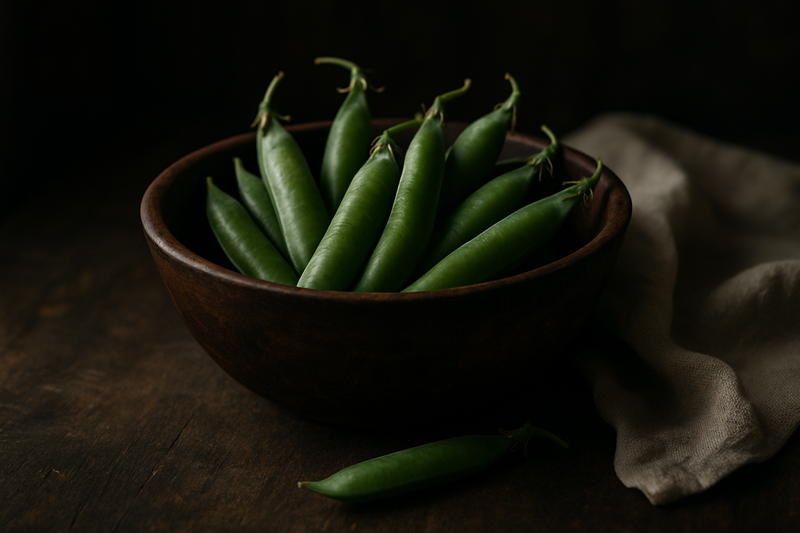
Snap Peas · Photograph
Discover snap peas nutrition and health benefits, from vitamin C and fiber to heart and digestive support. Learn how many to eat, how to prep them, and who should take extra care with this crunchy, whole-pod legume.
Key Nutrients
% Daily Value based on 2,000 cal diet
Key active compounds
- Vitamin C (ascorbic acid): A water-soluble antioxidant — a molecule that neutralizes damaging free radicals — that supports immune defense, iron absorption, and the production of collagen (the structural protein in skin, tendons, and blood vessels).
- Vitamin K (phylloquinone): A fat-soluble vitamin essential for blood clotting and bone mineralization.
- Folate (vitamin B9): Critical for DNA copying and cell division, and especially important during early pregnancy.
- Beta-carotene: An orange-yellow pigment that the body converts to vitamin A as needed; also acts directly as an antioxidant.
- Lutein and zeaxanthin: Yellow carotenoids (a family of pigment compounds found in plants) concentrated in green vegetables; they accumulate in the eye's macula and may help protect against age-related vision changes.
- Polyphenols: A broad family of plant compounds — including flavonoids and phenolic acids — that have antioxidant and anti-inflammatory signaling activity; snap peas contain them, though their exact profile has not been fully characterized in published research.
- Soluble and insoluble dietary fiber: Two types of fiber — soluble (which forms a gel in the gut and can slow sugar absorption) and insoluble (which adds bulk and speeds transit time) — both present in snap pea pods.
Troubleshooting snap peas: common issues
Bloating or gas: Snap peas are gentler than most legumes for digestion, but a sudden large increase in fiber from any source can cause temporary gas or bloating. Start with half a cup and increase gradually over one to two weeks as your gut microbiome adjusts.
Loss of crunch after cooking: Overheating is the culprit. Keep stir-fry time under three minutes on high heat, or steam until just bright green and slightly tender, then immediately rinse with cold water to stop cooking (called "shocking").
Short shelf life: Raw snap peas last only three to five days in the refrigerator. Store them unwashed in the crisper drawer in their original bag or a vented container. Wash just before eating. If pods start to shrivel, use them immediately in a cooked dish — the texture may be soft, but the nutrients are still largely intact.
Prep and pairing ideas
Raw with hummus or tahini dip: The natural sweetness of snap peas balances the earthy richness of hummus, and the combination adds plant protein and healthy fat to what is already a fiber-rich snack.
Quick stir-fry with garlic, sesame oil, and ginger: Heat a pan or wok over high heat, add a teaspoon of sesame oil, toss in whole snap peas and minced garlic, stir constantly for two to three minutes, and finish with a few drops of low-sodium soy sauce and a sprinkle of sesame seeds. Pairs well over brown rice or soba noodles.
Tossed into pasta salads or grain bowls: Add raw snap peas directly to room-temperature dishes — they hold their crunch without any cooking and introduce color, sweetness, and fiber to grain-based meals.
With lemon and fresh mint: A simple combination of raw snap peas, a squeeze of lemon, torn mint leaves, and a pinch of flaky salt makes a refreshing side that doubles as a vitamin C boost.
Bottom line
Snap peas are one of the most accessible whole-plant foods available: no cooking required, no prep beyond rinsing and stringing, and a naturally sweet flavor that makes the "eat more vegetables" goal feel effortless. Their combination of fiber, vitamin C, vitamin K, folate, carotenoids, and polyphenols connects them to the broad, well-established evidence base on legume and vegetable consumption for heart health, digestive regularity, blood sugar management, and antioxidant protection. They are not a superfood in the hype sense — no single food is — but they are a genuinely useful, low-calorie, nutrient-dense addition to almost any eating pattern.
Eat them raw with a dip, toss them in a stir-fry, or throw a handful into your lunch bowl. The main rules: remove the string, keep cooking times short, and if you are on warfarin or have kidney disease, keep portions consistent and check in with your clinician.
Looking for more ways to eat for specific health goals? Browse the Plantopedia goals hub to find ingredient combinations matched to what matters most to you.
How Snap Peas Compares
| Compared with | What's different |
|---|---|
| Snap Peas vs. Snow Peas | Snow peas have flat, thin pods with tiny seeds; snap peas have plump pods and larger, sweet seeds. |
| Snap Peas vs. Garden Peas (English Peas) | Garden peas have tough, fibrous pods that must be discarded; snap pea pods are fully edible and crunchy. |
Health Benefits
Things to Know
Warfarin and blood thinners: Snap peas contain vitamin K, which plays a central role in how the body forms blood clots. Warfarin (and similar anticoagulant medications) works partly by opposing vitamin K. You do not need to avoid snap peas, but keeping your intake consistent from week to week helps your clinician keep your medication dose stable. A sudden large increase in vitamin K-rich foods can raise your INR (a clotting measure) unpredictably.
Kidney disease: People on a potassium-restricted diet due to advanced kidney disease should account for the potassium in snap peas (~170 mg per cup) within their daily allowance. A renal dietitian can help with portion guidance.
Pea or legume allergy: If you have a known allergy to peas, chickpeas, lentils, or peanuts, consult a doctor before trying snap peas — they share proteins that can trigger cross-reactive responses.
IBS and FODMAP sensitivity: FODMAPs (Fermentable Oligosaccharides, Disaccharides, Monosaccharides and Polyols) are types of carbohydrates that can ferment rapidly in the gut and cause symptoms in people with irritable bowel syndrome (IBS). Snap peas contain some fermentable carbohydrates; Monash University lists a small serving (about 10 pods) as low FODMAP, but larger portions may provoke symptoms in sensitive people.
Choking risk: Whole pods and the fibrous string can be a choking hazard for children under three and adults with swallowing difficulties. Cut pods into pieces and always remove the string first.
Antidiabetic medications: Adding significant fiber-rich legumes to your diet can modestly improve blood sugar control. If you manage diabetes with insulin or other glucose-lowering medications, monitor blood sugar when significantly increasing your intake, as dose adjustments may occasionally be needed.
Pregnancy: Snap peas are a safe, folate-containing food appropriate during pregnancy; they do not require special precautions beyond normal food safety (washing thoroughly before eating).
Glossary
Shop This Ingredient
Stock your pantry with quality snap peas.
Buy on AmazonAs an Amazon Associate, Plantopedia earns from qualifying purchases. This costs you nothing extra and helps us keep the encyclopedia free.
Frequently Asked Questions
The benefits below are supported by research on legumes, vegetables, and specific nutrients found in snap peas. Direct snap-pea-only clinical trials are limited; consider these benefits as well-grounded inferences from the ingredient's nutritional profile. Heart and circulation Snap peas bring together several nutrients that population studies consistently link to lower cardiovascular risk: fiber (which can help lower LDL cholesterol — the "bad" type — by binding to it in the gut before it is absorbed), potassium (which helps counterbalance sodium and supports healthy blood pressure), folate (which supports healthy homocysteine metabolism — homocysteine is an amino acid that at high levels is associated with vascular damage), and antioxidant vitamins. They contain essentially no saturated fat, sodium, or cholesterol. Meta-analyses of legume intake find reductions in total and LDL cholesterol and improved blood pressure; snap peas, as part of a legume-rich diet, can contribute to this pattern. Digestive health and snap peas benefits for digestion Each cup of snap peas provides about 2.6 g of dietary fiber — a mix of soluble and insoluble types. Insoluble fiber adds bulk to stool and speeds transit through the colon, supporting regularity. Soluble fiber feeds beneficial gut bacteria (a process called fermentation), producing short-chain fatty acids (SCFAs) that nourish the colon lining. Compared to many dried pulses, snap peas are relatively easy to digest for most people because they contain a lower load of fermentable carbohydrates (the types that can cause gas in sensitive individuals). Starting with one cup and building up gradually is the sensible approach if you are new to higher-fiber eating. Blood sugar and snap peas and blood sugar control Despite their sweet taste, snap peas are low in total carbohydrates (7.5 g per cup) and have a low glycemic index — meaning they raise blood sugar relatively slowly compared to starchy or refined carbohydrates. Their fiber slows the absorption of natural sugars, helping to blunt the rise in blood glucose that follows a meal. Human studies on legume-rich diets consistently show improvements in post-meal blood sugar and insulin sensitivity. Snap peas fit neatly into meal patterns that use volume and fiber to moderate glycemic load. Inflammation and recovery Snap peas deliver two well-studied antioxidant nutrients — vitamin C and beta-carotene — along with lutein, zeaxanthin, and polyphenols. In human studies, diets rich in these compounds are associated with lower levels of oxidative stress markers and some inflammatory proteins (such as C-reactive protein, or CRP). Vitamin C in particular plays a role in recycling other antioxidants inside cells. While snap peas have not been studied as a stand-alone anti-inflammatory food, their antioxidant portfolio supports the broader evidence that vegetable-rich diets reduce chronic low-grade inflammation.
Fresh snap peas are the gold standard for crunch and vitamin C content. Look for pods that are bright green, feel firm and plump, and snap cleanly when bent. Avoid yellowing pods or those that feel flat (a sign the sugars have converted to starch). Peak season in most regions is spring through early summer. Frozen snap peas are picked and blanched (briefly boiled, then chilled) at peak ripeness, which locks in most macronutrients, minerals, and B vitamins. Vitamin C is partially reduced by blanching, but frozen snap peas remain a nutritionally solid choice year-round and are convenient for stir-fries and soups. Pre-washed bagged snap peas are fresh pods sold ready-to-eat and are a practical everyday option; check the "best by" date and refrigerate promptly after opening. Label tip: The ingredient list on a bag of snap peas should read "sugar snap peas" and nothing else. Avoid bags with added sauces or seasonings that bring sodium into the equation.
Snap peas are completely safe to eat raw. In fact, raw pods retain the most vitamin C, since heat and water both degrade this nutrient. The one practical step that makes a real difference: remove the tough string that runs along the curved seam of the pod before eating. It peels away easily by snapping the stem end backward and pulling. This step is important for small children and older adults who may have trouble chewing or swallowing fibrous material. Lightly cooking — a quick stir-fry (2–3 minutes) or steam (3–4 minutes) — keeps the pods bright green, warm, and slightly tender while preserving most of their nutrients. Prolonged boiling is the one method to avoid if you care about vitamin C: water-soluble vitamins leach into the cooking liquid and break down with prolonged heat.
There is no established clinical dose for snap peas specifically. Dietary guidance for legumes and vegetables more broadly suggests: General adults: Aim for 1–2 cups of snap peas per serving, a few times per week, as part of the total recommended 2.5 to 3 cups of vegetables daily (USDA Dietary Guidelines for Americans). Fiber newcomers: Start with a half cup per day and increase slowly to allow your digestive system to adapt. Drinking adequate water alongside fiber-rich foods helps prevent constipation. As a snack: A 1-cup (about 90–100 g) serving is a practical snack-size portion that provides roughly 56% of the daily vitamin C target for about 40 calories. There is no known upper limit or toxicity concern for snap peas from food intake. Eating them in large quantities is primarily limited by the practical effects of increased fiber (potential gas or loose stools) rather than any specific nutrient toxicity.
Quick Answers
Common questions, answered in a line.
Snap peas contain vitamin C and beta-carotene, antioxidants that help neutralize damaging free radicals and support immune defense. They also provide polyphenols, which have anti-inflammatory signaling activity, contributing to overall cellular protection.
To keep snap peas crunchy, limit stir-fry time to under three minutes on high heat or steam them until just bright green and tender. Immediately rinsing them with cold water, a process called "shocking," stops the cooking and preserves their firm texture.
People taking Warfarin or other blood thinners should keep their snap pea intake consistent because the vitamin K in the pods helps the body form blood clots. A sudden increase in vitamin K-rich foods can unpredictably affect medication stability and clotting measures.
Raw snap peas have a short shelf life and typically last only three to five days when stored unwashed in a refrigerator's crisper drawer. If the pods begin to shrivel, they can still be used in cooked dishes even though their texture may have softened.
Snap peas are generally gentler on digestion than other legumes, but their soluble and insoluble fiber can cause temporary gas or bloating if intake is increased too quickly. It is recommended to start with half a cup and increase the portion gradually over two weeks.
Snap peas contain lutein and zeaxanthin, yellow carotenoids that accumulate in the eye's macula and may protect against age-related vision changes. These compounds, along with beta-carotene, make the vegetable a beneficial choice for supporting long-term eye health.
For those with IBS, a small serving of about 10 snap pea pods is generally considered low FODMAP and less likely to trigger symptoms. However, larger portions contain fermentable carbohydrates that may cause digestive distress in sensitive individuals.
For Readers in the USA
Local context — sourcing, seasonality, and regional notes.
In the United States, snap peas are primarily grown in California and the Pacific Northwest, with the peak domestic season running from March through June. While these states lead production, they are also a popular cool-season crop for home gardeners in USDA zones 3 through 7 during the spring and fall.
Snap peas are widely available year-round at major US grocery chains like Kroger, Safeway, and Whole Foods, often found in the refrigerated produce section in 8-ounce or 16-ounce breathable bags. For the freshest local varieties, look for them at farmers markets during late spring, where they are frequently sold loose by the pound.
Look for the USDA Organic seal if you want to ensure the peas were grown without synthetic pesticides or fertilizers, as legumes can sometimes be treated for pests. Additionally, the FDA recommends washing all fresh produce under cold running water just before consumption, even if the packaging states the contents are pre-washed.
Snap peas were developed in the US in the 1970s as a cross between garden peas and snow peas, and they have since become a staple in American crudité platters and school lunches. Unlike snow peas, which are flat, the American snap pea is prized for its thick, succulent pod walls that are eaten whole.
AI Clinical Review
- Accurately frames snap peas as a low‑calorie, fiber‑ and vitamin C–rich vegetable-like legume (~40 kcal per cup) with useful vitamin K, folate, and iron.
- Appropriately connects likely benefits (heart, digestion, glycemic support) to the broader legume/vegetable evidence and is transparent that snap‑pea–specific trials are limited.
- Practical preparation advice is on point: safe to eat raw, brief cooking preserves texture and vitamin C, and removing the pod string improves safety and tolerance.
- Thoughtful cautions are included for people on warfarin, with kidney disease, legume allergy, or IBS/FODMAP sensitivity, matching clinical counseling.
- Direct clinical studies on snap peas are scarce; most health claims are extrapolated from research on legumes/vegetables or on isolated nutrients (e.g., vitamin C, carotenoids).
- The exact glycemic index for snap peas isn’t well standardized; real‑world blood sugar impact varies with portion size, meal composition, and preparation, despite their modest carbohydrate load.
- The detailed polyphenol/carotenoid profile and how storage, blanching, and light cooking alter bioavailability are not fully characterized, so antioxidant claims should be viewed as plausible but not definitive.
- Portions: 1 cup (~90–100 g) is a practical snack; increasing intake gradually helps minimize gas as your gut adapts to more fiber.
- Medications and conditions: keep vitamin K intake consistent if on warfarin; people using insulin or other glucose‑lowering drugs may want to monitor glucose when adding more fiber‑rich legumes; those on potassium‑restricted diets should count ~170 mg K per cup.
- Allergies/IBS: pea or legume allergies warrant caution; for IBS, small servings (about 10 pods) are typically lower in FODMAPs—titrate to tolerance.
- Food safety and prep: rinse well, remove the seam string, and cut pods for young children or anyone with swallowing difficulties; brief stir‑frying/steaming preserves crunch and nutrients better than prolonged boiling.
Safe raw or cooked; remove the fibrous string along the seam.
References
- USDA FoodData Central — sugar snap peas nutritional data (fdc.nal.usda.gov)
- Harvard T.H. Chan School of Public Health, The Nutrition Source — Legumes and Pulses overview (nutritionsource.hsph.harvard.edu)
- USDA SNAP-Ed Seasonal Produce Guide — Peas (snaped.fns.usda.gov)
- UC ANR Cooperative Extension — Snap Peas Nutrition Fact Sheet (ucanr.edu)
- Medical News Today — Peas: Nutrition, benefits, types, and more (medicalnewstoday.com)
- Healthline — Snow Peas vs. Sugar Snap Peas: What's the Difference? (healthline.com)
- Nutrition-and-You.com — Snap peas nutrition facts and health benefits (nutrition-and-you.com)
- University of Minnesota Extension — Real Life Good Food: Sugar snap peas (reallifegoodfood.umn.edu)
- Upland Unified School District Fresh Fruit and Vegetable Program — Fresh Sugar Snap Peas fact sheet (district.schoolnutritionandfitness.com)
Know Your Numbers
Eating healthy is a start. Now get to know your biomarkers.
Food changes bloodwork — inflammation, lipids, blood sugar and nutrient status all respond to what you eat. 59 markers from $59.
- Results in 7–10 days at 2,000+ Quest sites
- Licensed provider reviews every result
- One flat price, no membership, HSA/FSA eligible
Educational information only, not medical advice. Panels are ordered and reviewed through our licensed partner; Plantopedia may earn a commission.