Sorghum Flour — health benefits and uses
A drought-resilient African grain foundational to porridge traditions.
The Short Answer
Sorghum flour is a nutrient-dense, gluten-free grain flour that provides 8.4g of protein and 6.6g of fibre per 100g serving. It is prized in baking for its mild flavour and high antioxidant content, specifically 3-deoxyanthocyanidins.
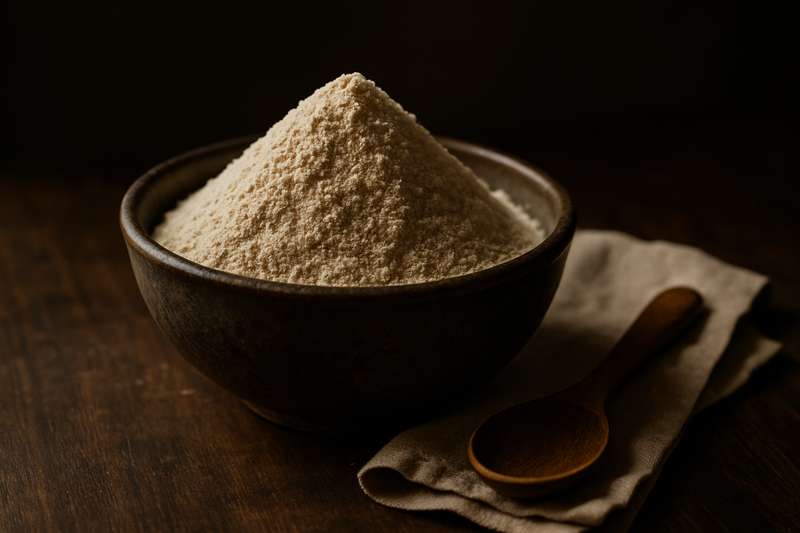
Sorghum Flour · Photograph
Discover the sorghum flour health benefits and uses, from blood sugar support and gut health to heart-friendly antioxidants. This evidence-aligned guide covers nutrition facts, baking tips, daily amounts, and safety for celiac and gluten-sensitive diets.
Key Nutrients
% Daily Value based on 2,000 cal diet
Key active compounds in sorghum flour
Whole-grain sorghum flour contains a notable range of phytochemicals (protective plant compounds) that set it apart from other gluten-free flours:
- 3-deoxyanthocyanidins — A class of polyphenol (plant pigment) unique to sorghum, especially in pigmented varieties. They are strong antioxidants, and mechanistic studies (studies examining how compounds act in cells) suggest potential anti-inflammatory and blood-sugar-modulating effects.
- Proanthocyanidins (condensed tannins) — Polymeric plant compounds that contribute to sorghum's mild astringency. They may slow carbohydrate digestion, reduce lipid oxidation, and feed beneficial gut bacteria.
- Phenolic acids (ferulic acid, caffeic acid) — Bound to the grain's cell walls, these compounds contribute to antioxidant capacity and may support healthy blood vessels and glucose metabolism.
- Resistant starch — A portion of sorghum's starch that passes undigested through the small intestine and is fermented in the colon, acting as a prebiotic (food for beneficial gut bacteria) and helping to moderate blood sugar after meals.
Buying guide: choosing the right sorghum flour
Fresh vs. shelf-stable: Sorghum flour is shelf-stable and sold dry. Because whole-grain flours retain the germ's natural oils, they can go rancid faster than refined flours. Buy in quantities you will use within 2–3 months, or store in an airtight container in the refrigerator or freezer.
Label tips to look for:
- "Whole-grain sorghum flour" or "stone-ground sorghum" — confirms bran and germ are intact.
- "Certified gluten-free" seal — essential for coeliac disease; look for certification bodies such as GFFS or NSF.
- Single-ingredient list — ideally just "whole-grain sorghum flour" with no fillers or additives.
- Avoid products listed only as "sorghum starch" — that is a very different, low-fibre product.
Supplement form: Sorghum flour is a food, not typically taken as a supplement. Sorghum extract capsules exist but have no established dosing data or meaningful human trial support at this stage.
Prep and pairing ideas
Sorghum flour is one of the friendliest gluten-free flours to cook with because its protein content and fine texture give baked goods more structure than rice or tapioca flours.
Basic substitution rule: Replace up to 50% of wheat flour in most recipes with sorghum flour without major texture changes. For 100% sorghum flour recipes (such as gluten-free bread), add a binding agent — xanthan gum (¼ teaspoon per cup) or psyllium husk (1 teaspoon per cup) — to replicate the elasticity that gluten normally provides.
Common pairings:
- Sorghum flour + oat flour + tapioca starch — A classic gluten-free all-purpose blend. The sorghum provides body and nutrition, oat flour adds a slight sweetness and bind, and tapioca lightens the texture. Works well in pancakes, muffins, and quick breads.
- Sorghum flour + legumes (lentils, chickpeas) — Traditional in Indian flatbreads (jowar roti) and Ethiopian injera-style pancakes. The combination boosts protein and creates a complete amino acid profile, while the fibre from both sources supports gut health synergistically.
- Sorghum flour + dark leafy greens or dried fruit in baking — The mild, slightly sweet flavour of sorghum flour pairs well with spinach in savoury flatbreads or with raisins and cinnamon in breakfast muffins. The iron in sorghum flour is better absorbed when paired with vitamin C-rich foods (e.g., berries, citrus zest in the recipe).
Bottom line
Sorghum flour is a genuinely versatile, nutritionally rich, and broadly safe whole-grain flour. Among gluten-free options, it stands out for its fibre content, mineral density (especially magnesium and manganese), and unique polyphenols that no other common gluten-free flour provides in the same combination. Early human research suggests real promise for blood sugar modulation, gut health, and heart-friendly lipid profiles — though most studies are still small and short-term.
For everyday cooking, choosing certified whole-grain sorghum flour over refined alternatives and blending it thoughtfully with other gluten-free flours will give you the best of both nutrition and texture. It is not a cure or a superfood shortcut — it is an excellent whole-grain choice that fits naturally into a plant-forward, evidence-based diet.
Looking for more ways to align your grain choices with your specific health goals? Explore personalised guidance at Plantopedia Goals.
How Sorghum Flour Compares
| Compared with | What's different |
|---|---|
| Sorghum Flour vs. Rice Flour | Sorghum is higher in protein and fibre than white rice flour, which has a grainier texture. |
| Sorghum Flour vs. Oat Flour | Sorghum is more neutral in flavour and less dense than oat flour, though oats bind better. |
| Sorghum Flour vs. Buckwheat Flour | Sorghum has a milder, sweeter taste compared to the earthy, assertive flavor of buckwheat. |
Health Benefits
Things to Know
Gluten and coeliac: Sorghum is naturally gluten-free, but cross-contact during growing, transport, or milling with wheat, rye, or barley is possible. People with coeliac disease should choose certified gluten-free products only.
GI adjustment: Increasing fibre intake quickly can cause gas, bloating, or loose stools in some people. Introduce sorghum flour gradually over 1–2 weeks and drink plenty of water.
Kidney disease: Sorghum flour provides notable amounts of phosphorus (278 mg / 100 g) and potassium (324 mg / 100 g). People with advanced chronic kidney disease who are managing these minerals should account for sorghum in their meal plan and check with their dietitian.
Blood sugar medications: If you take insulin, sulphonylureas, or metformin, improving glycaemic control through diet can occasionally shift medication needs. Monitor your levels and discuss changes with your prescribing clinician.
Oral medications and supplements: The tannins and phytates (naturally occurring compounds that can bind minerals) in whole-grain sorghum may modestly reduce absorption of iron supplements or levothyroxine (thyroid hormone). Consider spacing these medications at least 1–2 hours away from large sorghum-based meals.
Antihypertensive and lipid-lowering drugs: No direct drug interactions are reported, but improvements in blood pressure or cholesterol from whole-grain intake may warrant periodic medication review with your doctor.
Pregnancy: Sorghum flour is a nutritious whole grain and not specifically contraindicated in pregnancy. However, as with any dietary change, discuss with your midwife or obstetrician.
Grain allergies: People with known allergies to related cereals (millet, maize, or other sorghum-family grains) should introduce sorghum cautiously.
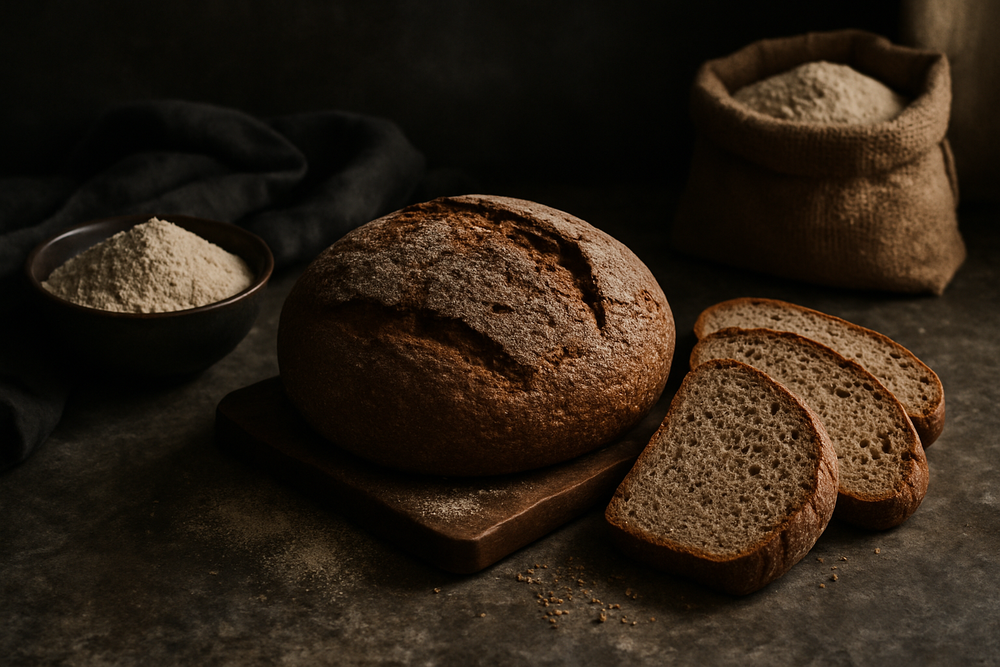
Prep Ideas
- — Sorghum flour + oat flour + tapioca starch — A classic gluten-free all-purpose blend. The sorghum provides body and nutrition, oat flour adds a slight sweetness and bind, and tapioca lightens the texture. Works well in pancakes, muffins, and quick breads.
- — Sorghum flour + legumes (lentils, chickpeas) — Traditional in Indian flatbreads (jowar roti) and Ethiopian injera-style pancakes. The combination boosts protein and creates a complete amino acid profile, while the fibre from both sources supports gut health synergistically.
- — Sorghum flour + dark leafy greens or dried fruit in baking — The mild, slightly sweet flavour of sorghum flour pairs well with spinach in savoury flatbreads or with raisins and cinnamon in breakfast muffins. The iron in sorghum flour is better absorbed when paired with vitamin C-rich foods (e.g., berries, citrus zest in the recipe).
Glossary
Shop This Ingredient
Stock your pantry with quality sorghum flour.
Buy on AmazonAs an Amazon Associate, Plantopedia earns from qualifying purchases. This costs you nothing extra and helps us keep the encyclopedia free.
Frequently Asked Questions
Research into sorghum flour is still growing, but several areas show promising or consistent signals in human studies. Here is what the current evidence suggests. Heart and circulation Some intervention trials have observed modest reductions in total and LDL cholesterol (LDL is sometimes called "bad" cholesterol because high levels are linked to arterial plaque build-up) with regular sorghum consumption. A 2021 systematic review noted potential beneficial effects on blood lipids, though findings were not consistent across all studies. Sorghum's fibre and polyphenols are the likely drivers — both are associated with improved cardiovascular risk profiles in broader whole-grain research. Evidence is still early and sample sizes are small, so heart-health claims should be read as promising rather than proven. Digestive health and gut microbiome Whole-grain sorghum flour provides about 6.6 g of fibre per 100 g, including resistant starch that reaches the colon intact. A randomised human trial using extruded sorghum (a specific heat-treated form called SC319) found that regular consumption improved gut microbiota (the community of bacteria living in your intestines) composition, promoted weight loss, and improved body composition. In vitro (laboratory) studies also show sorghum fibre and phenolics are selectively fermented by gut microbes, increasing production of short-chain fatty acids — compounds associated with gut lining health and reduced inflammation. These prebiotic effects look encouraging, though they may not apply equally to all sorghum flour products. Blood sugar and metabolism This is probably the most studied area for sorghum. Systematic reviews of human and animal studies consistently report that sorghum-based foods produce a lower postprandial (after-meal) blood glucose rise compared with refined grains or white rice. Resistant starch and fibre slow digestion and reduce the rate at which glucose enters the bloodstream, while phenolic compounds may also inhibit carbohydrate-digesting enzymes. Most data come from short-term or small trials, so long-term effects on HbA1c (a marker of average blood sugar over three months) are not yet firmly established. Still, the evidence is stronger here than for most other proposed sorghum benefits. Inflammation and recovery A 2024 systematic review reported mixed but suggestive evidence that sorghum consumption may reduce oxidative stress biomarkers (measurable signs of cellular damage caused by unstable molecules called free radicals) in humans. The unique 3-deoxyanthocyanidins and proanthocyanidins in sorghum appear to modulate inflammatory signalling pathways in cell and animal studies. Human data are limited in size and follow-up, so sorghum should not be thought of as a standalone anti-inflammatory therapy — rather, it is one beneficial piece of an overall dietary pattern rich in whole grains and plant foods. Appetite, weight, and metabolism The extruded sorghum SC319 randomised trial also found weight loss and improved body composition in participants who ate sorghum-based cereal regularly. Broader reviews note that sorghum's fibre and resistant starch may improve satiety (the feeling of fullness) and reduce overall energy intake compared with lower-fibre grain alternatives. Benefits likely reflect the substitution of refined grains with a higher-quality whole-grain option rather than a specific "fat-burning" property.
The short answer is: whole-grain when possible. Whole-grain sorghum flour retains the bran and germ, giving you the full complement of fibre, minerals, B vitamins, and polyphenols. It behaves more similarly to whole-wheat flour in baking — slightly denser and with a mildly earthy, neutral flavour that works well in bread, muffins, pancakes, and flatbreads. Refined (white or pearled) sorghum flour is lighter in colour and flavour, which can be useful when you want a more neutral base. However, milling removes a significant portion of the fibre and phenolic compounds, reducing the nutritional advantage. Extruded sorghum cereals (ready-to-eat breakfast cereals made from heat-processed sorghum) have shown the strongest gut and body-composition results in human trials, but these findings may not translate directly to home-baked flour products. Phenolic-rich pigmented varieties (such as sumac sorghum) contain higher polyphenol levels and are the subject of ongoing randomised trials. They are not yet widely available in retail, but watch for them as research matures. Practical guide: Choose whole-grain sorghum flour labelled "stone-ground" or "whole-grain" for everyday cooking. If you are gluten-sensitive or coeliac, confirm the packaging carries a certified gluten-free seal, since cross-contact during milling is the main risk — not any gluten in the grain itself.
There is no established single-ingredient recommended daily dose for sorghum flour specifically. Practical guidance draws from general whole-grain intake recommendations. General whole-grain target: Health guidelines (including the US Dietary Guidelines and MyPlate) recommend that at least half of all grains consumed daily be whole grains — typically 3 or more servings (about 48 g or roughly 1.7 oz of whole-grain flour equivalent) per day for most adults. Practical range for sorghum flour: Most intervention studies and dietary patterns use approximately 30–120 g (roughly ¼ to 1 cup) of sorghum flour or grain per day as part of mixed meals — as bread, porridge, flatbreads, or cereal. Start low: If you are new to high-fibre whole grains or have a sensitive gut, begin with 2–4 tablespoons (15–30 g) per day and increase gradually over 1–2 weeks, drinking extra water alongside. Ceiling consideration: There is no known upper safe limit for whole-grain sorghum flour for healthy adults, but eating very large amounts as your sole carbohydrate source is not necessary or particularly well studied. A varied diet with several whole grains, vegetables, and legumes is more beneficial than maximising any single ingredient.
Quick Answers
Common questions, answered in a line.
Sorghum flour is naturally gluten-free and safe for people with celiac disease, provided it is certified gluten-free to avoid cross-contact. Because cross-contact with wheat, rye, or barley can occur during milling or transport, look for seals from GFFS or NSF.
You can replace up to 50% of wheat flour with sorghum flour in most recipes without causing major changes to the texture. For recipes using 100% sorghum flour, you must add a binding agent like xanthan gum or psyllium husk to replicate the elasticity usually provided by gluten.
Sorghum flour contains resistant starch and proanthocyanidins that may slow carbohydrate digestion and moderate blood sugar levels after meals. These compounds, along with 3-deoxyanthocyanidins, suggest potential blood-sugar-modulating effects in mechanistic studies.
Sorghum flour acts as a prebiotic because it contains resistant starch and condensed tannins that feed beneficial gut bacteria. The resistant starch passes undigested into the colon where it is fermented, supporting overall digestive health.
Sorghum flour should be stored in an airtight container in the refrigerator or freezer to prevent it from going rancid. Because whole-grain sorghum flour contains natural oils from the germ, it has a shorter shelf life than refined flours and is best used within 2–3 months.
Sorghum flour contains tannins and phytates that may modestly reduce the absorption of iron supplements or thyroid medications like levothyroxine. It is recommended to space these medications at least 1–2 hours away from consuming large sorghum-based meals.
Sorghum flour is high in magnesium, manganese, and unique polyphenols like 3-deoxyanthocyanidins that are not found in other common gluten-free flours. It also provides significant amounts of phosphorus and potassium, which should be monitored by those with kidney disease.
For Readers in the USA
Local context — sourcing, seasonality, and regional notes.
Most sorghum in the U.S. is grown in the "Sorghum Belt," which stretches from South Dakota down through Kansas, Oklahoma, and Texas. While it is harvested in late summer and fall, the flour is processed to be available year-round in grocery stores nationwide.
You can find sorghum flour at major U.S. retailers like Whole Foods Market, Kroger, and Walmart, often under brands like Bob’s Red Mill. It is also a staple in international grocery stores, particularly those specializing in Indian (where it's called Jowar) or African ingredients.
When buying sorghum flour in the U.S., look for the USDA Organic seal to ensure it was produced without synthetic pesticides and the "Certified Gluten-Free" stamp to meet FDA labeling standards. These labels provide third-party verification of the product's purity and safety for sensitive diets.
In the U.S., sorghum flour is a popular staple in Southern "heritage" cooking and is increasingly used by domestic gluten-free bakeries to create artisan breads and muffins. It is also the primary ingredient for Jowar Roti in Indian-American households and various flatbreads in African-American culinary traditions.
AI Clinical Review
- Clearly explains that sorghum flour is naturally gluten‑free and among the more “wheat‑like” gluten‑free flours for baking.
- Accurately highlights its nutrient profile—meaningful fiber plus minerals like magnesium and manganese—and notes unique polyphenols (3‑deoxyanthocyanidins) and resistant starch that plausibly support metabolic health.
- Summarizes consistent short‑term evidence that sorghum‑based foods blunt post‑meal blood glucose rises versus refined grains or white rice.
- Emphasizes the importance of certified gluten‑free processing for people with celiac disease and offers practical binder guidance for 100% sorghum recipes.
- Cardiometabolic markers beyond post‑meal glucose (e.g., LDL cholesterol, oxidative‑stress/inflammation biomarkers) show mixed results across small, short trials—promising but not definitive.
- Long‑term outcomes such as HbA1c change, sustained weight management, and clinical endpoints haven’t been established in large, well‑controlled studies.
- Findings from specific processed forms (like extruded sorghum cereals) may not generalize to home‑baked flour products; grain variety (pigmented vs. white) and processing can materially alter polyphenol content and glycemic effects.
- How much: Intakes of about 30–120 g/day (roughly 1/4–1 cup flour) are common in studies. If you’re new to high‑fiber grains, start smaller and ramp up over 1–2 weeks to limit gas or bloating, with adequate fluids.
- Celiac disease: Sorghum is gluten‑free by nature, but choose products with a certified gluten‑free seal to minimize cross‑contact during milling.
- Diabetes and medications: Sorghum still contributes carbohydrates—monitor glucose, and if you use insulin or sulfonylureas, discuss potential dose adjustments with your clinician.
- Special situations and timing: People with advanced kidney disease should account for sorghum’s phosphorus and potassium. Tannins/phytates can reduce absorption of iron supplements and levothyroxine; consider taking these 1–2 hours away from large sorghum‑based meals.
Naturally gluten-free and broadly tolerated.
References
- USDA FoodData Central — whole-grain sorghum flour nutrition data (fdc.nal.usda.gov)
- Sorghum phytonutrients and health benefits: systematic review (2024) (pubmed.ncbi.nlm.nih.gov)
- Effect of sorghum consumption on chronic disease markers: systematic review (pubmed.ncbi.nlm.nih.gov)
- Extruded sorghum SC319 randomised trial — gut microbiota and body composition (pubmed.ncbi.nlm.nih.gov)
- Antioxidative and biological properties of sorghum grains — PMC review (pmc.ncbi.nlm.nih.gov)
- USDA ARS — chemical composition of selected food-grade sorghum lines (ars.usda.gov)
- Phenolic-dependent effects of whole-grain sorghum: randomised crossover trial protocol (USDA NIFA) (portal.nifa.usda.gov)
- MyPlate whole-grains food group guidance (myplate.gov)
- Sorghum Checkoff — updated whole-grain sorghum flour nutrient profile (2025) (sorghumcheckoff.com)
Know Your Numbers
Eating healthy is a start. Now get to know your biomarkers.
Food changes bloodwork — inflammation, lipids, blood sugar and nutrient status all respond to what you eat. 59 markers from $59.
- Results in 7–10 days at 2,000+ Quest sites
- Licensed provider reviews every result
- One flat price, no membership, HSA/FSA eligible
Educational information only, not medical advice. Panels are ordered and reviewed through our licensed partner; Plantopedia may earn a commission.