Sunchoke — health benefits and uses
Rich in inulin, a prebiotic fiber traditionally used as a diabetic-friendly starch.
The Short Answer
Sunchokes are edible tubers known for their high inulin content, a prebiotic fiber that supports gut health, though it can cause gas if eaten in large amounts. They offer a nutty, slightly sweet flavor and are excellent sources of potassium and iron.
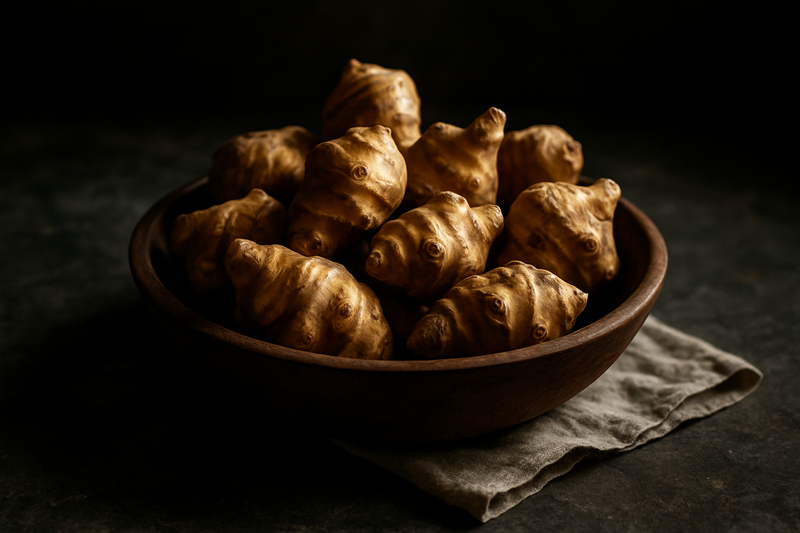
Sunchoke · Photograph
Discover the Jerusalem artichoke (sunchoke) health benefits and side effects — from prebiotic inulin for gut health to blood sugar support, potassium, and iron. Learn how to roast sunchokes, how much to eat per day, and why they cause gas and bloating.
Key Nutrients
% Daily Value based on 2,000 cal diet
Key active compounds
- Inulin (fructan-type prebiotic fiber): The star compound. Inulin is a soluble, fermentable fructan polymer — a long chain of fructose molecules — that resists digestion in the small intestine and is fermented by bacteria in the large intestine. Sunchokes contain roughly 10–22% inulin by fresh weight, which is exceptionally high for a whole food. This fermentation selectively feeds beneficial bacteria like Bifidobacterium and produces short-chain fatty acids (SCFAs) — small molecules that can support gut lining integrity and metabolic health.
- Caffeoylquinic acids: Polyphenolic compounds (plant-based micronutrients with antioxidant activity) that are structurally related to chlorogenic acids. They may help neutralize free radicals and support vascular health, though human research specific to sunchokes is limited.
- Potassium: A major intracellular electrolyte that supports normal blood pressure, fluid balance, and muscle and nerve function.
- Iron: Present in a meaningful amount for a plant food; supports hemoglobin production and oxygen transport.
- Thiamin and Niacin (B vitamins): Play essential roles in converting food into usable energy (ATP — adenosine triphosphate, the body's cellular energy currency).
- Vitamin C: A water-soluble antioxidant that supports immune function and collagen synthesis, and which also improves the absorption of non-heme iron (the type found in plant foods).
Buying guide: fresh, stored, and what to look for
Buying fresh sunchokes: Look for firm, unblemished tubers with tight, papery skin. Avoid ones that are soft, wrinkled, or have greenish patches (a sign of sprouting or sun exposure). Smaller tubers tend to be easier to clean because they have fewer deep crevices.
Storage: Sunchokes are more perishable than potatoes. Store them unwashed in a paper bag or loosely wrapped in a damp paper towel inside your refrigerator's crisper drawer. They keep well for one to two weeks, sometimes longer. Do not store in plastic bags without ventilation, as they can become slimy.
Frozen vs. fresh: Frozen sunchokes are occasionally available. They are convenient but may have a softer texture after cooking, making them better suited for soups and purees than roasting. Nutritional profiles are broadly similar.
Skin: The skin is edible and thin. Scrubbing rather than peeling retains more nutrients and saves prep time — just scrub well with a vegetable brush under running water.
Supplement label tip: If buying Jerusalem artichoke inulin powder, look for products that specify inulin content per serving (ideally 2–5 g per serving to allow gradual titration). Third-party testing certification (NSF, USP, or Informed Sport) adds a useful quality assurance check.
Prep and pairing ideas
How to roast sunchokes for a nutty flavor: Scrub tubers well but leave the skin on. Cut into roughly equal pieces (halves or thick coins). Toss with a drizzle of olive oil, salt, and pepper. Roast at 200°C (400°F) for 25–35 minutes, turning once, until golden and crisp on the edges. The result is caramelized, slightly sweet, and nutty — excellent as a side dish or tossed into a grain bowl.
Common pairings:
- Sunchoke + lemon + fresh herbs (parsley or thyme). The brightness of lemon juice cuts through the earthy sweetness of roasted sunchoke and helps boost absorption of the non-heme iron. Parsley adds folate and vitamin C.
- Sunchoke + legumes (white beans or lentils) in a warming soup. Blending sunchokes with cooked white beans creates a creamy, naturally thick soup without cream. The combination of soluble fiber from sunchoke inulin and protein plus fiber from legumes creates a satisfying, gut-friendly meal. Blend gently and start with a small bowl if inulin is new to you.
- Sunchoke + shaved raw fennel and apple in a small salad. For those with good inulin tolerance, very thin raw sunchoke slices add a water-chestnut crunch alongside fennel's anise note and apple's sweetness. Dress with lemon vinaigrette. Keep the sunchoke portion small (30–40 g) in this raw application.
Quick prep tips:
- Sunchokes discolor quickly once cut. Drop them into water with a squeeze of lemon juice (acidulated water) if you're not cooking immediately.
- No need to peel; the skin crisps up beautifully when roasted.
- For soups, overcooking makes them break down into a natural thickener — useful if you want a silky-smooth result.
Bottom line
Sunchokes are one of the most nutritionally interesting root vegetables you can add to a whole-food, plant-based diet. Their extraordinary inulin content makes them a genuine prebiotic powerhouse — one of the few whole foods that can deliver the 5–10 g daily inulin intake associated with meaningful shifts in gut microbiome composition in human studies. They also supply a surprisingly strong mineral profile: significant potassium, notable plant-based iron, and useful amounts of B vitamins and antioxidants for a modest calorie investment.
The trade-off is real: sunchokes are among the most gas-producing vegetables you can eat, and for people with IBS, SIBO, or other functional gut conditions, they may cause more discomfort than benefit. Starting with a small cooked portion, building tolerance gradually, and being mindful of the potassium load if you have kidney concerns are the three most important practical points to carry away.
For most healthy adults who eat a varied diet, adding roasted sunchokes as a regular side dish is a straightforward, evidence-supported way to increase prebiotic fiber intake, support a diverse gut microbiome, and bring more potassium and iron to the plate — all in a vegetable that, when cooked well, is genuinely delicious.
How Sunchoke Compares
| Compared with | What's different |
|---|---|
| Sunchoke vs. Potato | Starchier and higher in calories, while sunchokes are crispier and contain prebiotic inulin fiber. |
| Sunchoke vs. Parsnip | Sweeter with a creamy texture when cooked, whereas sunchokes have a crunchy, water-chestnut bite. |
| Sunchoke vs. Water Chestnut | Sunchokes are sweeter and nuttier; water chestnuts are milder and hold their crunch better in high heat. |
Health Benefits
Things to Know
Start with a very small portion.: The most important practical advice for sunchokes: begin with 30–50 g (about a quarter cup sliced) per day and increase slowly over several weeks. This allows your gut microbiome to adapt and significantly reduces gas and bloating.
Cook them first.: Cooked sunchokes are generally better tolerated than raw. Roasting or boiling is easier on the digestive system for most people starting out.
IBS and FODMAPs: Inulin is a FODMAP (Fermentable Oligosaccharides, Disaccharides, Monosaccharides, and Polyols) — a category of fermentable carbohydrates that commonly trigger IBS symptoms. If you have IBS, sunchokes are likely a high-risk food and you may need to avoid them or introduce them very cautiously under dietitian guidance.
SIBO: People with suspected or confirmed small intestinal bacterial overgrowth (SIBO — excess bacteria in the small intestine) may experience worsened symptoms with highly fermentable fibers like inulin. Avoid or seek specialist guidance.
IBD in active flare: People with inflammatory bowel disease (Crohn's disease or ulcerative colitis) in an active flare should approach high-fiber, fermentable foods cautiously and check with their gastroenterologist.
Kidney disease: Sunchokes are a significant potassium source. People with chronic kidney disease or those on a potassium-restricted diet should consult their healthcare provider before eating them regularly.
Medications — blood pressure drugs: ACE inhibitors, ARBs, and potassium-sparing diuretics (e.g., spironolactone) reduce potassium excretion. High sunchoke intake alongside these drugs could potentially contribute to elevated blood potassium levels in susceptible individuals.
Medications — diabetes: Inulin may modestly lower blood glucose. If you use insulin, sulfonylureas, or GLP-1 agonists, large sunchoke intakes could theoretically add to glucose-lowering effects; monitor accordingly.
Oral medications: Space high-fiber meals at least one to two hours from oral medications, as fiber can slightly alter absorption timing.
Asteraceae allergy: Sunchokes belong to the sunflower family (Asteraceae). People with known allergies to sunflower, ragweed, chamomile, or related plants may rarely react to sunchokes. Symptoms like itching, swelling, or breathing difficulty require prompt medical attention.
Pregnancy: No specific safety concerns have been identified for moderate food-level consumption, but the high inulin content can worsen pregnancy-related digestive discomfort; start small.
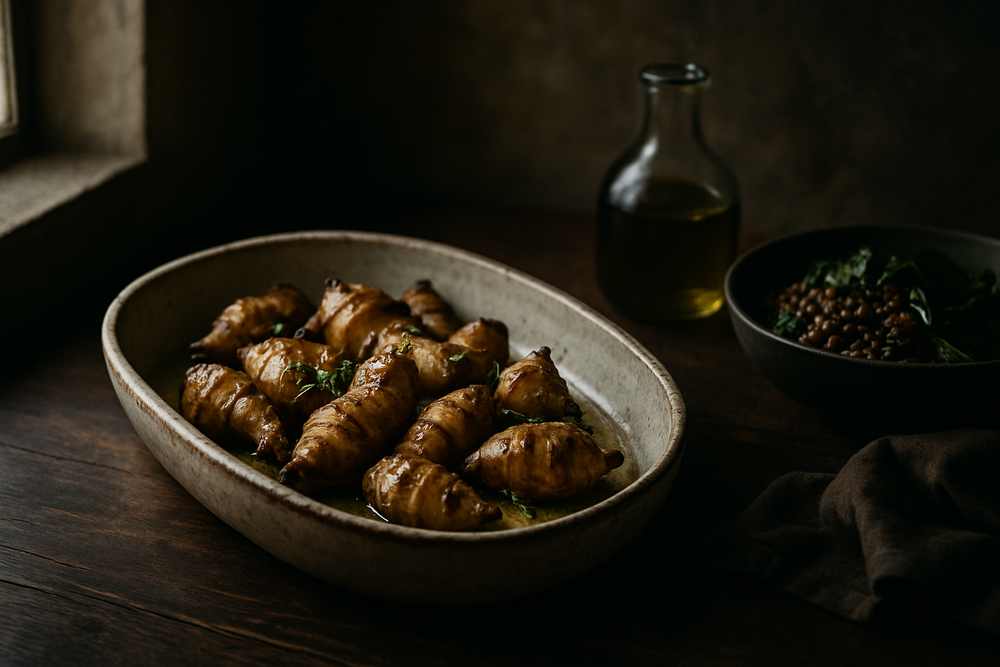
Prep Ideas
- — Sunchoke + lemon + fresh herbs (parsley or thyme). The brightness of lemon juice cuts through the earthy sweetness of roasted sunchoke and helps boost absorption of the non-heme iron. Parsley adds folate and vitamin C.
- — Sunchoke + legumes (white beans or lentils) in a warming soup. Blending sunchokes with cooked white beans creates a creamy, naturally thick soup without cream. The combination of soluble fiber from sunchoke inulin and protein plus fiber from legumes creates a satisfying, gut-friendly meal. Blend gently and start with a small bowl if inulin is new to you.
- — Sunchoke + shaved raw fennel and apple in a small salad. For those with good inulin tolerance, very thin raw sunchoke slices add a water-chestnut crunch alongside fennel's anise note and apple's sweetness. Dress with lemon vinaigrette. Keep the sunchoke portion small (30–40 g) in this raw application.
- — Sunchokes discolor quickly once cut. Drop them into water with a squeeze of lemon juice (acidulated water) if you're not cooking immediately.
- — No need to peel; the skin crisps up beautifully when roasted.
- — For soups, overcooking makes them break down into a natural thickener — useful if you want a silky-smooth result.
Glossary
Shop This Ingredient
Stock your pantry with quality sunchoke.
Buy on AmazonAs an Amazon Associate, Plantopedia earns from qualifying purchases. This costs you nothing extra and helps us keep the encyclopedia free.
Frequently Asked Questions
Heart and circulation Sunchokes are a meaningful source of potassium, with one cup delivering about 18% of the daily value. Large-scale observational studies consistently link higher dietary potassium intake — particularly from vegetables and whole plant foods — with lower blood pressure and reduced cardiovascular disease risk. Dietary fiber from vegetables is also associated with improved cholesterol and triglyceride profiles in population data. Some human trials using isolated inulin-type fructans have shown modest reductions in triglycerides and improvements in other cardiometabolic markers. However, it's important to note that most of this work used purified inulin supplements rather than whole sunchoke, so results cannot be directly transferred. Sunchokes contribute to heart-healthy eating mainly through their potassium, fiber, and overall vegetable nutrient package rather than through proven direct cardiovascular effects as a standalone food. Digestive health and microbiome This is where sunchoke's evidence is clearest. Human clinical trials using inulin extracted from Jerusalem artichoke and comparable sources consistently show increased populations of Bifidobacterium and other beneficial bacteria in the gut, along with improved stool bulk and consistency, at doses of about 5–10 g of inulin per day over two to three weeks. That amount corresponds roughly to 50–75 g of raw sunchoke — a modest to moderate cooked portion. The mechanism is well understood: inulin reaches the colon undigested, where it is fermented by gut bacteria into SCFAs such as butyrate, propionate, and acetate. Butyrate in particular is the primary fuel for colonocytes (the cells lining your colon) and is linked to gut barrier integrity and reduced inflammation in the gut lining. The critical caveat: the same fermentation that benefits gut bacteria also produces gas as a byproduct. This is dose-dependent and very common. Cooking sunchokes (especially roasting or boiling) can make them somewhat easier to tolerate than raw, but the digestive effect is real and worth taking seriously when you first introduce them. Blood sugar and metabolism Because inulin is not digested in the small intestine, it does not contribute directly to a blood glucose rise the way starch does. Replacing some rapidly absorbed starch or sugar in a meal with inulin-rich foods can lower the overall glycemic impact — the speed and extent to which a meal raises blood sugar. Human trials using purified Jerusalem artichoke inulin in people with overweight or type 2 diabetes have found small but meaningful improvements in fasting glucose and insulin sensitivity at doses around 10–20 g per day. That said, sunchokes still contain natural sugars and some digestible carbohydrate, so they are not a "free" food for blood sugar management. Portion size and cooking method matter. Evidence specifically using whole sunchokes (rather than extracted inulin) as the test food is limited, so results from supplement studies are indicative rather than definitive. People with diabetes or prediabetes should monitor their blood glucose response when first adding sunchokes to their diet. Inflammation and recovery Sunchokes contain vitamin C and caffeoylquinic acid polyphenols, both of which have demonstrated antioxidant activity in laboratory settings — meaning they can neutralize free radicals (unstable molecules that can damage cells). Changes in gut microbiota driven by prebiotic inulin have also been linked in some human studies to reduced markers of systemic inflammation, likely mediated through gut barrier function and SCFA production. However, direct evidence that eating sunchokes reduces inflammation in a clinically meaningful way in healthy humans is preliminary. These findings are biologically plausible and fit within the broader evidence base for fiber-rich vegetables and anti-inflammatory dietary patterns, but sunchokes alone should not be viewed as an anti-inflammatory intervention.
Sunchokes are versatile, and the form you choose affects both flavor and digestive tolerance. Roasted or baked is the most popular and arguably the most forgiving culinary form. High-heat roasting concentrates their natural sugars, producing a caramelized, nutty flavor and a tender, water-chestnut-like texture. Cooking slightly softens inulin's digestive impact compared to raw. Raw (shaved or thinly sliced) delivers the maximum crunch and full inulin content but tends to cause the most gas and bloating. Best reserved for people who have already built up tolerance, and in small amounts. Boiled, steamed, or sautéed works well in soups and stews. Boiling is gentle and easy but can leach some water-soluble vitamins and potassium into the cooking water. Using the cooking liquid in a soup or broth helps retain those nutrients. Pickled sunchokes are traditional in some cuisines. The acidic environment may modestly alter texture and digestibility but still delivers prebiotic fiber. Dried chips or crisps are a concentrated form — watch for added fats, salt, or coatings on commercial versions, and keep portions small because the inulin is concentrated. Inulin powder or extract derived from Jerusalem artichoke is used in clinical studies and sold as a supplement. It allows precise dosing and is better standardized than whole tubers, but whole food forms are generally preferred in a plant-based diet.
There is no officially established recommended daily intake for sunchokes, but practical guidance from digestive health research and culinary experience points to a clear starting framework: Starting out: 30–50 g per day (roughly a quarter cup of cooked pieces). This provides approximately 3–5 g of inulin — enough to begin delivering prebiotic benefits while minimizing the risk of significant gas and bloating. Building tolerance: Over two to four weeks, gradually increase to 75–100 g per day if well tolerated. This range (about half a cup to two-thirds of a cup cooked) delivers roughly 7–10 g of inulin, which aligns with the doses used in human clinical trials showing microbiome benefits. Upper range for adapted individuals: Some people comfortably eat up to 150 g per day, though the gas-producing effects rarely disappear entirely at higher amounts. Spreading servings across two meals rather than eating a large amount in one sitting often helps. Context matters: If you are eating other high-inulin foods (garlic, onion, leeks, asparagus, chicory root), the cumulative inulin load adds up. Factor your total intake from all sources. Supplement dosing: Jerusalem artichoke inulin powder typically starts at 2–3 g per day and is titrated up to 5–10 g divided with meals to minimize gas. Always follow the specific product guidance.
Quick Answers
Common questions, answered in a line.
Sunchokes are exceptionally high in inulin, a prebiotic fiber that feeds beneficial gut bacteria like Bifidobacterium. This fermentation process produces short-chain fatty acids that support the integrity of the gut lining and overall metabolic health.
Sunchokes provide a significant amount of potassium, which is a major electrolyte that supports normal blood pressure and heart function. They also contain polyphenolic caffeoylquinic acids that may help support vascular health and neutralize free radicals.
The best way to roast sunchokes is to toss scrubbed, unpeeled pieces with olive oil, salt, and pepper, then bake at 200°C (400°F) for 25–35 minutes. This method caramelizes the tubers, resulting in a sweet, nutty flavor and crisp edges.
Sunchokes are highly gas-producing because they contain 10–22% inulin, a fermentable fiber that resists digestion in the small intestine. When bacteria in the large intestine ferment this inulin, it often results in significant bloating and gas.
Sunchokes are a notable plant-based source of iron, which is essential for hemoglobin production and oxygen transport throughout the body. To maximize absorption, the article suggests pairing them with vitamin C-rich foods like lemon juice or parsley.
People with IBS or SIBO should be cautious with sunchokes because the high inulin content is a FODMAP that can trigger or worsen digestive symptoms. Additionally, those with chronic kidney disease or those taking potassium-sparing medications should monitor intake due to the high potassium levels.
Store fresh, unwashed sunchokes in a paper bag or a damp paper towel within the refrigerator's crisper drawer. They typically stay fresh for one to two weeks, but you should avoid airtight plastic bags to prevent them from becoming slimy.
For Readers in the USA
Local context — sourcing, seasonality, and regional notes.
Sunchokes are native to North America and are primarily harvested in the United States from late fall through early spring, typically between October and March. Because they require a frost to develop their signature sweetness, you will find the best-tasting tubers in colder climates like the Midwest and Northeast during the winter months.
In the U.S., you can typically find sunchokes at specialty grocers like Whole Foods Market, Sprouts Farmers Market, or local food cooperatives and seasonal farmers markets. While they are becoming more common, they are often tucked away near other specialty roots like parsnips or ginger rather than with the mainstream potatoes.
Under USDA organic regulations, sunchokes labeled as "Organic" must be grown without synthetic fertilizers or prohibited pesticides, which is a popular choice for consumers looking to maximize the purity of this prebiotic-rich root. If you are buying them at a farmers market, look for the "USDA Organic" seal or ask the grower about their soil management practices.
While "sunchoke" is the most popular modern marketing name in the U.S., you may also see them labeled as Jerusalem artichokes, earth apples, or sunroots in American grocery stores. Despite the "Jerusalem" name, they are actually the tubers of a sunflower species native to the central United States and have no botanical link to Israel or true artichokes.
AI Clinical Review
- Clearly explains that sunchokes are unusually rich in inulin, a prebiotic fiber that is fermented to short‑chain fatty acids (SCFAs), and links this to gut benefits seen in human trials at about 5–10 g/day of inulin over a few weeks.
- Emphasizes the very common, dose‑dependent gas/bloating and gives practical tolerance strategies (start small, cook first), which aligns with clinical experience.
- Accurately distinguishes between evidence from purified inulin and the more limited data on whole sunchokes for cardiometabolic outcomes, keeping expectations realistic.
- Provides useful nutrition context (potassium, non‑heme iron) and pairing tips (vitamin C to aid iron absorption) without overselling disease claims.
- Direct randomized studies testing whole sunchoke intake on blood glucose, lipids, or inflammation are limited; most benefits are inferred from isolated inulin, so real‑world effect sizes from the vegetable itself are uncertain.
- Antioxidant polyphenols (e.g., caffeoylquinic acids) show activity mainly in lab models; clinically meaningful effects at typical servings remain to be shown in humans.
- Reported inulin and micronutrient amounts vary by cultivar, harvest time, storage, and cooking; per‑cup potassium and iron values may differ from what you buy or how you prepare them.
- Dosing/tolerance: For most adults, 30–50 g cooked to start (about 1/4 cup) and a gradual increase toward 75–100 g only if tolerated is sensible; splitting portions across meals can ease symptoms.
- FODMAPs: Inulin is a FODMAP (a fermentable carb that can trigger IBS symptoms). People with IBS, SIBO, or IBD during a flare should introduce cautiously or seek guidance.
- Potassium and medications: Those with chronic kidney disease or using ACE inhibitors/ARBs or potassium‑sparing diuretics should discuss routine sunchoke intake with a clinician due to potassium load.
- Glucose and drugs: Larger amounts may modestly lower glucose; people using insulin or sulfonylureas should monitor. High‑fiber meals can delay absorption of some oral medications—spacing by 1–2 hours is reasonable.
Inulin commonly causes significant gas and bloating; start with small portions.
References
- USDA FoodData Central — Jerusalem artichoke nutrient entry (fdc.nal.usda.gov) — primary source for macronutrients and micronutrients per serving
- USDA MyPlate — Vegetables Group guidance (myplate.gov) — context for classifying sunchokes within healthy eating patterns
- Ohio State University Extension — Jerusalem artichoke factsheet (ohioline.osu.edu) — agronomic and inulin content data; notes sunchokes as one of the richest natural inulin sources
- Precision Nutrition Encyclopedia — Jerusalem artichoke entry (precisionnutrition.com) — detailed macronutrient, micronutrient, and culinary guidance
- Vitalibrary — Jerusalem artichoke prebiotic inulin overview (vitalibrary.com) — summary of inulin content, dosage ranges, and digestive side effects
- Biophysics Essentials — Jerusalem artichoke: prebiotic inulin and probiotic growth (biophysicsessentialsofficial.com) — reviews human microbiome trials on inulin-type fructans
- Prevention — Sunchoke nutrition and health benefits (prevention.com) — consumer-facing summary of vitamins, minerals, and culinary uses
- Men's Health — Sunchoke nutrition facts (menshealth.com) — per-serving nutrient summary including potassium, iron, and calorie data
- Lifeway Kefir — Sunchokes: Superfood Spotlight (lifewaykefir.com) — mineral and fiber content overview; notes caution for large portions
- Listonic — Sunchokes nutrients and health benefits (listonic.com) — supplementary per-serving data including glycemic index considerations
Know Your Numbers
Eating healthy is a start. Now get to know your biomarkers.
Food changes bloodwork — inflammation, lipids, blood sugar and nutrient status all respond to what you eat. 59 markers from $59.
- Results in 7–10 days at 2,000+ Quest sites
- Licensed provider reviews every result
- One flat price, no membership, HSA/FSA eligible
Educational information only, not medical advice. Panels are ordered and reviewed through our licensed partner; Plantopedia may earn a commission.