Sunflower Oil — health benefits and uses
Use intentionally; compare extracted oil vs whole-food fat alternatives
The Short Answer
Sunflower oil is a nutrient-dense fat providing 37% of your daily Vitamin E in a single tablespoon. It is best used for baking, dressings, or medium-heat sautéing, with high-oleic varieties offering the most heart-healthy monounsaturated fats.
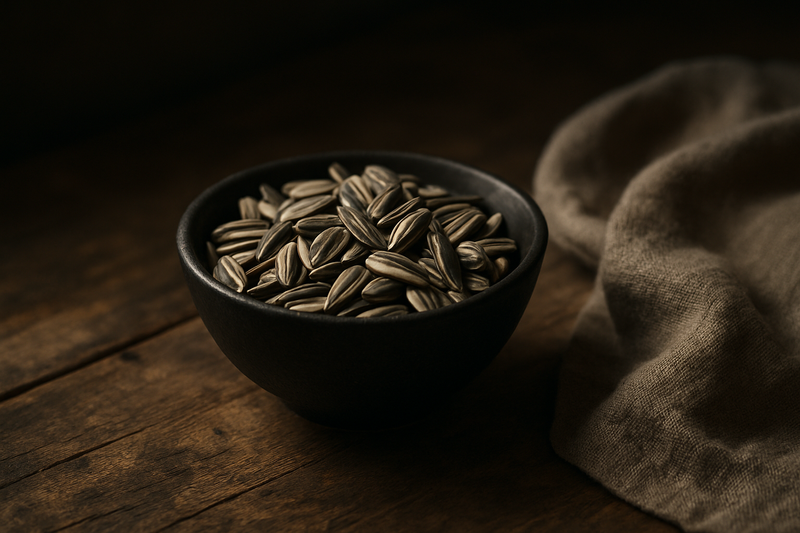
Sunflower Oil · Photograph
Sunflower oil, extracted from the seeds of Helianthus annuus, is one of the most widely used cooking oils globally. But with growing debates about seed oils and heart health, many people wonder: is sunflower oil actually good for you?
Key Nutrients
% Daily Value based on 2,000 cal diet
Key active compounds in sunflower oil
- Linoleic acid (omega-6): Essential fatty acid needed for skin health and cellular function
- Oleic acid (omega-9): Monounsaturated fat that supports heart health (higher in high-oleic varieties)
- Alpha-tocopherol (vitamin E): Powerful fat-soluble antioxidant protecting cell membranes
- Phytosterols: Plant compounds that compete with cholesterol absorption
- Minor phenolic compounds: Antioxidants that help prevent oil oxidation (higher in cold-pressed versions)
Buying guide for sunflower oil
Fresh vs. processed options
- Cold-pressed: Best for flavor and antioxidant content, but limited heat stability
- Expeller-pressed: Mechanical extraction with minimal heat, good compromise
- Refined: Neutral taste, higher smoke point, but fewer beneficial compounds
Label reading tips
- Look for "high-oleic" if you want maximum monounsaturated fat
- Check for "non-GMO" if this matters to you
- Organic versions avoid pesticide residues
- Dark glass bottles protect oil from light oxidation
- Avoid products stored in clear plastic containers
Storage guidance
- Store in cool, dark places away from heat sources
- Use within 6-12 months of opening for best quality
- High-oleic varieties stay fresh longer than conventional types
- Refrigeration extends shelf life but may cause cloudiness (harmless)
Prep and pairing ideas
For salad dressings: Mix cold-pressed sunflower oil with lemon juice, herbs, and vinegar for a neutral base that won't overpower delicate greens.
For baking: Replace butter with sunflower oil in muffins, quick breads, and cakes for moisture without strong flavor.
For medium-heat sautéing: High-oleic sunflower oil works well for cooking vegetables, tofu, or tempeh without smoking.
Avoid for: Deep frying (especially conventional types), very high-heat searing, or as the primary fat source if following strict low-fat protocols.
Common pairings that work well
With omega-3 rich foods: Balance sunflower oil's omega-6 content by including walnuts, flaxseeds, or chia seeds in meals to optimize fatty acid ratios.
In Mediterranean-style dishes: High-oleic sunflower oil can substitute for olive oil in cooking applications where you want neutral flavor but similar heart-healthy fat profile.
With antioxidant-rich vegetables: The fat in sunflower oil helps absorb carotenoids from colorful vegetables like tomatoes, carrots, and leafy greens, enhancing nutrient uptake.
Bottom line on sunflower oil
Sunflower oil can be part of a healthy diet when used thoughtfully. High-oleic varieties offer the best health profile, providing heart-healthy monounsaturated fats and substantial vitamin E. When sunflower oil replaces saturated fats or trans fats, it generally supports better cardiovascular health.
However, sunflower oil is still a highly processed, calorie-dense product. Whole-food approaches often emphasize getting essential fats from nuts, seeds, and other minimally processed sources instead.
The key is moderation, choosing the right type for your needs, and considering your overall dietary pattern. Whether you include sunflower oil depends on your health goals, cooking preferences, and philosophical approach to food processing.
Try our meal planner to explore balanced recipes that include healthy fats from both oils and whole food sources.
How Sunflower Oil Compares
| Compared with | What's different |
|---|---|
| Sunflower Oil vs. Olive Oil | Contains significantly more Vitamin E (37% DV) per tablespoon compared to olive oil. |
| Sunflower Oil vs. Coconut Oil | Higher smoke point and more neutral flavor than unrefined coconut oil. |
| Sunflower Oil vs. Canola Oil | Contains higher levels of vitamin E but lacks the omega-3 content found in canola. |
Health Benefits
Things to Know
Portion awareness: At 120 calories per tablespoon, sunflower oil calories add up quickly. Measure rather than eyeball portions, especially if weight management is a goal.
Heat considerations: Conventional sunflower oil isn't ideal for deep frying or very high-heat cooking due to its polyunsaturated fat content. High-oleic versions handle heat better.
Allergy potential: People with ragweed or sunflower seed allergies may react to sunflower oil, especially less-refined versions that retain more protein traces.
WFPB perspective: Many whole-food plant-based practitioners minimize or avoid all extracted oils, preferring whole seeds and nuts for essential fats.
Medication interactions: If you take blood thinners, fat-blocking medications, or have gallbladder issues, discuss oil intake with your healthcare provider.

Shop This Ingredient
Stock your pantry with quality sunflower oil.
Buy on AmazonAs an Amazon Associate, Plantopedia earns from qualifying purchases. This costs you nothing extra and helps us keep the encyclopedia free.
Frequently Asked Questions
Heart and circulation When sunflower oil replaces saturated fats like butter or lard, it can improve cardiovascular risk markers. The American Heart Association recognizes that replacing saturated fat with unsaturated fats—including those in sunflower oil—helps lower LDL ("bad") cholesterol. High-oleic sunflower oil (80%+ oleic acid) performs particularly well in heart health studies. The FDA supports a qualified health claim for oils with at least 70% oleic acid, stating they may reduce coronary heart disease risk when substituted for saturated fat without increasing total calories. However, the key word is "substituted," not "added." Pouring sunflower oil on top of an already high-calorie, high-saturated-fat diet won't provide heart benefits. Blood sugar and metabolism Research on unsaturated fats generally shows that replacing refined carbohydrates or saturated fats with oils like sunflower oil can modestly improve insulin sensitivity. High-oleic sunflower oil behaves similarly to olive oil in metabolic studies, often improving cholesterol profiles and reducing inflammatory markers. That said, very high-fat meals from any source can temporarily worsen post-meal blood sugar control in people with insulin resistance. The total amount and timing matter as much as the type of fat. Inflammation and recovery The relationship between sunflower oil and inflammation is complex. Linoleic acid (the main fat in conventional sunflower oil) is essential for normal inflammatory responses—your body uses it to make signaling molecules that regulate healing and immune function. However, some researchers worry that excessive omega-6 intake without adequate omega-3 balance might promote chronic inflammation. The evidence isn't definitive, and mainstream nutrition organizations don't consider moderate linoleic acid intake inflammatory for most healthy people. High-oleic sunflower oil sidesteps this concern entirely, as it's predominantly monounsaturated fat similar to olive oil. Digestive health and microbiome Like other fats, sunflower oil slows stomach emptying and stimulates bile release, which helps absorb fat-soluble vitamins (A, D, E, K) from meals. The oil itself provides substantial vitamin E, both supplying this antioxidant and facilitating its absorption. However, sunflower oil offers no fiber or prebiotic compounds that feed beneficial gut bacteria. In whole-food plant-based approaches, practitioners often prefer getting fats from nuts and seeds that also provide fiber and protein.
High-oleic sunflower oil is generally the best choice for health-conscious cooks. With 80%+ monounsaturated fat, it's more stable at high heat, aligns with heart-healthy dietary patterns, and avoids concerns about excessive omega-6 intake. Conventional sunflower oil is rich in linoleic acid, making it less heat-stable but still useful for low-heat cooking, baking, and salad dressings. It provides essential omega-6 fats but should be balanced with omega-3 sources. Cold-pressed sunflower oil retains more antioxidants and flavor compounds than refined versions. It's best for drizzling, dressings, and low-heat applications rather than frying. Mid-oleic (NuSun) varieties fall between conventional and high-oleic types, offering moderate heat stability with a mixed fatty acid profile.
Most adults can safely include 1-2 tablespoons of sunflower oil daily as part of a balanced diet, particularly when it's replacing less healthy fats. This aligns with general recommendations for total added fat intake. However, your optimal amount depends on your health goals: General health: 1-2 tablespoons daily, focusing on high-oleic types Weight management: Limit to 1 tablespoon or less to control calories Heart disease management: Follow your cardiologist's guidance; some protocols restrict all oils WFPB approach: Many practitioners use minimal to no extracted oils Start with smaller amounts if you're new to including oils in your diet, and always consider what you're replacing rather than just adding calories.
Quick Answers
Common questions, answered in a line.
High-oleic sunflower oil is the best option for medium-heat sautéing of vegetables, tofu, or tempeh because it has better heat stability. You should avoid using conventional sunflower oil for deep frying or very high-heat searing due to its high polyunsaturated fat content.
Sunflower oil contains alpha-tocopherol (Vitamin E) and linoleic acid, which are essential nutrients for maintaining skin health and protecting cell membranes. These active compounds act as powerful antioxidants that help support the body's largest organ.
If you have an allergy to ragweed or sunflower seeds, you may experience an allergic reaction to sunflower oil, particularly less-refined versions. Cold-pressed or unrefined varieties are more likely to retain the protein traces that trigger these sensitivities.
Store sunflower oil in a cool, dark place away from heat sources, preferably in a dark glass bottle to prevent oxidation from light. While refrigeration is not required, it can extend the oil's shelf life, though it may cause a harmless cloudiness.
Standard sunflower oil provides 120 calories per tablespoon, making it a calorie-dense food that should be measured carefully. Because these calories add up quickly, portion awareness is recommended for those focusing on weight management.
Sunflower oil is a neutral-tasting fat that provides moisture to muffins, cakes, and quick breads without adding a strong flavor. It is often used as a direct replacement for butter in various baking recipes.
Using sunflower oil to cook colorful vegetables like tomatoes, carrots, and leafy greens helps the body absorb fat-soluble carotenoids. This pairing enhances nutrient uptake, allowing you to get more benefits from your antioxidant-rich vegetables.
For Readers in the USA
Local context — sourcing, seasonality, and regional notes.
Most sunflower oil in the United States is produced in the Northern Plains, specifically North Dakota and South Dakota, where the crop is harvested in the fall. These two states typically account for over 75% of total U.S. production. While seeds are harvested annually, the oil remains widely available year-round in grocery stores nationwide.
You can find sunflower oil at almost all major U.S. grocery chains, including Kroger, Walmart, and Whole Foods, as well as at local farmers markets in the Midwest. High-oleic and organic varieties are most commonly found in the natural foods aisle or at specialty retailers like Trader Joe's. Local artisanal cold-pressed versions are frequently sold at regional markets in the Dakotas and Minnesota.
In the United States, look for the USDA Organic seal to ensure the oil was produced without synthetic pesticides and the "Non-GMO Project Verified" butterfly if you want to avoid genetically engineered crops. While most sunflowers grown in the U.S. are not genetically modified, these labels provide extra third-party assurance for health-conscious consumers. The FDA also regulates the labeling of "high-oleic" claims to ensure specific monounsaturated fat thresholds are met.
American home cooks often use sunflower oil as a neutral, cost-effective alternative to canola oil or as a medium-heat substitute for butter in heart-healthy baking. Because it lacks the distinct flavor of olive or peanut oil, it has become a staple in "all-purpose" vegetable oil blends used for everyday American frying and sautéing. It is also a popular choice in the U.S. for "oil pulling" and DIY natural skincare routines due to its high vitamin E content.
AI Clinical Review
- Substituting sunflower oil for saturated fats (like butter or lard) can lower LDL cholesterol and support heart health; this is strongest for high‑oleic sunflower oil and aligns with the FDA’s qualified claim for ≥70% oleic acid oils.
- The distinction between conventional (linoleic‑rich) and high‑oleic (monounsaturated‑rich) sunflower oils—and how that affects heat stability and nutrition—is explained clearly.
- Portion awareness is appropriate: sunflower oil is calorie‑dense (~120 kcal per tablespoon) and easy to overpour.
- Vitamin E content (about 5–6 mg per tablespoon) and the role of fat in absorbing fat‑soluble vitamins are accurately noted.
- Omega‑6 and inflammation: most controlled trials don’t show linoleic acid to be pro‑inflammatory at typical intakes, but the impact of very high omega‑6 intake or low omega‑3 status on long‑term outcomes remains under study.
- Metabolic effects: replacing saturated fat or refined carbs with unsaturated oils can modestly improve lipids and insulin sensitivity, but effects are usually small and depend on the whole meal pattern and calorie balance.
- Heat safety: smoke point isn’t the only predictor of safety. Real‑world oxidation depends on fatty‑acid profile, antioxidants, time at temperature, and oil re‑use; home cooking and commercial deep‑frying data aren’t identical.
- Allergy risk: fully refined oils rarely trigger reactions because protein is removed, but evidence for less‑refined/cold‑pressed oils in highly sensitive individuals is limited.
- Reasonable culinary use is about 1–2 tablespoons per day when replacing saturated fats; those focusing on weight loss or low‑fat diets may choose ≤1 tablespoon or rely more on whole‑food fats (nuts, seeds).
- Match the form to the job: high‑oleic for sautéing or occasional shallow frying; conventional or cold‑pressed for dressings/low heat. Store in a cool, dark place and discard if rancid (paint‑like or bitter odor).
- People with sunflower seed allergy, severe ragweed allergy, gallbladder disease, pancreatitis, or those using fat‑blocking drugs (e.g., orlistat) should check with a clinician. If you take anticoagulants, large supplemental vitamin E is a bigger concern than typical culinary amounts.
- To balance fats, include omega‑3 sources (e.g., flax, chia, walnuts, or fatty fish if not vegetarian), especially when using conventional linoleic‑rich sunflower oil.
Flag strict WFPB limitations for extracted oils and highly processed fat products.
References
- USDA FoodData Central - Sunflower oil nutrition facts (fdc.nal.usda.gov)
- American Heart Association - Polyunsaturated fats and heart health (heart.org)
- Harvard T.H. Chan School of Public Health - Healthy eating plate oils guidance (nutritionsource.hsph.harvard.edu)
- FDA qualified health claims for oleic acid-rich oils (fda.gov)
- Mayo Clinic - Dietary fats: Know which types to choose (mayoclinic.org)
- National Sunflower Association - High oleic sunflower oil composition (sunflowernsa.com)
- WebMD - Sunflower oil health benefits and risks (webmd.com)
- NIH National Center for Complementary and Integrative Health - Omega fatty acids (nccih.nih.gov)
- Zero Acre Farms - Sunflower oil health analysis (zeroacre.com)
Know Your Numbers
Eating healthy is a start. Now get to know your biomarkers.
Food changes bloodwork — inflammation, lipids, blood sugar and nutrient status all respond to what you eat. 59 markers from $59.
- Results in 7–10 days at 2,000+ Quest sites
- Licensed provider reviews every result
- One flat price, no membership, HSA/FSA eligible
Educational information only, not medical advice. Panels are ordered and reviewed through our licensed partner; Plantopedia may earn a commission.