Ting (Fermented Sorghum Porridge) — health benefits and uses
A Setswana staple valued as an easily digested, strengthening food.
The Short Answer
Ting is a fermented sorghum porridge from Southern Africa known for its tangy flavor and gut-friendly lactic acid bacteria. It is prepared by fermenting sorghum meal in water for two to three days before cooking it into a thick, fiber-rich porridge.
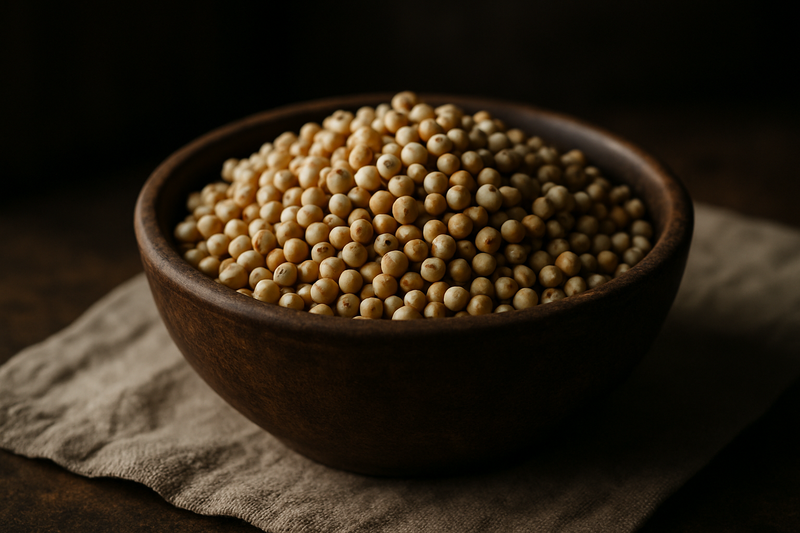
Ting (Fermented Sorghum Porridge) · Photograph
Discover the health benefits of ting fermented sorghum porridge — a tangy Southern African staple rich in whole-grain fiber, B vitamins, and gut-friendly lactic acid bacteria. Learn how to make it, what the research says, and who should take caution.
Key Nutrients
% Daily Value based on 2,000 cal diet
Key active compounds in ting sorghum porridge
- Phenolic acids (e.g., ferulic acid): Plant-derived aromatic compounds concentrated in sorghum bran. They act as antioxidants and may help modulate oxidative stress. Fermentation can influence how much your body absorbs.
- 3-Deoxyanthocyanidins: Unique flavonoid pigments found in darker sorghum varieties. These are structurally distinct from the anthocyanins in berries and show antioxidant and potential anti-inflammatory activity in lab models.
- Condensed tannins: Polyphenolic compounds (large molecules made of linked phenol units) present in pigmented sorghum types. Research suggests they can slow starch breakdown and contribute to a higher proportion of resistant starch in sorghum porridges.
- Lactic acid and organic acids: Produced by lactic acid bacteria during fermentation. They lower pH, create the sour taste, may improve microbial safety of the porridge, and can modestly influence how starch is digested and how well certain minerals dissolve.
- Dietary fiber: Sorghum bran is a source of both soluble and insoluble fiber, supporting stool bulk and feeding beneficial gut bacteria.
- Resistant starch: A type of starch that escapes digestion in the small intestine and reaches the colon, where gut bacteria ferment it — acting similarly to dietary fiber.
Buying guide: what to look for
Fresh-ground whole sorghum meal (from a mill or market): The most nutritionally intact option. Look for a grayish-tan color and a slightly earthy smell. Avoid any meal that smells musty or stale.
Packaged sorghum meal (supermarket): Check the ingredients list — it should say sorghum (or mabele/kaffircorn) and nothing else for a plain product. Some brands add small amounts of maize meal, which changes the nutrient profile. Store in an airtight container in a cool, dry place and use within the date on pack.
Certified gluten-free: If you have celiac disease or non-celiac gluten sensitivity, look for a third-party gluten-free certification mark. Sorghum itself contains no gluten, but cross-contact in milling facilities is a real risk.
Supplement or extract form: Not relevant for ting. This is a whole-food, traditionally prepared porridge — there is no supplement equivalent that delivers the same combination of fermented whole grain, fiber, and cultural eating context.
Prep and pairing ideas
Classic breakfast ting: Mix 1 cup of sorghum meal with 2 cups of lukewarm water in a clean bowl. Cover loosely with a cloth and leave at room temperature for 2–3 days, stirring once daily. When bubbles appear and the mixture smells sour (not foul), transfer to a pot, add another 1–2 cups of water, and cook over medium heat, stirring constantly until thick — about 10–15 minutes. Serve as is, or with a drizzle of plant milk or a spoonful of nut butter for added protein and fat.
Common pairings that work well:
- Ting + slow-cooked bean stew (morogo or sugar beans): A traditional pairing in Southern African cooking. The combination delivers complementary proteins (the amino acids sorghum is lower in are better supplied by legumes), and the stew's richness balances the porridge's tang.
- Ting + cooked dark leafy greens (morogo/wild spinach or kale): Greens provide vitamin C, which helps boost the absorption of the non-heme iron in sorghum. The fermentation process has already started reducing phytic acid, so pairing with a vitamin C source can further enhance iron uptake from the meal.
- Ting + a small amount of plant-based yogurt stirred in after cooking: Adds a creamy texture and additional lactic acid bacteria if you choose a live-culture product. This keeps the probiotic component alive since it is added after the heat is off.
Bottom line
Ting fermented sorghum porridge is a nutritionally solid, culturally rooted whole-grain food that deserves more attention outside Southern Africa. As a fermented whole grain, it brings together fiber, B vitamins, magnesium, manganese, and plant phenolics in a naturally gluten-free package that has been eaten safely as a daily staple for generations.
The honest picture on health benefits is this: the mechanistic case for digestive support, modest blood sugar management, and antioxidant activity is plausible and supported by research on sorghum and fermented cereals broadly. Direct human clinical trials on ting itself are largely absent. That gap makes it premature to position ting as a treatment for any condition — but it does not diminish its value as a nutritious, minimally processed, fermented whole-grain food worth including in a varied diet.
If you are looking to add more whole grains or fermented foods to your meals, ting is one of the most interesting and underexplored options available.
If you are exploring how fermented and whole-grain foods can support your overall wellness goals, browse our goals guides at Plantopedia for practical, evidence-aligned starting points.
How Ting (Fermented Sorghum Porridge) Compares
| Compared with | What's different |
|---|---|
| Ting (Fermented Sorghum Porridge) vs. Maltabella | Ting is fermented for 2–3 days giving it a distinct sour tang, while Maltabella is toasted and malty. |
| Ting (Fermented Sorghum Porridge) vs. Pap (Maize Porridge) | Ting uses whole sorghum for a coarser texture and higher iron; pap is smooth maize with a milder taste. |
| Ting (Fermented Sorghum Porridge) vs. Oatmeal | Ting is made from fermented whole-grain sorghum meal rather than rolled oat flakes. |
Health Benefits
Things to Know
Gluten-free but not automatically celiac-safe: Sorghum contains no gluten, but cross-contamination during milling or packaging with wheat, barley, or rye is possible. Choose certified gluten-free sorghum meal if you have celiac disease.
Introduce fiber gradually: If you are not used to high-fiber whole grains or fermented foods, start with a half-cup serving and increase slowly. Rapid increases in fiber can cause gas, bloating, or loose stools.
Very sour foods and acid reflux: People with gastroesophageal reflux disease (GERD) or active stomach ulcers may find the acidity of well-fermented ting uncomfortable. A shorter fermentation time produces a milder product.
IBS and fermentable carbohydrates: People with irritable bowel syndrome (IBS) sometimes react to fermentable fibers and carbohydrates. Ting contains fiber types that can ferment in the colon, which benefits most people but may trigger symptoms in those with IBS. A registered dietitian familiar with IBS can help you assess whether ting fits your tolerance.
Diabetes and carbohydrate counting: One cup of cooked ting contains about 44 g of carbohydrate. Even if the glycemic index is lower than refined cereals, it still contributes meaningfully to total carbohydrate intake. People using insulin or glucose-lowering medications should factor this into meal planning.
Medication timing: High-fiber meals can delay absorption of some oral medications — most notably levothyroxine (a thyroid medication) and certain antibiotics. Separating these medications from high-fiber meals by two to four hours is commonly recommended; follow your prescriber's or pharmacist's advice.
Immunocompromised individuals: Home-fermented foods carry a small risk of spoilage or contamination if not prepared under clean conditions. People with weakened immune systems should ensure hygienic preparation — clean utensils, potable water, and discarding any batch with unusual mold or off-smells beyond normal sourness.
Pregnancy: No specific safety concerns with ting from sorghum itself during pregnancy, but the same hygiene precautions for home-fermented foods apply.
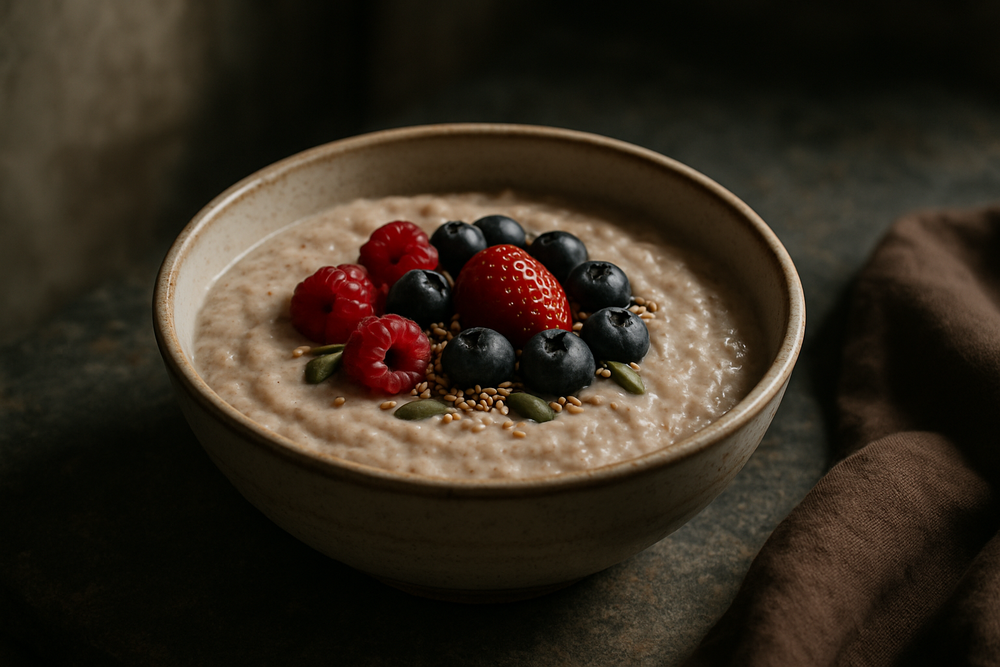
Prep Ideas
- — **Ting + slow-cooked bean stew (morogo or sugar beans):** A traditional pairing in Southern African cooking. The combination delivers complementary proteins (the amino acids sorghum is lower in are better supplied by legumes), and the stew's richness balances the porridge's tang.
- — **Ting + cooked dark leafy greens (morogo/wild spinach or kale):** Greens provide vitamin C, which helps boost the absorption of the non-heme iron in sorghum. The fermentation process has already started reducing phytic acid, so pairing with a vitamin C source can further enhance iron uptake from the meal.
- — **Ting + a small amount of plant-based yogurt stirred in after cooking:** Adds a creamy texture and additional lactic acid bacteria if you choose a live-culture product. This keeps the probiotic component alive since it is added after the heat is off.
Glossary
Shop This Ingredient
Stock your pantry with quality ting (fermented sorghum porridge).
Buy on AmazonAs an Amazon Associate, Plantopedia earns from qualifying purchases. This costs you nothing extra and helps us keep the encyclopedia free.
Frequently Asked Questions
The sections below cover what current evidence — at whatever level it exists — actually suggests. Evidence quality is noted for each area. Digestive health and microbiome Evidence level: Emerging (mechanistic and traditional use; no published human trials specific to ting) The fermentation process behind ting is driven by spontaneous lactic acid fermentation — the same broad category of fermentation behind yogurt, kimchi, and sourdough. Lactic acid bacteria lower the pH of the sorghum slurry, which can reduce phytic acid (an antinutrient that binds minerals and reduces their absorption) and predigest some starches and proteins. In other fermented cereal porridges, this process has been associated with improved digestibility and increased mineral bioavailability. The coarse grind of traditional ting also retains more fiber than refined porridges, and dietary fiber is one of the most consistently supported interventions for bowel regularity in human research. For people increasing their whole-grain fiber intake, starting with a smaller portion and building up gradually tends to reduce gas and bloating. Whether ting functions as a true probiotic food (a food that delivers live beneficial bacteria in amounts shown to improve health) is genuinely unclear. Fermentation is active during the souring stage, but once ting is cooked at high heat, most live bacteria are destroyed. The organic acids and partially fermented starches remain, but the living microbial component does not survive cooking the way it does in raw fermented foods like some yogurts or kefir. Blood sugar and metabolism Evidence level: Emerging (sorghum-specific human data; no trials on ting specifically) A comparison study of sorghum and other cereal porridges found that sorghum porridges had glycemic indices (a measure of how quickly a food raises blood glucose) in the low-to-intermediate range, influenced notably by how coarsely the sorghum was ground. Coarser particles slow starch digestion, which produces a more gradual rise in blood sugar compared with finely milled flour. Separately, a lab study using phenolic-rich sorghum bran extracts showed reduced estimated glycemic index and increased resistant starch content in sorghum porridges. Condensed tannins appear to play a role in slowing starch breakdown. Fermentation may further modify starch structure — as it does in other fermented cereals — but this has not been specifically measured for ting. Together, these findings suggest ting may have a gentler effect on blood sugar than highly refined cereal porridges, but this is an inference, not a confirmed clinical outcome for ting. Heart and circulation Evidence level: Emerging (extrapolated from whole-grain and sorghum research) No human trials have evaluated ting as an intervention for blood lipids or cardiovascular outcomes. Whole-grain sorghum is naturally cholesterol-free and low in saturated fat, while providing fiber and minerals like magnesium that are relevant to blood pressure regulation. Its phenolic compounds show antioxidant activity in lab models that could theoretically support vascular health. The more plausible heart-health argument for ting is a substitution argument: replacing a refined, low-fiber breakfast cereal with a fermented whole-grain porridge fits within the broader dietary patterns (high fiber, minimally processed foods) consistently associated with lower cardiovascular risk in large epidemiological studies. Inflammation and recovery Evidence level: Emerging (cell and animal model data; no human trials on ting) Darker sorghum varieties contain 3-deoxyanthocyanidins and phenolic acids that demonstrate anti-inflammatory activity in cell culture and animal experiments. Fermentation may increase the bioavailability (the amount your body can actually use) of some of these phenolic compounds by breaking down cell walls that otherwise lock them in. These are interesting biological mechanisms, but they have not been tested in human trials using ting specifically. Treating inflammation-related benefits as confirmed would be getting ahead of the evidence.
Homemade fermented sorghum porridge (ting ya mabele) is the traditional and most nutritionally complete form, made from coarsely ground whole sorghum meal. The coarser the grind, the more bran and germ you retain, and the lower the likely glycemic impact compared with finely milled flour. Pre-packaged sorghum meal for ting is widely available in South African and Botswanan grocery stores and increasingly in African specialty stores internationally. Look for labels that say "whole sorghum" or "mabele" and check that the grain is not bleached or heavily refined. If gluten-free status matters to you, look for certified gluten-free labeling. Sorghum with added maize meal is a common variation that changes the texture and flavor slightly. Note that if the maize meal is processed in a facility handling wheat, cross-contamination is possible, which matters for people with celiac disease. Leftover starter culture — a reserved portion of fermented sorghum dough — is used by experienced home cooks to kickstart the next batch. This is similar in principle to a sourdough starter and can produce a more consistent sour flavor.
There is no clinical dose established for ting because it has been studied as a cultural food rather than a supplement. Traditional practice offers a practical guide: Typical serving: ½ to 1½ cups (roughly 120–360 g) of cooked ting per serving, eaten once or twice daily — as a breakfast porridge or alongside a main meal. Starting point if new to ting or fermented whole grains: Begin with a half-cup serving and observe how your digestion responds over a few days before increasing. As part of a balanced plate: Ting is a carbohydrate-rich food. For most adults, a single cup (200 calories, 44 g carbohydrate, 6 g fiber) fits comfortably within a balanced breakfast when paired with a protein source and vegetables or fruit. Fermentation time: Two days produces a mildly sour, gentle porridge. Three days or more produces a sharper, more acidic flavor. If you are new to sour foods, start with a 48-hour ferment.
Quick Answers
Common questions, answered in a line.
Ting is a traditionally fermented Southern African porridge made from sorghum meal, known for its distinct sour flavor and whole-grain nutrients. It is a staple food rich in dietary fiber, B vitamins, and lactic acid bacteria produced during a multi-day fermentation process.
To make ting, mix one cup of sorghum meal with two cups of lukewarm water and let it sit covered at room temperature for two to three days until it bubbles and smells sour. Once fermented, cook the mixture with additional water over medium heat for 10–15 minutes until it thickens.
Sorghum is naturally gluten-free, but ting is only celiac-safe if the sorghum meal is certified gluten-free to ensure no cross-contamination occurred during milling. Always check for a third-party certification mark if you have celiac disease or non-celiac gluten sensitivity.
Ting contains dietary fiber, resistant starch, and lactic acid bacteria that support digestive health by feeding beneficial gut bacteria and promoting stool bulk. The fermentation process also lowers the porridge's pH, which may improve microbial safety and mineral solubility.
Ting pairs traditionally with slow-cooked bean stews or dark leafy greens like kale and morogo, which provide vitamin C to help your body absorb the iron in the sorghum. You can also stir in plant-based yogurt after cooking to add creaminess and live probiotics.
If you have GERD or acid reflux, the high acidity of well-fermented ting may cause discomfort. You can mitigate this by using a shorter fermentation time to produce a milder, less acidic porridge.
People with diabetes should factor ting into their carbohydrate counting, as one cup contains approximately 44 grams of carbohydrates. While its whole-grain fiber and tannins may slow starch breakdown, it still contributes significantly to total daily carbohydrate intake.
For Readers in the USA
Local context — sourcing, seasonality, and regional notes.
You can find sorghum meal, often labeled as "sorghum flour" or "mabele," at major US retailers like Whole Foods Market, Bob’s Red Mill stockists, and international grocers specializing in African or Indian foods. Online marketplaces like Amazon also stock specialized brands like Mabele a ko kae, which are commonly used for making ting.
While sorghum grows primarily in the "Sorghum Belt" (from South Dakota to Texas), sorghum meal for ting is available year-round in US stores because it is a shelf-stable grain product. In the US, Kansas is the leading producer, ensuring a steady domestic supply of high-quality whole-grain sorghum for milling.
When purchasing sorghum meal in the US, look for the USDA Organic seal and the "Certified Gluten-Free" label from the Gluten Intolerance Group (GIG) to ensure the product meets strict safety standards. Because sorghum is often processed in facilities that handle wheat, these certifications are vital for those with celiac disease or gluten sensitivities.
AI Clinical Review
- Clearly explains ting as a traditionally fermented, whole‑grain sorghum porridge and notes its long history of regular use in Southern Africa.
- Accurately frames fermentation benefits (lower pH, potential phytic acid reduction, modest changes to starch) while acknowledging that most data come from broader fermented‑cereal research.
- Correctly notes that sorghum is naturally gluten‑free and highlights cross‑contamination as the key concern for people with celiac disease.
- Sensibly discusses glycemic impact as likely lower than refined cereal porridges when coarsely ground, without overpromising.
- Clarifies that cooking destroys most live bacteria, so ting is not a probiotic food in the strict sense, while still offering prebiotic fiber.
- There are no randomized human trials on ting itself; most health inferences come from studies on sorghum or fermented cereals in general.
- Glycemic index findings vary with grain variety, grind size, and preparation; translating lab or small human studies on other porridges to ting remains uncertain.
- Antioxidant and anti‑inflammatory mechanisms (e.g., phenolics, 3‑deoxyanthocyanidins) are largely supported by cell/animal data; human relevance and effective intake from typical servings are not yet defined.
- Nutrient values can shift with fermentation time and cooking method, so tables should be viewed as estimates rather than fixed numbers.
- Typical practical intake: about ½–1½ cups cooked per serving; if you’re new to fermented whole grains, start smaller and increase gradually to minimize gas or bloating.
- Diabetes management: a 1‑cup serving provides ~44 g carbohydrate—plan portions and medications accordingly, even if the glycemic response may be gentler than refined cereals.
- Celiac disease and gluten avoidance: choose sorghum meal with certified gluten‑free labeling to reduce cross‑contact risk; mixed products (e.g., sorghum‑maize blends) require extra label checks.
- GI sensitivities: very sour foods may aggravate reflux; some with IBS react to fermentable fibers—monitor tolerance and consider professional guidance if symptoms flare.
- Medication timing: high‑fiber meals can interfere with absorption of certain drugs (e.g., levothyroxine, some antibiotics); separating dosing by a few hours is commonly advised—follow your prescriber’s instructions.
- Food safety: home fermentation requires clean water and utensils; immunocompromised individuals and those who are pregnant should be especially attentive to hygiene and discard any batch with off‑odors or visible mold.
Gluten-free grain; naturally sour.
References
- USDA FoodData Central — nutrient database for sorghum (fdc.nal.usda.gov)
- Slow Food Ark of Taste — Ting ya Mabele cultural and preparation background (fondazioneslowfood.com)
- Glycemic index comparison of sorghum and other cereal porridges — human comparative study (citeseerx.ist.psu.edu)
- Effects of sorghum crude extracts on starch digestibility, estimated glycemic index, and resistant starch in porridges — PubMed lab study (pubmed.ncbi.nlm.nih.gov)
- Fermentation to improve sorghum and other cereal porridges — AACC Annual Meeting review abstract (cerealsgrains.org)
- Taste.co.za — Mabele ya ting from scratch, traditional preparation guide (taste.co.za)
- Pride Milling — Ting fermented sorghum recipe and preparation notes (pridemilling.co.za)
- Foodie Magazine — Ting sour porridge recipe and serving context (foodiemag.co.za)
Know Your Numbers
Eating healthy is a start. Now get to know your biomarkers.
Food changes bloodwork — inflammation, lipids, blood sugar and nutrient status all respond to what you eat. 59 markers from $59.
- Results in 7–10 days at 2,000+ Quest sites
- Licensed provider reviews every result
- One flat price, no membership, HSA/FSA eligible
Educational information only, not medical advice. Panels are ordered and reviewed through our licensed partner; Plantopedia may earn a commission.