Toasted Peanut Oil — health benefits and uses
A cornerstone frying fat in West African and Southern US cooking.
The Short Answer
Toasted peanut oil is a flavorful finishing oil rich in monounsaturated fats and vitamin E, primarily used to add a deep, nutty aroma to Asian dishes after cooking.
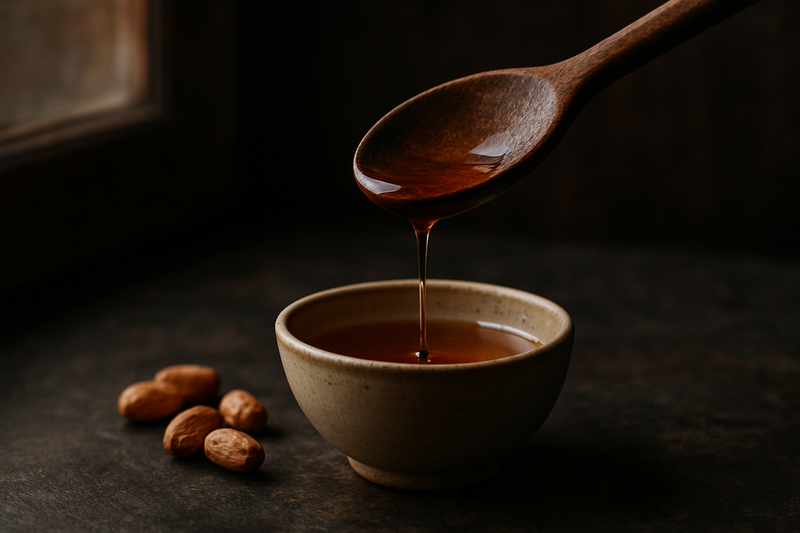
Toasted Peanut Oil · Photograph
Discover the toasted peanut oil health benefits and safety facts you need before drizzling it over your next stir-fry. Learn how this aromatic finishing oil compares to refined peanut oil, what the research says about heart health and vitamin E, who should avoid it due to peanut allergy, and how much to use daily in Asian cooking.
Key Nutrients
% Daily Value based on 2,000 cal diet
Key active compounds
- Oleic acid — A monounsaturated omega-9 fatty acid that makes up the largest share of peanut oil's fat content (roughly 6–8 g per tablespoon). Associated with improved blood lipid profiles when it replaces saturated fat.
- Linoleic acid — A polyunsaturated omega-6 essential fatty acid (meaning your body cannot make it; you must get it from food). Important for cell membranes and skin integrity, though it works best in balance with omega-3 fats.
- Tocopherols (alpha- and gamma-vitamin E) — A family of fat-soluble antioxidants naturally occurring in peanut oil. They protect fats in cell membranes from oxidative damage and support immune and skin health.
- Phytosterols (including beta-sitosterol) — Plant-derived compounds structurally similar to cholesterol. They compete with dietary cholesterol for absorption in the gut, which can help modestly lower LDL ("bad") cholesterol levels.
- Maillard reaction aromatic compounds — Produced during the roasting of peanuts before pressing, these give toasted peanut oil its characteristic deep, nutty fragrance. They contribute flavor, not documented health effects.
Prep and pairing ideas
Toasted peanut oil is a finishing oil, not a frying medium. Add it after the heat goes off, or at the very end of cooking, to preserve its aromatic compounds and avoid exceeding its smoke point.
Three practical pairings and why they work:
- Dan dan noodles or cold sesame noodles — A half-teaspoon stirred into the sauce just before serving adds a deep roasted-nut layer that plays beautifully against soy sauce, ginger, and chili. The oil's fat also helps carry oil-soluble flavor compounds in the other aromatics.
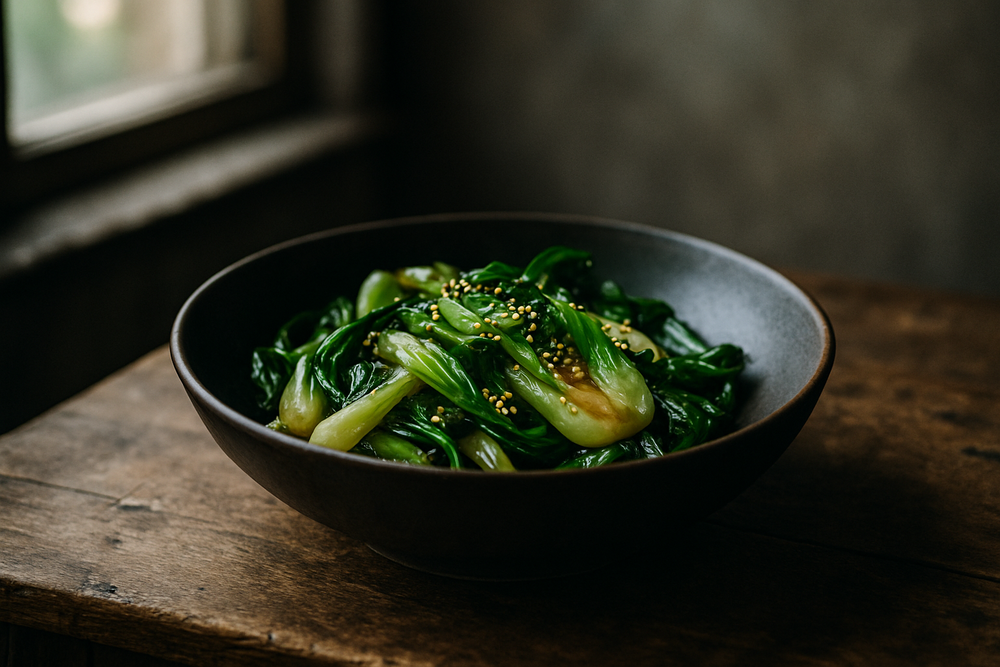
- Stir-fried bok choy or broccolini — Add a drizzle over the vegetables right after they come off the heat. The residual warmth is enough to bloom the aroma without degrading the oil. The slight bitterness of leafy greens contrasts well with the oil's richness.
- Cucumber or shredded chicken salads (Chinese-style) — Whisk a teaspoon into a dressing with rice vinegar, a touch of sesame, and a pinch of sugar. The monounsaturated fats help absorb fat-soluble nutrients from the vegetables, and the toasted flavor ties everything together without needing additional sauce.
Storage tip: Toasted peanut oil is more prone to oxidation (going rancid) than refined oil because of its residual compounds. Store in a dark glass bottle away from heat and light. Use within 3–6 months of opening, and trust your nose — rancid oil smells waxy or like old crayons.
Bottom line
Toasted peanut oil is a genuinely useful kitchen ingredient with a nutritional profile worth respecting. Its predominantly unsaturated fat composition, meaningful vitamin E content, and small but real phytosterol contribution align with dietary patterns linked to heart health and metabolic wellness. The flavor intensity means you get a lot of culinary impact from a modest amount, which works in your favor from a calorie standpoint.
The critical caveat is the allergen issue. Toasted and unrefined peanut oils retain residual peanut proteins and are not safe for anyone with a peanut allergy. This is not negotiable. If you have a peanut allergy, this oil is simply not for you — and that is important information that gets lost when people assume all peanut oil is the same as refined restaurant-grade oil.
For everyone else without allergy concerns, a small bottle of quality toasted peanut oil in the pantry is one of the most flavor-efficient finishing ingredients you can own. Use it thoughtfully, store it carefully, and pair it with a diet that is otherwise rich in whole plants, and you are unlikely to go wrong.
Looking for more ways to build an anti-inflammatory, heart-supportive kitchen? Browse our ingredient collection by health goal.
How Toasted Peanut Oil Compares
| Compared with | What's different |
|---|---|
| Toasted Peanut Oil vs. Refined Peanut Oil | Lower smoke point and intense nutty aroma; used as a finishing oil rather than for deep-frying. |
| Toasted Peanut Oil vs. Toasted Sesame Oil | Provides a roasted nut flavor rather than a savory, toasted seed profile; both are finishing oils. |
Health Benefits
Things to Know
Peanut allergy — strict avoidance required.: Anyone with a diagnosed or suspected peanut allergy should avoid toasted, cold-pressed, and gourmet peanut oils. Allergenic proteins are retained after minimal processing and can trigger reactions ranging from hives to anaphylaxis. This applies to children as well as adults.
Atopic conditions.: People with a history of eczema, asthma, or other allergic conditions are at higher risk of sensitization and should be cautious about unrefined peanut oils.
Anticoagulant medications (e.g., warfarin).: High-dose vitamin E supplements can increase bleeding risk. Culinary use of peanut oil contributes modest vitamin E, but if you are on blood thinners and consuming vitamin E from multiple sources, mention it to your prescriber.
Diabetes medications.: Shifting toward higher unsaturated fat intake can affect insulin sensitivity. If you are making significant dietary changes, discuss this with your healthcare team so medications can be monitored accordingly.
Weight management.: All oils are calorie-dense — about 119 calories per tablespoon. Toasted peanut oil's strong flavor means you typically use very little, which is helpful, but portions still matter.
Fat malabsorption, pancreatitis, or gallbladder disease.: These conditions may require limiting all added fats; speak to your doctor or dietitian.
Pregnancy.: No specific restriction for people without peanut allergy, but overall fat intake and dietary balance are important. Consult your midwife or OB if uncertain.
Prep Ideas
- — Dan dan noodles or cold sesame noodles — A half-teaspoon stirred into the sauce just before serving adds a deep roasted-nut layer that plays beautifully against soy sauce, ginger, and chili. The oil's fat also helps carry oil-soluble flavor compounds in the other aromatics.
- — Stir-fried bok choy or broccolini — Add a drizzle over the vegetables right after they come off the heat. The residual warmth is enough to bloom the aroma without degrading the oil. The slight bitterness of leafy greens contrasts well with the oil's richness.
- — Cucumber or shredded chicken salads (Chinese-style) — Whisk a teaspoon into a dressing with rice vinegar, a touch of sesame, and a pinch of sugar. The monounsaturated fats help absorb fat-soluble nutrients from the vegetables, and the toasted flavor ties everything together without needing additional sauce.
Glossary
Shop This Ingredient
Stock your pantry with quality toasted peanut oil.
Buy on AmazonAs an Amazon Associate, Plantopedia earns from qualifying purchases. This costs you nothing extra and helps us keep the encyclopedia free.
Frequently Asked Questions
Heart and circulation This is where peanut oil has the strongest nutritional case. Swapping saturated fats (found in butter, lard, and coconut oil) for oils rich in unsaturated fats is one of the most consistently supported dietary strategies for reducing LDL cholesterol and lowering cardiovascular disease risk — and peanut oil fits that profile well. Research reviewed by sources including the British Heart Foundation and Medical News Today suggests that diets using unsaturated-fat-rich oils like peanut oil in place of saturated fat can improve blood lipid profiles and reduce cardiovascular risk. Vitamin E and phytosterols in peanut oil may add a modest additional layer of benefit through antioxidant and cholesterol-lowering actions, respectively. One important nuance: the evidence is for peanut oil broadly, not specifically for the toasted version. Since toasted peanut oil is typically used as a finishing drizzle in small amounts (a teaspoon or two, not a quarter cup), its direct heart impact is modest. The bigger picture is what else you are eating and what fat it might be replacing. Digestive health and microbiome Toasted peanut oil does not contribute fiber or protein, so it does not directly feed gut bacteria or support bowel regularity the way whole peanuts do. Like all fats, it slows gastric emptying (the rate at which food leaves your stomach), which can enhance feelings of fullness after a meal. This effect is not unique to peanut oil. There is very little research specifically examining peanut oil and digestive health. What exists is largely extrapolated from general gastrointestinal physiology. People with fat malabsorption, pancreatitis, or gallbladder issues may need to limit all added fats, and peanut oil is no exception. Blood sugar and metabolism Emerging evidence — primarily from studies on diets high in monounsaturated and polyunsaturated fats — suggests that replacing saturated fat with unsaturated fat may improve insulin sensitivity and glycemic markers (measurements of how well your body manages blood sugar) in people with type 2 diabetes. Peanut oil, with its favorable fatty acid profile, fits within those dietary patterns. These findings come from broader dietary studies, not from trials specifically testing toasted peanut oil. The evidence is promising but not definitive, and it is no substitute for overall diet quality, portion management, and medical guidance for people with diabetes. Oils remain calorie-dense, and volume matters. Inflammation and recovery Toasted peanut oil provides vitamin E, a fat-soluble antioxidant (a compound that helps neutralize unstable molecules called free radicals that can damage cells). Oxidative stress — the accumulation of those free radicals — is considered an upstream driver of chronic inflammation. By providing around 14% of the adult daily value for vitamin E per tablespoon, peanut oil makes a meaningful dietary contribution to antioxidant status. Phytosterols in peanut oil also show anti-inflammatory and immune-modulating effects in experimental models. However, direct clinical trials measuring inflammatory markers specifically after consuming toasted peanut oil are lacking. Most support is mechanistic or extrapolated from related oils and nutrients. The anti-inflammatory framing should be treated as early-stage evidence, not established fact.
This is one of the most practically important questions around this ingredient, and the answer hinges on two things: your intended use and your allergy status. Toasted (unrefined) peanut oil is made by cold-pressing or mechanically extracting oil from roasted peanuts. The roasting step gives it that bold, nutty aroma. Because it undergoes minimal processing, it retains more flavor compounds and more residual peanut protein. Its smoke point — the temperature at which an oil begins to break down and produce harmful compounds — is only around 320–350°F (160–177°C). That is too low for prolonged deep-frying but perfectly suited to finishing dishes, adding to dressings, or brief, moderate-heat cooking. Refined peanut oil, by contrast, undergoes chemical or physical refining that strips out most flavor, color, and crucially, nearly all peanut protein. Its smoke point rises to around 440–450°F (227–232°C), making it ideal for high-heat stir-frying and deep-frying. Most restaurant-grade peanut oil falls into this category. From an allergy standpoint, these are fundamentally different products. Highly refined peanut oil is generally considered safe for most people with peanut allergy because the refining process removes allergenic proteins. Toasted, cold-pressed, and other unrefined peanut oils retain variable amounts of those proteins and are not considered safe for people with peanut allergy. This is not a gray area — food allergy organizations and clinical sources are consistent on this point.
The flavor-first home cook who eats mostly plant-based You want a single ingredient that dramatically elevates noodle dishes, stir-fries, and grain bowls without adding much volume. You are already using a variety of plant oils and want something that punches well above its weight in small doses. You have no peanut allergy and appreciate that the oil delivers vitamin E and a favorable fat profile alongside its aroma. The heart-conscious eater looking to shift fat sources You have been advised to reduce saturated fat intake and are looking for flavorful, practical ways to cook with unsaturated-fat-rich oils. You enjoy Asian-influenced cooking and want an oil that integrates naturally into recipes rather than feeling like a health-food substitution. You already track your oil consumption and can easily fit 1–2 teaspoons of a high-impact finishing oil into your daily fat budget.
Because toasted peanut oil is used primarily as a flavoring agent rather than a primary cooking fat, typical culinary use is 1 teaspoon to 1 tablespoon (5–15 mL) per serving, and often shared across multiple portions of a dish. That is roughly 40–120 calories of added fat — meaningful but manageable in the context of a balanced meal. Broader dietary research on unsaturated vegetable oils (including peanut oil) generally involves replacing a portion of saturated fat with 20–50 g of oil per day integrated into meals. There is no established upper safe limit specific to toasted peanut oil, but the general guidance for all added oils is: Start small — a teaspoon is enough to notice the flavor impact. Use it where it counts — finishing drizzle, dressings, sauce additions, not bulk frying. Account for total daily fat — oils from all sources should fit within your overall calorie and fat targets, especially if you are managing weight or cardiovascular risk. Do not take it as a supplement — there is no evidence supporting capsule or concentrated peanut oil supplementation for health purposes. If you are making a deliberate dietary shift (for example, replacing butter or coconut oil with peanut oil across multiple meals), that is worth discussing with a registered dietitian to make sure the change is calibrated to your full dietary picture.
Quick Answers
Common questions, answered in a line.
Toasted peanut oil is a finishing oil intended to be added after cooking is complete or just before serving to preserve its nutty aroma. It should not be used as a primary frying medium because high heat can degrade its delicate aromatic compounds and exceed its smoke point.
Toasted peanut oil is high in oleic acid, a monounsaturated fat that can help improve blood lipid profiles when used to replace saturated fats. It also contains phytosterols like beta-sitosterol, which compete with dietary cholesterol to help lower LDL ("bad") cholesterol levels.
No, toasted peanut oil is not safe for people with peanut allergies because it is minimally processed and retains residual peanut proteins. Unlike highly refined oils, these unrefined versions can trigger severe reactions ranging from hives to anaphylaxis.
Toasted peanut oil contains tocopherols, which are alpha- and gamma-vitamin E antioxidants that protect cell membranes from oxidative damage. These fat-soluble compounds also provide natural support for both immune function and skin health.
Toasted peanut oil should be stored in a dark glass bottle away from heat and light to prevent it from going rancid. Because it contains residual compounds that make it prone to oxidation, it is best to use the oil within 3 to 6 months of opening.
Toasted peanut oil provides about 119 calories per tablespoon, making it a calorie-dense ingredient. However, its intense flavor often allows you to use a very small amount to achieve a significant culinary impact, which can be helpful for portion control.
Toasted peanut oil pairs excellently with Dan dan noodles, stir-fried bok choy, and Chinese-style cucumber or chicken salads. Adding it to these dishes at the end of preparation helps bloom its aroma and assists in the absorption of fat-soluble nutrients from vegetables.
For Readers in the USA
Local context — sourcing, seasonality, and regional notes.
You can find toasted peanut oil at major US retailers like Whole Foods Market, Trader Joe's, and Safeway, as well as at local Asian grocery chains like H Mart or 99 Ranch Market. While refined peanut oil is sold in large jugs for frying, toasted versions are typically sold in smaller 5- to 12-ounce glass bottles in the international or specialty oil aisle.
According to FDA labeling laws, toasted peanut oil must be clearly labeled as containing peanuts, as it is an unrefined oil that retains allergenic proteins. Unlike highly refined peanut oil, which the FDA exempts from some labeling requirements because the proteins are removed, toasted varieties are considered a major food allergen risk in the US.
Most peanuts used for domestic oil production are grown in the "Peanut Belt," which includes Georgia, Alabama, Florida, and Texas. While most of this harvest goes toward peanut butter or refined frying oil, a growing number of artisanal US producers in the Southeast are now offering domestic roasted or "gourmet" peanut oils.
To ensure the highest quality in the US, look for the USDA Organic seal and check the ingredient list to ensure no cheaper filler oils, like soybean or cottonseed oil, have been blended in. High-quality American brands often label their product as "Roasted" or "Artisanal" peanut oil to distinguish it from the chemically refined yellow oil used in fast-food fryers.
AI Clinical Review
- Clearly distinguishes toasted (unrefined) from refined peanut oil, including flavor, smoke point, and—most importantly—very different allergy risks.
- Accurately frames potential heart and metabolic benefits as substitution effects of unsaturated fats and vitamin E, not as unique “superfood” properties of toasted oil.
- Emphasizes appropriate culinary use: a finishing drizzle rather than a high-heat frying medium, which aligns with its lower 320–350°F smoke point.
- Provides practical portion guidance (about 1 tsp–1 Tbsp per dish) and sensible storage advice to limit oxidation.
- Most health claims are extrapolated from studies on peanut oil generally or on unsaturated-fat dietary patterns; there are few trials on toasted peanut oil specifically.
- Anti-inflammatory and lipid-lowering effects beyond basic fat substitution (e.g., due to phytosterols or tocopherols) are plausible but modest and not well quantified in clinical trials using toasted oil.
- Digestive and satiety effects are nonspecific to peanut oil and reflect general physiology of dietary fat rather than ingredient-specific research.
- Allergy safety: Unrefined/toasted peanut oil can retain allergenic proteins and is not safe for people with peanut allergy; households with peanut-allergic members should avoid it. Highly refined peanut oil is a different product and may be tolerated, but individual medical advice is essential.
- Dose and calories: About 119 kcal per tablespoon—use small amounts and consider total daily fat goals; there is no evidence to support supplementing peanut oil in capsules.
- Medications and conditions: People on anticoagulants (vitamin E from multiple sources may increase bleeding risk), those with diabetes adjusting fat intake, and anyone with fat malabsorption, pancreatitis, or gallbladder disease should check in with a clinician.
- Heat handling: Keep toasted oil to finishing or brief, low-to-moderate heat applications; choose refined peanut oil or another high–smoke point oil for deep-frying or prolonged stir-frying.
Peanut allergen; unrefined toasted oil retains more protein than refined.
References
- USDA FoodData Central — Peanut oil nutritional data (fdc.nal.usda.gov)
- USDA Nutritive Value of Foods (HG-72) — foundational nutrition reference used for oil composition data (ars.usda.gov)
- Food Allergy & Anaphylaxis Connection Team (FAACT) — Peanut allergen guidance — key public health source on peanut oil allergy safety (foodallergyawareness.org)
- Ohio State University Health — Is peanut oil safe for peanut allergies? — clinical overview distinguishing refined vs. unrefined safety (health.osu.edu)
- The Peanut Institute — White paper on peanut oil processing and allergy — industry and research overview of refining and protein removal (peanut-institute.com)
- Medical News Today — Is peanut oil healthy? — review of cardiovascular, blood sugar, and safety evidence (medicalnewstoday.com)
- WebMD — Peanut Oil: Are There Health Benefits? — summary of human evidence on lipids, vitamin E, and allergy considerations (webmd.com)
- British Heart Foundation — Using oils in cooking: which is healthiest? — public health guidance on unsaturated fat replacement and cardiovascular benefit (bhf.org.uk)
- Science Insights — Is Peanut Oil Healthy? Benefits, Risks, and Uses — review of phytosterol, tocopherol, and fatty acid research (scienceinsights.org)
- Nutrition-and-You — Peanut oil nutrition facts and health benefits — micronutrient breakdown and phytochemical profile (nutrition-and-you.com)
Know Your Numbers
Eating healthy is a start. Now get to know your biomarkers.
Food changes bloodwork — inflammation, lipids, blood sugar and nutrient status all respond to what you eat. 59 markers from $59.
- Results in 7–10 days at 2,000+ Quest sites
- Licensed provider reviews every result
- One flat price, no membership, HSA/FSA eligible
Educational information only, not medical advice. Panels are ordered and reviewed through our licensed partner; Plantopedia may earn a commission.