Moringa Seed Oil — health benefits and uses
Moringa is a revered 'miracle tree' across South Asia and Africa.
The Short Answer
Moringa seed oil is a heart-healthy, high-oleic oil containing 10.5g of monounsaturated fat and 1.5mg of Vitamin E per tablespoon. Its unique stability and mild nutty flavor make it ideal for dressings, finishing oils, and low-heat cooking.
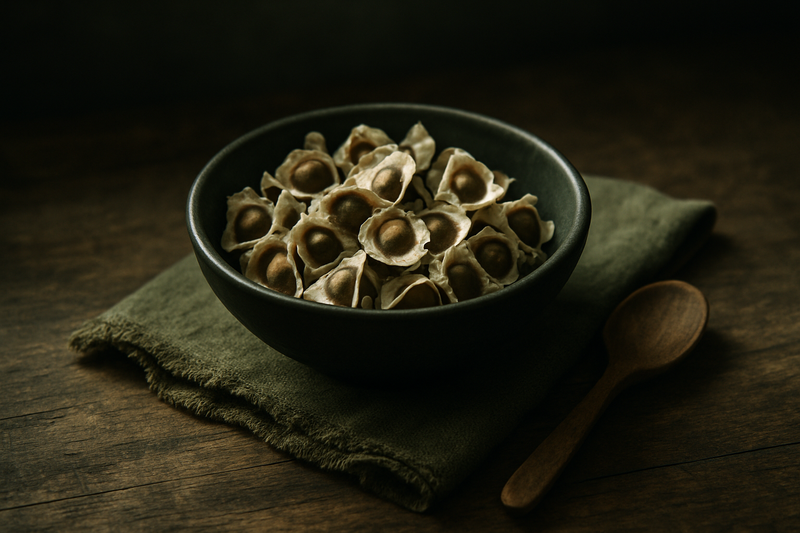
Moringa Seed Oil · Photograph
Discover moringa seed oil health benefits and how to use this exceptionally stable, oleic-acid-rich ben oil in dressings and as a finishing oil. Learn about nutrition facts, safety, food-grade vs cosmetic-grade, and how it compares to olive oil.
Key Nutrients
% Daily Value based on 2,000 cal diet
Key active compounds
- Oleic acid (omega-9 MUFA) — the dominant fatty acid at ~73% of total fat; a monounsaturated fatty acid (one that has a single double bond in its carbon chain) linked to heart-healthy lipid profiles in well-powered olive oil and high-oleic sunflower oil trials.
- Behenic acid (C22:0) — a long-chain saturated fatty acid that gives the oil its traditional name "ben oil"; contributes to the oil's semi-solid texture at cool temperatures and to its stability, though the overall saturated fat content remains modest.
- Tocopherols (α-, γ-, δ-forms) — the vitamin E family; act as natural antioxidants that protect the oil from oxidation and support cellular antioxidant defences when consumed.
- Phytosterols — plant compounds structurally similar to cholesterol; modest amounts in vegetable oils are associated with mild LDL-cholesterol reduction when consumed regularly in place of saturated fats.
- Polyphenols and minor antioxidants — phenolic compounds from the seed that survive cold-pressing and contribute to the oil's antioxidant capacity.
- Palmitic acid (~6%) and stearic acid (~6%) — the main remaining saturated fats; present at low levels compared to coconut or palm oils.
Prep and pairing ideas
Moringa seed oil's mild, faintly nutty flavour and exceptional stability make it ideal for cold and low-heat applications. Because its high-oleic content does provide a reasonable smoke point (~160–180 °C / 320–356 °F for unrefined), it can handle light sautéing, but its best features shine at room temperature.
3 practical pairings:
- Moringa seed oil + lemon juice + garlic → salad dressing base. The mild oil lets the lemon and garlic sing without competing. Oleic acid also helps fat-soluble carotenoids from leafy greens absorb more efficiently — a genuine nutritional synergy.
- Moringa seed oil drizzled over cooked lentils or hummus. Pulses are naturally low in fat; a finishing drizzle adds satiety, improves absorption of fat-soluble nutrients in the dish, and provides a polished flavour note. The oil's stability means it won't go rancid sitting in a sealed jar on the counter for weeks.
- Moringa seed oil in a tahini-based sauce. Tahini is rich in polyunsaturated fats (which are less stable). Blending in a high-oleic oil like moringa seed oil extends the sauce's shelf life and adds a complementary, neutral-fatty richness.
Storage: Store in a cool, dark place. Refrigeration is optional but extends life. Shelf life for a quality cold-pressed food-grade moringa seed oil is typically 1–2 years unopened, and 6–12 months once opened — significantly longer than flaxseed or walnut oil.
Bottom line
Moringa seed oil is a genuinely distinctive culinary oil: its very high oleic acid content, natural vitamin E tocopherols, and exceptional shelf stability make it a smart choice for dressings, finishing, and low-heat cooking. The heart-health rationale is biologically plausible and well-supported by analogy to other high-oleic oils, even if direct clinical trials on moringa seed oil remain limited.
What it is not — at least not yet — is a proven treatment for inflammation, blood sugar, hormonal imbalance, or any specific condition. Many bold health claims circulating online are based on moringa leaf or whole-seed extract research, or on preclinical data, and should not be transferred wholesale to the oil.
Used as a food — in sensible culinary amounts, from a reputable food-grade source — moringa seed oil is a worthwhile, evidence-aligned addition to a plant-forward diet. Keep it in the kitchen, not the medicine cabinet.
Explore how oils and fats fit into your overall health goals at Plantopedia's goals hub.
How Moringa Seed Oil Compares
| Compared with | What's different |
|---|---|
| Moringa Seed Oil vs. Olive Oil | Moringa oil has significantly higher behenic acid, providing a more stable shelf life. |
| Moringa Seed Oil vs. Flaxseed Oil | Moringa oil is dominated by monounsaturated fats, whereas flax is mostly polyunsaturated omega-3s. |
Health Benefits
Things to Know
Allergy risk: If you have nut or seed allergies, introduce moringa seed oil cautiously — specific allergy data are sparse but cross-reactivity with other seed oils is possible.
Calorie density: Like all oils, moringa seed oil delivers ~120 calories per tablespoon. It adds up quickly; account for it in your overall daily fat intake.
Blood pressure medications: Moringa leaves and seed extracts may lower blood pressure in some studies. If you take antihypertensive (blood-pressure-lowering) drugs, discuss adding any moringa product with your prescriber.
Diabetes medications: Moringa preparations have been shown to modestly lower blood glucose in some research. If you use insulin, sulfonylureas, or metformin, monitor blood sugar if you begin using moringa products regularly.
Anticoagulants: Changes in dietary fat composition can influence platelet function. If you take warfarin or other blood thinners, introduce new oils gradually and under medical guidance.
Lipid-lowering drugs: High-oleic oils may complement statin therapy but should never replace prescribed medication without clinician input.
Pregnancy and breastfeeding: Formal safety studies of oral moringa seed oil in pregnancy are lacking. Moringa leaf preparations are used traditionally in some cultures, but oil-specific safety data do not exist. Seek medical advice first.
Liver or kidney disease: High-fat additions and novel food products warrant extra caution; consult a clinician before regular use.
Novel food status: At least one food safety authority review concluded that safety of moringa oil for general retail cannot yet be fully confirmed. Use established food-grade products and stay within culinary amounts.
Prep Ideas
- — Moringa seed oil + lemon juice + garlic → salad dressing base. The mild oil lets the lemon and garlic sing without competing. Oleic acid also helps fat-soluble carotenoids from leafy greens absorb more efficiently — a genuine nutritional synergy.
- — Moringa seed oil drizzled over cooked lentils or hummus. Pulses are naturally low in fat; a finishing drizzle adds satiety, improves absorption of fat-soluble nutrients in the dish, and provides a polished flavour note. The oil's stability means it won't go rancid sitting in a sealed jar on the counter for weeks.
- — Moringa seed oil in a tahini-based sauce. Tahini is rich in polyunsaturated fats (which are less stable). Blending in a high-oleic oil like moringa seed oil extends the sauce's shelf life and adds a complementary, neutral-fatty richness.
Shop This Ingredient
Stock your pantry with quality moringa seed oil.
Buy on AmazonAs an Amazon Associate, Plantopedia earns from qualifying purchases. This costs you nothing extra and helps us keep the encyclopedia free.
Frequently Asked Questions
Heart health and circulation The strongest nutritional case for moringa seed oil is cardiovascular. Diets that replace saturated fats with monounsaturated fats — particularly oleic acid — are consistently associated with better LDL (low-density lipoprotein, often called "bad" cholesterol) profiles and reduced cardiovascular risk across multiple large human trials on comparable high-oleic oils. Moringa seed oil's fatty acid composition fits squarely in that category. Preclinical (animal) studies specifically on moringa seed preparations show reduced malondialdehyde (a marker of lipid peroxidation — or fat damage — in cells), improved activity of antioxidant enzymes like superoxide dismutase and glutathione peroxidase, and attenuation of experimentally induced heart injury. These are encouraging mechanistic signals, but controlled human trials with moringa seed oil as the specific intervention are not yet available. Practical takeaway: Using 1–2 tablespoons of moringa seed oil daily in place of butter, coconut oil, or other higher-saturated-fat options is a plausible, evidence-aligned swap for heart health — as it would be for any comparable high-oleic oil. Digestive health As a fat-only oil, moringa seed oil supports digestion primarily by aiding the absorption of fat-soluble vitamins (A, D, E, K) and antioxidants from the rest of your meal — a well-established physiological role for dietary fats in general. Specific digestive benefits (liver support, bile flow, constipation relief) are reported in the moringa literature, but those data come from leaf and whole-seed extracts, not from the oil. Animal model research suggests moringa preparations may have hepatoprotective (liver-protecting) effects, with improvements in liver enzyme levels and tissue health — but again, these are not oil-specific findings and have not been replicated in human clinical trials. Blood sugar and metabolism Here the evidence gap between moringa the plant and moringa seed oil is widest. The compounds most associated with blood-sugar-lowering effects in moringa — polyphenols, isothiocyanates (sulphur-containing plant compounds), and certain glycosides — are water-soluble or leaf-derived. They are not meaningfully present in the refined oil fraction. Small human studies showing modest post-meal glucose improvements in people who consume moringa leaf powder should not be generalised to the oil. If you are managing blood sugar, moringa leaf powder (used separately) has a different and somewhat more promising evidence base than the oil. Inflammation and recovery Cell culture work on human sebocytes (oil-producing skin cells) found that moringa seed oil reduced secretion of pro-inflammatory cytokines (cell-signalling proteins that drive inflammation) and supported healthy lipid production — a mechanistically interesting finding. Broader anti-inflammatory effects have been described in animal models. However, no well-designed human trials have yet tested whether consuming moringa seed oil orally reduces systemic inflammatory markers like CRP (C-reactive protein) or IL-6 in people. Anti-inflammatory claims for ingested moringa seed oil should be treated as emerging and speculative.
Buying guide: what to look for Cold-pressed, food-grade is the gold standard. Here is how to navigate the options: | Form | Best for | Watch out for | | --- | --- | --- | | Cold-pressed food-grade | Finishing oils, dressings, raw use | Must say "food-grade" or "edible" on label | | Refined food-grade | Neutral flavour cooking, blending | May lose minor bioactives but keeps fatty acid profile | | Cosmetic-grade | Skin and hair only | Never ingest — not produced to food safety standards | | Oil blends | Budget-friendly options | Read the blend ratio; health effects depend on the mix | | Softgel capsules | Supplement use | No established therapeutic dose; check for food-grade certification | Label tips: Look for "cold-pressed" or "expeller-pressed" and an explicit statement of food-grade or edible use. Dark glass bottle preferred — it slows light-induced oxidation. Country of origin and pressing date are good-quality signals. Avoid anything labelled "cosmetic use only" or without a clear food safety designation. ⚠️ Critical safety note: Cosmetic-grade moringa seed oil is widely available online and in beauty stores. It is not subject to food safety manufacturing standards. Do not use cosmetic-grade oil in food, regardless of marketing language about its purity.
There is no established therapeutic dose from human clinical trials. As a culinary oil, the practical and sensible range is 1–2 tablespoons (14–28 g) per day, used as part of your total daily fat intake rather than in addition to it. Start with 1 teaspoon if you are new to the oil — primarily to check tolerability and introduce a new flavour gradually. 1 tablespoon per day is a reasonable maintenance amount for a finishing oil or in a dressing. Do not exceed 2 tablespoons per day without specific reason; all oils are calorie-dense and excess fat intake adds up regardless of the source. Do not treat any dose as therapeutic. Moringa seed oil is a food ingredient, not a supplement with a proven clinical dose. If you are using it alongside moringa leaf powder or other moringa products, be aware that you are combining products with different active compound profiles. They do not simply add up to "more moringa benefit."
Quick Answers
Common questions, answered in a line.
Moringa seed oil is a highly stable oil composed primarily of oleic acid (73%) and behenic acid, which gives it the traditional name "ben oil." It is rich in vitamin E tocopherols and phytosterols, making it a shelf-stable choice for dressings and low-heat cooking.
Moringa seed oil has a mild, faintly nutty flavor that is neutral enough to be used as a base for dressings or as a finishing oil. Its subtle profile allows other ingredients, like lemon or garlic, to remain the primary flavors in a dish.
Moringa seed oil has a smoke point of approximately 160–180 °C (320–356 °F) for unrefined varieties, making it suitable for light sautéing and low-heat applications. However, it is best utilized at room temperature in dressings or drizzled over cooked foods.
Moringa seed oil is exceptionally shelf-stable, typically lasting 1 to 2 years unopened and 6 to 12 months after opening. This longevity is due to its high oleic acid content and natural antioxidants like tocopherols, which protect it from oxidation.
Moringa seed oil contains about 73% oleic acid (omega-9), which is linked to heart-healthy lipid profiles and improved cholesterol markers. It also contains phytosterols that may support mild LDL-cholesterol reduction when replacing saturated fats in the diet.
You should consult a doctor before using moringa seed oil if you take medications for blood pressure, diabetes (like insulin or metformin), or blood thinners (anticoagulants). These medications may interact with moringa's potential effects on glucose and blood pressure.
Moringa seed oil should be stored in a cool, dark place to maintain its quality. While refrigeration is optional, it can help extend the oil's shelf life, though the oil may become semi-solid at cooler temperatures due to its behenic acid content.
For Readers in the USA
Local context — sourcing, seasonality, and regional notes.
In the United States, food-grade moringa seed oil is most commonly found at specialty health food stores like Whole Foods Market, through online retailers, or at local farmers markets in tropical regions. While not yet a staple in every neighborhood Kroger or Safeway, it is increasingly available in the "superfood" or specialty oil aisles of larger natural grocers.
The USDA Growing Zones 9 through 11, including parts of Florida, Hawaii, southern California, and southern Texas, are the primary regions where moringa trees can be grown outdoors year-round. While most commercial moringa oil is imported from India or Africa, domestic production is slowly expanding in these warm-weather states.
When shopping for moringa seed oil in the US, look for the USDA Organic seal and ensure the label explicitly specifies it is "food grade" or "GRAS" (Generally Recognized As Safe). The FDA distinguishes between cosmetic oils meant for skin and food-grade oils intended for ingestion, so verifying the "Nutrition Facts" panel is essential for culinary use.
AI Clinical Review
- Clearly distinguishes moringa seed oil from moringa leaf/seed extracts, noting that benefits don’t automatically carry over.
- Accurately describes the oil’s profile: very high oleic acid (~70–75% monounsaturated fat, MUFA) with natural vitamin E (tocopherols) and good oxidative stability—consistent with compositional research.
- Positions the oil as a sensible swap for higher‑saturated‑fat options and best used for finishing/cold applications rather than high‑heat frying.
- Offers practical buying tips (food‑grade, cold‑pressed, dark glass) and an appropriate culinary range (about 1–2 tablespoons per day) without treating it as a medicine.
- Direct human clinical trials testing moringa seed oil on heart outcomes, inflammation, or blood sugar are limited; most health rationale is extrapolated from other high‑oleic oils (e.g., olive, high‑oleic sunflower).
- Lab and animal findings (antioxidant enzymes, hepatoprotection, skin‑cell effects) are preliminary and may not reflect benefits at typical dietary intakes.
- Micronutrient estimates (tocopherols, phytosterols) vary by cultivar and processing; standardized database values are sparse, so labels may not match published averages.
- Dose and calories: 1–2 Tbsp (14–28 g) daily as part of your total fat intake is reasonable; ~120 kcal per Tbsp can add up quickly. Start with 1 tsp if you’re new to it.
- Form matters: choose food‑grade edible oil (cold‑pressed or refined). Do not ingest cosmetic‑grade oils.
- Caution groups: discuss routine use with a clinician if pregnant/breastfeeding, managing liver or kidney disease, or if you have seed/oil allergies (introduce slowly).
- Medications: if you use antihypertensives, diabetes medications, or anticoagulants, monitor closely when making notable fat‑intake changes, as these can influence lipids, glycemic control, or platelet function.
Often cosmetic-grade; use only food-grade. Distinct from moringa leaf powder.
References
- USDA FoodData Central — general nutrition database for oils and fats (fdc.nal.usda.gov)
- Moringa oleifera Seeds and Oil: Characteristics and Uses for Human Health — compositional review (IJMS 2017) (air.unimi.it)
- Antioxidant, anticancer, and anti-inflammatory potential of Moringa seed and seed oil — comprehensive review (PubMed 2024) (pubmed.ncbi.nlm.nih.gov)
- Health Benefits, Uses and Applications of Moringa oleifera — review (PMC 2022) (pmc.ncbi.nlm.nih.gov)
- Moringa Tree, Gift of Nature: nutritional and health aspects review (PMC 2022) (pmc.ncbi.nlm.nih.gov)
- Effects of Moringa oleifera Seed Oil on Cultured Human Sebocytes — cell study (PubMed 2023) (pubmed.ncbi.nlm.nih.gov)
- Moringa oleifera as a Novel Food: Application A1294 Supporting Document — food safety authority review (Food Standards Australia New Zealand, 2025) (foodstandards.gov.au)
- Moringa oleifera Seeds and Oil review — PMC 2017 (pmc.ncbi.nlm.nih.gov)
- Moringa Oil: Benefits and Uses — Healthline overview (healthline.com)
- Moringa: 15 possible benefits, side effects, and risks — Medical News Today (medicalnewstoday.com)
Know Your Numbers
Eating healthy is a start. Now get to know your biomarkers.
Food changes bloodwork — inflammation, lipids, blood sugar and nutrient status all respond to what you eat. 59 markers from $59.
- Results in 7–10 days at 2,000+ Quest sites
- Licensed provider reviews every result
- One flat price, no membership, HSA/FSA eligible
Educational information only, not medical advice. Panels are ordered and reviewed through our licensed partner; Plantopedia may earn a commission.