Ume Plum Vinegar (Umezu) — health benefits and uses
Japanese and macrobiotic cooking use umezu as an alkalizing, appetite-sparking seasoning.
The Short Answer
Ume plum vinegar is a salty, sour fermented brine made from umeboshi plums that contains 410 mg of sodium per teaspoon. It is used as a finishing condiment to add acidity and saltiness to grains, dressings, and steamed vegetables.

Ume Plum Vinegar (Umezu) · Photograph
Discover the real ume plum vinegar health benefits, its nutrition profile, sodium content, and practical tips for using this salty-sour Japanese fermented brine in everyday cooking — without overdoing the salt.
Key Nutrients
% Daily Value based on 2,000 cal diet
Key active compounds in ume plum vinegar
- Citric acid — the dominant organic acid from the ume fruit; participates in the citric acid cycle (the body's main energy-production pathway) and is responsible for much of the tart flavour.
- Malic acid — another fruit-derived organic acid; also found in apple cider vinegar and linked to energy metabolism.
- Acetic acid — produced during fermentation; the compound most studied across all vinegars for modest effects on blood sugar and appetite.
- Anthocyanins from red shiso — water-soluble red-to-purple pigments (a type of flavonoid) that act as antioxidants in the lab and give umezu its signature pink-red colour.
- Polyphenols (phenolic acids and flavonoids) — a broad family of plant-protective compounds from both the plum and the shiso; studied in vitro for anti-inflammatory potential.
- Sodium chloride — not a phytochemical, but the dominant functional ingredient by weight; it is both a preservative and the reason this condiment must be treated with care.
Prep and pairing ideas
Ume plum vinegar is a finishing condiment — add it after cooking, not during, to preserve its flavour.
Three practical pairings:
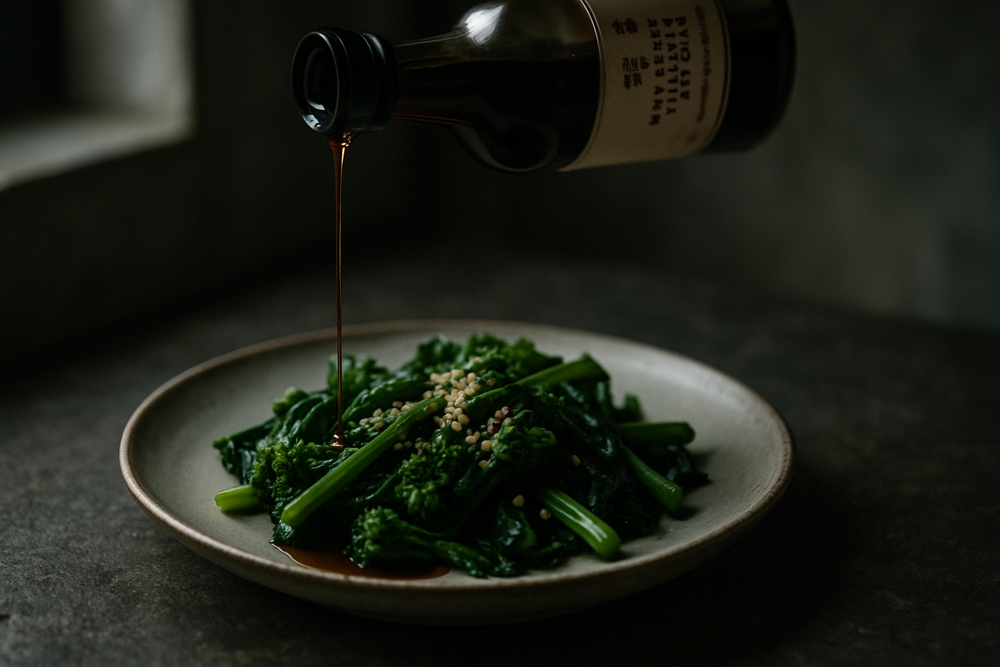
- Steamed greens (kale, spinach, broccoli, bok choy): Dress immediately after steaming with ½ teaspoon umezu and a drizzle of toasted sesame oil. The salt and acid in the brine replaces both the dressing's vinegar and the salt you would otherwise add. The umami note makes bitter greens immediately more palatable — a simple way to support plant-based eating without reaching for the salt shaker.
- Grain bowls (brown rice, farro, millet): Stir ½ to 1 teaspoon into cooked grains while still warm. The citric and malic acids brighten the starchy base the way a squeeze of lemon would, and the shiso anthocyanins tint the rice a pale pink — visually inviting and satisfying without any extra steps.
- Tahini dressings and dips: Whisk 1 teaspoon umezu into 2 tablespoons tahini, a squeeze of lemon, and enough water to thin. The brine adds salt and acid simultaneously, so you can skip added salt entirely. This combination is particularly good over roasted root vegetables or as a dipping sauce for crudités.
General tips:
- Start with ¼ to ½ teaspoon in a dish for two; taste before adding more.
- Use in place of, not alongside, other salty seasonings (salt, soy sauce, miso, tamari) in the same dish.
- A few drops stirred into sparkling water with a slice of cucumber makes a refreshing low-calorie drink — just be mindful of the sodium.
Bottom line
Ume plum vinegar is a genuinely interesting ingredient: a fermented, near-zero-calorie brine packed with organic acids, shiso-derived anthocyanins, and a complex salty-sour-umami flavour that can make simple plant-based dishes compelling. Its potential benefits for digestion, blood sugar, and recovery are plausible based on the chemistry of its components and the broader vinegar literature — but direct human clinical evidence for the brine itself is essentially absent.
The most evidence-backed statement you can make about umezu is straightforward: it is an exceptional seasoning that can help you make vegetables and grains taste great, which supports better dietary patterns overall. That is a real and underrated benefit.
The non-negotiable caveat is sodium. At ~410 mg per teaspoon, this is not a supplement to splash liberally; it is a condiment to measure carefully. Used with that awareness — a small dash in place of salt, not a shot glass on its own — ume plum vinegar is a worthwhile, flavour-forward addition to any plant-forward kitchen.
How Ume Plum Vinegar (Umezu) Compares
| Compared with | What's different |
|---|---|
| Ume Plum Vinegar (Umezu) vs. Rice Vinegar | Umezu is a salty fermented brine, while rice vinegar is a mild, unsalted acetic acid liquid. |
| Ume Plum Vinegar (Umezu) vs. Apple Cider Vinegar | Umezu is significantly saltier and more sour; ACV is fruitier with a milder acidity profile. |
| Ume Plum Vinegar (Umezu) vs. Soy Sauce | Umezu provides tart acidity alongside salt, whereas soy sauce is purely savory and salty. |
Health Benefits
Things to Know
Sodium is the main safety concern.: One teaspoon = ~410 mg sodium (18% DV). One tablespoon = ~1,050 mg, nearly half the daily limit. Treat every serving the way you would treat soy sauce.
High blood pressure and cardiovascular disease: people on low-sodium diets or antihypertensive medications should use tiny amounts and count umezu toward their daily sodium total. High sodium can blunt the effectiveness of blood-pressure medications including ACE inhibitors, ARBs, and diuretics.
Kidney disease: excess sodium worsens fluid retention and blood pressure in impaired kidney function. Use only with medical guidance.
Liver cirrhosis with ascites: strict sodium restriction may be required; this condiment is not suitable in that context without clinician approval.
GERD, reflux, or peptic ulcers: the high acidity can aggravate symptoms. Dilute in dressings rather than using straight.
Dental enamel: like all acidic condiments, frequent direct exposure can contribute to enamel erosion. Rinse with water after eating acidic foods regularly.
Stone fruit or shiso allergy: contains components from both; avoid if you have a known allergy to plums or perilla.
Pregnancy: ume plum vinegar is generally safe as a small culinary seasoning, but those advised to follow a low-sodium diet due to gestational hypertension or preeclampsia should be cautious and consult their care team.
Lithium and corticosteroids: large fluctuations in dietary sodium from concentrated sources can theoretically affect lithium levels; corticosteroids already promote sodium retention. Discuss with your prescriber.
Insulin and blood-sugar medications: a theoretical additive glucose-lowering effect has been proposed for acetic-acid vinegars; in practice the sodium constraint limits serving size so risk is low, but worth noting for people on tight glycaemic control.
Prep Ideas
- — Steamed greens (kale, spinach, broccoli, bok choy): Dress immediately after steaming with ½ teaspoon umezu and a drizzle of toasted sesame oil. The salt and acid in the brine replaces both the dressing's vinegar and the salt you would otherwise add. The umami note makes bitter greens immediately more palatable — a simple way to support plant-based eating without reaching for the salt shaker.
- — Grain bowls (brown rice, farro, millet): Stir ½ to 1 teaspoon into cooked grains while still warm. The citric and malic acids brighten the starchy base the way a squeeze of lemon would, and the shiso anthocyanins tint the rice a pale pink — visually inviting and satisfying without any extra steps.
- — Tahini dressings and dips: Whisk 1 teaspoon umezu into 2 tablespoons tahini, a squeeze of lemon, and enough water to thin. The brine adds salt and acid simultaneously, so you can skip added salt entirely. This combination is particularly good over roasted root vegetables or as a dipping sauce for crudités.
- — Start with ¼ to ½ teaspoon in a dish for two; taste before adding more.
- — Use in place of, not alongside, other salty seasonings (salt, soy sauce, miso, tamari) in the same dish.
- — A few drops stirred into sparkling water with a slice of cucumber makes a refreshing low-calorie drink — just be mindful of the sodium.
Glossary
Shop This Ingredient
Stock your pantry with quality ume plum vinegar (umezu).
Buy on AmazonAs an Amazon Associate, Plantopedia earns from qualifying purchases. This costs you nothing extra and helps us keep the encyclopedia free.
Frequently Asked Questions
The honest answer is that direct clinical trials on ume plum vinegar brine are almost nonexistent. The four areas below represent the most plausible mechanisms, but they rest mainly on traditional use and studies of related ingredients. Digestive health and the microbiome Japanese culinary tradition has long used umeboshi and its brine to stimulate appetite, ease nausea, and reduce bloating after heavy meals. The organic acids in umezu may enhance gastric (stomach) secretion and bile flow — both of which help break down food, particularly proteins and fats. Acetic acid from vinegar in general has been shown in small human studies to slow gastric emptying (the rate at which food moves from the stomach into the small intestine), which can increase feelings of fullness. That said, no clinical trials have tested ume plum vinegar specifically for digestive outcomes in humans. The evidence is largely anecdotal or extrapolated from other vinegars. And because umezu is highly acidic, larger amounts could actually worsen heartburn or reflux in people who are prone to it. On the question of whether ume plum vinegar is probiotic: most commercial bottles are pasteurised, which kills live microbes. An unpasteurised artisanal brine might contain some live fermentation bacteria, but their strains and counts are not standardised, and no human studies confirm gut-health benefits from the brine alone. Calling it probiotic is a stretch for most products you will find on shelves. Blood sugar and metabolism Vinegars in general — particularly apple cider and grain vinegars — have been studied for their effect on postprandial glucose (blood sugar after eating). Several small trials show that 15–30 mL of acetic-acid-containing vinegar taken with meals can modestly blunt the blood sugar spike after a starchy meal, which may be relevant for people with insulin resistance or type 2 diabetes. There are no equivalent trials for ume plum vinegar. Its acetic acid content is relatively lower than standard table vinegars, and its very high sodium content means the practical serving size is much smaller than the 15–30 mL used in vinegar-glucose trials. Any glycaemic benefit, if present, would likely be modest and is speculative at this stage. Heart and circulation Some small trials of low-sodium vinegars have reported modest reductions in triglycerides and blood pressure when consumed regularly. Ume plum vinegar presents a complicating wrinkle: its sodium load is so high that the potential vascular benefit of acetic acid could easily be offset — or reversed — by the blood-pressure-raising effect of excess sodium in salt-sensitive people. From a cardiovascular standpoint, the most practical framing is this: used in very small amounts as a flavour tool that replaces added table salt in a dish, umezu might help some people reduce their overall sodium if it means using less salt elsewhere. But it should never be treated as a heart-health supplement. Inflammation and recovery Red shiso is rich in anthocyanins and rosmarinic acid, both of which show anti-inflammatory and antioxidant activity in laboratory and animal studies. Ume fruit extracts also demonstrate antioxidant effects in preclinical (non-human) research. Some small Japanese studies using ume-derived citric acid preparations (not the retail brine itself) have reported reductions in subjective fatigue and modest decreases in post-exercise blood lactate — a marker that can contribute to muscle soreness. These findings are interesting but preliminary. The amounts of polyphenols and citric acid that reach the body from a culinary splash of umezu are far smaller than the amounts used in those studies, and no randomised controlled trial has used ume plum vinegar as the primary intervention.
Bottled liquid brine (standard) This is the product you will find in most natural food stores and Japanese grocery shops — a shelf-stable, pasteurised liquid at around 4–5% acidity. It works perfectly as a seasoning. Because it is pasteurised, do not count on it for live probiotic cultures. Unpasteurised or artisanal brine Some small-batch or traditional producers sell unpasteurised umeboshi brine. It may retain more volatile aromatic compounds and potentially some live microorganisms from fermentation, but microbial content is unstandardised and no clinical data confirm probiotic benefits. Handle it with the same food-safety care you would apply to any raw fermented product. Label tips — buying guide Ingredient list should be short: ume plums, salt, red shiso. Some brands add shiso vinegar or a touch of honey, which is fine, but watch for unnecessary additives. Check sodium per teaspoon, not per 100 mL — the per-100 mL figure looks alarming; the per-teaspoon number is what you will actually use. Organic vs. conventional: ume plums can be treated with sulphites in some products; organic versions typically avoid this. Colour as a quality signal: a vivid pink-red usually indicates generous red shiso use; a pale, yellowish brine may have little or no shiso and therefore fewer anthocyanins. Glass over plastic: the high acidity means glass bottles are preferable for long-term storage.
There is no established therapeutic dose for ume plum vinegar because no clinical trials have tested it as an intervention. Dosing guidance comes entirely from its sodium content and culinary tradition. A practical daily ceiling: most health-conscious users keep total intake at or below 1 tablespoon (15 mL) per day. Given that 1 tablespoon contains roughly 1,050 mg sodium, that alone would use up nearly half the daily recommended limit before any other salt from food is counted. In practice, ½ to 1 teaspoon per dish — spread across one or two dishes — is a more realistic and sodium-safe approach. Start low: if you are new to umezu, begin with ¼ teaspoon in a recipe. Its flavour is concentrated and it is easy to over-season. You can always add more; you cannot take it back. Do not drink it straight. Unlike apple cider vinegar, which some people dilute and drink as a wellness shot, ume plum vinegar is far too salty to consume that way safely. The sodium load from even a single tablespoon taken undiluted would be equivalent to eating nearly a teaspoon of table salt in one go. For sodium-restricted diets: if your healthcare provider has set a sodium limit (commonly 1,500–2,000 mg/day for cardiovascular conditions), factor every teaspoon of umezu into your running total, just as you would soy sauce or fish sauce.
Quick Answers
Common questions, answered in a line.
Ume plum vinegar contains citric acid, malic acid, and acetic acid, which are organic acids linked to energy metabolism and blood sugar management. It also provides antioxidants like anthocyanins and polyphenols derived from red shiso and the ume fruit itself.
Ume plum vinegar should be used as a finishing condiment added after cooking to preserve its complex salty-sour-umami flavor. Because it is highly concentrated, start with just 1/4 to 1/2 teaspoon for a dish serving two people and taste before adding more.
Ume plum vinegar is very high in salt, containing approximately 410 mg of sodium per teaspoon, which is about 18% of the daily recommended value. Because one tablespoon contains nearly half the daily sodium limit, it must be measured carefully and used in place of salt.
You can use ume plum vinegar to season steamed greens, brighten grain bowls, or whisk it into tahini-based dressings and dips. It serves as an effective substitute for both vinegar and salt, helping to make bitter vegetables and starchy grains more palatable.
People with high blood pressure, kidney disease, or GERD should use ume plum vinegar with caution due to its high sodium content and acidity. It may also interfere with medications like lithium, corticosteroids, or antihypertensives, so those on restricted diets should consult a doctor.
Ume plum vinegar is an excellent seasoning for plant-based diets because its salty-sour profile makes vegetables and grains taste better without needing extra salt. The organic acids and antioxidants support overall dietary patterns by making healthy whole foods more compelling.
Ume plum vinegar can be a refreshing addition to sparkling water when mixed with a slice of cucumber, provided you are mindful of the sodium intake. However, due to its high acidity, it is best diluted to protect dental enamel and avoid aggravating acid reflux.
For Readers in the USA
Local context — sourcing, seasonality, and regional notes.
You can find ume plum vinegar at major US retailers like Whole Foods Market, Sprouts Farmers Market, and many local health food stores, often stocked in the international or macrobiotic aisle. Online marketplaces like Thrive Market and Amazon also carry popular domestic and imported brands.
In the US, ume plum vinegar is most commonly sold under the Eden Foods label, though you may also find it labeled as "Ume Plum Brine" or "Umezu" in Asian grocery stores like H-Mart or Mitsuwa. Look for glass bottles to ensure the acidity hasn't reacted with plastic packaging.
While ume plums are traditionally imported from Japan, some specialty growers in California and the Pacific Northwest now harvest them in mid-summer, making fresh umezu occasionally available at West Coast farmers markets. Most commercial ume plum vinegar sold in the US is shelf-stable and available year-round.
To ensure you are getting a product free from synthetic dyes or preservatives, look for the USDA Organic seal and check the label for "Red Shiso," which provides the natural pink color. High-quality versions sold in the US should only contain ume plums, sea salt, and shiso leaves.
AI Clinical Review
- Clearly explains that ume plum vinegar (umezu) is a salty fermented brine with near‑zero calories but very high sodium (~410 mg per teaspoon), so it’s best used as a seasoning rather than a supplement.
- Accurately frames the evidence base: most potential benefits are inferred from ume fruit, shiso, or vinegar research in general; direct human trials on umezu are lacking.
- Offers practical, small‑dose culinary uses that can help replace added salt and make vegetables/grains more appealing—an approach aligned with improving overall diet quality.
- Correctly notes that most commercial products are pasteurised and therefore not reliably “probiotic,” while unpasteurised versions vary and aren’t clinically studied.
- Digestive support from organic acids is plausible, but the magnitude of benefit at culinary doses is uncertain and has not been tested in controlled trials using umezu.
- Blood‑sugar or lipid effects observed with other vinegars may not generalise because typical umezu servings are much smaller and the sodium load is high.
- Antioxidant/anti‑inflammatory claims from shiso anthocyanins and ume polyphenols are based mainly on lab and animal data; human relevance at teaspoon amounts is unclear.
- Any probiotic potential of unpasteurised brine remains uncharacterised—microbe types and counts aren’t standardised, and human outcomes haven’t been studied.
- Portion guidance: start with 1/4–1/2 teaspoon per dish; a practical daily ceiling is about 1 tablespoon (~1,050 mg sodium), and many people—especially on 1,500–2,000 mg sodium plans—will need less.
- Use caution or seek clinician guidance if you have hypertension, cardiovascular or kidney disease, cirrhosis with ascites, GERD/ulcers, are pregnant with blood‑pressure concerns, or have stone‑fruit/perilla allergies.
- Medication considerations: swings in sodium intake can influence lithium levels and fluid retention with corticosteroids; discuss regular use with your prescriber if relevant.
- Practical use: don’t drink it straight; fold into foods or dressings to limit reflux and enamel exposure. Pasteurised vs unpasteurised mainly differs in potential live microbes—neither has proven clinical advantages.
Very high sodium; use as a seasoning, not a straight vinegar.
References
- USDA FoodData Central — ume plum vinegar nutrition facts (sodium per serving) (tools.myfooddata.com)
- Eden Ume Plum Vinegar sodium and nutrition data (CalorieKing) (calorieking.com)
- Ume plum vinegar detailed sodium data per teaspoon (SnapCalorie) (snapcalorie.com)
- OHSAWA Ume Plum Vinegar nutrition facts (GoldMine Natural Foods) (goldminenaturalfoods.com)
- Umeboshi Vinegar (Prunus mume brine) — benefits, uses, and traditional context (Hermetica Superfoods Encyclopedia) (hermeticasuperfoods.com)
- Nutrients and bioactive components from vinegar: a review of human trials on acetic acid, blood sugar, and lipids (ScienceDirect) (sciencedirect.com)
- Ume Plum Vinegar nutrition per serving — Eden product (EatThisMuch) (eatthismuch.com)
- Eden Ume Plum Vinegar product nutrition profile (Prospre) (prospre.io)
Know Your Numbers
Eating healthy is a start. Now get to know your biomarkers.
Food changes bloodwork — inflammation, lipids, blood sugar and nutrient status all respond to what you eat. 59 markers from $59.
- Results in 7–10 days at 2,000+ Quest sites
- Licensed provider reviews every result
- One flat price, no membership, HSA/FSA eligible
Educational information only, not medical advice. Panels are ordered and reviewed through our licensed partner; Plantopedia may earn a commission.