Doubanjiang (Fermented Chili Bean Paste) — health benefits and uses
Sichuan cuisine regards fermented chili paste as warming and appetite-awakening.
The Short Answer
Doubanjiang is a fermented paste made from broad beans and chilies, prized for its high concentration of antioxidant carotenoids and metabolism-boosting capsaicin.
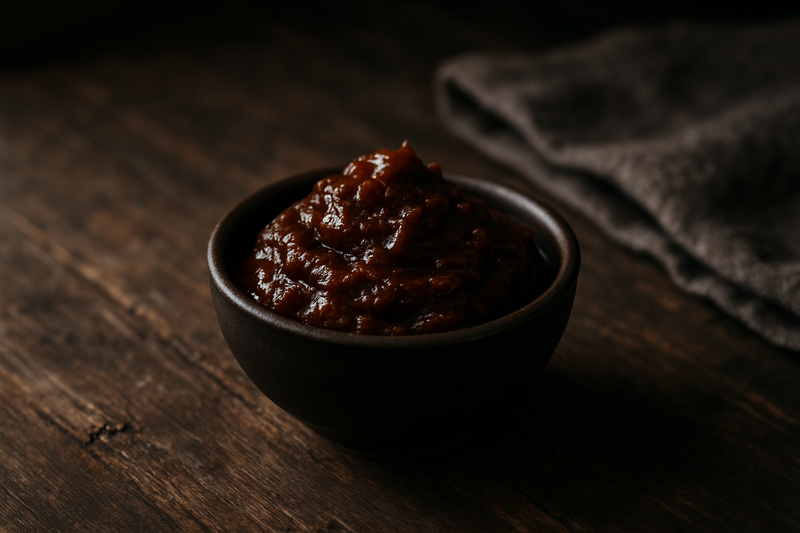
Doubanjiang (Fermented Chili Bean Paste) · Photograph
Explore doubanjiang health benefits and nutrition facts for this bold Sichuan fermented chili bean paste. Learn about its probiotic potential, sodium content, gut health effects, and how to use it safely in whole food plant-based cooking.
Key Nutrients
% Daily Value based on 2,000 cal diet
Key active compounds
- Capsaicin — The pungent alkaloid in chili peppers that activates TRPV1 receptors (a type of protein channel in nerve cells that detects heat and pain). Associated with thermogenic (heat-generating), anti-inflammatory, and analgesic (pain-reducing) effects in human and cell studies.
- Carotenoids (including beta-carotene) — Red-orange pigment compounds from the chili peppers. Act as precursors to vitamin A and as antioxidants that help neutralize free radicals (unstable molecules that can damage cells).
- Phenolic compounds and flavonoids — Plant-derived polyphenols (a broad class of antioxidant plant chemicals) that are produced and transformed during fermentation. Show anti-inflammatory and potential cardiometabolic effects in preclinical models.
- Bioactive peptides — Short protein fragments generated when fermentation enzymes break down legume proteins. In studies of related fermented bean pastes, these peptides have shown anti-hypertensive and antithrombotic (clot-reducing) activity, though doubanjiang-specific human data are sparse.
- Organic acids — Lactic acid and other acids generated by fermentation that contribute to the paste's tang and may influence gut pH and microbial environment.
Prep and pairing ideas
Doubanjiang is almost always cooked in oil before other ingredients are added — this step, called "blooming," activates fat-soluble capsaicin and carotenoids, deepens the color from red to a brick-mahogany, and mellows the raw fermented edge into something rich and rounded.
Three practical pairings:
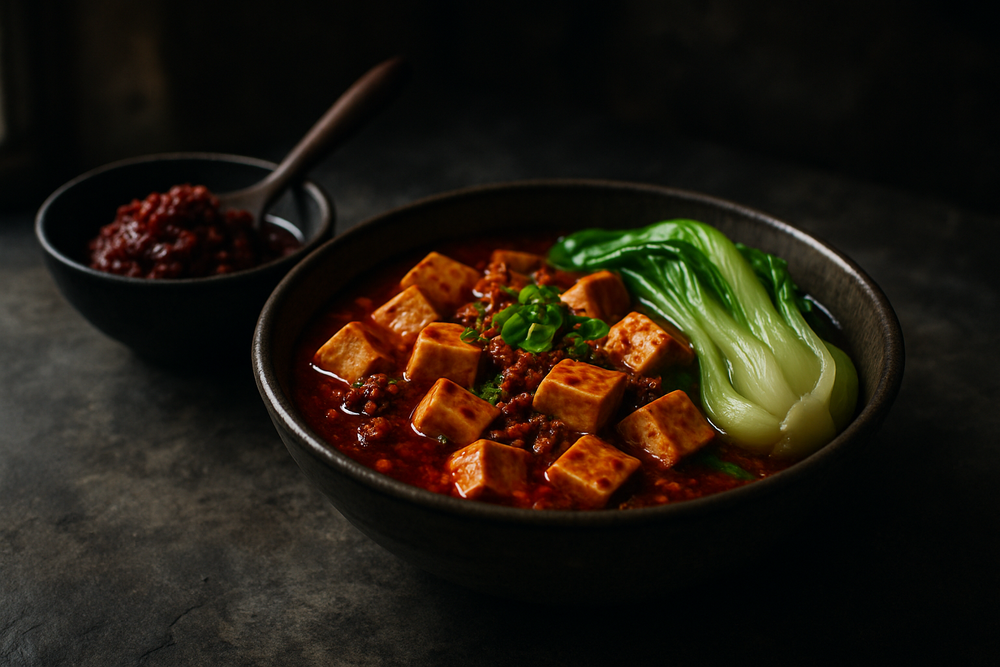
- Doubanjiang + silken tofu (mapo tofu base). The paste's salt and umami reduce the need for added soy sauce, while tofu provides calcium, plant protein, and isoflavones. Together they make a complete plant-based meal in minutes. Use 1–2 teaspoons of paste per serving to keep sodium manageable.
- Doubanjiang + tahini or sesame paste (dan dan noodle sauce). The combination of fermented chili heat and sesame fat creates a sauce that makes whole grain or legume-based noodles far more satisfying. Sesame adds vitamin E, calcium, and healthy unsaturated fats that complement the paste's chili carotenoids (fat-soluble antioxidants absorb better with dietary fat).
- Doubanjiang + braised greens (bok choy, kale, or broccoli rabe). A small amount of paste bloomed in a teaspoon of oil transforms plain steamed greens into a deeply savory side dish. The greens supply folate, vitamin K, and fiber; the paste supplies flavor without requiring additional salt.
Storage tip: Once opened, store doubanjiang in an airtight glass jar in the refrigerator. It keeps for several months. A thin layer of oil on the surface helps prevent oxidation.
Bottom line
Doubanjiang is one of the most complex and ancient fermented condiments in East Asian food culture. Its months-long fermentation of broad beans and red chili peppers produces a paste rich in capsaicin, carotenoids, phenolic compounds, and bioactive peptides that show genuine promise in research on related fermented condiments. The heat, the depth, and the umami it contributes to plant-heavy dishes are real practical benefits for anyone trying to make vegetables and legumes more satisfying.
But doubanjiang is not a health food in the therapeutic sense, and its sodium content is not a footnote — it is the central nutritional fact about this ingredient. Used as Sichuan cooks have always used it — a spoonful to season a dish for the whole family — it fits comfortably within a balanced, whole food plant-based diet. Used without awareness, it can quietly push sodium intake into territory that matters for blood pressure, heart health, and kidney function.
Think of doubanjiang as a powerful culinary tool: a little creates a lot, and the goal is flavor amplification with sodium discipline, not daily supplementation.
Looking to build more gut-friendly, plant-forward meals around bold fermented flavors? Explore the Plantopedia goals hub for curated ingredient and recipe strategies.
How Doubanjiang (Fermented Chili Bean Paste) Compares
| Compared with | What's different |
|---|---|
| Doubanjiang (Fermented Chili Bean Paste) vs. Gochujang | Uses broad beans rather than soybeans and includes a heavy amount of salted red chili peppers. |
| Doubanjiang (Fermented Chili Bean Paste) vs. Miso | Aged significantly longer with chilies, resulting in a savory, spicy funk rather than pure salt. |
| Doubanjiang (Fermented Chili Bean Paste) vs. Sriracha | Contains fermented beans and skin-on chilies, whereas Sriracha is a smooth, vinegar-based sauce. |
Health Benefits
Things to Know
Sodium is the primary concern.: One tablespoon delivers up to 1,000 mg or more of sodium — nearly half of many people's daily target. Account for it in the rest of your meals.
Hypertension and heart disease.: If you are on a sodium-restricted diet for high blood pressure, heart failure, or stroke prevention, use doubanjiang only occasionally and in very small amounts. High sodium can blunt the effectiveness of antihypertensive medications including ACE inhibitors, ARBs, and diuretics.
Kidney disease.: Reduced kidney function limits the body's ability to excrete sodium. High-sodium condiments can worsen fluid retention and blood pressure in this group.
Lithium interactions.: Changes in dietary sodium can alter how the kidneys handle lithium, potentially raising lithium levels to a toxic range. If you take lithium, keep your sodium intake consistent and discuss any dietary changes with your prescriber.
GI sensitivity.: If you experience GERD (acid reflux), gastritis, peptic ulcers, or irritable bowel syndrome, spicy chili components can worsen symptoms. Start with a very small amount or avoid entirely during flare-ups. NSAIDs (anti-inflammatory pain medications) combined with spicy foods can increase gastric irritation.
G6PD deficiency.: Doubanjiang is made from broad beans (fava beans). People with G6PD deficiency (a genetic enzyme deficiency that can cause red blood cell breakdown in response to fava beans) should exercise caution, even with small culinary amounts.
Pregnancy.: Heartburn is common in pregnancy, and high-sodium foods can contribute to fluid retention. Use sparingly if at all during pregnancy, and consult your midwife or physician.
Children.: Young children are more sensitive to both sodium and capsaicin-level spice. Keep portions very small.
Prep Ideas
- — **Doubanjiang + silken tofu (mapo tofu base).** The paste's salt and umami reduce the need for added soy sauce, while tofu provides calcium, plant protein, and isoflavones. Together they make a complete plant-based meal in minutes. Use 1–2 teaspoons of paste per serving to keep sodium manageable.
- — **Doubanjiang + tahini or sesame paste (dan dan noodle sauce).** The combination of fermented chili heat and sesame fat creates a sauce that makes whole grain or legume-based noodles far more satisfying. Sesame adds vitamin E, calcium, and healthy unsaturated fats that complement the paste's chili carotenoids (fat-soluble antioxidants absorb better with dietary fat).
- — **Doubanjiang + braised greens (bok choy, kale, or broccoli rabe).** A small amount of paste bloomed in a teaspoon of oil transforms plain steamed greens into a deeply savory side dish. The greens supply folate, vitamin K, and fiber; the paste supplies flavor without requiring additional salt.
Glossary
Shop This Ingredient
Stock your pantry with quality doubanjiang (fermented chili bean paste).
Buy on AmazonAs an Amazon Associate, Plantopedia earns from qualifying purchases. This costs you nothing extra and helps us keep the encyclopedia free.
Frequently Asked Questions
No large clinical trials have studied doubanjiang in isolation. The evidence base is built from three interconnected bodies of research: studies of other fermented bean pastes (such as Korean doenjang and Japanese miso), studies of chili pepper compounds (especially capsaicin), and reviews of traditional fermented condiments as a category. That context matters — the findings are relevant and plausible, but not proven specifically for doubanjiang. Heart and circulation The fermentation of broad beans produces bioactive peptides that, in studies of related products, have shown ACE-inhibiting properties (ACE inhibition is a mechanism used by some blood pressure medications to relax blood vessels). Capsaicin from the chili component has shown vasodilatory (blood-vessel-relaxing) and lipid-modulating effects in some small human and mechanistic studies. However, all of this must be weighed against the sodium. Sodium is one of the most well-established drivers of elevated blood pressure (hypertension), and a single tablespoon of doubanjiang can deliver roughly 43% of the 2,300 mg daily limit recommended by most public health authorities. At culinary doses — a teaspoon here, a tablespoon split across a dish for four people — the net cardiovascular impact depends far more on your overall dietary sodium pattern than on this one ingredient. Evidence here is emerging and indirect; no benefit is guaranteed. Digestive health and microbiome Doubanjiang undergoes genuine fermentation, meaning microbial communities of molds, yeasts, and bacteria shape the final product. Traditional unpasteurized Pixian doubanjiang — particularly long-aged artisan varieties — may contain some live microorganisms. That said, most commercially bottled doubanjiang is heat-treated for safety and shelf life, which significantly reduces or eliminates live probiotic (beneficial live bacteria) content. Capsaicin can modulate gut motility (the movement of food through the digestive tract) and has shown some anti-inflammatory effects in the gut lining in lower-dose studies. At the same time, spicy food is a known trigger for reflux, gastritis, and irritable bowel symptoms in people who are sensitive. The honest summary: doubanjiang's gut-health benefits are largely indirect — it makes high-fiber plant dishes more appealing, which supports fiber intake, which supports the microbiome. It is not a reliable probiotic supplement. Blood sugar and metabolism Reviews of fermented condiments as a category report anti-obesity and antidiabetic effects from their bioactive compounds, observed in animal models and a limited number of human and clinical studies. Capsaicin in particular has been associated with modest increases in energy expenditure (the number of calories your body burns at rest) and improvements in glucose and lipid (fat) metabolism in some small human trials of chili-containing diets. These effects are plausible at culinary doses but modest, and doubanjiang-specific evidence does not exist. For anyone managing blood sugar, the surrounding recipe — the oil, the carbohydrate content of the dish — will have more impact than the paste itself. Inflammation and recovery Fermented bean pastes have been studied for anti-inflammatory properties in preclinical (laboratory and animal) models. Phenolic compounds and flavonoids in the paste are transformed by fermentation into forms that may be more bioavailable (easier for the body to absorb and use). Carotenoids from the chili contribute antioxidant activity. These are real chemical properties, but the human clinical data specifically for doubanjiang are currently absent. At the amounts used in cooking, doubanjiang can be thought of as a flavorful source of some antioxidants — not a therapeutic anti-inflammatory agent.
Traditional Pixian doubanjiang vs. commercial brands Traditional Pixian doubanjiang (named after Pixian County in Sichuan province) is aged in open earthenware crocks exposed to sun and air, sometimes for one to three years. The long fermentation produces a richer range of bioactive compounds and a deeper, more complex flavor profile. If unpasteurized, it may contain a broader community of live microbes, though this is not standardized or guaranteed. Commercial pasteurized doubanjiang is the most widely available option outside of China. Heat treatment extends shelf life and improves food safety, but it largely eliminates live probiotic organisms. The flavor is still excellent for cooking, and the antioxidant and peptide content from fermentation remains largely intact, since most of these compounds are heat-stable. Reduced-sodium blends and doubanjiang-style sauces exist and may lower sodium per serving, but often differ substantially in flavor intensity. Read labels carefully — some add sugar, MSG, or preservatives. Homemade fermented broad bean paste allows control over salt levels and ingredient quality, but requires careful attention to food safety and sanitation. The nutrient and microbial profile will vary widely. For most health-conscious cooks, a good-quality traditional or artisan Pixian doubanjiang used in small amounts is the best balance of flavor, bioactive potential, and authenticity.
No standardized therapeutic dose exists for doubanjiang because it is a culinary seasoning, not a supplement. The practical guidance comes from sodium targets rather than any specific benefit threshold. General healthy adults: 1–2 teaspoons (5–10 g) per recipe, divided across servings, keeps most people within a reasonable sodium addition — roughly 250–500 mg of sodium per individual portion at the lower end. Sodium-aware individuals: If you are watching sodium for any reason, treat 1 teaspoon of doubanjiang as your seasoning "budget" for a dish and use minimal or no added salt elsewhere. Everyday use: Possible for healthy adults if the rest of the diet is genuinely low in sodium (minimal processed foods, no extra added salt). But it is not easy to eat doubanjiang daily and stay under 2,300 mg sodium without very deliberate planning. Start low: If you are new to fermented chili pastes or have a sensitive stomach, start with half a teaspoon in a full dish and increase gradually as tolerance allows. The practical answer: doubanjiang works best as a flavor-first seasoning that you use mindfully, not a daily supplement you consume for health effects. A little goes a very long way.
Quick Answers
Common questions, answered in a line.
Doubanjiang contains capsaicin, carotenoids, and phenolic compounds that provide anti-inflammatory and antioxidant effects. These bioactive components, transformed during the fermentation process, help neutralize free radicals and may support cardiometabolic health.
One tablespoon of doubanjiang can contain 1,000 mg of sodium or more, which is nearly half of the recommended daily intake for many people. Because of this high concentration, it should be used sparingly to avoid negatively impacting blood pressure and heart health.
People with G6PD deficiency should exercise caution or avoid doubanjiang because it is traditionally made from broad beans (fava beans). This genetic enzyme deficiency can lead to the breakdown of red blood cells when fava beans are consumed.
To activate its health-promoting compounds, doubanjiang should be "bloomed" by cooking it briefly in oil before adding other ingredients. This process releases fat-soluble capsaicin and carotenoids while mellowing the raw fermented flavor of the paste.
People with GERD, gastritis, peptic ulcers, or IBS may find that the spicy chili components in doubanjiang worsen their symptoms. Additionally, those taking NSAIDs should be careful, as the combination can increase gastric irritation.
High-sodium condiments like doubanjiang can alter how the kidneys process lithium, potentially leading to toxic levels in the blood. If you are prescribed lithium, it is important to keep your sodium intake consistent and consult your doctor before making dietary changes.
For Readers in the USA
Local context — sourcing, seasonality, and regional notes.
You can buy doubanjiang at major US retailers like Whole Foods, H Mart, and 99 Ranch Market, or through online platforms like Amazon and Yamibuy. While specialty Asian grocers offer the widest variety of aged pastes, many standard supermarkets now carry "Chili Bean Sauce" in their international aisles.
The FDA requires doubanjiang to list all ingredients on the label, which is vital for US consumers to identify added preservatives or MSG. When shopping, look for the "Pixian" (Sichuan) designation to ensure you are getting the authentic fermented variety rather than a quick-processed substitute.
For US-based cooks, Lee Kum Kee is the most widely available brand, though many enthusiasts prefer the "Juan Cheng Pai" brand for authentic Pixian doubanjiang. While Lee Kum Kee is convenient for general stir-frying, Juan Cheng Pai is favored by those seeking traditional long-aged fermentation profiles.
Yes, doubanjiang is the fundamental seasoning for Mapo Tofu and Twice-Cooked Pork, two of the most popular Sichuan-style dishes found in American Chinese restaurants. In the US, it is often referred to simply as "Chili Bean Paste" or "Sichuan Bean Paste" on menus and in recipes.
AI Clinical Review
- Centers sodium as the main clinical consideration and gives realistic numbers (~800–1,200 mg per tablespoon) with practical portion guidance, which aligns with U.S. sodium targets.
- Accurately characterizes the evidence base: most health-related findings are extrapolated from fermented bean pastes (miso/doenjang) and chili studies; doubanjiang-specific human trials are lacking.
- Appropriately sets expectations around probiotics: traditional, unpasteurized products may contain some live microbes, whereas most commercial, pasteurized versions likely do not.
- Offers sensible, food-first strategies (small amounts to season, pair with high-fiber, low-sodium foods) that make it easier to fit doubanjiang into a heart‑healthy, plant‑forward diet.
- ACE‑inhibitory peptides, polyphenols, and other fermentation products are promising in lab/animal work, but bioavailability and clinical relevance at typical culinary doses remain uncertain.
- Capsaicin’s thermogenic and metabolic effects are modest and variable in small human studies; translating those findings to the smaller amounts used in cooking is not well established.
- Antioxidant content (carotenoids/phenolics) is plausible, but data linking doubanjiang itself to improved clinical outcomes (e.g., blood pressure, glycemia) are not yet available.
- Dose and sodium budgeting: for most adults, keeping to about ½–1 teaspoon per serving helps stay within daily sodium limits (2,300 mg for the general population; many clinicians advise ≤1,500 mg for hypertension).
- Who should be cautious: people with hypertension or cardiovascular/kidney disease; those with reflux/IBS or peptic symptoms (spice can aggravate); individuals on lithium (sodium consistency matters); and anyone with G6PD deficiency given the fava bean base.
- Form matters: unpasteurized, traditionally aged Pixian pastes may have variable live microbes; commercial pasteurized products are safer and more consistent but not probiotic. “Reduced‑sodium” versions can add sugar or other ingredients—check labels.
- Allergens and storage: doubanjiang is legume‑based (consider legume allergies; some brands include wheat—gluten check). Refrigerate after opening and use clean utensils to limit contamination.
Very high sodium and spicy; use as a seasoning in small amounts.
References
- USDA FoodData Central — doubanjiang and broad bean paste nutrient data (fdc.nal.usda.gov)
- Whole Food Catalog: Doubanjiang nutrient values (wholefoodcatalog.info)
- Sichuan Pixian Doubanjiang nutrition facts — Recipal ingredient database (recipal.com)
- SnapCalorie: Doubanjiang nutrition breakdown (snapcalorie.com)
- Review: Bioactive Ingredients in Traditional Fermented Food Condiments — obesity and type 2 diabetes (Wiley Online Library, 2023) (onlinelibrary.wiley.com)
- Review: Bioactive compounds and health benefits of fermented soybean paste (doenjang) (d-nb.info)
- Nature Scientific Reports: Fermented chili paste microbiology and biochemistry (nature.com)
- El Camino Health — Chinese Health Initiative: Sodium content of Chinese sauces (elcaminohealth.org)
- Cymbiotika blog: Is gochujang good for gut health? (context on fermented chili pastes and probiotics) (cymbiotika.com)
- NutriScan: Gochujang calories, nutrition and health benefits (comparative fermented chili paste data) (nutriscan.app)
Know Your Numbers
Eating healthy is a start. Now get to know your biomarkers.
Food changes bloodwork — inflammation, lipids, blood sugar and nutrient status all respond to what you eat. 59 markers from $59.
- Results in 7–10 days at 2,000+ Quest sites
- Licensed provider reviews every result
- One flat price, no membership, HSA/FSA eligible
Educational information only, not medical advice. Panels are ordered and reviewed through our licensed partner; Plantopedia may earn a commission.