Water Kefir Grains (Tibicos) — health benefits and uses
A traditional living culture passed hand to hand for a dairy-free probiotic drink.
The Short Answer
Water kefir grains, or tibicos, are symbiotic cultures of bacteria and yeast used to create a fizzy, probiotic drink. They ferment sugar water into a low-calorie beverage containing lactic acid bacteria and organic acids that support gut health.
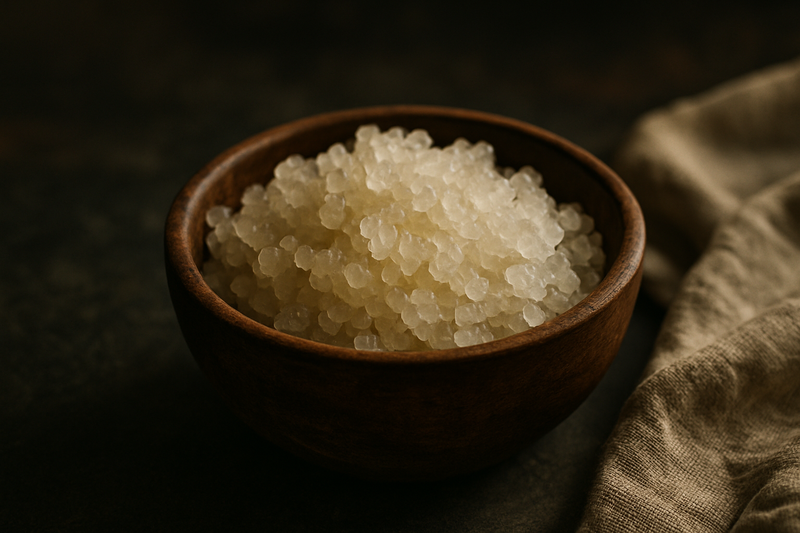
Water Kefir Grains (Tibicos) · Photograph
Discover water kefir grains (tibicos) benefits, uses, and safety in this evidence-aligned guide. Learn how to brew a low-sugar probiotic drink at home, who benefits most, and what precautions to keep in mind.
Key Nutrients
% Daily Value based on 2,000 cal diet
Key active compounds in water kefir
The health-relevant substances in a finished water kefir beverage come from the microbes doing the fermenting, not from the sugar water itself.
- Lactic acid bacteria (LAB) — Including Lactobacillus, Leuconostoc, and Pediococcus species; produce lactic acid, keep the environment acidic and less hospitable to harmful microbes, and are the main drivers of gut-health research interest.
- Yeasts — Including Saccharomyces and Lachancea species; produce small amounts of carbon dioxide (the fizz) and ethanol (trace levels, typically below 1% ABV in 24-hour ferments), and contribute to the overall microbial diversity.
- Lactic acid — An organic acid that acidifies the drink, may inhibit pathogens, and supports digestive function.
- Acetic acid — A short-chain organic acid also found in vinegar; contributes antimicrobial properties and flavor.
- Short-chain fatty acids (SCFAs: acetate, propionate, butyrate) — Fermentation by-products that, when produced in the gut following probiotic consumption, support colon-cell health and immune regulation. SCFAs are molecules made when gut bacteria break down fiber and fermentation residues.
- Exopolysaccharides (EPS) — Complex sugars secreted by kefir microbes that form the grain matrix; may act as a prebiotic (food for beneficial gut bacteria) and have shown cholesterol-lowering effects in cell and animal models.
- B-group vitamins (variable) — Fermentation may produce modest amounts of B1, B6, and potentially B12, though content varies widely with recipe and fermentation time.
Prep and pairing ideas
Basic first ferment (48-hour, lower sugar method) Use 4 tablespoons of tibicos grains per 1 liter of filtered or mineral water (the minerals feed the grains), 3–4 tablespoons of white cane sugar, a quarter of a lemon (organic if possible), and 2–3 dried figs or apricots unsulfured. Ferment covered with a cloth at room temperature for 24–48 hours. Longer = less sweet, more tart.
Three practical pairings:
- Water kefir + ginger + lime (second ferment): Ginger provides gingerols (anti-inflammatory compounds) and enhances digestive comfort; lime adds vitamin C and flavor. Bottle for 12–24 hours for natural fizz — an excellent soda substitute.
- Water kefir + hibiscus flowers: Hibiscus is rich in anthocyanins (plant pigments with antioxidant properties); the pairing creates a vibrant red, mildly tart drink with complementary antioxidant potential.
- Water kefir + berry juice (second ferment): Mixed berry juice adds polyphenols, natural sweetness, and color. The second ferment converts additional sugar, so the final drink is less sweet than straight juice — useful for people watching sugar intake.
Bottom line
Water kefir grains (tibicos) are a genuinely interesting living-culture food — one of the most accessible ways to brew a non-dairy, low-sugar probiotic beverage at home. The science is promising but still early: the most meaningful human data come from a handful of small trials showing shifts in gut microbiota composition, improved insulin sensitivity, and reduced inflammation markers. Most broader benefit claims are extrapolated from milk kefir and general probiotic research.
For healthy adults who want a plant-based, fermented alternative to dairy kefir or who are looking for a functional replacement for sugary fizzy drinks, water kefir is a reasonable, low-cost option worth trying — introduced gradually and with appropriate attention to hygiene. For anyone with a significant health condition, the conversation should start with a healthcare provider.
If you want to explore how fermented and functional foods fit your broader health picture, browse our ingredient and goal guides at Plantopedia.
→ Explore gut-health and digestion goals on Plantopedia: /goals
How Water Kefir Grains (Tibicos) Compares
| Compared with | What's different |
|---|---|
| Water Kefir Grains (Tibicos) vs. Kombucha | Uses a SCOBY (bacteria/yeast mat) to ferment tea, whereas tibicos are grains that ferment sugar water. |
| Water Kefir Grains (Tibicos) vs. Milk Kefir | A dairy-based ferment using distinct grains that thrive on lactose rather than sugar water. |
Health Benefits
Things to Know
Start low, go slow.: Begin with 60–120 ml per day and increase over one to two weeks. Jumping straight to large servings can cause temporary bloating, gas, or loose stools as your gut microbiome adjusts.
Dental enamel caution.: The combination of acidity and residual sugars can promote enamel erosion if water kefir is sipped slowly throughout the day. Drink it with a meal or in one sitting and rinse your mouth with plain water afterward.
Immunocompromised individuals.: People undergoing chemotherapy, living with HIV, or taking immunosuppressive drugs after organ transplantation should consult a doctor before using any live-culture homemade ferment, as there is a small theoretical risk of opportunistic infection from live microbes.
Diabetes and blood sugar medications.: Residual sugars can influence blood glucose. If you take insulin or oral hypoglycemics (medications that lower blood sugar), monitor your levels and discuss with your healthcare provider.
Pregnancy and breastfeeding.: Robust safety data are lacking for this population, and homemade ferments can vary in microbial content and trace alcohol. Seek medical guidance before making water kefir a regular habit during pregnancy.
Infants and young children.: Unpasteurized fermented drinks with variable alcohol and acid content are generally not recommended without medical advice for children under two.
Histamine intolerance.: Fermented foods are naturally higher in biogenic amines — compounds that can trigger headaches, flushing, or digestive symptoms in histamine-sensitive individuals.
Antibiotics or antifungals.: These medications can kill or displace kefir microbes, reducing the expected probiotic effect. Take water kefir at least two hours away from antibiotic doses, and consider whether the timing of your course affects your routine.
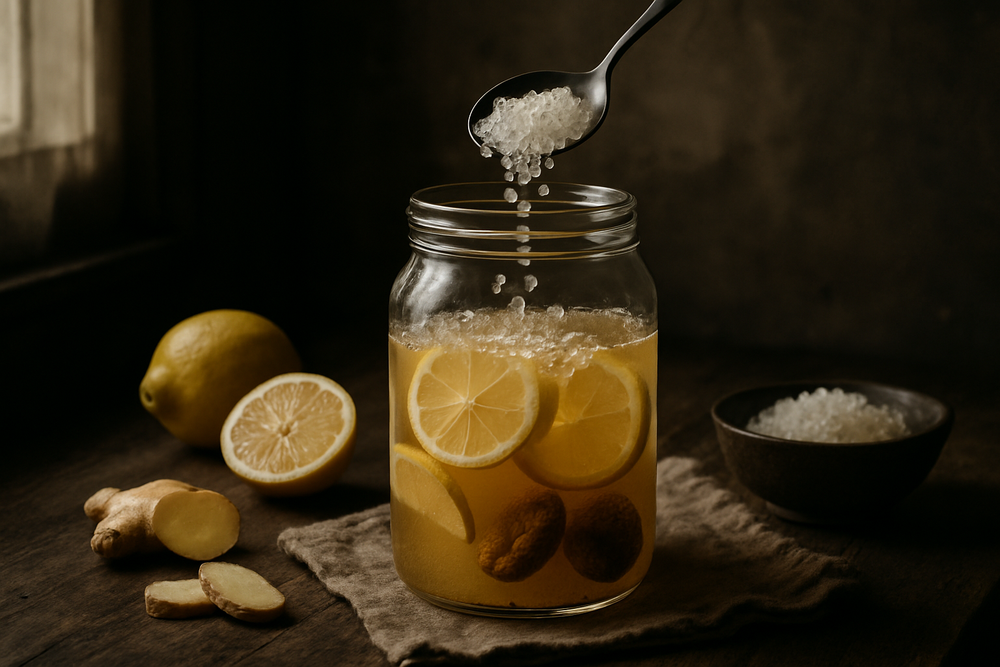
Prep Ideas
- — **Water kefir + ginger + lime (second ferment):** Ginger provides gingerols (anti-inflammatory compounds) and enhances digestive comfort; lime adds vitamin C and flavor. Bottle for 12–24 hours for natural fizz — an excellent soda substitute.
- — **Water kefir + hibiscus flowers:** Hibiscus is rich in anthocyanins (plant pigments with antioxidant properties); the pairing creates a vibrant red, mildly tart drink with complementary antioxidant potential.
- — **Water kefir + berry juice (second ferment):** Mixed berry juice adds polyphenols, natural sweetness, and color. The second ferment converts additional sugar, so the final drink is less sweet than straight juice — useful for people watching sugar intake.
Shop This Ingredient
Stock your pantry with quality water kefir grains (tibicos).
Buy on AmazonAs an Amazon Associate, Plantopedia earns from qualifying purchases. This costs you nothing extra and helps us keep the encyclopedia free.
Frequently Asked Questions
This is where the science is most promising — and also still the most incomplete. Here is what the current evidence does and does not show. Digestive health and microbiome A small human pilot study (Bordbar, 2024) found that drinking around 250 ml of water kefir daily for four weeks increased the proportion of Lactobacillus and Bifidobacterium — two bacterial groups broadly associated with good gut health — and shifted the balance between two major bacterial families (Bacteroides/Firmicutes ratio) in a favorable direction. A 2025 review of both milk and water kefir confirmed that water kefir, with its diverse live-culture content, may help support gastrointestinal balance, while noting that most detailed human data still come from milk kefir trials. In laboratory and animal studies, kefir microbes produce SCFAs and organic acids that appear to strengthen the intestinal barrier (the lining that keeps bacteria inside the gut rather than leaking into the bloodstream) and reduce populations of harmful bacteria. These effects have not yet been fully confirmed in large human trials specific to water kefir. Many people report fewer digestive complaints — less bloating, more regular bowel movements — after introducing water kefir, but these reports are experiential rather than from controlled studies. Blood sugar and metabolism A randomized controlled trial (Bagheri, 2020) in people with metabolic syndrome — a cluster of conditions including high blood sugar, excess abdominal fat, and abnormal cholesterol — found that regular water kefir consumption improved insulin sensitivity (how well the body responds to insulin) and reduced C-reactive protein (CRP), a blood marker of systemic inflammation. This is encouraging preliminary evidence. However, the trial was relatively small and more replication is needed before strong recommendations can be made. It is also worth noting that residual sugar in the final beverage still contributes carbohydrates to the diet, so portion size matters particularly for people monitoring blood glucose. Heart and circulation The same metabolic syndrome trial showed improvements in CRP and insulin sensitivity, both factors linked to cardiovascular risk. Reviews of kefir beverages suggest the drink may also assist with cholesterol modulation and oxidative stress, but the majority of this data comes from milk kefir or animal studies. Water-kefir-specific cardiovascular evidence is still in early stages; these benefits should be regarded as hypothesis-generating rather than established. Inflammation and recovery The reduction in CRP seen in the metabolic syndrome RCT provides some of the clearest human-level evidence that water kefir may help dampen low-grade systemic inflammation — the kind associated with modern chronic diseases rather than an acute injury. Probiotic strains and their metabolites are thought to interact with immune cells lining the gut and signal anti-inflammatory pathways, but much of this mechanistic understanding comes from milk kefir and cell culture work rather than tibicos-specific trials.
The dairy-free probiotic seeker Wants live-culture foods but cannot or chooses not to consume dairy. Finds commercial vegan probiotic supplements expensive or less food-like. Benefits from a customizable, low-cost home-brewed alternative. The metabolic health focused adult Managing blood sugar, insulin sensitivity, or early metabolic syndrome. Looking to add a low-sugar, functional beverage without reaching for sweetened drinks. Appreciates the emerging (if still preliminary) RCT-level evidence from the metabolic syndrome trial.
Homemade water kefir (from tibicos grains) This is the most cost-effective option and the form most closely studied. You control the sugar level, fermentation time, and additions (fruit, ginger, lemon). Longer fermentation (closer to 48 hours) means more sugar is consumed by the microbes, resulting in a less sweet, more acidic beverage. The trade-off is that microbial counts and species composition vary batch to batch. Commercial bottled water kefir Convenient and consistent, but read labels carefully. Some commercial versions add back sugar after fermentation for taste, which can undo some of the low-sugar advantage. Live-culture counts and species diversity may also differ significantly from homemade versions. Look for "live and active cultures" on the label, a short ingredient list, and refrigerated storage. Secondary-fermented (flavored) water kefir After straining your first ferment, you can bottle the liquid with fruit juice, berries, or ginger and leave it at room temperature for another 12 to 24 hours. This builds carbonation and adds flavor. Be aware it can also increase alcohol slightly and raise pressure inside sealed bottles; always "burp" bottles daily to avoid over-pressurization. The grains themselves Tibicos grains are not a food to eat in significant quantity. They are a living culture tool. Eat a few accidentally with no concern — but the goal is to use them repeatedly, not consume them directly.
Based on the small human trials available, 120–250 ml once or twice a day appears to be the practical range used in research and traditional daily use. There is no established official upper limit, and individual tolerance varies considerably. Practical guidance: Week 1: Start with 60–120 ml once daily, ideally with a meal. Weeks 2–4: Gradually increase to 200–250 ml per sitting if tolerated. Ongoing: 200–500 ml daily split across one or two servings is a common maintenance amount reported anecdotally, though this exceeds what any trial has formally validated. If symptoms occur (persistent bloating, loose stools, or discomfort beyond the first few days), reduce your portion and increase more slowly. The residual sugar content means large volumes several times a day could add up in terms of carbohydrates and dental acid exposure, so more is not necessarily better.
Quick Answers
Common questions, answered in a line.
Water kefir is a non-dairy probiotic drink made by fermenting sugar water with tibicos grains, resulting in a low-sugar, fizzy beverage. It is an accessible plant-based alternative to dairy kefir that supports gut health through lactic acid bacteria and yeasts.
Water kefir grains contain lactic acid bacteria, yeasts, organic acids like acetic and lactic acid, and short-chain fatty acids (SCFAs). These microbes and compounds work together to inhibit pathogens, support digestive function, and provide potential antioxidant and anti-inflammatory benefits.
To make water kefir, ferment 4 tablespoons of tibicos grains in 1 liter of mineral water with 3–4 tablespoons of sugar, a lemon quarter, and dried fruit for 24–48 hours. Using mineral water is essential because the minerals help feed the grains during the fermentation process.
Yes, water kefir is a low-sugar drink because the fermentation process consumes most of the added sugar, especially if fermented for a longer duration. A second ferment with ingredients like berry juice further reduces sugar content compared to standard fruit juices.
Water kefir may cause temporary bloating, gas, or loose stools if introduced too quickly, and its acidity could lead to dental enamel erosion if sipped all day. Additionally, individuals who are immunocompromised or have histamine intolerance should exercise caution or consult a doctor.
People with diabetes should monitor their blood glucose levels when drinking water kefir, as residual sugars can influence blood sugar. Because it may interact with insulin or oral hypoglycemics, it is important to discuss its use with a healthcare provider.
Water kefir is generally not recommended for infants and children under two without medical advice due to variable acid and trace alcohol content. The trace alcohol levels are typically below 1% ABV in standard 24-hour ferments, but this can vary in homemade batches.
For Readers in the USA
Local context — sourcing, seasonality, and regional notes.
You can buy live or dehydrated water kefir grains at U.S. health food stores like Whole Foods Market, specialized fermentation shops, or through online retailers like Cultures for Health. While the grains themselves are rarely in standard supermarkets, pre-made bottled water kefir is widely available in the refrigerated functional beverage aisle.
In the U.S., bottled water kefir is regulated by the FDA as a food product, and those labeled 'Organic' must adhere to USDA National Organic Program standards. Because it is a fermented product, commercial brands must ensure alcohol content remains below 0.5% ABV to be sold as a non-alcoholic beverage.
Water kefir grains thrive in the average American home temperature of 68°F to 75°F, making them a year-round ferment in most regions. During summer months in warmer climates like the South or Southwest, fermentation happens significantly faster, often requiring a shorter 24-hour cycle to prevent the grains from becoming mushy.
While often called Tibicos or Water Kefir Grains in the U.S., you may also find them referred to as 'California Bees' or 'African Bees' in older American cookbooks and regional homesteading circles. Despite the 'bee' nickname, they are entirely plant-based and contain no actual insects or honey.
AI Clinical Review
- Clearly distinguishes water kefir (tibicos) from milk kefir and explains that the grains are a reusable culture rather than something you eat in quantity.
- Accurately notes that fermentation time affects residual sugar, acidity, and a small amount of alcohol, and that microbial content varies by batch and brand.
- Summarizes early human findings appropriately: small trials suggest shifts in gut bacteria, improved insulin sensitivity, and lower CRP (an inflammation marker), while acknowledging the evidence base is still modest.
- Offers practical, consumer-friendly guidance on starting doses (about 60–120 ml, building to ~200–250 ml) and flags sensible dental and food-safety precautions.
- Most detailed clinical data come from milk kefir or small, short water‑kefir studies; effects on glucose control, cholesterol, and systemic inflammation need larger, longer trials for confirmation.
- Proposed mechanisms (e.g., SCFAs—short‑chain fatty acids—and EPS—exopolysaccharides) are supported mainly by lab and animal work; actual amounts in finished drinks vary and are not standardized.
- Nutrient contributions (including B vitamins, especially B12) are inconsistent across recipes and brands; there’s no reliable database entry or labeling standard for live culture counts.
- Start low and increase gradually to limit gas, bloating, or loose stools; many people do well with 120–250 ml once or twice daily, ideally with meals.
- Residual sugars and acidity matter: consider glucose monitoring if you use diabetes medications, and protect dental enamel by avoiding all‑day sipping and rinsing with water afterward.
- Trace alcohol can form (typically low but variable), and homemade ferments carry small contamination risks—those who are pregnant, immunocompromised, or serving young children should check with a clinician first.
- Antibiotics/antifungals may blunt probiotic effects (separate by a couple of hours), and immunosuppressive therapy warrants individualized advice. Commercial products can add sugar—read labels and keep refrigerated; for home brews, “burp” bottles to avoid over‑pressurization during second ferments.
Not eaten directly in quantity; used to culture beverages.
References
- USDA FoodData Central — nutrition database for foods and beverages (fdc.nal.usda.gov)
- PMC 2025 review of milk and water kefir — covers microbiota, metabolic, and immune evidence (pmc.ncbi.nlm.nih.gov)
- MicroBiome Bank evidence summary for water kefir (tibicos) — includes Bagheri 2020 RCT data (microbiomebank.com)
- Acta Scientific Nutritional Health — peer-reviewed review of kefir probiotic properties (actascientific.com)
- BioRxiv 2025 preprint discussing gaps in human tibicos trial evidence (biorxiv.org)
- Healthline — overview of water kefir benefits, uses, and recipe guidance (healthline.com)
- Emedihealth — water kefir nutritional value and precautions (emedihealth.com)
- Vitalibrary — tibicos dosage, uses, and side effects guide (vitalibrary.com)
- ScienceDirect — comparison of milk kefir and water kefir composition and effects (sciencedirect.com)
- NIH National Center for Complementary and Integrative Health — general guidance on probiotics and safety (nccih.nih.gov)
Know Your Numbers
Eating healthy is a start. Now get to know your biomarkers.
Food changes bloodwork — inflammation, lipids, blood sugar and nutrient status all respond to what you eat. 59 markers from $59.
- Results in 7–10 days at 2,000+ Quest sites
- Licensed provider reviews every result
- One flat price, no membership, HSA/FSA eligible
Educational information only, not medical advice. Panels are ordered and reviewed through our licensed partner; Plantopedia may earn a commission.