White Button Mushrooms — health benefits and uses
The most common cultivated mushroom, a mild savory whole food.
The Short Answer
White button mushrooms are a low-calorie source of rare antioxidants like ergothioneine and glutathione, providing 19 mcg of selenium and 21 calories per cup. They support immune health and provide essential B vitamins and minerals when cooked.
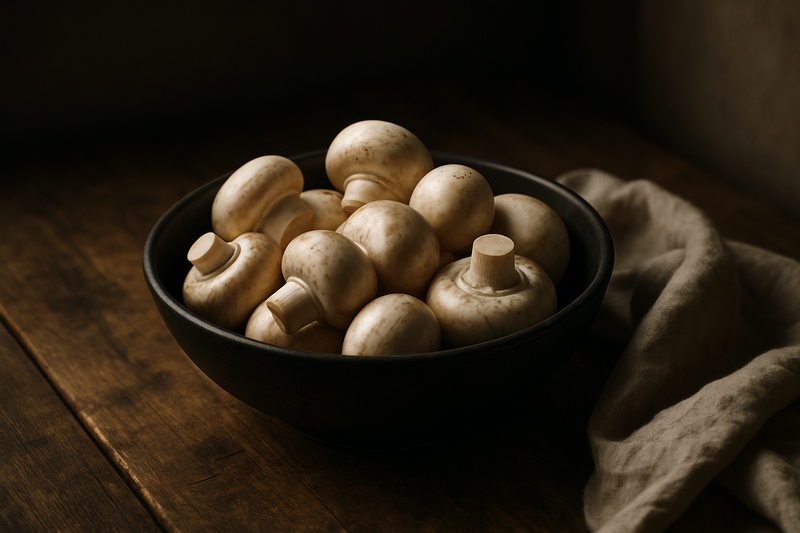
White Button Mushrooms · Photograph
Discover the evidence-backed health benefits of white button mushrooms, from immune support and heart health to blood sugar control and weight management. Learn what the research says, how to cook them safely, and how much to eat each day.
Key Nutrients
% Daily Value based on 2,000 cal diet
Key active compounds in white button mushrooms
- Ergothioneine — A rare sulfur-containing amino acid found almost exclusively in mushrooms. Acts as a cellular antioxidant and may protect tissues from oxidative damage.
- Glutathione — Often called the body's "master antioxidant," this tripeptide (a small protein-like molecule) helps neutralize free radicals and supports the liver's detoxification pathways.
- Ergosterol and fungal sterols — Structural components of the mushroom cell wall that convert to vitamin D2 when exposed to ultraviolet (UV) light, making UV-treated mushrooms a rare plant-based source of vitamin D.
- Beta-glucans and polysaccharides — Complex carbohydrate chains in the mushroom cell wall with emerging evidence for immune-modulating and prebiotic (gut-bacteria-feeding) activity.
- Phenolic compounds — Modest levels of plant-based antioxidants that may work alongside ergothioneine and glutathione to reduce inflammation.
Prep and pairing ideas
White button mushrooms are one of the most kitchen-friendly ingredients in the produce aisle. Here are three evidence-informed pairings that also taste great:
1. Mushrooms + garlic + olive oil A classic sauté combination. Garlic contributes allicin with its own anti-inflammatory and antimicrobial properties, while olive oil helps the fat-soluble antioxidant compounds in mushrooms absorb more efficiently. Cook over medium-high heat until the mushrooms release their moisture and brown slightly — this maximizes flavor and reduces agaritine.
2. Mushrooms + leafy greens + lemon Toss sautéed or raw sliced mushrooms with spinach or arugula and a squeeze of lemon. The vitamin C in lemon juice enhances iron absorption from the greens, and the mushrooms add bulk, B vitamins, and selenium without weighing down the salad.
3. Mushrooms + legumes in soups or stews Combining mushrooms with lentils or chickpeas creates a complete amino acid profile (mushrooms contribute some essential amino acids that legumes are lower in) while layering complementary umami (savory depth). This pairing is also a practical strategy for reducing meat in a recipe without sacrificing satiety.
Quick tips:
- Do not wash mushrooms under running water before storing — wipe with a damp cloth instead. Rinse just before cooking.
- Slice thin for fast sautés; leave whole or halved for roasting at 200–220°C (400–425°F), which concentrates flavor.
- Leftover cooked mushrooms keep well for 3–4 days refrigerated and blend seamlessly into grain bowls, pasta, eggs, or wraps.
Bottom line
White button mushrooms are a genuinely underrated everyday food. They deliver rare antioxidants (ergothioneine, glutathione), key B vitamins and minerals (selenium, copper, riboflavin), and emerging evidence for immune and cardiometabolic support — all for around 21 calories per cup. They are not a cure-all, and the human research base is still maturing, but the risk-to-benefit ratio of eating them regularly, cooked, as part of a varied plant-rich diet is favorable. If you are already reaching for mushrooms as a pizza topping or pasta filler, you are on the right track — this page gives you reasons to make that habit more intentional.
How White Button Mushrooms Compares
| Compared with | What's different |
|---|---|
| White Button Mushrooms vs. Portobello Mushrooms | Harvested at full maturity with a larger, meatier cap and more concentrated savory flavor. |
| White Button Mushrooms vs. Cremini Mushrooms | Same species but harvested earlier; they have a firmer texture and a slightly earthier taste. |
| White Button Mushrooms vs. Shiitake Mushrooms | Contains significantly higher levels of beta-glucans and a distinct woodsy aroma. |
Health Benefits
Things to Know
Cook your mushrooms.: White button mushrooms naturally contain agaritine, a hydrazine-type compound that is carcinogenic in rodents. Cooking, freezing, or even refrigeration substantially lowers agaritine levels. Toxicology reviews conclude that typical dietary exposure poses no known risk to healthy humans, but cooking is still the recommended default.
FODMAP sensitivity.: Mushrooms contain fermentable carbohydrates that can cause bloating or cramping in people with irritable bowel syndrome (IBS) or general FODMAP sensitivity. Start with smaller servings if your gut tends to react.
Kidney disease.: Mushrooms contribute dietary potassium; those on strict potassium-restricted diets should factor this in and discuss amounts with a dietitian or clinician.
Immunocompromised individuals: should ensure mushrooms are thoroughly cooked and properly stored to minimize any risk from microbial contamination.
Medication interactions (theoretical):
Antidiabetic medications: Large increases in mushroom intake may modestly amplify blood-sugar-lowering effects; monitor accordingly.
Immunosuppressants: Beta-glucans have theoretical immunomodulatory effects, though clinically significant interactions at food doses have not been documented.
Anticoagulants: Mushrooms are low in vitamin K; no specific interaction is established, but any major dietary change warrants a conversation with your prescriber.
Pregnancy.: Culinary amounts are generally fine. High-dose extracts or powders have limited safety data during pregnancy and breastfeeding.
Mushroom allergy: is uncommon but real; discontinue if you experience hives, GI upset, or other allergic symptoms.
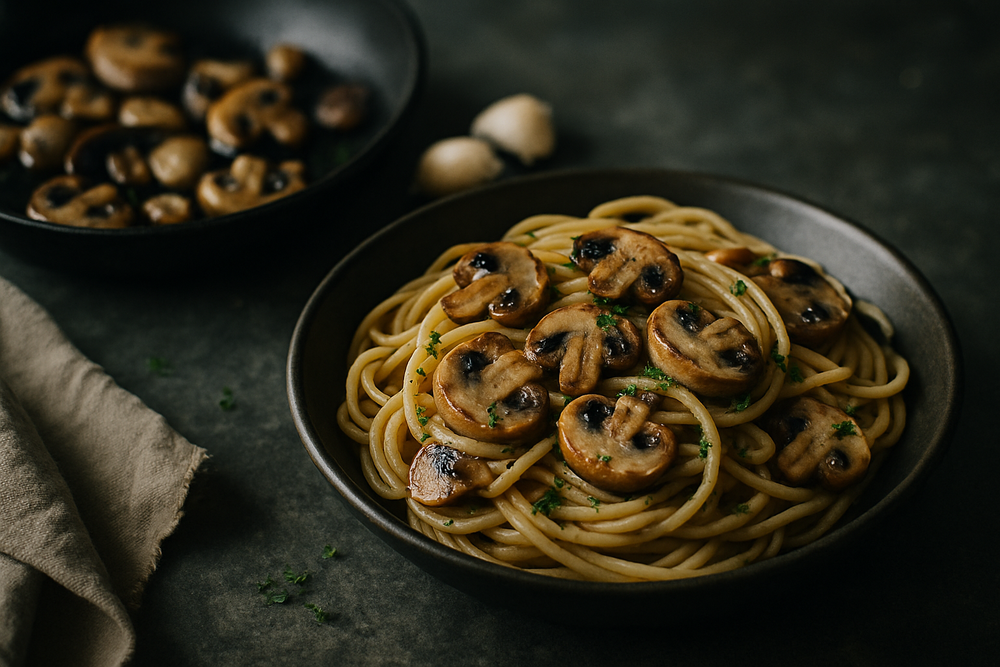
Prep Ideas
- — Do not wash mushrooms under running water before storing — wipe with a damp cloth instead. Rinse just before cooking.
- — Slice thin for fast sautés; leave whole or halved for roasting at 200–220°C (400–425°F), which concentrates flavor.
- — Leftover cooked mushrooms keep well for 3–4 days refrigerated and blend seamlessly into grain bowls, pasta, eggs, or wraps.
Shop This Ingredient
Stock your pantry with quality white button mushrooms.
Buy on AmazonAs an Amazon Associate, Plantopedia earns from qualifying purchases. This costs you nothing extra and helps us keep the encyclopedia free.
Frequently Asked Questions
Heart and circulation White button mushrooms are naturally cholesterol-free, low in sodium, and contain potassium and fiber — a nutrient combination associated with healthy blood pressure and lipid profiles in broader dietary research. A retrospective study (a study that looks back at existing data) in adults with metabolic syndrome found that daily white button mushroom consumption was linked to favorable changes in cardiometabolic risk markers, including improvements in oxidative stress. Human data on hard cardiovascular outcomes like heart attacks are still limited, so these benefits are inferred from risk-marker changes and the mushroom's overall nutrient profile rather than large randomized controlled trials. Digestive health and microbiome Each cup of white button mushrooms contributes modest dietary fiber alongside a very high water content and almost no calories. This combination supports bowel regularity and, in the context of a varied diet, may help feed beneficial gut bacteria (the microbiome). Their beta-glucans show prebiotic potential in lab models, though dedicated clinical trials in humans focusing specifically on white button mushrooms and gut microbiota are still limited. Their low energy density also makes them a useful tool for adding volume to a meal without adding many calories. Blood sugar and metabolism A retrospective study in adults predisposed to type 2 diabetes reported improvements in diabetic risk factors following daily white button mushroom intake, with proposed mechanisms including enhanced insulin sensitivity and reduced systemic inflammation. Evidence quality is currently moderate-to-emerging — the studies are small and observational — so white button mushrooms should be viewed as a supportive food within a broader dietary strategy rather than a blood sugar intervention on their own. Inflammation and recovery The combination of ergothioneine, glutathione, and phenolic compounds gives white button mushrooms one of the more interesting antioxidant profiles among everyday vegetables. Early human studies in people at elevated metabolic risk have observed changes in inflammatory and oxidative stress markers with regular mushroom intake. Most mechanistic insights (the "how it works" details) still come from cell and animal studies, so human evidence at this stage is promising but preliminary. Immune support A small human study highlighted by Tufts University researchers found that eating white button mushrooms was associated with enhanced markers of immune surveillance — the process by which immune cells identify and respond to pathogens. Polysaccharides and antioxidants in mushrooms may modulate both the innate immune system (your first-line defense) and the adaptive immune system (your targeted response). These findings are based on surrogate markers rather than clinical infection outcomes, so white button mushrooms should be considered an immune-supportive food, not an immune therapy.
Fresh whole mushrooms are the most versatile option. Look for firm caps with no sliminess or dark patches, a dry (not wet) surface, and a clean earthy smell. Gills should be tight and pale. Store in a paper bag in the refrigerator for up to 5–7 days; avoid sealed plastic, which traps moisture. Pre-sliced mushrooms are convenient but oxidize faster. Use within 2–3 days of opening. Frozen mushrooms retain most nutrients and are ideal for cooked applications like soups and stews. They tend to release water when thawed, so sauté them from frozen for best texture. UV-exposed (vitamin D–enhanced) mushrooms have been commercially treated with UV light, dramatically increasing their vitamin D2 content. Look for "vitamin D" or "UV-treated" on the label — a 90 g serving of UV-exposed white button mushrooms can provide substantially more vitamin D than standard raw mushrooms. This is a meaningful advantage for plant-based eaters who need non-fortified vitamin D sources. Mushroom powders and extracts from Agaricus bisporus are less common than those from other species, and most of the cardiometabolic and immune evidence applies to whole-food culinary use, not concentrated supplements.
There is no official recommended daily dose, but human studies on immune and metabolic effects have typically used ½ to 1 cup cooked (roughly 70–100 g) as a daily serving incorporated into regular meals. This is a practical, achievable target for most people. Practical guidance: Start with ½ cup (about 3–4 medium mushrooms) a few times per week if you are new to eating mushrooms regularly or have a sensitive gut. Work up to daily use if your digestion tolerates them well; the research studies that found benefits used daily servings. There is no established upper limit for culinary use in healthy adults. Eating more does not appear to cause harm, but extremely large amounts could theoretically contribute to potassium load in vulnerable individuals. For vitamin D: If you are buying UV-exposed mushrooms specifically for vitamin D, check the label — a 90 g serving has been reported to provide significant D2 amounts. This is a useful supplement to, not a replacement for, overall vitamin D strategy (sun exposure, supplements if needed). Always prioritize variety: rotating mushroom types and other vegetables gives you a broader antioxidant and fiber spectrum. If you are managing a specific health condition, get personalized guidance from a registered dietitian rather than relying on general population ranges. Looking to build a broader plant-based eating plan around ingredients like this one? Explore Plantopedia's health goals guides for practical, evidence-aligned strategies.
Quick Answers
Common questions, answered in a line.
White button mushrooms contain ergothioneine and glutathione, two powerful antioxidants that protect cells from oxidative damage and support the liver's detoxification pathways. These are joined by phenolic compounds and beta-glucans which may help reduce inflammation and modulate the immune system.
It is recommended to cook white button mushrooms to substantially lower levels of agaritine, a naturally occurring compound that is sensitive to heat. Cooking also helps break down the mushroom's cell walls, making their nutrients more accessible while reducing potential risks for immunocompromised individuals.
White button mushrooms can be a source of vitamin D2 if they have been exposed to ultraviolet (UV) light. Their cell walls contain ergosterol, a fungal sterol that converts into vitamin D when treated with UV radiation, making them a rare plant-based source of this nutrient.
People with irritable bowel syndrome (IBS) or FODMAP sensitivity should be cautious, as mushrooms contain fermentable carbohydrates that may cause bloating or cramping. Additionally, those on potassium-restricted diets for kidney disease should monitor their intake due to the mushroom's potassium content.
To maintain freshness, do not wash mushrooms under running water before storing them; instead, wipe them with a damp cloth and rinse only right before cooking. Slicing them thin is best for fast sautés, while roasting them at 200–220°C (400–425°F) helps concentrate their savory flavor.
Pairing mushrooms with olive oil helps the body absorb their fat-soluble antioxidant compounds more efficiently. Combining them with garlic adds anti-inflammatory benefits, while serving them with lemon juice enhances iron absorption from accompanying leafy greens.
For Readers in the USA
Local context — sourcing, seasonality, and regional notes.
White button mushrooms are available year-round in the U.S. because they are grown indoors in climate-controlled environments, with Pennsylvania producing over 60% of the national crop. While they don't have a traditional growing season, demand often peaks during the winter holidays for use in stuffings and roasts.
You can find white button mushrooms at nearly every major U.S. grocery chain, including Kroger, Walmart, Safeway, and Whole Foods, typically sold in 8-ounce or 16-ounce plastic-wrapped tills. For the freshest options, check local farmers markets or specialty retailers like Wegmans, which often carry locally sourced Pennsylvania-grown varieties.
In the U.S., the "USDA Organic" seal on mushrooms ensures they were grown without synthetic fertilizers or pesticides and that the growing substrate (compost) meets strict federal standards. Because mushrooms are highly porous and absorb their environment, many American consumers prefer organic certifications to minimize exposure to residual agricultural chemicals.
White button mushrooms (Agaricus bisporus) are the immature, white version of the same species that produces Cremini and Portobello mushrooms. In U.S. supermarkets, "White Buttons" are the most common, while their brown counterparts are often marketed as "Baby Bellas" to denote a slightly more mature stage and deeper flavor.
AI Clinical Review
- White button mushrooms are a very low‑calorie, nutrient‑dense food, notably supplying selenium, copper, and B vitamins in meaningful amounts.
- It correctly highlights unique mushroom antioxidants (ergothioneine and glutathione) and explains that UV‑exposed mushrooms can provide vitamin D2.
- The summary of early human data linking regular intake with improvements in immune and cardiometabolic markers is appropriately cautious.
- Practical guidance to cook mushrooms (to reduce agaritine and aid digestibility) is sound and consistent with food‑safety practice.
- Cardiometabolic benefits are based on small trials or observational designs; we lack large randomized studies with clinical outcomes (e.g., fewer heart events).
- Immune “boosting” findings rely on biomarker changes (lab measures of cell activity) rather than reductions in infections or illness severity.
- Prebiotic and microbiome claims for white button mushrooms draw heavily from lab or animal work; human trials remain limited.
- Vitamin D from UV‑treated mushrooms is D2; it raises blood vitamin D but may be somewhat less potent than D3 for maintaining levels over time.
- A practical intake used in studies is about ½–1 cup cooked (≈70–100 g) per day; consistency matters more than large, occasional servings.
- Cook thoroughly and store properly; this is especially important for people who are immunocompromised or pregnant (avoid high‑dose extracts in pregnancy due to limited data).
- If you have IBS or are sensitive to FODMAPs, start with smaller portions to assess tolerance; those with advanced kidney disease should account for the potassium content.
- Drug interactions are unlikely at culinary amounts, but people on diabetes medications should monitor glucose when making big intake changes; discuss concerns with your clinician if you use immunosuppressants or anticoagulants.
Best eaten cooked; contains small amounts of agaritine reduced by cooking.
References
- USDA FoodData Central — raw white button mushrooms nutrient profile (fdc.nal.usda.gov)
- MyPlate vegetable group guidance including mushrooms (myplate.gov)
- Retrospective human study: daily white button mushroom intake and cardiometabolic/diabetic risk markers in metabolic syndrome (link.springer.com)
- Tufts University brief: human study linking white button mushroom consumption to enhanced immune markers (tuftsjournal.tufts.edu)
- NutritionFacts.org evidence review: agaritine safety, cooking effects, and raw mushroom risk assessment (nutritionfacts.org)
- Mushroom Council: white button mushroom nutrition overview and UV vitamin D data (mushroomcouncil.org)
- Peer-reviewed nutritional composition table for Agaricus bisporus (PMC-hosted) (pmc.ncbi.nlm.nih.gov)
- Nutrivore: white button mushroom micronutrient analysis (nutrivore.com)
- Biomed review: phytochemicals and bioactive compounds in edible mushrooms (biointerfaceresearch.com)
Know Your Numbers
Eating healthy is a start. Now get to know your biomarkers.
Food changes bloodwork — inflammation, lipids, blood sugar and nutrient status all respond to what you eat. 59 markers from $59.
- Results in 7–10 days at 2,000+ Quest sites
- Licensed provider reviews every result
- One flat price, no membership, HSA/FSA eligible
Educational information only, not medical advice. Panels are ordered and reviewed through our licensed partner; Plantopedia may earn a commission.