Black Soybeans — health benefits and uses
A prized Japanese bean eaten at New Year as a symbol of health and diligence.
The Short Answer
Black soybeans are a low-carb legume providing 8.5g of protein and 5.4g of fiber per half-cup serving. They are distinguished by their high anthocyanin content, which gives them their dark color and potent antioxidant properties.
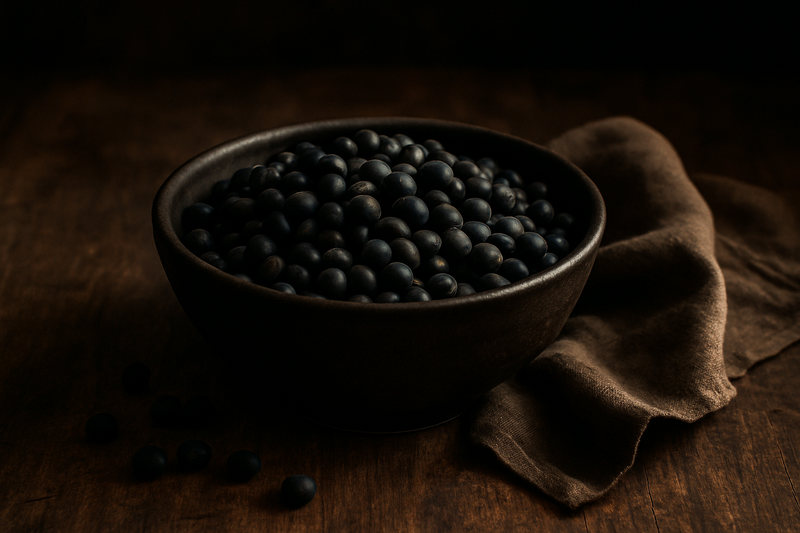
Black Soybeans · Photograph
Discover the science-backed black soybeans health benefits, from anthocyanin-rich antioxidants and heart support to low-carb plant protein. Includes nutrition facts, kuromame cooking tips, safety notes, and how black soybeans compare to black beans.
Key Nutrients
% Daily Value based on 2,000 cal diet
Key active compounds in black soybeans
- Anthocyanins — Water-soluble flavonoid pigments concentrated in the black seed coat. The three main ones are cyanidin-3-glucoside, delphinidin, and petunidin derivatives. They give black soybeans their color and are linked to antioxidant, anti-inflammatory, and lipid-improving effects.
- Isoflavones (genistein, daidzein, glycitein) — Phytoestrogens (plant compounds that weakly mimic estrogen in the body) found in the soybean cotyledon (the inner seed). About 40 mg isoflavones per half-cup serving — similar to yellow soybeans — with possible benefits for menopausal symptoms and bone health.
- Saponins — Amphipathic glycosides (soap-like molecules that can bind fats) in legume cell walls. Preclinical research suggests they may help lower cholesterol absorption and have anti-inflammatory properties.
- Phytosterols — Plant-derived sterols structurally similar to cholesterol. They compete with dietary cholesterol for absorption in the intestine, which may modestly lower LDL cholesterol ("bad" cholesterol) over time.
- Polyphenols (non-anthocyanin) — A broader family of phenolic compounds throughout the bean that contribute to its overall antioxidant capacity and may protect against oxidative stress (cellular damage from unstable oxygen molecules).
Prep and pairing ideas
Quick weeknight black soybean bowl: Rinse a can of black soybeans, toss with roasted red peppers, corn, cumin, and a squeeze of lime. Serve over brown rice or cauliflower rice. The vitamin C in peppers and lime boosts absorption of the beans' plant-based iron.
Japanese kuromame (sweet simmered black soybeans): Soak 200 g dried black soybeans overnight. Drain and simmer in fresh water with 4 tbsp sugar, 2 tbsp soy sauce, and a pinch of baking soda (to help maintain color) for 2–3 hours on low heat until very tender. Serve as a side dish or New Year's appetizer.
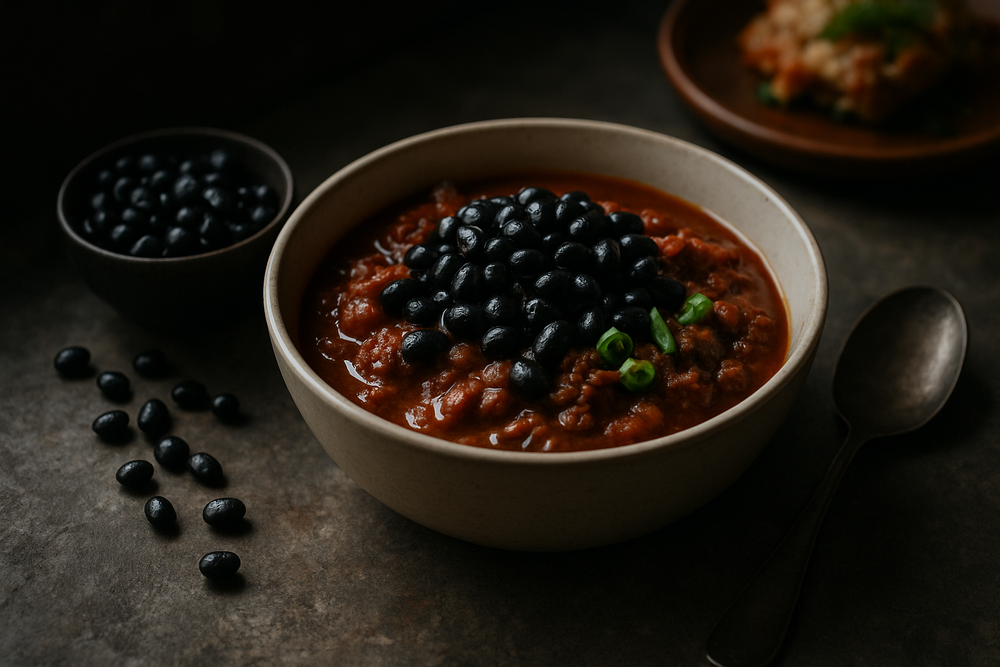
Black soybean "chili" (low-carb): Substitute canned black soybeans for black beans in any chili recipe to dramatically reduce the net carbohydrate count while maintaining protein and fiber. The flavor is mildly nuttier and slightly firmer.
Bottom line
Black soybeans are one of the most nutritionally versatile legumes available. They offer complete plant protein, low net carbohydrates, a meaningful fiber boost, and a distinctively high anthocyanin content that sets them apart from both yellow soybeans and conventional black beans. The most direct human evidence supports their anthocyanin-rich seed-coat extract for improving visceral fat and blood lipids; the whole-bean benefits for blood sugar, digestion, and inflammation are biologically well-reasoned but need more direct clinical trials.
For most healthy adults, adding ½ cup of cooked or canned black soybeans several times a week is a straightforward, low-risk way to increase plant protein, fiber, and antioxidant variety in the diet. Soak and cook dried beans fully, rinse canned beans before use, and introduce them gradually if your gut is sensitive. The evidence doesn't support miracle claims — but it does support black soybeans as a genuinely useful, under-appreciated whole food.
How Black Soybeans Compares
| Compared with | What's different |
|---|---|
| Black Soybeans vs. Black beans (turtle beans) | Contains fewer net carbs and more protein; black beans are starchier. |
| Black Soybeans vs. Yellow soybeans | Higher in antioxidant anthocyanins found in the dark seed coat. |
Health Benefits
Things to Know
Always cook thoroughly.: Raw or undercooked soybeans contain trypsin inhibitors — compounds that block the protein-digesting enzyme trypsin and can impair protein absorption and cause digestive discomfort. Full cooking neutralizes them. Never eat raw soybeans.
Soy allergy.: Soy is one of the most common food allergens. Anyone with a known or suspected soy allergy must avoid black soybeans entirely.
Hormone-sensitive cancers.: People with estrogen-receptor-positive breast cancer, endometrial cancer, or related conditions should discuss regular high soy intake with their oncologist. Most evidence at typical food intakes appears neutral, but individual circumstances vary.
Warfarin (blood thinner) users.: Black soybeans contain vitamin K (~13% DV per serving). Large swings in vitamin K intake can destabilize warfarin dosing. Keep soy intake consistent from week to week and alert your prescriber.
Thyroid medication.: Very high soy intake may modestly reduce absorption of levothyroxine (thyroid hormone replacement). Take thyroid medication on an empty stomach, separate from soy-containing meals.
Tamoxifen and hormone therapies.: Theoretical interaction with isoflavones exists; clinical significance at food doses appears low, but confirm with your care team.
IBS and FODMAP sensitivity.: Black soybeans contain fermentable oligosaccharides (a type of FODMAP — fermentable carbohydrates that some people cannot digest well). Start with small portions and see how you tolerate them; rinsing and thorough cooking helps.
Infants and young children.: High reliance on soy foods as a primary protein source should be discussed with a pediatrician.
Glossary
Shop This Ingredient
Stock your pantry with quality black soybeans.
Buy on AmazonAs an Amazon Associate, Plantopedia earns from qualifying purchases. This costs you nothing extra and helps us keep the encyclopedia free.
Frequently Asked Questions
Heart and circulation The most direct human evidence comes from an 8-week randomized, double-blind, placebo-controlled trial (the gold standard study design) published in the Journal of Medicinal Food. Overweight and obese Korean adults who took an anthocyanin-rich black soybean seed-coat (testa) extract had significantly reduced waist circumference, hip circumference, and improved plasma lipid profiles — including lower triglycerides and LDL cholesterol — compared with a placebo group. Beyond this single trial, black soybeans share the broader legume profile associated with heart health: fiber, unsaturated fat, and potassium. Harvard's Nutrition Source notes that regular legume intake is associated with lower LDL cholesterol, healthier blood pressure, and better weight management. The phytosterols and saponins in black soybeans may add a modest lipid-lowering effect on top of this. Evidence grade: Moderate — promising human data, but more and longer trials with whole cooked beans (rather than extracts) are needed. Digestive health and microbiome Black soybeans provide roughly 5–7 g of dietary fiber per 100 g cooked — a meaningful portion of the 25–38 g daily target recommended by most guidelines. Fiber bulks stool, feeds beneficial gut bacteria (a process called fermentation in the colon), and supports regular bowel movements. The fermentable oligosaccharides in soy can, however, produce gas and bloating in people with sensitive guts, particularly those with irritable bowel syndrome (IBS). Soaking dried beans overnight, discarding the soaking water, and simmering thoroughly all reduce the oligosaccharide load and generally improve tolerability. Rinsing canned black soybeans before use also helps. Evidence grade: Moderate — well-established for dietary fiber in general; controlled trials specific to black soybeans and gut outcomes are limited. Blood sugar and metabolism Black soybeans have a low glycemic index (a measure of how quickly a food raises blood glucose) due to their high fiber content, moderate protein, and low available starch. Popular low-carb and keto communities have adopted them partly for this reason. That said, no well-designed human clinical trials have specifically examined whole black soybean intake and glycemic control or insulin sensitivity. The blood-sugar benefit is extrapolated from general legume and high-fiber food research, and from preclinical evidence that anthocyanins and polyphenols may modulate carbohydrate digestion and insulin signaling. Evidence grade: Emerging — logical and consistent with broader food science, but direct clinical proof is still needed. Hormones and cycle health Black soybeans contain the same soy isoflavones found in yellow soybeans: genistein, daidzein, and glycitein. These phytoestrogens bind weakly to estrogen receptors (proteins in cells that respond to estrogen). The broader soy isoflavone literature — covering hundreds of trials — suggests a modest benefit for menopausal hot flushes and a possible positive or neutral effect on bone mineral density. Whether black soybeans specifically (rather than soy in general) confer these benefits has not been tested directly. People with hormone-sensitive cancers or on endocrine (hormone-targeting) therapies should review their soy intake with an oncologist or endocrinologist. Evidence grade: Moderate for soy isoflavones broadly; limited for black soybeans specifically. Inflammation and recovery The same RCT that showed lipid improvements likely involved anti-inflammatory pathways, though inflammatory biomarkers were not the primary endpoint. Anthocyanins from other foods (blueberries, cherries, elderberries) have shown reductions in oxidative stress markers and inflammatory cytokines (signaling proteins) in human trials, supporting the biological plausibility for black soybeans. Cell and animal studies on black soybean polyphenols consistently show antioxidant and anti-inflammatory activity, but translating these findings directly to humans eating cooked black soybeans still requires more investigation. Evidence grade: Emerging — biologically plausible, extrapolated from related foods; direct human data sparse.
Dried whole beans (kuromame-style) Dried black soybeans offer the purest, most traditional form. They require soaking (typically 8–12 hours or overnight) and long, slow cooking — anywhere from 1.5 to 3 hours until completely tender. The traditional Japanese kuromame method simmers them in water with sugar, soy sauce, and sometimes a small piece of iron (historically a nail, now a specialty iron utensil) to preserve the deep black color. Fully cooked from dried, they have the best texture for slow-simmered dishes. Canned (pre-cooked) black soybeans The most convenient option. Rinse well to reduce sodium and some fermentable oligosaccharides. Nutritionally very close to home-cooked beans. Ideal for quick salads, soups, and low-carb "black bean" swaps. Look for BPA-free cans and no-added-salt or low-sodium labels. Black soybean testa (seed-coat) extract — supplements Used in the RCT that produced the most direct cardiovascular evidence. Standardized for anthocyanin content and available as capsules or powder. Supplement forms concentrate the seed-coat compounds rather than the whole bean; evidence is limited to one study, and dosing should follow product labeling. Not a replacement for whole food intake. Tea / decoction Roasted or boiled black soybeans steeped in hot water are a traditional East Asian drink. Evidence is anecdotal and historical rather than clinical. A pleasant way to get some polyphenols without eating a full serving of beans. Overall: Whole cooked beans — whether home-prepared or canned — are the most evidence-consistent choice for everyday use. Supplements may be considered for targeted anthocyanin intake but should not replace a varied diet.
The low-carb plant-based eater Needs complete protein without meat but also wants to keep carbohydrates low Struggling to find legumes that fit a keto or low-carb framework Benefits from roughly 8–9 g protein and only 1–2 g net carbs per 100 g serving The perimenopausal or postmenopausal woman Looking for food-based sources of phytoestrogens to complement a whole-food plant-based diet Interested in heart health support as cardiovascular risk shifts after menopause Should still discuss individual isoflavone suitability with a healthcare provider, especially with a history of hormone-sensitive cancer
There is no established "therapeutic dose" for whole cooked black soybeans because the research has not yet produced a specific human-outcome trial with clear dose-response data. Practical guidance from broader legume research: A typical serving is ½ cup (about 80–100 g) cooked or canned. Most dietary guidelines recommend 3–4 servings of legumes per week as part of a varied diet; some plant-based patterns aim for 1–3 servings daily. If you are new to black soybeans or legumes generally, start with ¼ cup per day and increase gradually over 2–3 weeks to allow your gut microbiome time to adjust and reduce gas. For the black soybean testa extract used in the RCT, the dosage was specific to that supplement's standardized anthocyanin content — follow product labeling and consult a provider before using concentrated extracts. People with the caution conditions above (allergy, hormone-sensitive cancer, warfarin use) should set their intake level in consultation with a qualified healthcare professional.
Dried black soybeans Best for: traditional kuromame, slow-cooked dishes, budget cooking. Label tips: look for "black soybeans" or "kuromame" — not black turtle beans, which are a different species. Asian grocery stores and online specialty retailers are the most reliable sources. Eden Foods and similar brands stock organic options. Store in an airtight container away from heat and moisture; use within 1–2 years. Canned black soybeans Best for: weeknight convenience, quick swaps in any recipe calling for black beans. Label tips: choose "no added salt" or "low sodium" varieties when possible. Check that the can lists only black soybeans and water (plus possibly salt). Rinse under cold water for 30 seconds before use to further reduce sodium and fermentable oligosaccharides. BPA-free cans are worth seeking out. Black soybean testa (seed-coat) extract / supplements Best for: individuals specifically seeking concentrated anthocyanin intake based on the RCT evidence. Label tips: look for standardized anthocyanin content on the label. Note that supplement evidence is based on one human trial; this is not a substitute for whole-food intake and has not been evaluated by FDA for disease prevention. Discuss with a healthcare provider before starting, especially with any of the caution conditions listed above. If you want to explore how black soybeans fit into broader eating patterns designed around specific health goals, see Plantopedia's goal-based eating guides.
Quick Answers
Common questions, answered in a line.
Black soybeans are nutritionally distinct because they contain anthocyanins, water-soluble pigments in the seed coat that provide extra antioxidant and anti-inflammatory benefits. They also offer a lower net carbohydrate count and a firmer, nuttier texture than standard black beans.
Black soybeans contain several active compounds, including anthocyanins, isoflavones like genistein and daidzein, saponins, phytosterols, and various non-anthocyanin polyphenols. These work together to support heart health, manage cholesterol, and protect against oxidative stress.
You should never eat raw black soybeans because they contain trypsin inhibitors that block protein digestion and cause severe gastric discomfort. Cooking the beans thoroughly neutralizes these compounds, making the protein safe and easy for your body to absorb.
To make Japanese kuromame, soak dried black soybeans overnight, then simmer them for 2–3 hours with sugar, soy sauce, and a pinch of baking soda until tender. The baking soda is a specific tip used to help the beans maintain their deep black color during the long cooking process.
People taking Warfarin should keep their black soybean intake consistent because the beans contain Vitamin K, which can interfere with blood-thinning medication. Additionally, those on thyroid medication or hormone therapies for cancer should consult a doctor due to potential absorption issues.
Black soybeans are an excellent choice for low-carb diets because they have significantly fewer net carbohydrates than other legumes. Substituting them for black beans in recipes like chili allows you to maintain high protein and fiber levels while reducing total carb intake.
To improve iron absorption from black soybeans, you should pair them with foods high in Vitamin C, such as roasted red peppers or lime juice. This combination helps the body more effectively process the plant-based iron found in the beans.
For Readers in the USA
Local context — sourcing, seasonality, and regional notes.
In the U.S., you can find canned black soybeans at health-focused retailers like Whole Foods Market or Sprouts, and dried varieties at H Mart or local Asian grocery stores. Major chains like Kroger and Publix often stock them in the natural foods aisle under the Eden Foods brand.
The majority of black soybeans in the United States are grown in the Midwest "Soybean Belt," including states like Iowa, Illinois, and Michigan. These regions provide the temperate climate and rich soil necessary for high-yield soy production during the summer months.
Look for the USDA Organic seal to ensure your black soybeans are non-GMO and grown without synthetic pesticides. Because the majority of conventional soy in the U.S. is genetically modified, consumers seeking traditional varieties often prioritize organic-certified brands.
Black soybeans are harvested in the U.S. during the fall, typically from September through November. While the fresh harvest is seasonal, they are available year-round in shelf-stable canned or dried formats across all 50 states.
AI Clinical Review
- Soy is a complete plant protein, and black soybeans provide meaningful fiber, folate, and unsaturated fat—points that are well supported in nutrition research.
- The black seed coat is rich in anthocyanins; human data on anthocyanin-rich foods link these compounds to cardiometabolic benefits, and one randomized trial of black soybean seed–coat extract showed improvements in lipids and central adiposity.
- Net carbohydrates are lower than many other beans, which helps some readers fit legumes into lower‑carb patterns without sacrificing protein or micronutrients.
- Practical cooking guidance (thorough cooking, rinsing canned beans) aligns with known ways to improve digestibility and reduce antinutrients.
- Most clinical findings cited use a concentrated seed‑coat (testa) extract over 8 weeks in one population; we don’t yet know if regularly eating whole cooked black soybeans yields the same magnitude of effect or the optimal dose.
- Claims around glycemic control and inflammation are biologically plausible and consistent with broader legume/anthocyanin research, but direct, longer human trials with whole black soybeans are limited.
- “Keto‑friendly” status and very low net‑carb figures can vary by brand, portion size, and preparation; individual glucose and GI responses differ.
- Typical serving: about 1/2 cup (80–100 g) cooked. If you’re new to legumes, start around 1/4 cup daily and increase over 2–3 weeks to minimize gas and bloating.
- Safety: avoid if you have a soy allergy. Keep intake consistent if you take warfarin (vitamin K), separate levothyroxine from soy by several hours, and discuss regular soy intake with your oncology/endocrine team if you have hormone‑sensitive conditions or take tamoxifen.
- Form matters: canned beans are ready to eat (rinse to reduce sodium/FODMAPs); dried beans must be fully cooked to inactivate trypsin inhibitors. Testa extracts are not nutritional equivalents of whole beans and should be used cautiously and per product guidance.
- Shopping tip: black soybeans (kuromame) are a different species from black turtle beans; check labels to avoid mix‑ups.
Cook fully; soak before simmering to soften.
References
- USDA FoodData Central — Soybeans, Black (nutrition data reference): (fdc.nal.usda.gov)
- Harvard T.H. Chan School of Public Health — Legumes and Pulses (evidence-based legume health overview): (nutritionsource.hsph.harvard.edu)
- PMC — Critical Review on Polyphenols and Health Benefits of Black Soybeans (peer-reviewed review of mechanisms and evidence): (pmc.ncbi.nlm.nih.gov)
- Journal of Medicinal Food — Anthocyanin-Rich Black Soybean Testa RCT (8-week randomized controlled trial, visceral fat and lipids): (liebertpub.com)
- Cigna SmartHealth — Nutritions and Health Benefits of Black Soybean (consumer health summary of kuromame): (cigna.com.hk)
- Japanese Taste Blog — Kuromame: Everything You Need to Know (cultural context, preparation, and nutritional overview): (japanesetaste.com)
- Eden Foods — Organic Black Soybeans, 15 oz (product label with isoflavone content data): (store.edenfoods.com)
- DietCompass — Canned Black Soybeans Nutrition Facts (per-100g nutrient breakdown): (dietcompass.org)
- Below the Salt News — Have You Tried Black Soybeans? (practical culinary and nutrition overview): (belowthesaltnews.com)
Know Your Numbers
Eating healthy is a start. Now get to know your biomarkers.
Food changes bloodwork — inflammation, lipids, blood sugar and nutrient status all respond to what you eat. 59 markers from $59.
- Results in 7–10 days at 2,000+ Quest sites
- Licensed provider reviews every result
- One flat price, no membership, HSA/FSA eligible
Educational information only, not medical advice. Panels are ordered and reviewed through our licensed partner; Plantopedia may earn a commission.