Broccoli Sprouting Seeds — health benefits and uses
A newer functional-food star studied for cellular-protective glucosinolates.
The Short Answer
Broccoli sprouting seeds produce sprouts that are exceptionally high in sulforaphane, a bioactive compound linked to liver health and inflammation support. A 20g serving provides 54mg of Vitamin C and 4g of fiber for just 35 calories.
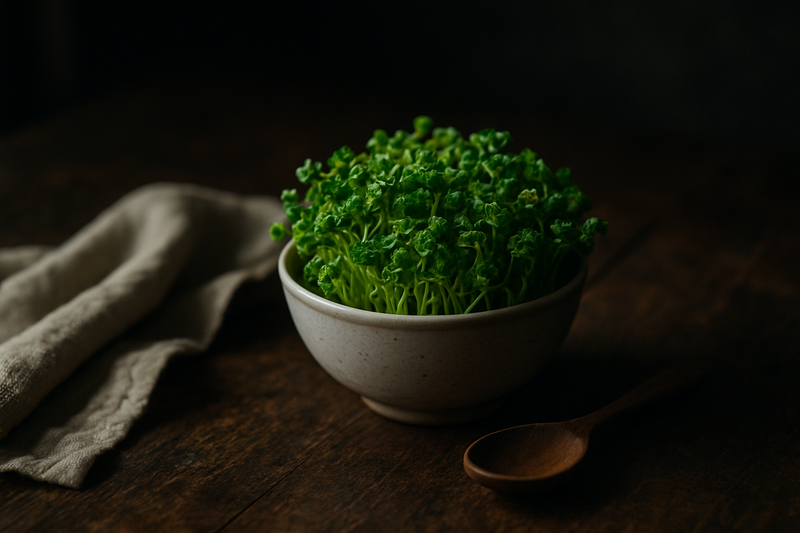
Broccoli Sprouting Seeds · Photograph
Discover the broccoli sprouts health benefits backed by human research—from sulforaphane and blood sugar support to liver health and inflammation. Includes safety tips for raw sprouts, nutrition facts, and how to grow broccoli sprouts from sprouting seeds at home.
Key Nutrients
% Daily Value based on 2,000 cal diet
Key active compounds in broccoli sprouting seeds and sprouts
- Glucoraphanin — The main glucosinolate (a sulfur-containing plant chemical) stored inside broccoli cells. It is stable on its own; the conversion to sulforaphane only happens when the cell wall is broken.
- Sulforaphane — An isothiocyanate (a type of reactive plant compound) produced when glucoraphanin meets the enzyme myrosinase during chewing or chopping. It is the primary bioactive compound in broccoli sprout research and activates a cellular defense switch called Nrf2.
- Myrosinase — The enzyme naturally present in broccoli sprout cells that catalyzes (triggers) the glucoraphanin-to-sulforaphane conversion. Heat deactivates myrosinase, which is why cooking method matters.
- Indole-3-carbinol and related indoles — Secondary plant chemicals also found in cruciferous vegetables that may support hormone metabolism and detoxification pathways.
- Vitamin C (ascorbic acid) — A water-soluble antioxidant; broccoli sprouts are a notably rich source relative to their calorie content.
- Kaempferol and other flavonoids — Minor antioxidant compounds that contribute to the overall polyphenol profile of sprouts.
Prep and pairing ideas
Maximize sulforaphane the easy way
The key rule: chew thoroughly or chop/blend before eating. This is what breaks open the cells and lets glucoraphanin meet myrosinase.
- Salad base or topper: Toss 1–2 oz of rinsed sprouts into a green salad. Their mild, slightly peppery flavor works with most dressings. Add lemon juice for extra vitamin C and flavor.
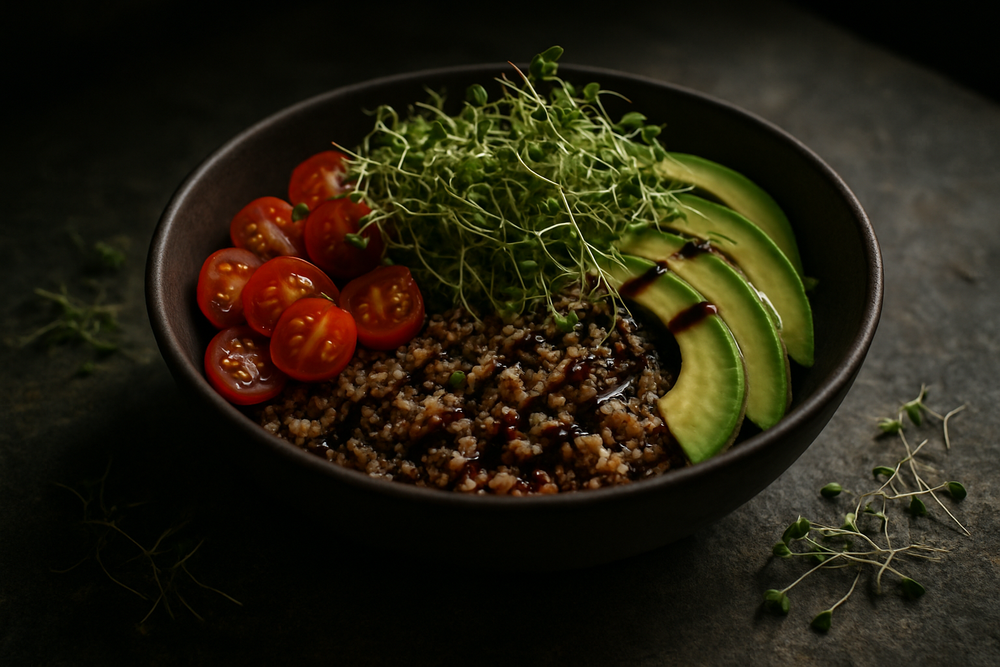
- Sandwich and wrap layer: Replace or supplement lettuce with broccoli sprouts in wraps, grain bowls, or avocado toast. They hold their crunch without wilting.
- Smoothie add-in: Blend 1 oz of sprouts into a fruit smoothie. The flavor virtually disappears; the blending action actively ruptures cells to boost sulforaphane formation.
Buying guide (Optional module)
| Form | What to look for | Notes |
|---|---|---|
| Sprouting seeds (raw) | "For sprouting" on the label; no fungicide treatments; certified organic if possible | Do not use garden or planting seeds—they may carry chemical treatments |
| Fresh store-bought sprouts | Use-by date well in advance; no sliminess or off smell; refrigerated at point of sale | Refrigerate immediately; use within 2–3 days of purchase |
| Dried sprout powder | Glucoraphanin content listed per serving; third-party tested | Check that myrosinase is also present for conversion, or take with mustard seed |
| Capsule/extract | Standardized to sulforaphane or glucoraphanin amount (mg or μmol); independently tested | Doses used in clinical trials often exceed typical food intake; consult a clinician |
Bottom line
Broccoli sprouting seeds grow into one of the most sulforaphane-dense foods available, and human research backs up several of the claims made about them—particularly for liver enzyme improvement, modest blood sugar support, and reduction of inflammatory markers. These are real, measurable effects in real people, not just lab-dish results.
That said, the evidence does not yet support "broccoli sprouts prevent cancer" or "broccoli sprouts treat diabetes." What it does support is this: including broccoli sprouts regularly as part of a varied, whole-food diet is a reasonable, low-cost nutritional choice for most healthy adults—as long as you handle them safely. Raw sprouts are a genuine food safety concern for vulnerable populations; if you fall into one of the high-risk groups listed above, cook your sprouts or skip them.
If you are considering concentrated extracts for a specific health goal, bring this guide's clinical trial section to a conversation with your doctor or registered dietitian. The doses used in trials often exceed what you'd eat as food, and interactions with medications are a real consideration.
How Broccoli Sprouting Seeds Compares
| Compared with | What's different |
|---|---|
| Broccoli Sprouting Seeds vs. Mature Broccoli | Broccoli sprouts contain up to 50 times more glucoraphanin for sulforaphane production. |
| Broccoli Sprouting Seeds vs. Alfalfa Sprouts | Alfalfa has a milder, nutty profile, whereas broccoli sprouts have a peppery, radish-like bite. |
| Broccoli Sprouting Seeds vs. Radish Sprouts | Radish sprouts have a much sharper heat and lack the specific high sulforaphane levels of broccoli. |
Health Benefits
Things to Know
Immunocompromised individuals (people undergoing chemotherapy, organ transplant recipients, people with advanced HIV/AIDS, or those on immunosuppressive drugs)
Pregnant people, especially in the second and third trimesters
Adults over 65 years old
Children younger than 5 years old
Buy sprouting seeds labeled specifically for sprouting (not garden planting, which may carry seed treatments)
Rinse seeds thoroughly before soaking; rinse sprouts at least twice daily during growing
Refrigerate finished sprouts and use within 2–3 days
Rinse under cool running water immediately before eating
Sulforaphane activates phase II detoxification enzymes via Nrf2, which could theoretically alter the metabolism of drugs with narrow therapeutic windows (meaning drugs where a small change in blood level matters a lot)
Broccoli sprout extracts can modestly lower fasting blood glucose—if you take insulin or other blood sugar-lowering medications, monitor closely and adjust under medical supervision
People on immunosuppressive therapy should avoid raw sprouts entirely due to infection risk
Prep Ideas
- — Salad base or topper: Toss 1–2 oz of rinsed sprouts into a green salad. Their mild, slightly peppery flavor works with most dressings. Add lemon juice for extra vitamin C and flavor.
- — Sandwich and wrap layer: Replace or supplement lettuce with broccoli sprouts in wraps, grain bowls, or avocado toast. They hold their crunch without wilting.
- — Smoothie add-in: Blend 1 oz of sprouts into a fruit smoothie. The flavor virtually disappears; the blending action actively ruptures cells to boost sulforaphane formation.
Shop This Ingredient
Stock your pantry with quality broccoli sprouting seeds.
Buy on AmazonAs an Amazon Associate, Plantopedia earns from qualifying purchases. This costs you nothing extra and helps us keep the encyclopedia free.
Frequently Asked Questions
Broccoli sprouting seeds and broccoli garden seeds come from the same plant species, but they are not interchangeable. Seeds sold for sprouting are tested for low pathogen counts and should not have been treated with fungicides or other chemicals used in agricultural planting. Always buy seeds specifically labeled "for sprouting" from a reputable sprouting seed supplier.
Sulforaphane content varies considerably depending on the seed variety, sprouting conditions, and how thoroughly you chew or process the sprouts. It is not listed in standard nutrition databases because it forms during digestion rather than sitting pre-formed in the food. Research suggests broccoli sprouts can yield 10 to 100 times more sulforaphane per gram than mature broccoli heads, but exact amounts per home-grown batch are difficult to predict without lab testing.
A 12-week randomized controlled trial found that daily broccoli sprout extract produced a small but statistically significant reduction in fasting blood glucose in people with prediabetes. The reduction was modest (about 0.2 mmol/L) and fell short of the researchers' original target. Sprouts or extracts are not a replacement for medical treatment or lifestyle changes, and if you take blood sugar-lowering medication, you should monitor closely and consult your doctor before adding concentrated extracts.
Eating them raw maximizes sulforaphane formation because the enzyme myrosinase remains active. However, raw sprouts carry a real risk of foodborne illness from bacteria like Salmonella and E. coli. For healthy adults, thorough rinsing before eating raw is the minimum precaution. For immunocompromised individuals, pregnant people, older adults, and young children, food safety guidelines from the CDC and Health Canada recommend cooking sprouts thoroughly or avoiding them entirely.
A small but well-designed randomized, double-blind, placebo-controlled trial in Japanese men with fatty liver found that glucoraphanin capsules (30 mg/day for two months) significantly lowered three standard liver stress markers—ALT, GGT, and ALP—compared with placebo. This is promising, but it is one trial in one specific population. If you have existing liver disease, talk to a doctor before using any concentrated sprout extract, since it can change liver enzyme readings in ways that need professional monitoring.
Use seeds specifically labeled for human sprouting. Start by soaking 2 tablespoons of seeds in cool water for 8–12 hours, then drain into a clean mason jar fitted with a mesh sprouting lid. Rinse and drain twice daily, keeping the jar tilted to allow airflow and drainage. Sprouts are typically ready in 5–7 days. Refrigerate immediately once green and use within 2–3 days. Rinse under cool running water right before eating.
They serve different purposes. Fresh sprouts provide fiber, vitamin C, and naturally occurring sulforaphane within a whole-food context. Supplements (standardized capsule extracts) allow precise dosing of glucoraphanin or sulforaphane—doses that are sometimes higher than realistic food amounts—and eliminate the foodborne illness risk of raw sprouts. Clinical trials have produced measurable results with both forms. Supplements are not inherently superior to food, but they may be more practical for people in high-risk groups or those targeting specific health markers under medical supervision.
Quick Answers
Common questions, answered in a line.
Sulforaphane is a reactive plant compound produced when you chew or chop broccoli sprouts, which breaks open cells to allow the enzyme myrosinase to interact with glucoraphanin. It is the primary bioactive compound studied for its ability to activate the Nrf2 cellular defense switch.
Broccoli sprouts contain glucoraphanin, sulforaphane, myrosinase, and indole-3-carbinol, as well as vitamin C, kaempferol, and other antioxidant flavonoids. These compounds support various functions, including hormone metabolism, detoxification pathways, and cellular defense.
To maximize sulforaphane, you should chew sprouts thoroughly, chop them, or blend them into smoothies before consumption. These actions break the plant's cell walls, allowing the enzyme myrosinase to convert glucoraphanin into active sulforaphane.
Raw sprouts are a food safety concern for vulnerable groups, including pregnant people, children under 5, adults over 65, and immunocompromised individuals. These groups should cook their sprouts or avoid them entirely to prevent infection risks.
Always buy seeds labeled specifically "for sprouting" to ensure they are free of fungicide treatments and certified organic. You should never use garden or planting seeds for sprouting, as they may carry harmful chemical treatments.
Broccoli sprouts may lower fasting blood glucose and interact with phase II detoxification enzymes, which could alter how the body metabolizes certain drugs. If you take insulin or medications with a narrow therapeutic window, consult a doctor before adding sprouts or extracts to your diet.
For Readers in the USA
Local context — sourcing, seasonality, and regional notes.
You can buy fresh broccoli sprouts at major U.S. grocery chains like Whole Foods Market, Sprouts Farmers Market, and Trader Joe's, typically located in the refrigerated produce section near the herbs or pre-packaged salads. Many regional farmers markets also feature local microgreen growers who sell freshly harvested sprouts year-round.
The USDA Organic seal on broccoli sprouting seeds ensures they were produced without synthetic fertilizers or pesticides and are non-GMO, which is vital for a product consumed raw. Because sprouts are grown in warm, humid conditions, organic certification also ensures the seeds have undergone rigorous pathogen testing required by U.S. food safety standards.
While broccoli is a cool-weather crop in U.S. gardens, broccoli sprouts are grown indoors in controlled environments, making them available and "in season" throughout the year across all 50 states. This indoor accessibility makes them a reliable source of fresh greens during winter months in colder USDA hardiness zones.
The U.S. FDA recommends that children, the elderly, pregnant women, and persons with weakened immune systems avoid eating raw sprouts due to the risk of foodborne illness like Salmonella or E. coli. For these high-risk groups, the FDA suggests cooking sprouts thoroughly to an internal temperature of 165°F to reduce the risk of infection.
AI Clinical Review
- Clearly explains why broccoli sprouts are unusual among crucifers: they’re dense in glucoraphanin that converts to sulforaphane, and preparation (chewing/blending) affects yield via myrosinase.
- Accurately frames human evidence as modest but real for liver enzyme changes, inflammatory markers, and small improvements in fasting glucose—without claiming disease cures.
- Distinguishes forms (fresh, lightly cooked, powders, standardized extracts) and notes that trials often use measured doses not typically achieved through food alone.
- Appropriately highlights raw sprout food safety risks and identifies higher‑risk groups who should cook or avoid them.
- Many studies are short and small, with outcomes focused on biomarkers rather than clinical endpoints (e.g., fewer events, symptom relief, or disease reversal).
- Cardiovascular and broader metabolic endpoints (blood pressure, HbA1c, fatty liver resolution) have not shown consistent, clinically meaningful changes.
- Cancer prevention or treatment claims remain unproven in people; mechanistic and early‑phase data do not translate to established benefits.
- Microbiome‑linked “responders” are an intriguing idea, but we lack validated ways to predict who benefits most and by how much.
- Foodborne illness: raw sprouts can carry Salmonella/E. coli. People who are immunocompromised, pregnant, older adults, and young children should use cooked forms or avoid them; everyone should handle sprouts hygienically.
- Form matters for sulforaphane: heat can inactivate myrosinase; pairing lightly cooked sprouts with a small amount of mustard or radish (natural myrosinase sources) may help restore conversion.
- Dosing context: 1–3 oz (28–85 g) fresh sprouts is a practical food range; supplements used in trials deliver standardized glucoraphanin/sulforaphane and warrant clinician input if you take glucose‑lowering, anticoagulant, or other “narrow therapeutic index” medicines (where small level changes matter).
- Thyroid considerations: very high intakes of raw crucifers may be a concern for people with hypothyroidism or iodine deficiency; typical servings are generally well tolerated.
Rinse thoroughly; immunocompromised individuals should cook or avoid raw sprouts.
References
- USDA FoodData Central — Broccoli Sprouts nutrition data (fdc.nal.usda.gov)
- CDC — Raw Sprout Safety Advice for Consumers (archive.cdc.gov)
- Health Canada — Food Safety Tips for Sprouts (canada.ca)
- Clemson HGIC — The Food Safety of Sprouts (hgic.clemson.edu)
- Human trial: Broccoli sprout extract and fasting blood glucose in prediabetes (randomized, placebo-controlled, 2025) (nature.com)
- Human trial: Glucoraphanin capsules improved liver enzymes in men with fatty liver (randomized, double-blind, placebo-controlled) (pmc.ncbi.nlm.nih.gov)
- Human trial: Sulforaphane-rich extract in men with recurrent prostate cancer (Phase II study) (pmc.ncbi.nlm.nih.gov)
- Human trial: Broccoli sprouts and inflammatory markers in type 2 diabetes (randomized, double-blind, placebo-controlled) (sciencedirect.com)
- Review: Sulforaphane as a potential therapeutic agent — mechanisms and clinical evidence (pmc.ncbi.nlm.nih.gov)
- Review: Anticancer properties of sulforaphane — molecular mechanisms (pmc.ncbi.nlm.nih.gov)
Know Your Numbers
Eating healthy is a start. Now get to know your biomarkers.
Food changes bloodwork — inflammation, lipids, blood sugar and nutrient status all respond to what you eat. 59 markers from $59.
- Results in 7–10 days at 2,000+ Quest sites
- Licensed provider reviews every result
- One flat price, no membership, HSA/FSA eligible
Educational information only, not medical advice. Panels are ordered and reviewed through our licensed partner; Plantopedia may earn a commission.