Calendula (Marigold Petals) — health benefits and uses
Traditional European skin-soothing and wound-care botanical.
The Short Answer
Calendula petals are edible flowers used as a natural golden food dye and source of antioxidant carotenoids like lutein. They offer a mild, slightly bitter, and earthy flavor, making them a cost-effective alternative to saffron in rice, soups, and teas.
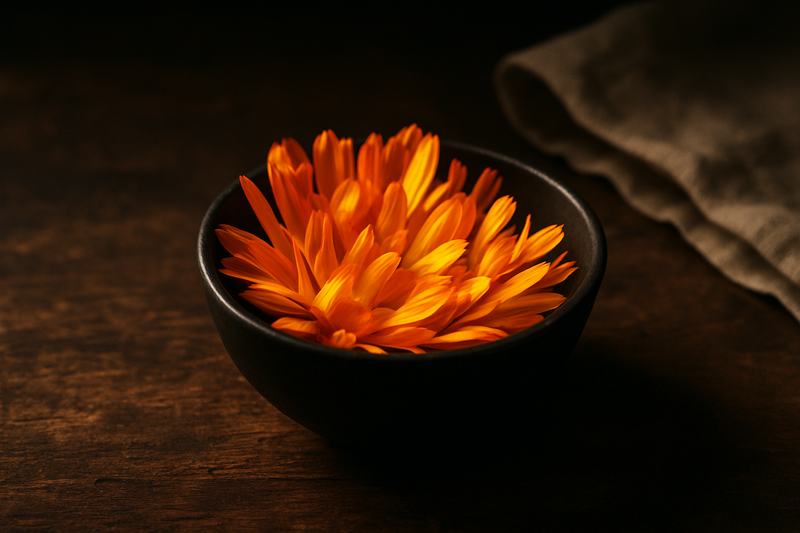
Calendula (Marigold Petals) · Photograph
Discover calendula petals health benefits and uses — from their antioxidant carotenoids and anti-inflammatory compounds to how to cook with them in rice, soups, and salads. Includes safety advice, allergy warnings, and evidence-backed guidance.
Key Nutrients
% Daily Value based on 2,000 cal diet
Key active compounds in calendula petals
- Carotenoids — Fat-soluble yellow-orange pigments (including lutein, zeaxanthin, and beta-carotene-related forms) that act as antioxidants and give the petals their colour. Antioxidants are molecules that neutralise free radicals — unstable molecules that can damage cells.
- Flavonoids — A broad family of polyphenols (plant compounds with multiple ring-shaped chemical structures) including quercetin and isorhamnetin glycosides. They show antioxidant and anti-inflammatory activity in lab studies.
- Triterpenoid saponins — Surface-active plant compounds (they foam slightly in water, like soap) found in the flower's resin. They are linked to calendula's wound-healing and anti-inflammatory effects in clinical preparations.
- Essential oil components (sesquiterpenes) — Volatile aromatic molecules responsible for some of calendula's scent, with antimicrobial and anti-inflammatory activity in lab settings.
- Polysaccharides — Complex carbohydrate chains in the petal tissue, linked to immune-modulating activity in experimental research.
Prep and pairing ideas
Calendula vs saffron for colour and flavour
The quickest way to see what calendula can do is the saffron swap: add a generous pinch of dried petals to the cooking water for rice or a risotto. The liquid turns golden, the petals soften, and the dish gets a gentle earthy note. The flavour is milder than saffron — less honeyed and more subtly bitter — but the visual effect is nearly identical at a much lower price.
Common pairings
Calendula + lemon + feta in a grain salad. The petals' slight bitterness lifts against the acidity of lemon and the saltiness of feta in a farro or barley salad. Scatter fresh or rehydrated dried petals over the top just before serving.
Calendula + ginger + turmeric in a golden broth. Steep petals alongside fresh ginger and turmeric in a light vegetable broth for a warming, colour-rich soup base. The carotenoid pigments from both calendula and turmeric compound the golden hue, and ginger softens the slight bitterness of the petals.
Calendula + honey + milk (or oat milk) in a floral latte. A small handful of dried petals steeped in warm milk for 10 minutes, then strained and sweetened with a little honey, makes a golden herbal milk drink with a subtle floral character — a caffeine-free alternative to golden milk.
Buying guide: how to choose calendula petals
Fresh vs. dried: Fresh petals are more visually striking and slightly less bitter. Dried petals are more practical for storage and concentrated colour in cooked dishes. Both are suitable for culinary use.
Food-grade label is essential. Many "marigold" products are ornamental Tagetes species (Mexican or French marigolds), which are different plants. Some are treated with pesticides not cleared for food use. Look specifically for Calendula officinalis sold as culinary or food-grade flowers.
Organic or spray-free: Because you are eating the flower itself, opting for certified organic or spray-free petals reduces your pesticide exposure.
Colour and scent check: Quality dried calendula petals should be vibrant orange-yellow, not brown or grey. They should have a faintly resinous, earthy-floral aroma. Dull colour or musty smell suggests age or poor storage.
Storage: Keep dried petals in a sealed glass jar away from light and moisture. They hold colour and flavour well for up to 12 months stored this way.
Bottom line
Calendula petals are a genuinely edible, historically respected culinary flower with a real case for being part of a varied, plant-rich diet. Their carotenoids, flavonoids, and triterpenoid saponins are biologically active compounds. The best-supported benefits — for skin wound healing and oral-mucosal soothing — come from concentrated topical and medicinal preparations, not from a garnish in your soup. At culinary amounts, calendula is a flavour and colour ingredient with a modest phytonutrient bonus, not a supplement. Keep expectations proportionate: a pinch of golden petals in your rice won't heal wounds, but it adds variety, colour, and a small dose of plant protective compounds to a meal. Use food-grade Calendula officinalis petals, respect the allergy and pregnancy cautions, and enjoy them as part of the broader principle that diverse, colourful plant foods support overall health over time.
Looking to explore more anti-inflammatory and antioxidant-rich plant foods? Browse the Plantopedia anti-inflammatory goals guide for a curated overview.
How Calendula (Marigold Petals) Compares
| Compared with | What's different |
|---|---|
| Calendula (Marigold Petals) vs. Saffron | Provides a deep, honey-like aroma and intense yellow dye compared to calendula's subtle, earthy flavor. |
| Calendula (Marigold Petals) vs. French Marigolds (Tagetes) | Often sold as 'marigolds', these have a much stronger, pungent scent and different chemical profile. |
Health Benefits
Things to Know
Asteraceae (daisy family) allergy: If you react to ragweed, chamomile, chrysanthemums, daisies, or related flowers, skip calendula entirely — cross-reactivity is well documented and can cause skin rashes, hives, or more serious allergic responses.
Pregnancy: Internal use of calendula at medicinal doses is considered likely unsafe due to concerns about uterine stimulation and possible miscarriage risk. Culinary-level petals as an occasional food garnish are a different exposure level, but caution is still reasonable. Check with your midwife or doctor.
Breastfeeding: Safety data for medicinal-dose internal calendula during breastfeeding are insufficient; most expert sources recommend avoiding it at therapeutic levels. Culinary amounts are lower risk but under-studied.
Sedative medications: Calendula may have mild sedative properties at higher doses. People taking benzodiazepines (e.g., lorazepam), barbiturates, opioids, or sleep aids should not use medicinal-dose calendula without medical guidance.
Blood pressure medications: Theoretical additive blood-pressure-lowering effects. Monitor closely if using calendula teas or supplements alongside antihypertensives.
Diabetes medications or insulin: Theoretical additive hypoglycaemic (blood-sugar-lowering) effects. People on antidiabetic drugs should discuss with their clinician before using calendula beyond a culinary sprinkle.
Pre-surgery: Many integrative medicine sources advise stopping internal calendula at least two weeks before planned surgery due to potential interactions with anaesthetic agents.
Topical contact allergy: Even topical calendula creams can cause contact dermatitis in sensitive individuals. Patch-test before applying to larger skin areas.
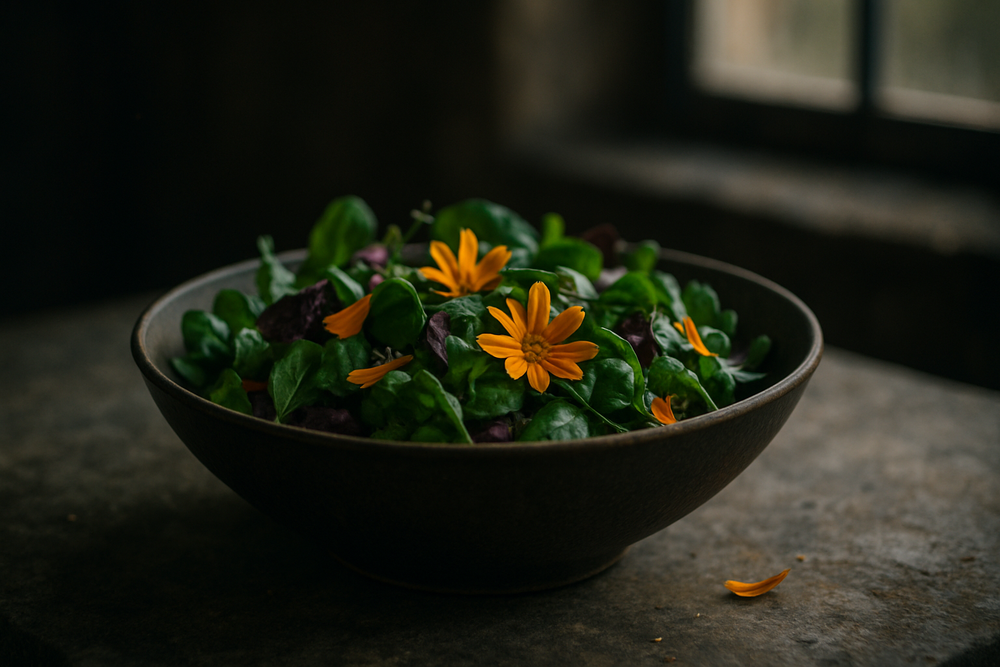
Glossary
Shop This Ingredient
Stock your pantry with quality calendula (marigold petals).
Buy on AmazonAs an Amazon Associate, Plantopedia earns from qualifying purchases. This costs you nothing extra and helps us keep the encyclopedia free.
Frequently Asked Questions
Skin health and wound healing This is where the most convincing human evidence sits — though it comes from creams and ointments, not from eating petals. A systematic review (PubMed, 2019) of Calendula officinalis extract in acute wound healing found faster resolution of inflammation and improved granulation tissue formation (the new tissue that fills a healing wound) in groups treated with calendula compared with controls. An updated 2023 review of clinical studies reported that 10% calendula ointments improved wound-healing scores and reduced pain in burns and surgical wounds. The active players here are thought to be the triterpenoid saponins and flavonoids, which may modulate cytokines — signalling proteins that coordinate the body's inflammatory response. At a culinary dose (a teaspoon in a salad), you are getting trace amounts of these compounds, not the concentrated extracts used in clinical trials. Still, regularly including antioxidant-rich edible flowers as part of a varied plant diet fits within the general framework of supporting skin health over time. Digestive health and oral comfort Calendula has a long folk-medicine history as a tea or gargle for sore throats, mild mouth irritation, and stomach discomfort. The European Medicines Agency and Health Canada both recognise a calendula mouthwash or gargle — made by steeping 1–2 g of dried flowers in about half a cup (125 mL) of hot water — as a traditional remedy for oral and throat irritation. Animal and lab studies also point to possible spasmolytic (muscle-relaxing) effects in the gut, which may explain its traditional use for cramps or bloating. However, well-designed human trials for digestive conditions (IBS, ulcers, heartburn) are largely absent, so digestive benefits are considered emerging rather than established. Inflammation and recovery Calendula's anti-inflammatory reputation is backed by preclinical research showing it can inhibit key inflammatory pathways. In clinical settings, topical calendula preparations have outperformed standard care in some small wound-healing trials. Internally, the picture is less clear: there are no large randomised controlled trials (RCTs) confirming that drinking calendula tea or eating the petals reduces systemic inflammation markers in humans. Research is encouraging but should be described as promising, not proven, for internal use. Heart health and circulation Some preclinical (animal and cell) studies note possible vasodilatory (blood-vessel-relaxing) and antioxidant effects from calendula compounds that could be relevant to cardiovascular health. However, no robust human RCTs have examined whether calendula improves blood pressure, cholesterol, or cardiovascular event rates. Calendula should not be positioned as a heart supplement; any cardiometabolic benefits remain largely theoretical at this stage. Blood sugar and metabolism Calendula is occasionally mentioned as potentially influencing blood sugar, primarily based on animal studies. Clinical monographs caution that it may add to the blood-sugar-lowering effect of diabetes medications — but this is a precautionary note, not a finding from a well-powered human trial. There are no high-quality RCTs testing calendula for glycaemic control in people with diabetes. Hormones and cycle health Calendula has a history in folk medicine as an emmenagogue — an herb traditionally used to stimulate or regulate menstruation. Modern evidence for this is weak and consists mainly of mechanistic theory rather than clinical data. What is clear is that this theoretical uterine-stimulating effect is the main reason authoritative sources advise against internal use during pregnancy.
Fresh petals have the most visual impact in salads and cold dishes — pull them from the flower head, rinse well, and scatter over food. Their flavour is mild and slightly bitter-peppery. Dried petals concentrate the carotenoid colour and are the most practical choice for cooked dishes such as rice, risotto, soups, and scrambled eggs. They dissolve their pigment into hot liquid the way saffron does, at a fraction of the cost. Calendula tea (herbal infusion) is made by steeping several dried flower heads (roughly 1–2 g) in a cup of hot water for 10–15 minutes. The flavour is earthy-floral and mildly bitter. This delivers a small but real dose of carotenoids and flavonoids. Topical creams and ointments (2–10% calendula extract) are the form with the strongest clinical track record for skin and wound applications — but this is skincare, not food, and outside the scope of culinary use. Oral capsules (medicinal dose, around 2 g/day) have been used in small clinical trials for burn wound healing. This is a therapeutic dose under supervision, not a food supplement decision to make independently. For culinary purposes, food-grade dried or fresh petals are the right starting point. Look for petals sold specifically as food-grade or culinary-grade. Many garden-centre marigolds are ornamental varieties (Tagetes species) treated with pesticides and are not the same plant — always source Calendula officinalis labelled for food use.
There is no officially established tolerable upper limit for calendula as a food ingredient. Here is how the evidence maps onto practical guidance: Culinary petals (food use): 1–2 teaspoons of dried petals per serving, or 1–2 tablespoons per pot, is a conventional culinary range considered low-risk for adults without relevant allergies. This is a garnish-and-colour use, not a therapeutic dose. Calendula herbal tea: Traditional and monograph guidance suggests 1–2 g of dried flowers (roughly one to two generous pinches, or one to three dried flower heads) steeped in 125–250 mL of hot water, consumed one to three times daily. Start with one cup per day to gauge tolerance. Therapeutic oral doses (capsules, high-dose extracts): These are medicinal preparations studied at around 2 g/day in clinical trials — not something to self-prescribe. Seek professional guidance. General starting principle: Start low. If you are new to calendula, try a small amount in food or a single cup of tea first, and wait 24 hours to check for any skin or digestive reaction before making it a regular habit.
Quick Answers
Common questions, answered in a line.
Calendula petals contain antioxidant carotenoids like lutein and zeaxanthin, anti-inflammatory flavonoids such as quercetin, and triterpenoid saponins. These compounds help neutralize free radicals and are linked to wound-healing effects in clinical preparations.
Yes, food-grade Calendula officinalis petals are edible and can be used fresh or dried in rice, salads, and broths. You should ensure they are labeled as culinary-grade to avoid ornamental varieties treated with pesticides.
Calendula can be used as a saffron substitute by adding a pinch of dried petals to rice or risotto cooking water for a golden color. While the visual effect is similar, calendula has a milder, more earthy and slightly bitter flavor compared to saffron's honeyed notes.
People with an Asteraceae (daisy family) allergy, including reactions to ragweed, chamomile, or chrysanthemums, should avoid calendula. The plant can trigger cross-reactivity symptoms like skin rashes, hives, or more serious allergic responses.
Calendula may interact with sedative medications, blood pressure treatments, and diabetes drugs like insulin due to potential additive effects. It is also advised to stop using calendula at least two weeks before surgery to avoid interactions with anesthetic agents.
Calendula use is generally discouraged during pregnancy due to concerns regarding uterine stimulation and potential miscarriage risks. While culinary garnishes involve lower exposure than medicinal doses, you should consult a healthcare provider before use.
Look for vibrant orange-yellow petals with a faintly resinous, earthy-floral aroma and a "food-grade" or "organic" label. Avoid petals that appear brown or grey or have a musty smell, as these signs suggest poor storage or age.
For Readers in the USA
Local context — sourcing, seasonality, and regional notes.
In the United States, calendula is most commonly found as dried petals in the bulk herb sections of natural food stores like Whole Foods Market or Sprouts Farmers Market. You can also find culinary-grade petals through online specialty spice purveyors and apothecary brands like Mountain Rose Herbs.
Calendula is widely grown across USDA Hardiness Zones 2 through 11, making it a versatile garden staple in almost every US state. In warmer regions like California or the South, it can bloom nearly year-round, while in the Northeast and Midwest, it is typically harvested from early summer until the first hard frost.
When buying in the US, look for the USDA Organic seal to ensure the petals were grown without synthetic pesticides or fertilizers not approved for food crops. Since many garden centers sell calendula as an ornamental plant, the organic label is the most reliable way to verify it is safe for human consumption.
While often called "Pot Marigolds" in US gardening circles, calendula is botanically distinct from the common French or African marigolds (Tagetes) found in American landscaping. While some Tagetes species are also edible, calendula is the specific flower prized for its saffron-like coloring properties and mild, earthy flavor.
AI Clinical Review
- Clearly distinguishes Calendula officinalis (culinary, “pot marigold”) from ornamental Tagetes and stresses buying food‑grade petals—an important safety point.
- Accurately frames the strongest evidence as topical (creams/ointments and mouth rinses) for minor wound and oral‑mucosal comfort, consistent with regulatory monographs and small clinical studies.
- Sets realistic expectations: culinary amounts add color and small amounts of phytonutrients but are not equivalent to medicinal doses used in trials.
- Provides practical, consumer‑level guidance on typical culinary uses and traditional tea preparation ranges (about 1–2 g per cup), which aligns with common herbal references.
- Internal benefits for systemic inflammation, cardiovascular health, and blood sugar control remain theoretical or based on animal/mechanistic data; high‑quality human trials are limited.
- Digestive soothing or antispasmodic effects are traditional claims with sparse controlled human research.
- Emmenagogue (uterine‑stimulating) concerns largely stem from historical use and precautionary reasoning rather than modern clinical studies.
- Nutrition figures are reasonable estimates; standardized databases lack a dedicated entry, and real‑world intakes at garnish levels are likely nutritionally modest.
- Allergy: avoid if you’re sensitive to the Asteraceae (daisy/ragweed/chamomile) family; patch‑test topical products if you have reactive skin.
- Pregnancy and breastfeeding: avoid medicinal‑dose internal use; occasional culinary sprinkles are a lower exposure but discuss with your clinician if unsure.
- Drug interactions and procedures: use caution with sedatives, blood‑pressure, and diabetes medications; many clinicians advise stopping internal calendula at least 2 weeks before surgery.
- Dosing and form: for food, 1–2 tsp dried petals per serving is typical; for tea, steep ~1–2 g in 125–250 mL hot water for 10–15 minutes (start with one cup/day to gauge tolerance). Avoid self‑prescribing high‑dose capsules/extracts without professional guidance.
- Sourcing: choose clearly labeled food‑grade Calendula officinalis (ideally organic/spray‑free); ornamental marigolds (Tagetes) are not interchangeable.
Use food-grade petals; those allergic to ragweed/daisies may react.
References
- USDA FoodData Central — food composition reference database (fdc.nal.usda.gov)
- WebMD Vitamins & Supplements — calendula ingredient monograph covering uses, side effects, interactions, and dosing (webmd.com)
- Drugs.com Natural Products monograph — calendula uses, benefits, and safety (drugs.com)
- European Medicines Agency — public summary on traditional herbal use of calendula flower preparations (ema.europa.eu)
- Health Canada Natural Health Products — buccal use monograph for Calendula officinalis (webprod.hc-sc.gc.ca)
- Systematic review: Calendula officinalis extract for acute wound healing — PubMed 2019 (pubmed.ncbi.nlm.nih.gov)
- Updated review: multifaceted therapeutic potential of Calendula officinalis — PMC 2023 (pmc.ncbi.nlm.nih.gov)
- Phytotherapeutic advances of marigold (Calendula officinalis): clinical and experimental evidence — PMC 2025 (pmc.ncbi.nlm.nih.gov)
- Pharmacological and phytochemical profile review of Calendula officinalis — IJPRA journal PDF (ijprajournal.com)
- WebMD — Calendula tea: health benefits overview (webmd.com)
Know Your Numbers
Eating healthy is a start. Now get to know your biomarkers.
Food changes bloodwork — inflammation, lipids, blood sugar and nutrient status all respond to what you eat. 59 markers from $59.
- Results in 7–10 days at 2,000+ Quest sites
- Licensed provider reviews every result
- One flat price, no membership, HSA/FSA eligible
Educational information only, not medical advice. Panels are ordered and reviewed through our licensed partner; Plantopedia may earn a commission.