Celery — health benefits and uses
Color, fiber, and everyday plate-building angle
The Short Answer
Celery is a nutrient-dense vegetable providing 37 mcg of Vitamin K per cup, which is 31% of the daily value. It contains unique compounds called phthalides that may support heart health by helping to relax artery walls.

Celery · Photograph
Celery (Apium graveolens) might be the most underestimated vegetable in your crisper drawer. While many people think of it as just water and crunch, this humble stalk packs surprising nutritional value and bioactive compounds that research suggests may support heart health, blood pressure regulation, and inflammation management.
Key Nutrients
% Daily Value based on 2,000 cal diet
Key active compounds
- Phthalides: Unique compounds that may help relax artery walls and support healthy blood flow
- Phenolic acids: Including caffeic acid, ferulic acid, and coumaric acid that act as antioxidants
- Flavonoids: Apigenin, luteolin, quercetin, and kaempferol with anti-inflammatory properties
- Polyacetylenes: Natural compounds with anti-inflammatory and antiplatelet effects
- Lunularin and bergapten: Additional antioxidant compounds that help protect cells
Common pairings
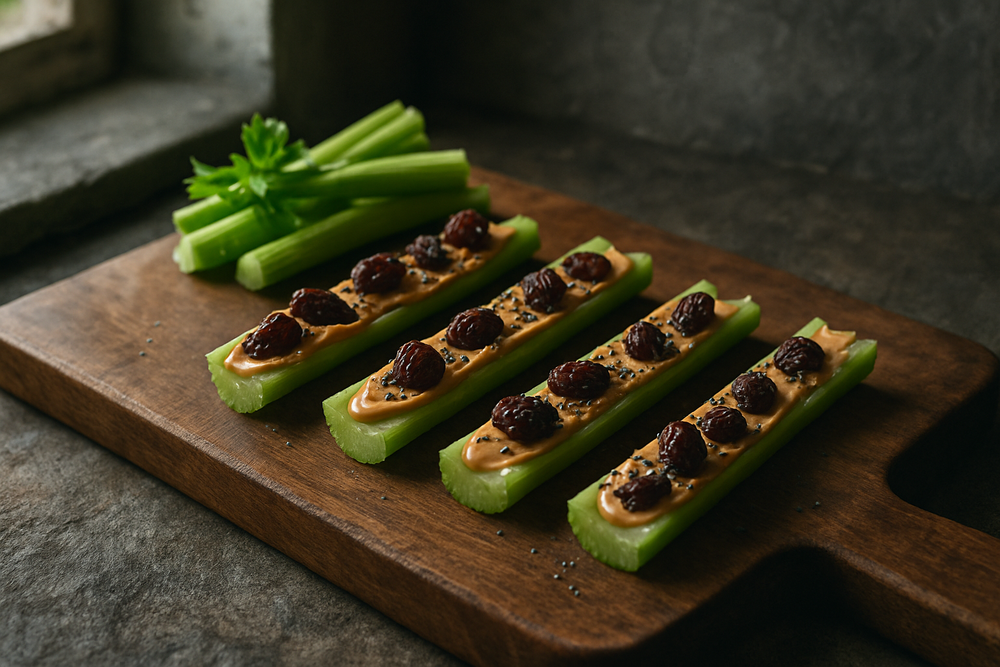
Celery + peanut butter: The healthy fats in peanut butter help absorb celery's fat-soluble vitamins like vitamin K and vitamin A, while providing protein to make it more satisfying.
Celery + carrots + onions (mirepoix): This classic cooking base maximizes antioxidant variety—carrots provide beta-carotene, onions add quercetin, and celery contributes phthalides for a synergistic effect.
Celery + tomatoes: Combined in soups or salads, this pairing offers complementary antioxidants—lycopene from tomatoes and flavonoids from celery—that may work better together than separately.
Buying guide
Fresh celery: Look for firm, crisp stalks with bright green color and fresh-looking leaves. Avoid stalks that are limp, have brown spots, or feel hollow. Organic varieties may have less pesticide residue.
Celery juice: If buying pre-made, check that it's 100% celery with no added sugars or preservatives. Cold-pressed options may retain more nutrients than heat-processed versions.
Frozen celery: Best for cooking applications like soups and stews. Loses crispness but retains most nutrients. Check that no salt or preservatives are added.
Celery supplements: Look for standardized extracts if choosing supplements, but whole food sources are generally preferable. Third-party testing ensures purity and potency.
Bottom line
Celery offers genuine nutritional value beyond its reputation as "negative calorie" food. The combination of essential nutrients like vitamin K and potassium, plus unique compounds like phthalides, makes it a worthwhile addition to a healthy diet. While research on specific health benefits continues to emerge, celery's safety profile and nutrient density make it an easy way to boost vegetable intake.
Focus on incorporating celery as part of a varied diet rather than expecting dramatic changes from this single ingredient. The most reliable benefits come from its established nutritional content—everything else is a potential bonus.
How Celery Compares
| Compared with | What's different |
|---|---|
| Celery vs. Celery Stalks | Thicker, fibrous stalks with a milder flavor and higher water content. |
| Celery vs. Celeriac (Celery Root) | The edible root of a specific celery variety, prized for its starchy, potato-like texture. |
| Celery vs. Chinese Celery | Stronger, peppery flavor and hollow stems, often used as a garnish or herb. |
Health Benefits
Things to Know
Blood thinners: Celery's high vitamin K content (37% DV per stalk) can interfere with warfarin and similar medications—consult your doctor before increasing intake significantly
Kidney disease: Monitor potassium intake if you have kidney problems and are consuming large amounts
Blood pressure medications: The potassium and phthalides may have additive effects—discuss high celery consumption with your healthcare provider
Allergies: Some people experience oral allergy syndrome, especially if allergic to birch pollen
Pregnancy and nursing: Normal food amounts are safe, but avoid medicinal doses or concentrated extracts
Pesticides: Consider organic celery if you're concerned about pesticide residue, as celery can retain agricultural chemicals
Shop This Ingredient
Stock your pantry with quality celery.
Buy on AmazonAs an Amazon Associate, Plantopedia earns from qualifying purchases. This costs you nothing extra and helps us keep the encyclopedia free.
Frequently Asked Questions
Heart and circulation Celery's combination of potassium, magnesium, and phthalides may support cardiovascular health through multiple pathways. The potassium content helps maintain normal heart rhythm, while phthalides appear to act as natural vasodilators—compounds that help relax blood vessel walls. Research suggests these compounds may support healthy blood pressure levels, though individual responses vary. The fiber content also contributes to heart health by helping manage cholesterol levels when consumed as part of a balanced diet. Digestive health and microbiome The fiber in celery supports digestive regularity and provides food for beneficial gut bacteria. While not as high in fiber as some vegetables, celery's combination of soluble and insoluble fiber contributes to overall digestive health. The high water content also aids in hydration, which is essential for proper digestive function. Some people find celery helpful for reducing bloating, though this effect varies individually and isn't supported by extensive clinical research. Blood sugar and metabolism Celery's low glycemic impact and fiber content make it a metabolically friendly food choice. The fiber helps slow sugar absorption, while the low calorie density supports healthy weight management. However, celery isn't a significant source of blood sugar-regulating compounds compared to other vegetables like leafy greens or berries. Inflammation and recovery The phenolic acids and flavonoids in celery demonstrate anti-inflammatory properties in laboratory studies. Compounds like apigenin and luteolin may help reduce inflammatory markers, though human clinical data is limited. Traditional use and preliminary research suggest celery may support recovery from exercise and general inflammatory processes, but more research is needed to confirm these effects.
Fresh whole stalks provide the complete nutritional package, including fiber and all water-soluble vitamins. Raw celery retains heat-sensitive vitamin C, while light cooking can make some compounds more bioavailable. Celery juice offers a concentrated dose of bioactive compounds—studies show juicing can increase flavonoid content by 17-41% and phenolic acids by 4-41%. However, you lose the beneficial fiber and consume more concentrated amounts of compounds and natural sugars. Celery root (celeriac) is technically a different part of the plant but provides similar compounds with more fiber and a different nutrient profile. One cup provides about 12.5mg vitamin C and significant fiber. Celery seed extract and standardized supplements concentrate specific compounds but lack the synergistic effects of whole foods and may provide doses beyond typical dietary intake.
No standardized daily dose exists for celery as a health food. Traditional dietary patterns suggest 1-4 medium stalks daily, or about 50-200mL of fresh juice, appear safe for most people. Start with 1-2 stalks daily to assess tolerance, especially if you're sensitive to high-fiber foods. For therapeutic purposes, some studies use concentrated extracts equivalent to much higher whole food amounts, but these should only be considered under healthcare guidance. Remember that variety in your diet is more important than focusing on any single food. The key is consistency—regular moderate consumption is likely more beneficial than occasional large amounts.
Quick Answers
Common questions, answered in a line.
Celery contains unique compounds called phthalides that may help relax artery walls and support healthy blood flow. These compounds, along with phenolic acids and flavonoids, provide antioxidant and anti-inflammatory properties that support overall cardiovascular health.
Celery is high in vitamin K, providing 37% of the Daily Value per stalk, which can interfere with the effectiveness of warfarin and other blood thinners. If you are taking these medications, you should consult your doctor before significantly increasing your celery intake.
Eating celery with peanut butter provides healthy fats that help your body absorb the vegetable's fat-soluble vitamins, such as vitamin K and vitamin A. This combination also adds protein, which makes the snack more satisfying and nutritionally balanced.
People with kidney disease should monitor their celery consumption because the vegetable contains potassium, which may need to be limited depending on their condition. It is especially important to watch intake if consuming large amounts of the vegetable.
Fresh celery should be firm and crisp with a bright green color and fresh-looking leaves. You should avoid any stalks that feel hollow, look limp, or have visible brown spots.
A mirepoix combines celery, carrots, and onions to create a synergistic antioxidant effect during cooking. In this classic base, carrots provide beta-carotene and onions add quercetin, which complement the phthalides found in celery.
Celery contains flavonoids like apigenin and luteolin, as well as polyacetylenes, which are natural compounds known for their anti-inflammatory effects. These bioactive compounds help manage inflammation and protect cells from damage.
For Readers in the USA
Local context — sourcing, seasonality, and regional notes.
Most American celery is grown in California and Michigan, with California providing a year-round supply and Michigan harvesting from July through October. While you can find it in US grocery stores 365 days a year, its peak freshness and lowest prices typically align with these regional harvest windows.
In the US, "Pascal" is the most common variety found in grocery stores like Kroger, Safeway, and Whole Foods, though "Chinese Celery" is frequently available at Asian markets. Pascal is prized for its thick, crunchy stalks, whereas Chinese Celery is thinner and often used for its more intense flavor in stir-fries.
The Environmental Working Group (EWG) frequently lists celery on its "Dirty Dozen," making it a popular choice for shoppers to buy with the USDA Organic seal to minimize pesticide exposure. Buying organic celery at major retailers ensures the product meets federal standards for synthetic pesticide and fertilizer use.
Celery is a staple of the American "Holy Trinity" in Creole and Cajun cooking, as well as the standard mirepoix used as a base for Thanksgiving stuffing and classic chicken noodle soup. Beyond cooking, it is culturally iconic in the US as an "Ants on a Log" snack for children and a mandatory garnish for Bloody Mary cocktails.
AI Clinical Review
- Celery is very low in calories, high in water, and contributes meaningful vitamin K, potassium, and some fiber. • It contains bioactive compounds (e.g., phthalides, apigenin, luteolin) that may support vascular function and exhibit antioxidant/anti‑inflammatory activity. • The discussion of forms is balanced: whole celery offers fiber; juicing concentrates some phytochemicals but removes fiber; light cooking can preserve nutrients. • Sensible cautions are noted—especially consistency with vitamin K for those on warfarin and awareness of allergy risk.
- Blood pressure effects are supported mainly by small studies and celery seed extract trials; high‑quality trials using typical food amounts are limited, so benefits are likely modest. • Anti‑inflammatory and recovery claims largely come from lab and animal data; human outcomes evidence remains sparse. • Increases in flavonoids with juicing reflect composition changes, not proven clinical advantages. • Digestive and microbiome benefits are plausible from fiber and hydration, but celery isn’t a high‑fiber standout compared with other vegetables.
- As food, 1–3 stalks (about 1/2–1 cup chopped) fits well in a varied diet; there’s no established “therapeutic dose.” • Form matters: whole celery provides fiber and satiety; juice removes fiber and may concentrate potassium and furanocoumarins (natural compounds that can increase sun sensitivity); seed/extracts deliver higher phthalide doses and are not the same as food. • Check with a clinician if you use warfarin or other blood thinners, have kidney disease or take potassium‑sparing drugs/ACE inhibitors/ARBs, or are pregnant/lactating—especially before using concentrated extracts. • Those with birch‑pollen or celery allergy, or with IBS sensitive to FODMAPs, may react; introduce gradually and monitor tolerance.
Frame as food education, not disease treatment.
References
- USDA FoodData Central nutrition database for celery (fdc.nal.usda.gov)
- NIH National Center for Complementary and Integrative Health on celery safety (nccih.nih.gov)
- Profile of Phenolic Compounds and Antioxidant Activity of Celery research (pmc.ncbi.nlm.nih.gov)
- WebMD comprehensive celery health benefits review (webmd.com)
- Mayo Clinic guidance on vitamin K and blood thinners (mayoclinic.org)
- Nutrition Facts analysis of celery benefits and side effects (nutritionfacts.org)
- LiveScience nutrition facts and health benefits overview (livescience.com)
- Journal of Food Science research on celery phytochemicals and processing effects
Know Your Numbers
Eating healthy is a start. Now get to know your biomarkers.
Food changes bloodwork — inflammation, lipids, blood sugar and nutrient status all respond to what you eat. 59 markers from $59.
- Results in 7–10 days at 2,000+ Quest sites
- Licensed provider reviews every result
- One flat price, no membership, HSA/FSA eligible
Educational information only, not medical advice. Panels are ordered and reviewed through our licensed partner; Plantopedia may earn a commission.