Ceylon Cinnamon — health benefits and uses
Prized in traditional medicine as a warming, blood-sugar-supporting bark.
The Short Answer
Ceylon cinnamon is a low-coumarin spice known as "true cinnamon" that may help regulate blood sugar and insulin sensitivity. Unlike common cassia cinnamon, it contains only trace amounts of liver-toxic coumarin, making it safer for regular consumption.

Ceylon Cinnamon · Photograph
Discover the science-backed Ceylon cinnamon health benefits and side effects, including how this low-coumarin "true" cinnamon may support blood sugar, heart health, and more — plus safe daily use tips and medication interactions to know.
Key Nutrients
% Daily Value based on 2,000 cal diet
Key active compounds in Ceylon cinnamon
- Cinnamaldehyde — The aromatic aldehyde that gives cinnamon its signature scent and flavor. In experimental models it shows antimicrobial, vasodilatory (blood vessel-relaxing), and glucose-regulating activity.
- Eugenol — A phenolic (plant chemical) compound also found in cloves. It displays anti-inflammatory, analgesic (pain-reducing), and antimicrobial properties in lab and animal studies.
- Procyanidins and polyphenols — Water-soluble condensed tannins and plant polyphenols that act as antioxidants and may influence carbohydrate-digesting enzymes and cellular signaling related to insulin sensitivity.
- Coumarin (trace only) — A fragrant benzopyrone compound that occurs naturally in some plants. At high doses it can be hepatotoxic (liver-damaging), but Ceylon cinnamon contains only trace levels, dramatically reducing this concern compared to cassia.
Prep and pairing ideas
Ceylon cinnamon's delicate, almost citrusy-sweet warmth pairs beautifully with foods that amplify its active compounds or complement its flavor:
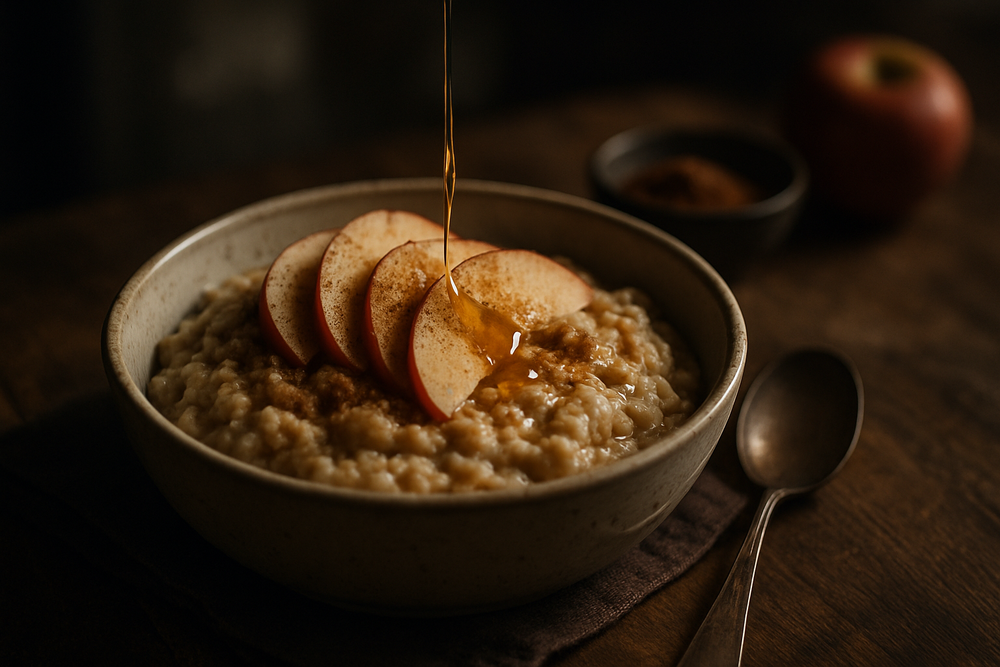
Oatmeal with apple and Ceylon cinnamon — The slow-release carbohydrates in oats already support steady blood sugar. Adding ½–1 teaspoon of Ceylon cinnamon and diced apple (for quercetin and additional fiber) creates a genuinely functional breakfast with layered flavor and overlapping blood sugar benefits.
Golden plant milk (Ceylon cinnamon + turmeric) — Simmer Ceylon cinnamon with turmeric, a pinch of black pepper, and oat or almond milk. Both spices have anti-inflammatory compound profiles; black pepper's piperine boosts curcumin (turmeric's key compound) absorption. A grounding, warm drink with no added sugar needed.
Spiced lentil soup — Ceylon cinnamon is a classic in South Asian and Middle Eastern lentil dishes. The cinnamon's subtle sweetness balances earthy lentils and warming spices, while the soluble fiber in lentils further supports blood sugar stability. This is one of the easiest ways to get a meaningful culinary dose without even noticing you're "taking" a health food.
Bottom line
Ceylon cinnamon is the rare spice that earns its reputation on both safety and science grounds. Its dramatically lower coumarin content compared to cassia makes it genuinely suitable for daily use without meaningful liver-toxicity concern. Human trials using Ceylon cinnamon extracts show modest but real improvements in fasting blood sugar, insulin resistance markers, and post-meal glucose control — particularly in people with type 2 diabetes or prediabetes. Early evidence suggests favorable effects on LDL cholesterol and triglycerides. Its antioxidant and anti-inflammatory compound profile is strong in the lab; human trial confirmation is still catching up.
For most healthy adults, stirring a teaspoon into oatmeal, tea, or a smoothie is a sensible, evidence-informed habit. Those using supplement doses — especially alongside blood sugar or blood-thinning medications — should do so with a clinician's awareness. Nothing on this page replaces individualized medical guidance.
Looking to explore how herbs and spices fit into a food-as-medicine routine? Browse our health goals hub for more practical ingredient guides tailored to your priorities.
How Ceylon Cinnamon Compares
| Compared with | What's different |
|---|---|
| Ceylon Cinnamon vs. Cassia Cinnamon | Contains much lower levels of coumarin, making it safer for daily or high-dose use. |
| Ceylon Cinnamon vs. Cloves | Has a milder, citrus-like sweetness compared to the spicy, numbing heat of cloves. |
Health Benefits
Things to Know
Blood sugar medications: Ceylon cinnamon extracts can modestly lower fasting and postprandial (after-meal) blood glucose. If you take insulin, metformin, sulfonylureas, thiazolidinediones, or SGLT2 inhibitors, supplemental doses could increase hypoglycemia (dangerously low blood sugar) risk. Always let your prescribing clinician know.
Blood thinners: Some cinnamon constituents may influence platelet activity and liver enzyme pathways. If you take warfarin, DOACs (direct oral anticoagulants), aspirin, or clopidogrel, consult your doctor before using high-dose supplements.
Liver conditions: Ceylon cinnamon is much lower in coumarin than cassia and poses a far smaller liver risk, but anyone with existing liver disease or elevated liver enzymes should still discuss supplement use with their healthcare provider before starting.
Pregnancy and breastfeeding: Culinary amounts are generally considered safe. Concentrated extracts or supplement doses lack adequate safety data during pregnancy; use with caution and seek professional guidance.
Children: Sprinkling cinnamon on food is fine; supplement forms are not well studied in children.
Cytochrome P450 interactions: Concentrated cinnamon extracts may theoretically affect how the liver processes certain medications. If you take multiple prescription drugs, ask your pharmacist or doctor about possible interactions.
Allergy and mouth sensitivity: A small number of people experience contact dermatitis or oral mucosal irritation from cinnamon. Start with small culinary amounts if you've had spice sensitivities before.
Cassia confusion: Always verify you are buying true Ceylon cinnamon if coumarin content is a concern — the visual, taste, and label differences are real and important.
Glossary
Shop This Ingredient
Stock your pantry with quality ceylon cinnamon.
Buy on AmazonAs an Amazon Associate, Plantopedia earns from qualifying purchases. This costs you nothing extra and helps us keep the encyclopedia free.
Frequently Asked Questions
Heart and circulation A systematic review and meta-analysis of cinnamon supplementation in people with type 2 diabetes (using doses from 120 mg to 6 g/day over 4–18 weeks, primarily cassia-based studies) found reductions in total cholesterol, LDL ("bad") cholesterol, and triglycerides, plus a modest increase in HDL ("good") cholesterol. Ceylon cinnamon specifically has shown reductions in atherogenic (plaque-promoting) LDL cholesterol in some studies, though much of this data comes from animal or mixed-species research. Cardiovascular evidence for Ceylon cinnamon as a standalone ingredient remains preliminary — think of any heart-health benefit as a welcome side effect of better blood sugar regulation rather than a direct mechanism proven in humans. Digestive health and microbiome Ceylon cinnamon may slow carbohydrate digestion by inhibiting pancreatic alpha-amylase — the enzyme that breaks starch down into sugars. In a crossover trial (where participants tried both the active ingredient and a placebo at different times), a single 1 g dose of hydro-alcoholic Ceylon cinnamon extract reduced the 0–60 minute blood glucose area under the curve (a measure of total blood sugar rise) after a starchy meal by about 21%, without triggering extra insulin. Practically speaking, this means cinnamon may act like a gentle "speed bump" on starch digestion. Direct evidence for effects on gut microbiome composition, bloating, or other digestive symptoms is currently lacking in human trials. Blood sugar and metabolism This is where the strongest human evidence sits for Ceylon cinnamon. A double-blind, placebo-controlled trial (the gold standard study design) in people with diabetes found that Ceylon cinnamon extract significantly reduced fasting plasma glucose (blood sugar measured after an overnight fast), HbA1c (a 2–3 month blood sugar average), and markers of insulin resistance, with good tolerability. A second randomized trial confirmed greater fasting blood sugar reductions with Ceylon cinnamon extract versus placebo, with the largest effect seen in people with type 2 diabetes. A broader meta-analysis of cinnamon (mixed species) in type 2 diabetes showed fasting glucose dropped by about 25 mg/dL on average, though effects on HbA1c were not statistically significant across all studies. The practical takeaway: Ceylon cinnamon may offer modest, meaningful blood sugar support as a dietary addition, but it is not a replacement for prescribed medication. Hormones and insulin signaling Two randomized trials with Ceylon cinnamon extract found improvements in insulin resistance markers and beta-cell function (the capacity of pancreatic cells to produce insulin effectively), alongside lower fasting glucose. These are promising signals for metabolic hormone health. However, the data are mostly short-term, and effects on broader hormonal markers — such as insulin levels, adipokines (hormones produced by fat tissue), or incretin hormones (gut hormones that regulate insulin release) — have not been well studied. This area is best considered emerging. Inflammation and recovery Lab and animal studies consistently show that cinnamaldehyde and procyanidins from cinnamon display anti-inflammatory and antioxidant activity. In human trials, however, inflammatory biomarkers like CRP (C-reactive protein, a blood marker of inflammation) and cytokines (immune signaling molecules) are rarely measured as primary outcomes. So while the compound profile strongly suggests anti-inflammatory potential, the direct human evidence is currently limited. Until well-designed trials measure these markers directly, anti-inflammatory benefits for Ceylon cinnamon should be viewed as promising rather than proven.
Buying guide: powder, sticks, tea, or extract? Ground Ceylon cinnamon powder is the most practical form for daily WFPB (whole-food, plant-based) use. It mixes easily into oatmeal, smoothies, yogurt alternatives, and baked goods. It provides fiber, polyphenols, and very low coumarin, and doses of 1–3 g/day used in cinnamon studies are easy to reach with a rounded teaspoon. Ceylon cinnamon sticks (quills) are lighter, thinner, and more loosely rolled than cassia sticks — a reliable visual sign you're buying the real thing. They're ideal for simmering in teas, plant milks, stews, or poaching liquid; remove before eating. Extraction is slower than with powder. Standardized extract capsules are the form used in clinical trials for glycemic control, typically at 500–1,000 mg per day or more. If you're considering capsules, look for products that specify Cinnamomum verum or Cinnamomum zeylanicum on the label, and ideally list a standardization marker (such as total polyphenols or cinnamaldehyde percentage). Avoid products that say only "cinnamon" — this almost always means cassia. Ceylon cinnamon tea or decoction is made by simmering a quill or ½ teaspoon of powder in water for 10–15 minutes. This is a gentle, daily-ritual-friendly delivery of water-soluble polyphenols and aromatic oils, and is well-suited for people who prefer not to take capsules. Label tips: Genuine Ceylon cinnamon is more expensive than cassia. If a price seems too good to be true, it's probably cassia. Look for country of origin (Sri Lanka, Madagascar, or the Malabar Coast of India), the Latin species name on the label, and a light tan or buff color in the powder rather than the dark reddish-brown of cassia.
For culinary use, ½–2 teaspoons (roughly 1.3–5 g) of ground Ceylon cinnamon per day is the range typically referenced in food-based guidance. At this level, coumarin intake remains well below the EFSA tolerable daily intake even for a 60 kg person. For supplement extracts, clinical trials have used roughly 120 mg to 6 g of cinnamon per day over 4–18 weeks. Most Ceylon-specific trials used extract doses around 500–1,000 mg daily. Extracts are more concentrated than culinary powder, so dose equivalences are not 1:1. Practical starting guidance: Start with ¼–½ teaspoon of ground Ceylon cinnamon on food or in tea, and increase gradually. For supplements, start at the lower end of the stated dose range and monitor blood sugar if you have diabetes or prediabetes. There is no officially established recommended dietary allowance (RDA) for cinnamon, so "more" is not automatically better — the evidence supports modest, consistent use rather than loading up. Effects on fasting blood sugar appear to accumulate over several weeks, so patience is appropriate before assessing results.
Quick Answers
Common questions, answered in a line.
Ceylon cinnamon is safer for the liver because it contains only trace levels of coumarin, a compound that can be hepatotoxic (liver-damaging) at high doses. In contrast, cassia cinnamon contains much higher levels of this fragrant benzopyrone.
Ceylon cinnamon may help manage diabetes by improving fasting blood sugar, insulin resistance markers, and post-meal glucose control. Human trials show these modest benefits particularly in individuals with type 2 diabetes or prediabetes.
Cinnamaldehyde is the aromatic aldehyde responsible for Ceylon cinnamon's signature scent and flavor. In experimental models, it has demonstrated antimicrobial, vasodilatory (blood vessel-relaxing), and glucose-regulating activities.
Ceylon cinnamon can be added to oatmeal with apples, simmered with turmeric and black pepper in plant milk, or stirred into spiced lentil soups. These pairings often use fiber or other spices to complement its flavor and blood sugar benefits.
People taking blood sugar medications, blood thinners, or those with existing liver conditions should consult a doctor before using Ceylon cinnamon supplements. Concentrated extracts may increase the risk of hypoglycemia or interact with how the liver processes certain drugs.
Ceylon cinnamon supports heart health by showing favorable effects on LDL cholesterol and triglycerides in early evidence. Additionally, its active compound cinnamaldehyde has shown vasodilatory or blood vessel-relaxing activity in experimental models.
Culinary amounts of Ceylon cinnamon are generally considered safe during pregnancy and breastfeeding. However, concentrated extracts and high-dose supplements lack adequate safety data and should be used with caution under professional guidance.
For Readers in the USA
Local context — sourcing, seasonality, and regional notes.
You can find Ceylon cinnamon at national grocers like Whole Foods Market, Sprouts Farmers Market, and Trader Joe's, or through specialized spice retailers like Penzeys. While standard supermarkets often carry "Cassia" or "Saigon" cinnamon, Ceylon is increasingly available in the organic or premium spice aisles.
When buying Ceylon cinnamon in the U.S., look for the USDA Organic seal and labels explicitly stating "Cinnamomum verum" or "Product of Sri Lanka." The USDA regulates organic labeling to ensure the spice is free from synthetic pesticides, which is particularly important if you are using it daily for health purposes.
While Ceylon cinnamon is imported year-round, it is most culturally prominent in the U.S. during the fall and winter holiday seasons, specifically from October through December. It is a staple ingredient in American holiday baking, featured in everything from Thanksgiving pumpkin pies to Christmas snickerdoodles and mulled cider.
AI Clinical Review
- Clearly distinguishes Ceylon (Cinnamomum verum) from cassia and explains why lower coumarin makes Ceylon the safer choice for frequent use.
- Summarizes the strongest human evidence around modest improvements in fasting and post‑meal blood glucose, while not overselling HbA1c effects.
- Provides practical dosing context (about ½–2 tsp culinary use; ~500–1,000 mg/day for standardized extracts used in trials) and realistic expectations that benefits accrue over weeks.
- Offers useful, consumer‑level guidance on forms (powder, quills, tea, extracts) and label cues to identify true Ceylon.
- Lipids and broader cardiovascular outcomes: some favorable signals exist, but many studies are short, small, and include mixed cinnamon species—so conclusions remain tentative.
- Anti‑inflammatory and antioxidant claims are biologically plausible from lab work, yet human trials rarely use inflammation markers as primary outcomes.
- Digestive/microbiome benefits and enzyme inhibition findings are based on acute or early‑stage data; long‑term clinical relevance is uncertain.
- Hormone and insulin‑signaling improvements (e.g., beta‑cell function) are promising but need larger, longer Ceylon‑specific trials.
- Safety: culinary amounts are generally safe for healthy adults; avoid assuming “more is better.” Standardized extracts warrant more caution than food use.
- Medications: cinnamon can lower glucose modestly—people on insulin or oral hypoglycemics should watch for hypoglycemia and coordinate with their clinician; potential interaction concerns also apply to anticoagulants.
- Special populations: those with liver disease, pregnant or breastfeeding individuals, and children should stick to culinary amounts unless advised otherwise.
- Product choice: verify species (C. verum/C. zeylanicum) and reputable sourcing; “cinnamon” without species listed is often cassia, which is higher in coumarin. Cinnamon is a complement to, not a replacement for, prescribed therapy and lifestyle care.
Lower coumarin than cassia, making it safer for frequent use.
References
- USDA FoodData Central — Spices, cinnamon, ground (nutrient data) (fdc.nal.usda.gov)
- Randomized double-blind placebo-controlled trial: Ceylon cinnamon extract in diabetes — fasting glucose, HbA1c, insulin resistance (pubmed.ncbi.nlm.nih.gov)
- Randomized trial: Cinnamomum zeylanicum extract effects on fasting blood sugar and lipid parameters (pubmed.ncbi.nlm.nih.gov)
- Acute crossover trial: Ceylon cinnamon extract reduces post-meal blood glucose via alpha-amylase inhibition (ncbi.nlm.nih.gov)
- Meta-analysis: Cinnamon supplementation in type 2 diabetes — fasting glucose, cholesterol, triglycerides (pmc.ncbi.nlm.nih.gov)
- Review: Assessment of coumarin levels in ground cinnamon and safety considerations (pmc.ncbi.nlm.nih.gov)
- Study: Ceylon vs cassia cinnamon — blood glucose, LDL cholesterol, and cardiometabolic effects (pmc.ncbi.nlm.nih.gov)
- Food safety article: Coumarin concern in cinnamon — comparison of Ceylon and cassia levels (factssa.com)
- NIH NCCIH — Cinnamon safety overview and herb-drug interactions (nccih.nih.gov)
- Tandfonline journal: Quantification of coumarin in cinnamon and EFSA regulatory limits (tandfonline.com)
Know Your Numbers
Eating healthy is a start. Now get to know your biomarkers.
Food changes bloodwork — inflammation, lipids, blood sugar and nutrient status all respond to what you eat. 59 markers from $59.
- Results in 7–10 days at 2,000+ Quest sites
- Licensed provider reviews every result
- One flat price, no membership, HSA/FSA eligible
Educational information only, not medical advice. Panels are ordered and reviewed through our licensed partner; Plantopedia may earn a commission.