Chipotle — health benefits and uses
Used in Mexican cooking as a warming, appetite-stimulating chili.
The Short Answer
Chipotle is a smoked, dried jalapeño pepper that provides 132 mcg of vitamin A and 2.9g of fiber per tablespoon. It contains capsaicin, a compound linked to modest benefits for metabolism and heart health.
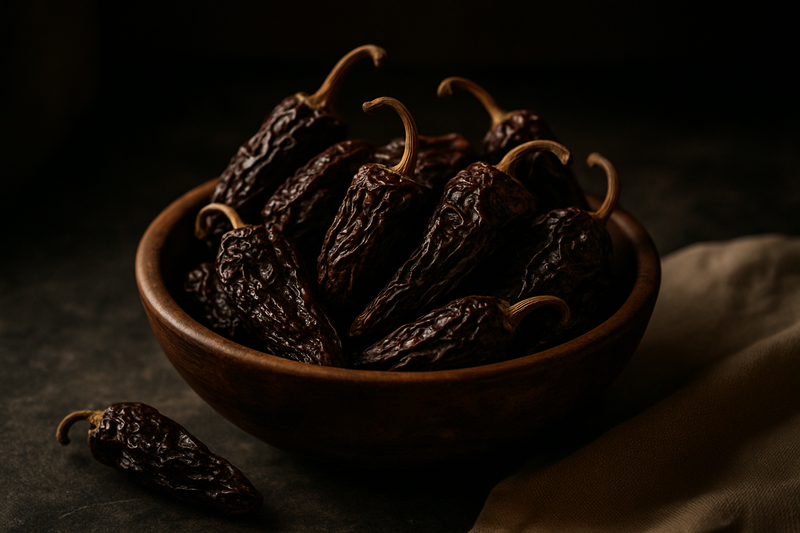
Chipotle · Photograph
Discover the chipotle pepper health benefits and side effects: what the research says about capsaicin, heart health, metabolism, digestion, and who should go easy on this smoky spice.
Key Nutrients
% Daily Value based on 2,000 cal diet
Key active compounds
- Capsaicin — The dominant capsaicinoid (heat compound) in chili peppers. Activates a receptor in the body called TRPV1, which influences pain perception, energy expenditure, and fat metabolism. The subject of most human trials on chili peppers and health.
- Dihydrocapsaicin — A close relative of capsaicin, also present in chipotle in smaller amounts. May share similar thermogenic (heat-producing, calorie-burning) effects, though it's less studied.
- Carotenoids (capsanthin, beta-carotene) — The pigments that give dried red chilies their deep color. Many have provitamin A activity (meaning the body can convert them into vitamin A). Reasonably well preserved through smoking and drying.
- Polyphenols — A broad family of plant antioxidant compounds. Present in chipotle, though the specific profile hasn't been thoroughly characterized in the scientific literature.
Prep and pairing ideas
Chipotle is versatile far beyond Mexican cooking. Here are three practical ways to work it into a plant-forward diet:
1. Chipotle + black beans + lime The classic combination. A small whole dried chipotle (or ½ tsp ground) added to a pot of black beans while they cook infuses deep smoky heat throughout. The beans' fiber blunts the GI impact of capsaicin for most people, and the acid from fresh lime at the end brightens all the flavors. This is arguably the most nutrient-dense, budget-friendly way to use chipotle regularly.
2. Chipotle + roasted sweet potato + tahini Ground chipotle mixed with olive oil as a roasting glaze for sweet potatoes creates a sweet-heat contrast. A tahini drizzle (sesame paste) adds calcium and healthy fats, and the fat helps absorb chipotle's fat-soluble carotenoids more efficiently — a pairing that's both practical and nutritionally synergistic.
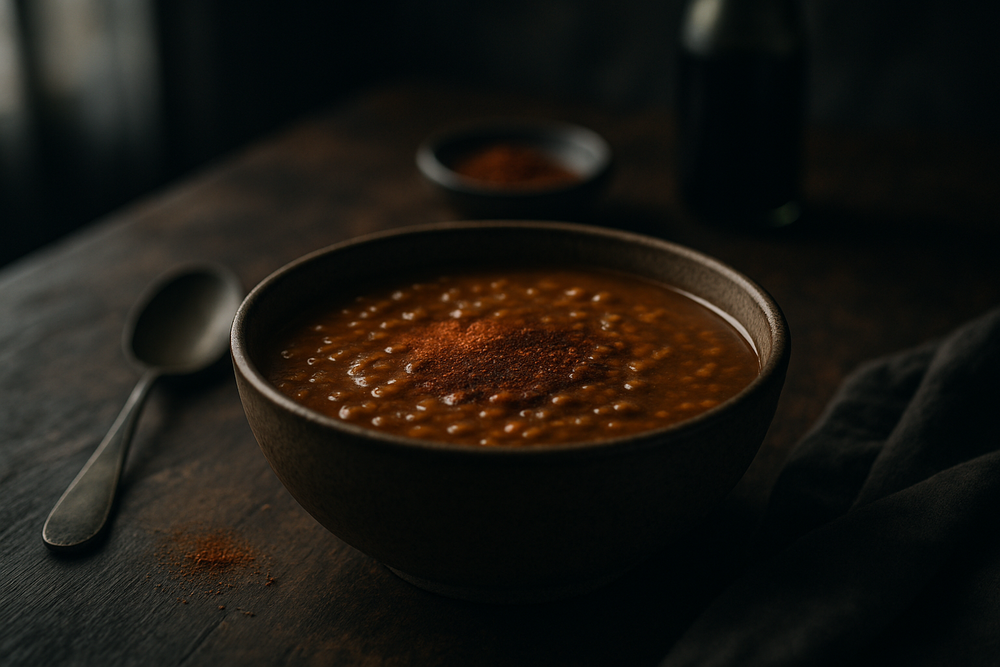
3. Chipotle + lentil soup + smoked paprika A pinch of ground chipotle alongside smoked paprika in a lentil soup adds complexity without overwhelming heat. Lentils' plant-based iron pairs well with chipotle's vitamin C (still present in dried form), which can modestly improve non-heme iron absorption from plant foods.
Bottom line
Chipotle pepper is a deeply flavorful, nutritionally meaningful spice — a concentrated source of provitamin A carotenoids, vitamin K, fiber, potassium, and capsaicin in a very small, low-calorie package. The strongest human evidence supports modest cardiometabolic benefits (particularly modest reductions in LDL cholesterol and body weight) from regular dietary capsaicin, though effect sizes are small and most research covers chili peppers broadly rather than chipotle specifically. Blood-sugar benefits are not supported by current evidence.
For healthy adults, using chipotle regularly in cooking — especially paired with fiber-rich legumes and vegetables — is a low-risk, high-flavor way to add bioactive compounds to the diet. People with GI sensitivity, GERD, IBS-D, or who are pregnant should tread carefully. Watch sodium if you're using canned chipotle in adobo sauce.
Chipotle isn't medicine. It's a whole plant spice that earns its place at the table on flavor alone — and happens to bring a respectable nutritional résumé with it.
Explore ingredients by what they support: Browse our goals and health focus pages to find plant foods matched to specific wellness goals.
How Chipotle Compares
| Compared with | What's different |
|---|---|
| Chipotle vs. Cayenne pepper | Higher heat and fruity notes without the distinct wood-smoke flavor of chipotle. |
| Chipotle vs. Smoked paprika | Similar smokiness but made from mild bell peppers with zero capsaicin heat. |
| Chipotle vs. Jalapeño pepper | The fresh version of the pepper, containing more vitamin C but less concentrated fiber. |
Health Benefits
Things to Know
GI sensitivity: Capsaicin is a mucosal irritant at higher doses. People with GERD (gastroesophageal reflux disease — chronic acid reflux), peptic ulcers, gastritis, IBS-D (irritable bowel syndrome with predominant diarrhea), or active inflammatory bowel disease flares should introduce chipotle very cautiously or avoid it altogether.
Pregnancy: Heartburn is common in pregnancy; spicy foods including chipotle can worsen it. Use sparingly and observe your own response.
Children: More sensitive to capsaicin heat; introduce only in very small amounts in family cooking.
Sodium load: If using canned chipotle in adobo, monitor total sodium intake carefully — especially relevant for people with hypertension, kidney disease, or heart failure.
PAH exposure: Smoked foods can contain polycyclic aromatic hydrocarbons (PAHs) — compounds formed during smoking that are of concern with very high, long-term consumption. Culinary amounts of chipotle used as a spice fall well within what is considered moderate and prudent, but sourcing from producers who control smoking temperatures is a reasonable precaution.
Medication interactions:
NSAIDs (e.g., ibuprofen) or corticosteroids already raise GI risk; combining with hot chili may compound mucosal irritation.
Proton pump inhibitors or H2 blockers for reflux may be partially offset by regular spicy food intake.
People on anticoagulants (blood thinners) should avoid severe GI irritation that could theoretically increase bleeding risk.
Those on antihypertensive medications should account for sodium in commercial adobo products.
Glossary
Shop This Ingredient
Stock your pantry with quality chipotle.
Buy on AmazonAs an Amazon Associate, Plantopedia earns from qualifying purchases. This costs you nothing extra and helps us keep the encyclopedia free.
Frequently Asked Questions
Heart and circulation Human observational studies in the US, China, and Italy consistently associate regular chili consumption with lower rates of cardiovascular disease death and illness compared with little or no chili intake. At a mechanistic level, capsaicin activates TRPV1 receptors in blood vessel walls, which may improve how the body handles fats in the blood. Systematic reviews and meta-analyses (pooled analyses of multiple clinical trials) of capsaicin from chili peppers and supplements report modest but statistically significant reductions in total cholesterol and LDL (low-density lipoprotein — sometimes called "bad" cholesterol) in people with metabolic syndrome or overweight/obesity. Effect sizes are small. Chipotle also contributes potassium and carotenoids, both of which support vascular health as part of a broader dietary pattern. Bottom line here: The data are promising but observational, meaning we can't yet say chili consumption causes better heart outcomes. Chipotle can be a useful piece of a heart-healthy diet, not a standalone intervention. Digestive health and microbiome Chipotle, like other dried chilies, provides fiber and capsaicin that can stimulate saliva production and gastric secretions, supporting normal digestive motility (the movement of food through the gut) in healthy adults. General guidance suggests up to about one teaspoon of moderate-heat ground chili per day is well tolerated by most people with healthy GI (gastrointestinal) tracts. However, there are no clinical trials specifically on chipotle's effect on the gut microbiome. And the very compounds that stimulate digestion in a healthy gut can irritate an already-inflamed one — see the cautions section below. Blood sugar and metabolism This is where the data gets nuanced. A meta-analysis of 14 randomized controlled trials (RCTs — the gold-standard trial design) of long-term dietary capsaicin found no clinically meaningful effect on fasting blood glucose compared with placebo. Chipotle should not be promoted as a blood-sugar-lowering spice based on current evidence. Where the metabolism story is stronger is weight management. A separate systematic review and meta-analysis of 15 RCTs (762 participants total) found that capsaicin intake was associated with small but consistent reductions in BMI (body mass index — a weight-to-height ratio), body weight, and waist circumference in overweight and obese adults. The proposed mechanism is thermogenesis — capsaicin increases energy expenditure through TRPV1 and AMPK signaling (molecular switches that regulate how cells use energy). Culinary amounts of chipotle deliver lower capsaicin doses than most trials used, but may still contribute a mild thermogenic nudge when used regularly to season fiber-rich dishes. Inflammation and recovery Human evidence for direct anti-inflammatory effects of dietary capsaicin is limited and mostly indirect. Some cardiometabolic studies suggest reductions in inflammatory markers alongside improved lipid profiles, but causality is unclear. Most anti-inflammatory evidence for capsaicin comes from cell and animal studies showing TRPV1-mediated modulation of inflammatory pathways. Chipotle likely shares these properties given its capsaicin content, but has not been evaluated in clinical anti-inflammatory trials on its own.
Whole dried chipotle peppers are the least processed option. A typical serving of one to three peppers (about 10–30 g) gives you fiber, carotenoids, vitamin K, potassium, and a concentrated dose of capsaicin. They're ideal for slow-cooking in beans, braises, and stews, where they can be removed before serving or blended in. Ground chipotle powder is the easiest to measure and dose. Commercial labels show about 5 calories per ¼ teaspoon (0.8 g), with trace fat and small micronutrient amounts per serving. This is the most practical everyday form — you can start with a pinch and build up. Chipotle in adobo sauce is where the health picture gets more complicated. The peppers themselves are nutritious, but they're packed in a tomato-vinegar sauce that typically contains around 950 mg of sodium per serving — nearly half the daily recommended limit in one go. For blood pressure management or heart failure, this is a meaningful concern. Choose low-sodium versions when available, or use just the chipotle pepper while rinsing away excess adobo sauce.
For most healthy adults, the following culinary ranges are considered safe and practical: Ground chipotle powder: ¼ to 1 teaspoon per day (approximately 0.8–2 g), starting at the lower end if you're not accustomed to spicy food. Whole dried chipotle peppers: 1–2 peppers per recipe or per day (approximately 10–20 g total), used in slow-cooked dishes. Chipotle in adobo: 1 pepper plus a small amount of sauce per recipe; be mindful of cumulative sodium. Start low, go slow. Capsaicin sensitivity varies significantly between individuals. If you experience burning, cramping, or digestive discomfort, reduce the amount or frequency. There is no established "therapeutic dose" of chipotle specifically — the evidence base is for chili peppers and capsaicin broadly. For children, people new to spicy food, or anyone with the GI conditions listed above, even smaller amounts (an eighth of a teaspoon of ground powder stirred into a full pot of food) may be more appropriate.
The plant-based home cook building flavor without salt Dried chipotle delivers extraordinary depth of flavor with negligible calories. A useful tool for reducing reliance on added salt in beans, soups, and grain bowls. The fiber and carotenoids contribute real micronutrient value, especially when chipotle is a regular part of the rotation. The person managing weight who wants satisfying, spicy food Capsaicin's modest thermogenic and appetite-regulating effects may offer a small edge when paired with a fiber-rich, whole-food diet. Smoky heat increases meal satisfaction, which may reduce the urge to overeat blander, higher-calorie foods. Ground chipotle powder seasons large quantities of food for almost zero caloric cost.
Quick Answers
Common questions, answered in a line.
Chipotle peppers are rich in capsaicin, carotenoids like beta-carotene, and polyphenols. These compounds provide a concentrated source of provitamin A, vitamin K, and potassium, which contribute to the spice's overall nutritional resume.
Regular intake of capsaicin, the active compound in chipotle, is linked to modest reductions in LDL cholesterol and body weight. Most human evidence suggests these cardiometabolic benefits occur when chili peppers are a consistent part of the diet.
Capsaicin in chipotle peppers influences energy expenditure and fat metabolism by activating the TRPV1 receptor in the body. This thermogenic effect can lead to modest reductions in body weight, though current evidence does not support blood-sugar benefits.
People with GERD, IBS-D, peptic ulcers, or gastritis should avoid chipotle as capsaicin is a mucosal irritant. Those taking blood thinners, NSAIDs, or blood pressure medication (if using high-sodium adobo versions) should also consult a professional or use caution.
You can increase chipotle's health benefits by pairing it with healthy fats like tahini to help absorb fat-soluble carotenoids. Adding it to fiber-rich black beans or lentils also helps blunt the digestive impact of capsaicin while improving non-heme iron absorption.
Canned chipotle in adobo sauce can be very high in sodium, which is a concern for people with hypertension, kidney disease, or heart failure. Additionally, because it is a smoked food, it may contain polycyclic aromatic hydrocarbons (PAHs) if consumed in very high amounts.
For Readers in the USA
Local context — sourcing, seasonality, and regional notes.
You can buy chipotle peppers at most major US grocery chains like Kroger, Walmart, and Whole Foods, usually found in the Hispanic foods aisle as canned "in adobo" or in the spice section as a powder. For whole dried pods (morita or meco), look to local Mexican mercados or specialty online retailers.
In the US, chipotle peppers are primarily produced in the Southwest and California, though the majority are imported from Mexico where the jalapeño growing season peaks in late summer and fall. Domestically grown jalapeños are typically harvested from August through October before being smoked and dried into chipotles.
While both are smoked jalapeños, the "Morita" is the most common variety sold in the US, known for being dark red and slightly soft, whereas the "Meco" is tan, dryer, and has a more intense smoky flavor. Most canned chipotles in American supermarkets use the Morita variety due to its milder, fruitier profile.
The USDA Organic seal on chipotle products ensures the peppers were grown without synthetic pesticides and processed without irradiation, which is important for those prioritizing clean-label spices. Additionally, the FDA regulates the labeling of "adobo sauce" to ensure ingredients like vinegar and salt meet food safety standards.
AI Clinical Review
- Chipotle is accurately described as a smoke‑dried jalapeño that concentrates fat‑soluble carotenoids, vitamin K, fiber, and potassium while remaining very low in calories.
- The summary of human research on capsaicin is balanced: small, statistically significant reductions in LDL cholesterol and body weight/BMI are possible, but effects are modest.
- It correctly notes that current meta‑analyses do not support a meaningful blood‑sugar–lowering effect from dietary capsaicin.
- Practical tips (pairing with legumes and small amounts of fat) are sensible and can enhance tolerance and carotenoid absorption.
- Most data come from studies of chili peppers/capsaicin generally, not chipotle specifically; culinary doses are often lower than doses used in trials.
- Observational links between chili intake and cardiovascular outcomes cannot prove causation; lifestyle and dietary patterns may confound results.
- Human evidence for anti‑inflammatory effects is limited; much of the mechanistic support comes from cell/animal work rather than clinical endpoints.
- Gut microbiome impacts remain unclear, with no chipotle‑specific clinical trials to date.
- Reasonable use for most adults: about 1/4–1 teaspoon ground chipotle per day or 1–2 whole dried peppers, adjusted to personal heat tolerance.
- Chipotle in adobo can be very high in sodium (often around 900–1,000 mg per labeled serving); this matters for people with hypertension, kidney disease, or heart failure.
- Capsaicin can aggravate reflux, ulcers, IBS‑D, and IBD flares; pregnant individuals (prone to heartburn) and children may need very small amounts or avoidance.
- Smoked foods may contain PAHs; typical culinary use is modest, but sourcing from producers that control smoking temperatures is prudent.
- If you use NSAIDs or corticosteroids (higher GI risk) or take anticoagulants, monitor for GI irritation and discuss persistent symptoms with a clinician.
Moderate-to-hot; capsaicin can irritate sensitive stomachs.
References
- USDA FoodData Central — Chipotle pepper nutritional data (per 100 g dried) (fdc.nal.usda.gov)
- Chipotle pepper nutrition overview — Pepperscale (pepperscale.com)
- Capsaicin for cardiometabolic syndrome: multitarget mechanisms and clinical evidence — Frontiers in Nutrition (2026 review) (frontiersin.org)
- Dietary capsaicin and cardio-metabolic health — PMC (human trials review) (pmc.ncbi.nlm.nih.gov)
- Effects of capsaicin on weight loss in overweight and obese adults: systematic review and meta-analysis of RCTs — British Journal of Nutrition (cambridge.org)
- Dry chili use and digestive health guidance (thelivinglook.com)
- Chipotle in adobo sauce — sodium and nutrition facts (El Mexicano product label) (heb.com)
- Chipotle pepper ingredient and safety overview — Chefadora (chefadora.com)
- Capsicum frutescens active compounds including capsaicin and carotenoids — Ask Ayurveda reference (ask-ayurveda.com)
- Chipotle (smoked jalapeño) — Wikipedia overview of origin, processing, and composition (en.wikipedia.org)
Know Your Numbers
Eating healthy is a start. Now get to know your biomarkers.
Food changes bloodwork — inflammation, lipids, blood sugar and nutrient status all respond to what you eat. 59 markers from $59.
- Results in 7–10 days at 2,000+ Quest sites
- Licensed provider reviews every result
- One flat price, no membership, HSA/FSA eligible
Educational information only, not medical advice. Panels are ordered and reviewed through our licensed partner; Plantopedia may earn a commission.