Harissa — health benefits and uses
Used across North Africa as a warming, appetite-stimulating condiment.
The Short Answer
Harissa is a North African chili paste that provides 15 mg of vitamin C and 320 IU of vitamin A per tablespoon. Its health benefits stem from capsaicin for metabolism and organosulfur compounds from garlic for heart health.
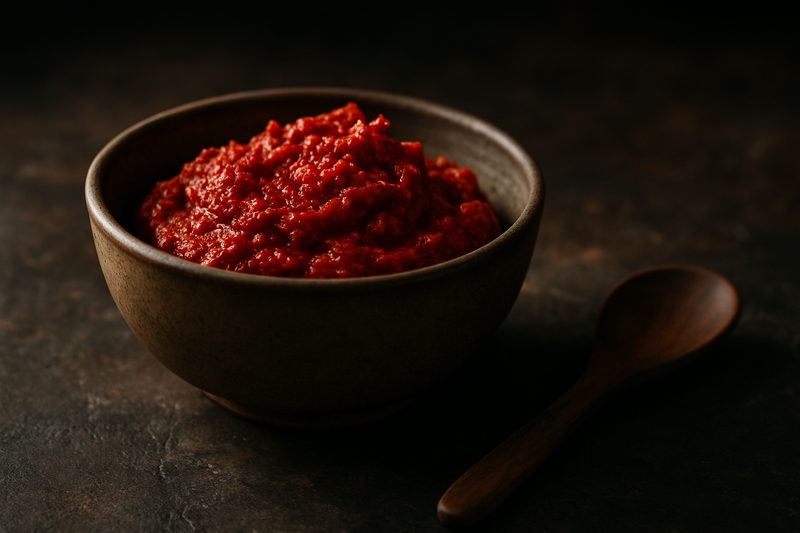
Harissa · Photograph
Discover harissa paste health benefits and how to use it in everyday meals. Learn about its antioxidants, anti-inflammatory compounds, nutrition facts per tablespoon, safety considerations, and the best oil-light options for a whole-food plant-based diet.
Key Nutrients
% Daily Value based on 2,000 cal diet
Key active compounds in harissa
Harissa's health-relevant properties come almost entirely from its plant-food building blocks. Here are the most studied:
- Capsaicin — A pungent alkaloid (a naturally occurring nitrogen-containing compound) found in chili peppers. Responsible for harissa's heat, capsaicin has been shown in experimental and some human studies to increase energy expenditure, influence pain signalling, and exhibit anti-inflammatory and antioxidant effects.
- Carotenoids (e.g., beta-carotene, capsanthin) — Pigments that give red chilies their colour. Beta-carotene is a provitamin A carotenoid, meaning the body can convert it to vitamin A. Carotenoids act as antioxidants and support immune function and eye health.
- Vitamin C (ascorbic acid) — Red and orange chili peppers are among the richest food sources of vitamin C, an antioxidant that supports immune defence, collagen synthesis, and iron absorption.
- Flavonoids — A family of polyphenolic compounds (antioxidant plant chemicals) present in peppers and spices. Associated in population studies with lower rates of cardiovascular disease and inflammation.
- Organosulfur compounds (e.g., allicin-related compounds) — Bioactive sulfur-containing molecules released when garlic is crushed or blended. Linked in human studies of garlic to modest benefits for blood pressure, cholesterol, and immune function. Present in harissa in smaller amounts than in a raw garlic clove.
- Cumin and coriander phytosterols and terpenoids — Minor but meaningful contributors to harissa's antioxidant and carminative (gas-reducing) properties.
Buying guide: choosing the right harissa
Fresh vs. dried chilies: Fresh harissa has a brighter, slightly more grassy heat. Dried-chili harissa is smokier and more concentrated. Both are nutritionally comparable; dried versions may have slightly higher carotenoid concentration per gram.
Label tips for jarred harissa:
- Sodium: aim for under 150–180 mg per tablespoon if eating daily
- Ingredients list: whole red peppers or dried chilies should be listed before salt or oil
- Oil content: olive oil is preferable to refined seed oils; look for versions where oil appears near the end of the ingredient list (meaning less of it)
- Additives: a short ingredient list (peppers, garlic, spices, oil, salt) is a good sign; avoid versions with many stabilisers or artificial colouring
- Heat level: mild harissa allows larger servings for those sensitive to capsaicin, without sacrificing the antioxidant benefits
Supplement note: Harissa is not sold as a supplement, and there is no reason to take it in capsule form. Whole-food paste consumed culinarily is the appropriate delivery method.
Prep and pairing ideas
Harissa's smoky depth makes it one of the more versatile condiments in a plant-based kitchen:
- Stir into cooked lentils or chickpeas with a squeeze of lemon and fresh herbs — the fat in the paste helps carry fat-soluble carotenoids into the body more effectively (a practical reason to use oil-containing harissa rather than zero-fat versions).
- Blend into hummus or white bean dip for a roasted-pepper, spiced version that needs no extra seasoning.
- Thin with lemon juice or yoghurt (dairy or plant-based) to make a quick dressing for grain bowls, roasted cauliflower, or shredded cabbage slaws.
- Rub onto tofu, tempeh, or vegetables before roasting — the paste caramelises beautifully at high heat and forms a flavourful crust.
- Swirl into tomato-based soups and stews in the last five minutes of cooking to preserve the volatile aromatic compounds and vitamin C, which degrade with prolonged heat.
Three practical pairings and why:
- Harissa + chickpeas + lemon: The fat in harissa improves absorption of fat-soluble carotenoids; vitamin C from harissa and lemon enhances non-haem (plant-based) iron absorption from chickpeas — a useful nutritional synergy.
- Harissa + roasted sweet potato + tahini: Beta-carotene from both harissa and sweet potato; tahini adds calcium and healthy fats; the combination of spice and fat promotes carotenoid bioavailability.
- Harissa + whole grain couscous + fresh coriander: Cumin and coriander in the harissa echo and amplify the earthy grain notes; fresh coriander adds extra vitamin C and a brightness that balances the heat.
Bottom line
Harissa is one of the more nutritionally interesting condiments you can keep in your kitchen. It is low in calories, built from whole plant foods, and delivers a meaningful dose of vitamin C, carotenoids, and bioactive compounds from chili, garlic, and spice in every tablespoon. Its evidence base for specific health outcomes is indirect — based on its component ingredients rather than harissa-specific clinical trials — but the compounds are real, the flavour is exceptional, and the practical benefit of making plant-based eating more satisfying and varied is genuinely significant.
Choose oil-light or homemade versions to keep fat and calories in check, and pay close attention to sodium when buying jarred products. Use 1–2 tablespoons daily as a flavour base rather than a supplement, and pair it with legumes, grains, and vegetables where it can do the most culinary — and nutritional — good.
If you are looking for a smarter, whole-food alternative to heavily processed hot sauces or sodium-laden condiments, harissa is a well-reasoned choice.
Looking for more ways to use anti-inflammatory ingredients in everyday cooking? Browse the Plantopedia anti-inflammatory goals guide for practical meal ideas and ingredient pairings.
How Harissa Compares
| Compared with | What's different |
|---|---|
| Harissa vs. Sriracha | Sweeter and more acidic, usually containing sugar and vinegar rather than dry spices. |
| Harissa vs. Chili Oil (Lao Gan Ma) | Higher oil content and uses Sichuan peppercorns for a numbing sensation rather than cumin. |
| Harissa vs. Za'atar | A dried spice blend containing sesame seeds and sumac without the garlic or pepper paste base. |
Health Benefits
Things to Know
Capsaicin sensitivity varies widely.: Start with a small amount (½ teaspoon) if you are new to spicy foods or have a sensitive stomach.
Acid reflux and GERD (gastroesophageal reflux disease): Spicy foods are a common trigger. If you experience heartburn or regurgitation, harissa may worsen symptoms. Try oil-light, milder versions in small quantities, or avoid during flare-ups.
IBS and inflammatory bowel disease: Garlic is a high-FODMAP food (FODMAP = fermentable oligosaccharides, disaccharides, monosaccharides and polyols — types of short-chain carbohydrates that can trigger gut symptoms in sensitive people). Chili is also a common IBS trigger. If you follow a low-FODMAP diet, use harissa cautiously and in small amounts.
Sodium restriction: Individuals with hypertension (high blood pressure), heart failure, or chronic kidney disease who are limiting sodium should choose homemade or explicitly low-sodium harissa and account for it in their daily sodium budget.
Anticoagulant medications (e.g., warfarin): Large garlic intakes have been linked to enhanced antiplatelet (blood-thinning) effects. A tablespoon of harissa contains far less garlic than therapeutic garlic doses, but those on blood thinners should flag high overall garlic consumption to their prescriber.
NSAIDs (e.g., ibuprofen, aspirin): Spicy foods can irritate the stomach lining; combining harissa with NSAIDs — which also irritate the gut — may increase discomfort. Take NSAIDs with food and consider reducing harissa on those days.
Pregnancy: Heartburn is common during pregnancy and spicy condiments can worsen it. Harissa is not unsafe in culinary amounts, but sensitivity often increases during pregnancy.
Children: Infants and young children are more sensitive to capsaicin and should not be given harissa.
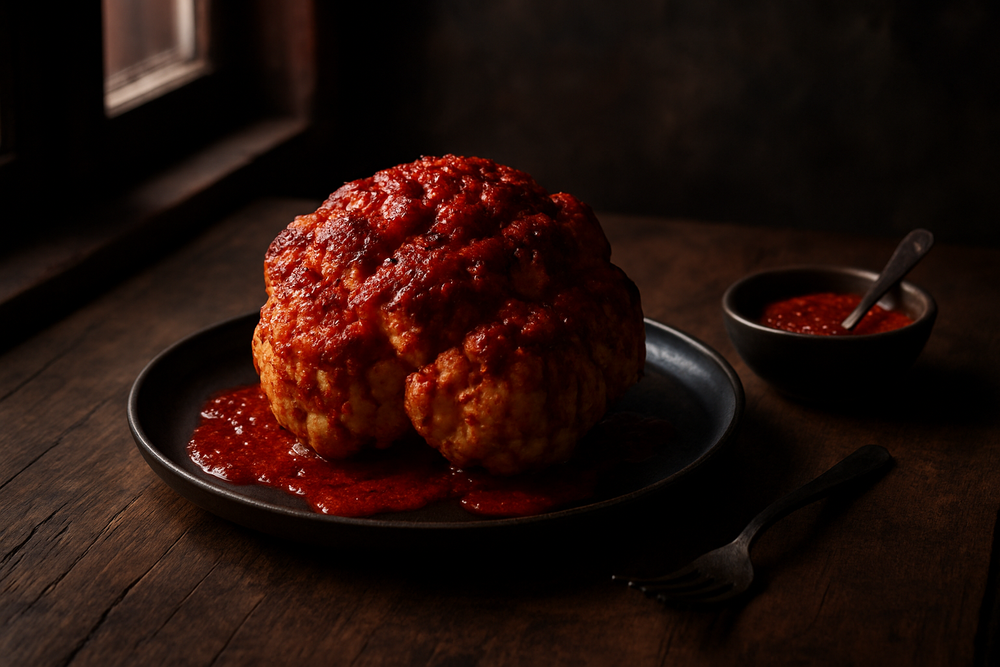
Prep Ideas
- — **Stir into cooked lentils or chickpeas** with a squeeze of lemon and fresh herbs — the fat in the paste helps carry fat-soluble carotenoids into the body more effectively (a practical reason to use oil-containing harissa rather than zero-fat versions).
- — **Blend into hummus or white bean dip** for a roasted-pepper, spiced version that needs no extra seasoning.
- — **Thin with lemon juice or yoghurt** (dairy or plant-based) to make a quick dressing for grain bowls, roasted cauliflower, or shredded cabbage slaws.
- — **Rub onto tofu, tempeh, or vegetables** before roasting — the paste caramelises beautifully at high heat and forms a flavourful crust.
- — **Swirl into tomato-based soups and stews** in the last five minutes of cooking to preserve the volatile aromatic compounds and vitamin C, which degrade with prolonged heat.
- — **Harissa + chickpeas + lemon:** The fat in harissa improves absorption of fat-soluble carotenoids; vitamin C from harissa and lemon enhances non-haem (plant-based) iron absorption from chickpeas — a useful nutritional synergy.
- — **Harissa + roasted sweet potato + tahini:** Beta-carotene from both harissa and sweet potato; tahini adds calcium and healthy fats; the combination of spice and fat promotes carotenoid bioavailability.
- — **Harissa + whole grain couscous + fresh coriander:** Cumin and coriander in the harissa echo and amplify the earthy grain notes; fresh coriander adds extra vitamin C and a brightness that balances the heat.
Glossary
Shop This Ingredient
Stock your pantry with quality harissa.
Buy on AmazonAs an Amazon Associate, Plantopedia earns from qualifying purchases. This costs you nothing extra and helps us keep the encyclopedia free.
Frequently Asked Questions
Harissa is not a medicine and has not been tested in human clinical trials as a standalone intervention. The potential benefits below are based on its component ingredients — chili peppers, garlic, and spices — which have been studied in humans. Effects at typical condiment-level servings (1–2 tablespoons a day) are likely modest. Heart and circulation No clinical trials have directly tested harissa for cardiovascular outcomes. However, human studies on chili peppers and garlic — two of harissa's primary ingredients — show modest reductions in blood pressure and LDL cholesterol at meaningful intakes. Garlic's organosulfur compounds and chili capsaicin may support healthy endothelial function (the health of the inner lining of blood vessels). From a practical standpoint, using harissa as a flavour base can reduce reliance on salt-heavy sauces, cream-based dressings, and processed condiments. This dietary substitution effect may have more real-world cardiovascular impact than the paste's direct bioactive content — especially if you choose a low-sodium, oil-light version. Evidence here is indirect and should be considered emerging. Digestive health and microbiome Garlic contains prebiotics — dietary fibres and fructooligosaccharides that selectively feed beneficial gut bacteria. Spices like cumin and coriander have long traditional use as carminatives (substances that ease bloating and gas) and some preliminary human data support digestive comfort benefits. Capsaicin has a more complex relationship with digestion: it can stimulate gastric motility (the movement of food through the gut) and may improve digestion in some people, while in others — particularly those with acid reflux, gastritis, or irritable bowel syndrome (IBS) — it can worsen symptoms. Effects are highly individual and dose-dependent. See the safety section for more detail. Blood sugar and metabolism Studies of capsaicin and capsaicin-containing meals in humans show small, transient improvements in post-meal blood glucose (blood sugar after eating) and modest increases in thermogenesis (calorie burning) and satiety (feeling of fullness). Cumin has also shown small blood sugar-lowering effects in some human trials. These effects are unlikely to be large at a 1–2 tablespoon serving of harissa, but the paste is very low in carbohydrates and calories, so it is unlikely to raise blood sugar adversely either. For people managing their weight, harissa's ability to make lower-calorie plant-based meals more flavourful and filling may be its most practical metabolic benefit. Inflammation and recovery Capsaicin, carotenoids, vitamin C, and flavonoids all have anti-inflammatory properties documented in laboratory and some human studies. Garlic's organosulfur compounds have been associated with reductions in C-reactive protein (CRP — a blood marker of systemic inflammation) in several human trials of garlic supplements, though the amounts in a tablespoon of harissa are far smaller than those used in supplement studies. No human trial has measured harissa's direct effect on inflammation markers. The anti-inflammatory contribution is real but should be understood as one modest piece of an overall anti-inflammatory dietary pattern — not as a standalone remedy.
Harissa comes in several forms, each with different nutritional trade-offs: Traditional homemade paste (dried or fresh chilies, garlic, spices, a small amount of olive oil): The most nutritionally transparent option. You control the oil and salt, and the phytochemical content is highest when made with quality fresh or recently dried chilies. Best for WFPB and cardiometabolic goals. Commercial jarred paste (mild or hot): Convenient and shelf-stable, but sodium can be significantly higher — sometimes 200–290 mg per tablespoon. Look for versions with sodium under 150 mg per tablespoon and minimal added oil. Read the ingredients list: whole chilies and spices should be the first items, not salt or sunflower oil. Dry harissa spice blend: An oil-free and often lower-sodium option. Mix with a small amount of water, lemon juice, or tomato purée to make a quick paste. Good for those watching calorie or fat intake. Less traditional in flavour but highly versatile as a dry rub. Oil-light or reduced-sodium harissa: Some newer commercial products and recipe versions reduce oil to a trace amount and cut salt. These align most closely with WFPB eating and heart health goals while retaining the flavour compounds that matter most.
There is no established therapeutic dose for harissa. In culinary contexts, 1–2 tablespoons (15–30 g) per day is a typical and well-tolerated range for most healthy adults. Some North African dishes use considerably more — closer to 3–4 tablespoons — but that level also increases sodium intake substantially with commercial products. Practical guidance: Start low if you are new to spicy food or have digestive sensitivities: ½ teaspoon stirred into a dish is enough to explore the flavour without overwhelming heat. Build up gradually. Capsaicin tolerance increases with regular exposure; what is painfully hot in week one may feel pleasantly warm by week three. Watch sodium. If you use commercial harissa daily, factor the sodium into your total daily intake. Two tablespoons of a high-sodium commercial paste could add 360–580 mg of sodium — a significant portion of the 2,300 mg daily limit for most adults. No upper safe limit has been defined for harissa specifically. Let GI comfort and sodium budget guide your amount.
Quick Answers
Common questions, answered in a line.
Harissa contains capsaicin, carotenoids like beta-carotene, vitamin C, flavonoids, and organosulfur compounds from garlic. These plant-based chemicals are associated with antioxidant and anti-inflammatory effects, as well as support for immune function and eye health.
You can stir harissa into lentils or chickpeas, blend it into hummus, use it as a rub for tofu and vegetables, or thin it with lemon juice for a grain bowl dressing. Adding it to tomato-based soups in the final minutes of cooking helps preserve its vitamin C and aromatic compounds.
Eating harissa with chickpeas and lemon creates a nutritional synergy where the fat in the paste helps you absorb carotenoids, while the vitamin C boosts iron absorption. Another beneficial pairing is harissa with sweet potato and tahini to maximize beta-carotene bioavailability.
Individuals with acid reflux, GERD, or IBS may need to avoid harissa, as spicy chilies and garlic are common triggers for heartburn and gut symptoms. Those on blood-thinning medications or sodium-restricted diets should also be cautious due to the garlic and salt content.
When buying jarred harissa, look for a sodium count under 150–180 mg per tablespoon and ensure whole peppers or dried chilies are listed before salt or oil. Choose versions using olive oil rather than refined seed oils, and avoid products with unnecessary stabilizers or artificial colors.
Capsaicin, the compound that gives harissa its heat, has been shown in studies to increase energy expenditure and influence pain signaling. It also exhibits antioxidant properties and may help reduce inflammation within the body.
Fresh harissa typically offers a brighter, grassy heat, while versions made with dried chilies are smokier and more concentrated. While nutritionally comparable, dried-chili versions may have a slightly higher concentration of carotenoids per gram.
For Readers in the USA
Local context — sourcing, seasonality, and regional notes.
You can find harissa at major U.S. retailers like Trader Joe’s, Whole Foods Market, and Kroger, typically located in the international aisle or near the hot sauces. Look for popular brands like Mina or NYSHUK, which are widely distributed across the United States.
While most jarred harissa is imported from North Africa or France, U.S. growers in California, New Mexico, and Arizona produce the red Anaheim and Fresno chilies often used in domestic small-batch versions. The ingredients are available year-round, but peak season for the fresh chilies used in homemade U.S. harissa is late summer through early fall.
Harissa is increasingly popular in U.S. fast-casual dining, appearing as a signature flavor at chains like CAVA and Mediterranean-inspired bistros in major cities like New York and Los Angeles. It is frequently used in these settings as a "harissa vinaigrette" or a spicy spread for grain bowls and pita wraps.
When shopping in the U.S., look for the USDA Organic seal to ensure the chilies and spices were grown without synthetic pesticides, and check the Nutrition Facts panel for FDA-regulated sodium daily values. American brands often offer "mild" or "spicy" designations to cater to varying heat preferences in the domestic market.
AI Clinical Review
- Accurately presents harissa as a whole‑food condiment that’s low in calories yet provides vitamin C, carotenoids, and other plant compounds.
- Appropriately notes that health effects are inferred from ingredients (chili, garlic, spices) and are likely modest at typical 1–2 tablespoon servings.
- Fair summary of capsaicin’s small effects on metabolism/satiety and garlic’s modest cardiovascular benefits seen in human studies, without overstating outcomes.
- Practical guidance on sodium variability and the advantages of homemade or reduced‑sodium, oil‑light products is sound and clinically relevant.
- No trials test harissa itself; extrapolating from individual ingredients may overestimate benefits because doses in a tablespoon are small and recipes vary.
- Heat and storage can reduce vitamin C, so nutrient contributions depend on preparation and when the paste is added to a dish.
- Digestive and microbiome effects are mixed: capsaicin and garlic can be helpful for some and irritating for others; individual tolerance is key.
- Cardiometabolic findings (blood pressure, LDL, post‑meal glucose) are generally small and short‑term; long‑term clinical significance remains uncertain.
- Start with a small amount (about 1/2 teaspoon) and increase as tolerated; consider mild or oil‑light versions if sensitive to heat or fat.
- People with GERD/heartburn, gastritis, IBS/IBD, or those using NSAIDs may experience GI irritation and should use cautiously or pause during flares.
- If you have hypertension, heart failure, or kidney disease, check labels and favor <150–180 mg sodium per tablespoon, especially with daily use.
- Those on anticoagulants/antiplatelet therapy should be mindful of overall garlic intake; pregnancy can heighten heartburn, and harissa isn’t suitable for infants due to capsaicin sensitivity.
Choose oil-light versions; contains chili heat.
References
- USDA FoodData Central — nutrition database for whole and processed foods (fdc.nal.usda.gov)
- Harissa paste nutrition facts and calorie estimates — NutriScan (nutriscan.app)
- Harissa nutrition data — SnapCalorie (snapcalorie.com)
- Capsaicin and energy expenditure: human trial evidence — meta-analysis context (pangbenta.com)
- Homemade harissa paste: ingredients and traditional preparation — Chili Pepper Madness (chilipeppermadness.com)
- Traditional Tunisian harissa recipe and ingredient breakdown — Daring Gourmet (daringgourmet.com)
- Fresh chili harissa: nutrition facts by ingredient — Serious Eats (seriouseats.com)
- Commercial harissa sodium and macro content — Tesco product label (tesco.com)
- Mild harissa dried chili paste nutrition — EatThisMuch (eatthismuch.com)
- Garlic organosulfur compounds and cardiometabolic effects — NIH National Center for Complementary and Integrative Health (nccih.nih.gov)
Know Your Numbers
Eating healthy is a start. Now get to know your biomarkers.
Food changes bloodwork — inflammation, lipids, blood sugar and nutrient status all respond to what you eat. 59 markers from $59.
- Results in 7–10 days at 2,000+ Quest sites
- Licensed provider reviews every result
- One flat price, no membership, HSA/FSA eligible
Educational information only, not medical advice. Panels are ordered and reviewed through our licensed partner; Plantopedia may earn a commission.