Dates — health benefits and uses
Fiber + phytonutrients; use as a whole-food sweet, snack, or smoothie base
The Short Answer
Dates are highly nutritious dried fruits that provide 6.7g of fiber and 696mg of potassium per 100g serving, supporting heart health and digestion. They are best used as a natural sweetener in smoothies, oatmeal, or stuffed with nuts for a balanced snack.

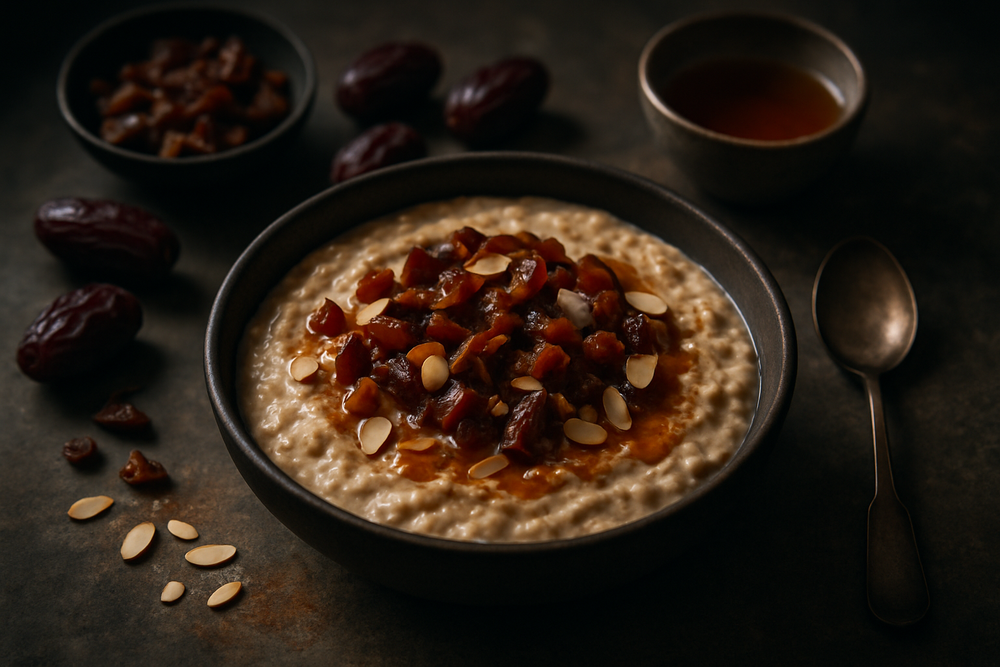
Dates · Photograph
Dates from the Phoenix dactylifera palm have been prized for thousands of years as both food and medicine. These naturally sweet fruits pack impressive amounts of fiber, potassium, and antioxidant compounds that may support heart health, digestion, and overall wellness.
Key Nutrients
% Daily Value based on 2,000 cal diet
Key active compounds
Dates contain several bioactive compounds that contribute to their potential health effects:
• Flavonoids - Including quercetin and apigenin, which act as antioxidants • Phenolic acids - Such as ferulic acid and p-coumaric acid that help neutralize free radicals • Carotenoids - Fat-soluble antioxidants that may support immune function • Anthocyanins - Water-soluble pigments with anti-inflammatory properties • Tannins - Polyphenolic compounds that provide antioxidant activity • Saponins - Natural compounds that may help regulate blood sugar (early research)
Prep and pairing ideas
Dates work well: • Stuffed with nuts - Almonds or walnuts add protein and healthy fats • Chopped into oatmeal - Provides natural sweetness and extra fiber • Blended into smoothies - Creates creamy texture and natural sweetening • Paired with cheese - Balances the sweetness with protein and fat • In homemade energy bars - Combined with seeds and other dried fruits
The natural stickiness makes dates excellent for binding ingredients in no-bake recipes.
Bottom line
Dates offer legitimate nutritional benefits as a source of fiber, potassium, and antioxidant compounds. The research suggests potential support for heart health, digestion, and recovery, though more human clinical trials would strengthen the evidence base.
For most people, 1-3 dates daily can be a nutritious addition to a balanced diet. Those with diabetes, digestive sensitivities, or specific medical conditions should start conservatively and monitor their individual response.
The key is viewing dates as part of an overall healthy eating pattern rather than expecting dramatic health changes from any single food.
Buying guide
Fresh vs. dried considerations: • Fresh dates are lower in calories but have limited availability and shelf life • Dried dates concentrate nutrients and store well at room temperature • Both forms provide similar health compounds
Label reading tips: • Look for dates without added sugars (they're naturally sweet enough) • Organic options may have fewer pesticide residues • Check for sulfur dioxide if you have sulfite sensitivities • Pitted varieties save preparation time but cost more per pound
How Dates Compares
| Compared with | What's different |
|---|---|
| Dates vs. Prunes | Higher in calories and sugar but contains more potassium and fiber per serving. |
| Dates vs. Medjool Dates | Softer and larger with a maple-like sweetness compared to the firmer, smaller Deglet Noor. |
| Dates vs. Fresh Jujubes | A fresh fruit with a crisp texture and honey-like flavor, containing significantly more water. |
Health Benefits
Things to Know
Blood sugar impact: - Start with small portions (1 date) if you have diabetes or pre-diabetes
Digestive sensitivity - The high fiber content may cause gas or bloating if you increase intake too quickly
Potassium content - Those on potassium-restricted diets should account for the 696mg per 100g
Calorie density - Dried dates are calorie-dense; factor into overall daily intake
Medication timing - High fiber foods can potentially affect medication absorption if taken simultaneously
Shop This Ingredient
Stock your pantry with quality dates.
Buy on AmazonAs an Amazon Associate, Plantopedia earns from qualifying purchases. This costs you nothing extra and helps us keep the encyclopedia free.
Frequently Asked Questions
Research on dates shows promise in several health areas, though most studies are compositional or mechanistic rather than large human trials. Heart and circulation Dates may support cardiovascular health through their high potassium and low sodium content. This mineral profile is considered optimal for blood pressure regulation. The copper content also supports healthy red blood cell production and circulation. The antioxidant compounds in dates, particularly phenolic acids, show free radical scavenging activity that may help protect blood vessels from oxidative stress. However, human clinical trials specifically testing dates for heart health are limited. Digestive health and microbiome The 7 grams of fiber per 100-gram serving can support digestive regularity and may promote beneficial gut bacteria growth. The mix of soluble and insoluble fiber helps add bulk to stool and may ease constipation when consumed as part of adequate daily fluid intake. Blood sugar and metabolism Despite being high in natural sugars (70% carbohydrates), dates contain compounds that may help moderate blood sugar response. The fiber content can slow sugar absorption, while polyphenols and saponins show potential blood sugar regulating effects in early research. People with diabetes should still monitor portions carefully, as the glycemic impact varies by individual and depends on what dates are eaten with. Inflammation and recovery Laboratory studies show date extracts have antioxidant activity greater than vitamin C in some tests. The phenolic compounds may help reduce inflammatory markers, though human studies are needed to confirm these effects in real-world conditions.
Athletes and active individuals may find dates particularly useful because they provide: • Quick-acting natural sugars for energy • Essential amino acids for muscle recovery • Potassium to replace electrolytes lost through sweat People with digestive concerns might benefit from dates' fiber content, which can: • Support regular bowel movements • Provide prebiotics for gut bacteria • Help maintain digestive tract health when part of a varied diet
Whole dried dates are the most studied form and provide concentrated nutrition with good shelf stability. Popular varieties include: • Medjool dates - Large, soft, and sweet • Deglet Noor - Smaller, firmer, with translucent skin • Zahidi dates - Golden color with firm texture Fresh dates contain more water and fewer calories per serving, but can be harder to find and have shorter storage life. Date juice or extracts appear in some research on antioxidant activity, but lack the fiber benefits of whole fruit.
Most research doesn't establish specific therapeutic doses, but practical guidelines suggest: • Start small - Begin with 1 date per day to assess tolerance • Typical range - 1-3 dates daily (25-75g) for most healthy adults • Active individuals - May tolerate 3-5 dates, especially around workouts • Monitor response - Pay attention to blood sugar, digestive comfort, and overall calorie intake Timing matters too. The natural sugars make dates useful before or after physical activity, but may be less ideal on an empty stomach for those with blood sugar sensitivities.
Quick Answers
Common questions, answered in a line.
Dates are rich in several antioxidant compounds, including flavonoids like quercetin, phenolic acids, carotenoids, and anthocyanins. These bioactive substances help neutralize free radicals and provide anti-inflammatory and immune-supporting properties.
Those with diabetes should start with small portions, such as one date, to monitor their individual response. While dates contain saponins that may help regulate blood sugar, they are also calorie-dense and naturally sweet, necessitating caution for those managing glucose levels.
The high fiber content in dates can cause gas or bloating if you increase your daily intake too quickly. To avoid digestive sensitivity, it is recommended to introduce them into your diet gradually and monitor how your body responds.
Dates contain high amounts of potassium—approximately 696mg per 100g—which may support heart health and overall wellness. However, individuals on potassium-restricted diets should carefully account for this concentration when incorporating dates into their meals.
Fresh dates are lower in calories and have a shorter shelf life, while dried dates have concentrated nutrients and can be stored easily at room temperature. Both varieties offer similar health-promoting compounds, but dried versions are more calorie-dense.
Dates are excellent for no-bake recipes because their natural stickiness helps bind other ingredients together. They are commonly used in homemade energy bars, blended into smoothies for texture, or stuffed with nuts to balance sweetness with protein.
When buying dates, look for options without added sugars and check the label for sulfur dioxide if you have sulfite sensitivities. You may also consider organic varieties to minimize pesticide residues or pitted versions for quicker preparation.
For Readers in the USA
Local context — sourcing, seasonality, and regional notes.
The Coachella Valley in California and the Yuma area of Arizona are the primary regions where dates are commercially grown in the United States. These desert climates provide the intense heat and irrigation needed for varieties like Medjool and Deglet Noor to thrive.
In the US, fresh date harvests typically occur from late August through early October, though dried dates are available year-round at major retailers. You can find them in the produce or bulk sections of stores like Whole Foods, Trader Joe's, and Safeway.
Medjool dates are the most popular variety in the US due to their large size and caramel-like flavor, followed by the firmer Deglet Noor. While Medjools are often sold whole in the produce aisle, Deglet Noors are frequently found pitted or chopped for baking.
Look for the USDA Organic seal to ensure dates were grown without synthetic pesticides, as dates are often imported and subject to various international farming standards. The FDA regulates dates as a raw agricultural commodity, ensuring they meet US food safety guidelines.
AI Clinical Review
- Dates are nutrient-dense: they provide meaningful fiber and potassium, plus polyphenol (plant) antioxidants, which plausibly support digestion and heart health when eaten in moderation. • The piece appropriately frames dates as a supportive food—not a cure-all—and offers practical pairing ideas that can blunt glucose rises and improve satiety. • It accurately notes that whole dried dates are the most studied and that varieties differ in size, texture, and sweetness; fresh dates have more water and fewer calories.
- Cardiometabolic outcomes: most data come from composition analyses or short-term studies; we lack larger, well-controlled human trials showing reduced blood pressure, cholesterol, or cardiovascular events from eating dates alone. • Glycemic impact: responses vary by variety and portion. Some date types have a low-to-moderate glycemic index, but glycemic load rises quickly with larger servings; long-term improvements in A1c or insulin sensitivity aren’t well established. • Pregnancy and labor: a few small studies suggest potential benefits late in pregnancy, but findings are inconsistent; use as food is fine, but decisions about labor preparation should be made with your obstetric clinician. • Protein quality: while dates contain all essential amino acids, total protein is low (~2 g per 100 g). They’re not a meaningful protein source.
- Portion guidance: 1–3 dates per day suits many adults; one large Medjool equals roughly 60–70 calories and 15–18 g carbohydrate—plan for this in your daily carb budget. • Diabetes/prediabetes: monitor post-meal glucose and consider pairing dates with protein or fat to slow absorption; individual responses differ. • Potassium awareness: people with chronic kidney disease or those taking ACE inhibitors, ARBs, or potassium‑sparing diuretics should check with a clinician before frequent intake. • Form matters: whole dates (and ground “date sugar” made from whole fruit) retain fiber; date syrups/juices lack fiber and act more like added sugar.
Frame as food education, not disease treatment.
References
- USDA FoodData Central - Date nutrition facts (fdc.nal.usda.gov)
- Chemical composition and effective compounds of dates study (ffhdj.com)
- Date Fruit Composition and Nutrition research (dateshub.org)
- Therapeutic Power of Date Fruit clinical review (pmc.ncbi.nlm.nih.gov)
- Nutritional Value for Athletes study (scirp.org)
- Date fruit chemical and nutritional compounds review (ifst.onlinelibrary.wiley.com)
- Functional food composition analysis (frontiersin.org)
- Mayo Clinic - Nutrition and healthy eating guidelines (mayoclinic.org)
Know Your Numbers
Eating healthy is a start. Now get to know your biomarkers.
Food changes bloodwork — inflammation, lipids, blood sugar and nutrient status all respond to what you eat. 59 markers from $59.
- Results in 7–10 days at 2,000+ Quest sites
- Licensed provider reviews every result
- One flat price, no membership, HSA/FSA eligible
Educational information only, not medical advice. Panels are ordered and reviewed through our licensed partner; Plantopedia may earn a commission.