Fermented Honey Garlic — health benefits and uses
A folk-remedy pairing of two traditional immune foods, mellowed by fermentation.
The Short Answer
Fermented honey garlic is a preserved infusion known for its antimicrobial properties and prebiotic fiber. It is safe to consume when the pH level remains below 4.6, which prevents the growth of botulism-causing bacteria.
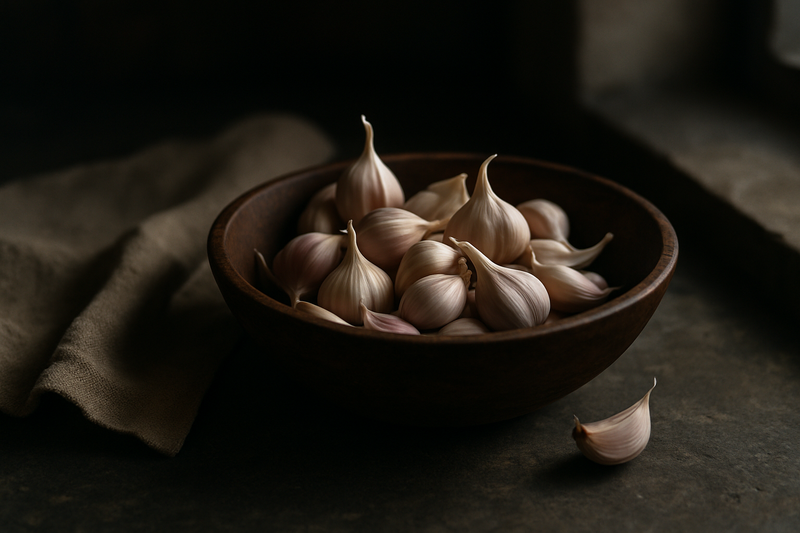
Fermented Honey Garlic · Photograph
Discover the fermented honey garlic health benefits and safety essentials — from immune and gut support to botulism risk, dosage, and who should avoid it. Evidence-based, layperson-friendly guide.
Key Nutrients
% Daily Value based on 2,000 cal diet
Key active compounds
- Allicin and related organosulfur compounds — Sulfur-containing molecules (including ajoene and diallyl sulfides) formed when garlic is crushed or chopped. They show antimicrobial, antioxidant, and vasodilatory (blood-vessel-relaxing) activity in experimental models. Fermentation may gradually convert some allicin into other organosulfur forms.
- Fructooligosaccharides (FOS) and inulin-type fibers — Short-chain carbohydrates naturally present in garlic that act as prebiotics (food for beneficial gut bacteria). They survive fermentation and reach the colon largely intact.
- Honey polyphenols (flavonoids and phenolic acids) — Plant-derived antioxidant compounds such as quercetin and chrysin found in raw honey. These contribute to honey's antimicrobial and anti-inflammatory activity.
- Organic acids from fermentation — Mainly lactic acid, with possible small amounts of acetic and gluconic acid. These lower the pH of the jar, help preserve the ferment, and may modulate microbial activity in the gut.
- Enzymes — Raw honey contains diastase, invertase, and glucose oxidase. Glucose oxidase generates small amounts of hydrogen peroxide, which contributes to honey's antimicrobial properties. Heat above roughly 40 °C (104 °F) degrades these enzymes, so keeping the ferment at room temperature preserves them.
Buying guide: what to look for
Most fermented honey garlic is home-made. When buying commercially, look for these markers:
- "Raw honey" clearly stated — this indicates unpasteurized, enzyme-intact honey
- pH below 4.6 — reputable producers may state this; it is the threshold below which Clostridium botulinum cannot produce toxin
- "Naturally fermented" or "live culture" — prefer products without added vinegar or preservatives that are used to artificially mimic fermentation
- Dark glass jar — protects polyphenols from light degradation
- Ingredient list: garlic and honey only — no additives needed in an authentic fermented product
If you are making your own, pH test strips (available inexpensively online) are strongly recommended. You want to confirm pH below 4.6 before consuming.
Prep and pairing ideas
On sourdough toast with olive oil — A single fermented clove, lightly crushed, spreads easily. The tangy-sweet flavor pairs with good olive oil and replaces butter. Adds prebiotic fiber to a fiber-rich base.
Stirred into miso-lemon salad dressing — One teaspoon of fermented honey with a minced fermented clove replaces both sweetener and raw garlic in any vinaigrette. The acidity is already built in.
In warm broth or herbal tea — Stir a teaspoon of fermented honey into warm (not boiling) broth or ginger tea. Keeps enzymes intact and adds a savory-sweet note. This is the classic cold-season comfort use.
Common pairing logic: All three pairings above keep the ingredient unheated or gently warmed to preserve heat-sensitive compounds, integrate it into meals rather than making it a supplement, and complement the sweet-tangy-savory flavor profile.
Bottom line
Fermented honey garlic is a genuinely interesting whole-food condiment that brings together two well-studied ingredients in a live-culture format. The plausible benefits — immune support, modest cardiovascular and anti-inflammatory effects, and prebiotic fiber for gut health — are supported by research on garlic and honey individually, even if no trials have tested this exact preparation.
What makes it worth considering is also what requires respect: this is a home ferment that involves real food safety steps. Keep cloves submerged, use raw honey, monitor your pH, and never give it to infants. For healthy adults who are not on blood thinners or diabetes medications, a culinary-sized daily serving is a low-risk, flavorful addition to a whole-food eating pattern — especially during cold and flu season.
It is not a cure or a supplement replacement. It is a condiment with a good track record and a reasonable evidence base.
How Fermented Honey Garlic Compares
| Compared with | What's different |
|---|---|
| Fermented Honey Garlic vs. Raw Garlic | Higher sugar content and prebiotics from raw honey; garlic is mellowed by fermentation. |
| Fermented Honey Garlic vs. Black Garlic | Milder flavor with higher antioxidant levels but lacks the sweetness and active honey enzymes. |
| Fermented Honey Garlic vs. Pickled Garlic | Typically contains vinegar and salt, whereas honey garlic relies on honey's sugars for fermentation. |
Health Benefits
Things to Know
Never give to infants under 12 months.: Honey in any form — raw, cooked, or fermented — carries a risk of infant botulism because babies lack the gut flora to prevent Clostridium botulinum spores from germinating. This is a firm, evidence-based restriction.
Keep garlic fully submerged.: Any garlic above the honey surface is in an anaerobic (oxygen-free), low-acid environment — the ideal conditions for botulism toxin production. Use a small weight or press cloves down daily during early fermentation.
Verify pH.: Properly fermented honey garlic typically reaches pH 3.5–4.2. If your batch has not acidified below 4.6 and has an off smell or mold, discard it.
Blood thinners (anticoagulants).: Garlic can increase bleeding tendency and may potentiate the effects of warfarin, direct oral anticoagulants (DOACs), aspirin, and clopidogrel. Consult your pharmacist or doctor before adding regular garlic intake if you are on these medications.
Antihypertensive medications.: Garlic may modestly lower blood pressure; combined with medication, this could occasionally cause dizziness or hypotension (low blood pressure) in sensitive individuals.
Diabetes and blood sugar medications.: Honey raises blood glucose. Do not use medicinal-sized servings without guidance if you use insulin or oral glucose-lowering medications.
IBS, reflux, or garlic intolerance.: Garlic is high in FODMAPs (fermentable short-chain carbohydrates) that commonly trigger IBS symptoms. Start with a very small amount and monitor your response.
Pregnancy and breastfeeding.: Moderate culinary use of garlic and honey is generally considered safe, but medicinal-style daily dosing lacks specific safety data for this group. Err toward small amounts.
Garlic or bee-product allergy.: Avoid entirely.
Pre-surgery.: High garlic intake is often cautioned for at least one to two weeks before elective surgery due to potential effects on platelet function.
Glossary
Shop This Ingredient
Stock your pantry with quality fermented honey garlic.
Buy on AmazonAs an Amazon Associate, Plantopedia earns from qualifying purchases. This costs you nothing extra and helps us keep the encyclopedia free.
Frequently Asked Questions
Heart and circulation Multiple human trials and meta-analyses on garlic preparations show modest but meaningful reductions in systolic and diastolic blood pressure, total cholesterol, and LDL cholesterol (the "bad" kind), particularly in people who already have elevated readings. A 2016 meta-analysis in the Journal of Nutrition found that garlic supplements reduced systolic blood pressure by about 5 mmHg on average in hypertensive participants. Raw honey has shown modest lipid-improving effects compared with refined sugar in some trials, likely due to its polyphenol content. No controlled studies have tested fermented honey garlic specifically for heart outcomes. The honey component also adds sugar, which in large amounts can counteract cardiovascular benefits. Culinary-sized servings are unlikely to cause harm in healthy adults, but larger medicinal doses are not recommended for people managing blood sugar or weight. Digestive health and gut support Garlic's FOS and inulin fibers act as prebiotics, meaning they feed beneficial bacteria like Bifidobacterium and Lactobacillus in the colon rather than being digested by the body directly. This is one of garlic's most consistent and well-documented gut benefits in human research. Fermented honey garlic preserves these fibers and may add small amounts of live lactic acid bacteria from the fermentation process, though actual counts vary enormously between home batches and have not been quantified in published research. One important caveat: garlic is high in fermentable sugars that can trigger bloating, gas, or cramping in people with irritable bowel syndrome (IBS) or fructose intolerance. If you are sensitive to garlic in cooked form, fermented garlic may still cause symptoms, especially in larger amounts. Blood sugar and metabolism Garlic has shown modest glucose-lowering effects in several human trials in people with type 2 diabetes, likely through effects on insulin sensitivity and glucose metabolism. However, honey is a concentrated sugar source. One tablespoon contains roughly 17 g of sugars, mostly fructose and glucose, which will raise blood sugar and insulin — possibly offsetting any glucose-lowering effect of the garlic, particularly in larger servings. For most healthy adults, a teaspoon of honey with one garlic clove is unlikely to significantly move blood sugar. For anyone with diabetes, prediabetes, or insulin resistance, the sugar content of honey warrants caution and conversation with a healthcare provider. Inflammation and recovery Human studies on garlic supplementation have reported modest reductions in C-reactive protein (CRP), a common blood marker of systemic inflammation. Raw honey has shown antioxidant-increasing effects in some clinical trials when substituted for refined sugar. Fermentation may add organic acids and additional bioactive metabolites, but no human studies have specifically tested fermented honey garlic's effect on inflammatory biomarkers. Current evidence is largely mechanistic. Immune support and antimicrobial activity This is where the traditional reputation of this condiment is strongest — and where the human evidence is most incomplete. Garlic and honey both show broad antimicrobial activity in laboratory (in vitro) and animal studies against bacteria, fungi, and some viruses. Honey has demonstrated genuine cough-suppressing and throat-soothing effects in children over one year and adults in randomized trials, often performing as well as over-the-counter cough medications. Garlic has a long history of use for colds and upper respiratory infections, though clinical trial results are mixed. As a combined fermented preparation, no rigorous trials exist. The "natural antibiotic" label applied to fermented honey garlic goes beyond current clinical evidence. That said, using it as a comfort food during cold and flu season is a reasonable, low-risk practice for most healthy adults.
Home-fermented whole garlic cloves in raw honey (recommended starting point) This is the traditional approach and the most common form. Raw, peeled garlic cloves are fully submerged in raw honey in a clean glass jar. The jar is sealed loosely to allow gas to escape and left at room temperature. Over 3–7 days, bubbling appears as natural yeasts and bacteria begin converting sugars to organic acids. By 4–6 weeks, fermentation is largely complete: the honey has thinned, the cloves have softened and mellowed, and the flavor is sweet-tangy-savory. Why raw honey matters: Raw honey retains live enzymes, natural yeasts, and small amounts of lactic acid bacteria that drive the fermentation. Pasteurized honey lacks these and may not ferment properly. Non-fermented garlic mixed in honey Some people mix garlic and honey and consume it fresh without waiting for fermentation. This delivers the acute properties of both ingredients but lacks the organic acids, flavor transformation, and any potential probiotic contribution of a true ferment. Culinary use (spread, dressing, marinade) Fermented cloves can be eaten whole, spread on toast, blended into dressings, or stirred into warm (not boiling — heat above roughly 40–50 °C damages enzymes) beverages. This is the most practical and sustainable way to incorporate it into a whole-food, plant-based eating pattern.
There is no established clinical dose for fermented honey garlic as a specific preparation. Guidance below is extrapolated from research on garlic and honey individually and from traditional use: Starting point for healthy adults: 1 fermented garlic clove plus 1 teaspoon of the infused honey daily. This is a culinary, low-risk amount for most people. Garlic context: Human trials typically use 2–4 g of fresh garlic (roughly 1–2 cloves) or 600–1,200 mg of aged garlic extract daily. One fermented clove (about 3 g) sits within this range. Honey context: Studies using honey for outcomes like cough suppression often use 10–20 g (about 2–4 teaspoons) daily. One tablespoon is 21 g — already at the higher end of therapeutic doses studied. Start low: If you are new to garlic or fermented foods, start with half a clove and half a teaspoon of honey to gauge digestive tolerance before working up. Timing: Many people take it in the morning on an empty stomach or stir it into the first meal of the day. No strong evidence supports any specific timing. Frequency: Daily use is common in traditional practice, but several days a week is also reasonable if daily use causes GI discomfort.
Quick Answers
Common questions, answered in a line.
Fermented honey garlic should never be given to infants under 12 months old because honey carries a risk of infant botulism. Babies lack the necessary gut flora to prevent Clostridium botulinum spores from germinating, making this a firm, evidence-based safety restriction.
To prevent botulism, you must keep garlic cloves fully submerged in honey and ensure the mixture reaches a pH level below 4.6. Garlic in an oxygen-free, low-acid environment is at risk for toxin production, so using pH test strips and a fermentation weight is recommended.
Fermented honey garlic contains allicin and organosulfur compounds from garlic, alongside polyphenols, enzymes, and prebiotic fibers from raw honey. These active components contribute to the product's antimicrobial, antioxidant, and anti-inflammatory properties.
You can spread a crushed clove on sourdough toast, stir a teaspoon into miso-lemon salad dressings, or add it to warm broth or ginger tea. These methods keep the ingredients unheated or gently warmed to preserve heat-sensitive enzymes and beneficial compounds.
People taking blood thinners, blood pressure medications, or diabetes medications should consult a doctor before consuming fermented honey garlic regularly. Garlic can increase bleeding risks and lower blood pressure, while honey can affect blood glucose levels.
Fermented honey garlic provides prebiotic fibers like fructooligosaccharides (FOS) and inulin that act as food for beneficial gut bacteria. Additionally, the organic acids produced during fermentation, such as lactic acid, help modulate microbial activity in the colon.
When buying commercial fermented honey garlic, look for "raw honey" and "naturally fermented" on the label, and ensure the product is in a dark glass jar. An authentic ingredient list should only contain garlic and honey, with no added vinegar or preservatives.
For Readers in the USA
Local context — sourcing, seasonality, and regional notes.
For the best fermentation results, look for USDA Grade A raw honey at local farmers markets or retailers like Whole Foods and Sprouts. Buying local US honey ensures you are getting regional pollen varieties, which many Americans prefer for seasonal support, and ensures the honey hasn't been ultra-filtered or heat-treated.
While you can make this year-round, peak garlic harvest in the US occurs from mid-summer through early fall, especially for popular California-grown and Hardneck varieties. Using freshly harvested American garlic in late summer ensures the highest moisture content, which helps kickstart the natural fermentation process more effectively than older, imported garlic.
Look for the "USDA Organic" seal to ensure the garlic was grown without synthetic pesticides and the honey meets organic apiary standards. While the USDA does not have a specific category for "fermented honey garlic," their organic labeling provides a verifiable way to ensure the raw ingredients are free from irradiation and GMOs.
In the US, "Hardneck" varieties like Spanish Roja or Music are prized for their complex flavor, while "Softneck" varieties like California White are the most common grocery store staples. Hardneck cloves are often larger and easier to peel for large fermenting batches, whereas Softneck varieties have a longer shelf life and a milder profile suited for long-term infusion.
AI Clinical Review
- Sets appropriate expectations: research on “fermented honey garlic” itself is limited, so benefits are inferred from garlic and honey studies.
- Accurately highlights the best-supported areas: modest blood pressure/lipid effects for garlic, honey’s role in soothing cough, and garlic’s prebiotic fibers.
- Emphasizes core safety steps (keep cloves submerged, confirm pH <4.6) and the strict no-honey-for-infants rule.
- Offers food-first, reasonable portions (about 1 clove + 1 teaspoon honey) and notes the sugar trade-off from honey.
- No human trials have tested the combined fermented product; effects may not match those of garlic or honey used separately.
- Probiotic content and acid levels in home ferments vary widely and aren’t well quantified, so any “live culture” benefit is uncertain.
- How fermentation changes garlic’s organosulfur compounds (like allicin) and their absorption in humans remains unclear.
- Immune and antimicrobial claims are largely mechanistic; robust clinical data for the fermented combination are lacking.
- Sugar load: 1 tablespoon honey provides ~17 g sugars—people with diabetes, prediabetes, or weight concerns should keep portions small and discuss with a clinician.
- Medications and procedures: garlic can increase bleeding risk (anticoagulants/antiplatelets) and modestly lower blood pressure; confirm safety if on these drugs and before elective surgery.
- GI sensitivity: garlic is high-FODMAP (fermentable carbs) and may trigger IBS or reflux—start low and assess tolerance.
- Safety fundamentals: never for infants <12 months; keep cloves fully submerged and verify pH <4.6; discard if mold or off-odors; use raw (unpasteurized) honey to ensure proper fermentation.
Raw honey is unsafe for infants under one; ensure garlic stays submerged to avoid botulism risk.
References
- USDA FoodData Central — raw garlic and raw honey nutrition data (fdc.nal.usda.gov)
- Cleveland Clinic: Is Fermented Garlic Honey Good for Colds? (safety and benefits overview) (health.clevelandclinic.org)
- Biovie: Fermented garlic in honey — recipe, benefits, and precautions (pH, botulism risk, contraindications) (biovie.fr)
- Extension service food safety FAQ on botulism risk in honey ferments (ask.extension.org)
- The Homesteading RD: Fermented honey garlic — tips to avoid botulism (practical safety guide with CDC context) (thehomesteadingrd.com)
- Revolution Fermentation: Honey fermented garlic recipe — pH values and botulism prevention (revolutionfermentation.com)
- Meta-analysis: Garlic supplementation and blood pressure — Ried et al., Journal of Nutrition (human trials in hypertensive adults) (pubmed.ncbi.nlm.nih.gov)
- Systematic review: Honey for acute cough in children and adults — Oduwole et al., Cochrane Database (pubmed.ncbi.nlm.nih.gov)
- Review: Antimicrobial properties of garlic organosulfur compounds — Bayan et al., Avicenna Journal of Phytomedicine (pubmed.ncbi.nlm.nih.gov)
- NIH NCCIH: Garlic overview (safety, interactions, and evidence summary) (nccih.nih.gov)
Know Your Numbers
Eating healthy is a start. Now get to know your biomarkers.
Food changes bloodwork — inflammation, lipids, blood sugar and nutrient status all respond to what you eat. 59 markers from $59.
- Results in 7–10 days at 2,000+ Quest sites
- Licensed provider reviews every result
- One flat price, no membership, HSA/FSA eligible
Educational information only, not medical advice. Panels are ordered and reviewed through our licensed partner; Plantopedia may earn a commission.