Fermented Wild Garlic Pesto — health benefits and uses
European spring foragers prized ramsons as a blood-cleansing tonic.
The Short Answer
Fermented wild garlic pesto is a probiotic condiment rich in heart-healthy allicin and vitamin C. It supports gut health through lactic acid fermentation while providing antimicrobial sulfur compounds and 22mg of vitamin C per tablespoon.

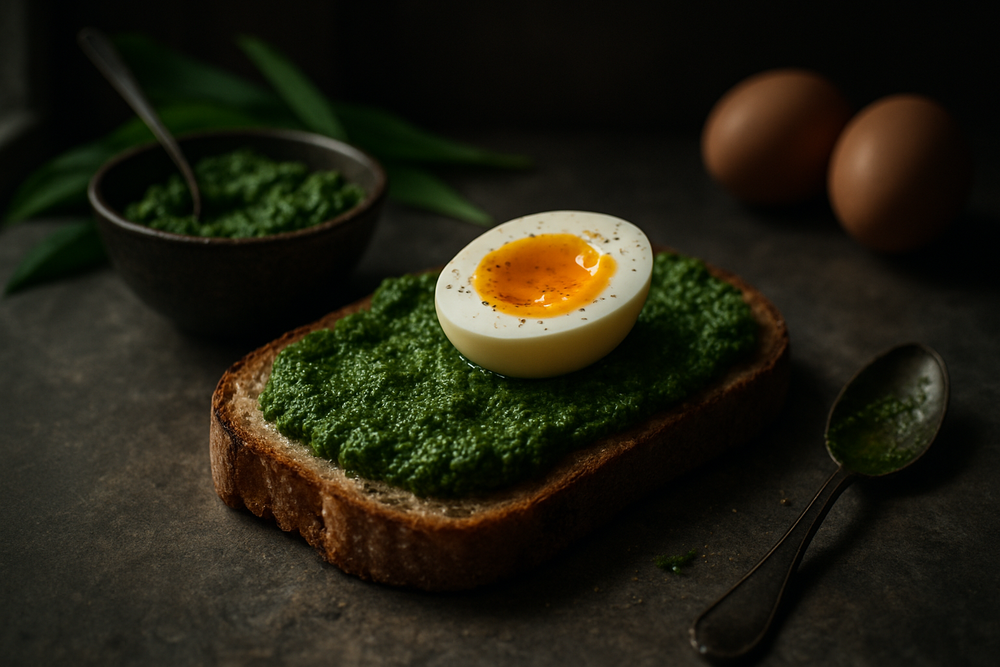
Fermented Wild Garlic Pesto · Photograph
Discover the fermented wild garlic pesto health benefits, from gut-friendly probiotics to heart-supportive Allium compounds. Learn how to use it safely, how much to eat daily, and how to avoid toxic lookalikes when foraging ramsons.
Key Nutrients
% Daily Value based on 2,000 cal diet
Key active compounds
- Allicin — A reactive sulfur compound formed when Allium tissues are crushed (alliin is converted by the enzyme alliinase). Associated with antimicrobial, blood-pressure-lowering, and cholesterol-modulating effects.
- Diallyl sulfides (e.g., diallyl disulfide) — Organosulfur compounds derived from allicin breakdown; linked to anti-inflammatory and lipid-lowering activity in experimental models.
- Flavonoids and polyphenols — Plant phenolic compounds with antioxidant and anti-inflammatory signalling properties; contribute significantly to wild garlic's high antioxidant capacity.
- Saponins — Surface-active glycosides (sugar-linked plant compounds) that may support immune modulation and cholesterol metabolism.
- Fermentation-derived metabolites — Organic acids (especially lactic acid), bioactive peptides (small protein fragments), and enzymatic by-products produced by lactic acid bacteria during fermentation, which may support gut barrier integrity and microbiota diversity.
- Vitamin C — Present at notably high levels in fresh wild garlic leaves (~150 mg per 100 g), supporting immune function and acting as a water-soluble antioxidant.
Prep and pairing ideas
Fermented wild garlic pesto is one of the most versatile condiments you can make in spring.
How to make it (basic method): Wash and dry fresh wild garlic leaves thoroughly. Finely chop or pulse in a food processor with good-quality olive oil, toasted pine nuts or walnuts, and sea salt (roughly 2% salt by weight of the combined ingredients). For lacto-fermentation, pack tightly into a sterilised jar, press down to submerge leaves under the brine, and ferment at room temperature for 3–5 days, then refrigerate. Some recipes use a whey or starter culture to accelerate fermentation.
Three practical pairings:
- Pasta or gnocchi — Stir 1–2 tablespoons through warm (not boiling) pasta off the heat to preserve live cultures as much as possible. The fermented tang cuts through starchy carbohydrates beautifully and adds depth without cream or cheese.
- Sourdough toast with soft-boiled egg — Spread pesto on toasted sourdough, top with a runny egg. A breakfast or light lunch that layers three fermented or fermentation-adjacent foods (sourdough, pesto, egg white proteins) and delivers protein, healthy fat, and phytochemicals together.
- Grain bowls and roasted vegetables — Use as a dressing on farro, quinoa, or roasted root vegetables. The sulfur compounds in the pesto complement cruciferous vegetables (broccoli, cauliflower) particularly well, as both are rich in compounds that support the body's detoxification pathways.
Storage: Keep refrigerated and consume within 2–3 weeks. Ensure the pesto remains submerged under the oil or brine to limit air exposure. Freeze in ice-cube portions for use outside of wild garlic season.
Bottom line
Fermented wild garlic pesto is one of spring's most nutritionally interesting condiments: a concentrated source of Allium sulfur compounds, polyphenols, vitamin C, and lactic acid bacteria, packaged in a format that is genuinely delicious on pasta, toast, and grain bowls. The science behind common garlic's cardiovascular and immune benefits is solid; the evidence specifically for wild garlic and for its fermented pesto form is emerging and largely mechanistic, but the directional signal is consistently positive.
Use it as a flavourful, plant-forward addition to everyday cooking rather than as a therapeutic substitute for medication. Prioritise correct plant identification if foraging, keep an eye on your sodium intake, and flag its use to your doctor if you are on blood thinners or blood-pressure medication. Within those sensible guardrails, fermented wild garlic pesto represents exactly the kind of food that earns its place in a food-as-medicine kitchen.
How Fermented Wild Garlic Pesto Compares
| Compared with | What's different |
|---|---|
| Fermented Wild Garlic Pesto vs. Traditional Basil Pesto | Milder garlicky flavor with a tangy, acidic finish and active probiotic cultures. |
| Fermented Wild Garlic Pesto vs. Garlic Scape Pesto | High in vitamin C (22mg per tbsp) with a sharper, more sulfurous and pungent profile. |
Health Benefits
Things to Know
Identification first.: This is non-negotiable. Wild garlic (Allium ursinum) has toxic lookalikes — most critically, lily of the valley (Convallaria majalis, highly toxic to the heart) and autumn crocus (Colchicum autumnale, potentially fatal). Key identification markers: wild garlic leaves smell unmistakably of garlic when rubbed; lily of the valley does not. Leaves are elliptical with a matte underside. White star-shaped flowers appear in spring. If in doubt, do not eat it. Buy from a reputable forager, farmers' market, or specialist supplier.
Sodium content.: Lacto-fermentation requires salt. Home-made fermented wild garlic pesto can contain 200–400 mg sodium per tablespoon or more, depending on the recipe. People managing hypertension, heart failure, or kidney disease should track this carefully.
Blood thinners and antiplatelet drugs.: Allium compounds may modestly reduce platelet aggregation, potentially adding to the effect of anticoagulants (e.g., warfarin) or antiplatelet drugs (e.g., aspirin, clopidogrel). Discuss with your prescribing doctor before regular use.
Antihypertensive medications.: Garlic preparations have been shown to lower blood pressure modestly in human trials. If you are already on blood-pressure-lowering medication, monitor your readings and consult your doctor.
Blood sugar medications.: Emerging data suggest garlic may modestly influence glucose metabolism. If you use insulin or oral hypoglycaemic agents, flag regular pesto use to your healthcare team.
Digestive sensitivity.: Both Allium compounds and fermentation by-products (including biogenic amines — naturally occurring compounds formed during fermentation) can trigger bloating, gas, or discomfort in people with irritable bowel syndrome (IBS), garlic intolerance, or histamine intolerance. Start with a small amount and build up.
Pregnancy and breastfeeding.: Culinary amounts of wild garlic are generally considered safe, but large medicinal-style doses lack safety data. Stick to typical serving sizes and consult your midwife or doctor.
Allergy.: Allium allergy, while uncommon, does exist. People with known sensitivity to garlic, onion, or leek should avoid or approach with caution.
Prep Ideas
- — Pasta or gnocchi — Stir 1–2 tablespoons through warm (not boiling) pasta off the heat to preserve live cultures as much as possible. The fermented tang cuts through starchy carbohydrates beautifully and adds depth without cream or cheese.
- — Sourdough toast with soft-boiled egg — Spread pesto on toasted sourdough, top with a runny egg. A breakfast or light lunch that layers three fermented or fermentation-adjacent foods (sourdough, pesto, egg white proteins) and delivers protein, healthy fat, and phytochemicals together.
- — Grain bowls and roasted vegetables — Use as a dressing on farro, quinoa, or roasted root vegetables. The sulfur compounds in the pesto complement cruciferous vegetables (broccoli, cauliflower) particularly well, as both are rich in compounds that support the body's detoxification pathways.
Glossary
Shop This Ingredient
Stock your pantry with quality fermented wild garlic pesto.
Buy on AmazonAs an Amazon Associate, Plantopedia earns from qualifying purchases. This costs you nothing extra and helps us keep the encyclopedia free.
Frequently Asked Questions
Heart and circulation The best clinical evidence for Allium and cardiovascular health comes from trials on common garlic. Multiple meta-analyses (studies that pool results from many individual trials) show garlic preparations can modestly reduce systolic blood pressure (the top number in a blood pressure reading) and LDL cholesterol (often called "bad" cholesterol), and may reduce platelet aggregation (the tendency of blood cells to clump and form clots). Wild garlic contains the same class of sulfur compounds — particularly allicin and diallyl sulfides — and botanical reviews confirm strong antihypertensive (blood-pressure-lowering), anti-atherosclerotic (reducing arterial plaque formation), and antiplatelet effects in laboratory and animal studies. Traditional herbal sources consistently describe ramsons as a circulatory tonic, used for arteriosclerosis (hardening of the arteries) and elevated blood fats. Fermented garlic research adds another layer: lacto-fermentation appears to preserve or even enhance antioxidant activity, and emerging functional food studies suggest fermented garlic may support vascular endothelial function (the health of the cells lining blood vessels). No controlled human trial has tested fermented wild garlic pesto specifically for cardiovascular outcomes, so the positioning remains extrapolated and should be framed as "may support" rather than "lowers." Digestive health and microbiome Wild garlic has a long empirical history as a digestive remedy, traditionally used for bloating, flatulence, mild diarrhoea, fermentative dyspepsia (digestive discomfort caused by excessive gut fermentation), and intestinal parasites. Modern analysis of Allium ursinum confirms antimicrobial effects against harmful gut bacteria in laboratory conditions, and animal studies suggest wild garlic may modulate gut microbiota composition. The lacto-fermentation process adds live lactic acid bacteria, organic acids, and potential prebiotic compounds, all of which research on fermented foods more broadly associates with improved gut barrier integrity, reduced intestinal inflammation, and a more diverse microbiome. A study on lacto-fermented garlic confirmed high antioxidant activity and a rich profile of fermentation-derived metabolites. As a practical condiment delivering regular small doses of both Allium phytochemicals and active cultures, fermented wild garlic pesto is a reasonable choice for gut-health-conscious eating — though no standardised probiotic count or clinical endpoint has been established for this specific food. Blood sugar and metabolism Human trials on common garlic show modest improvements in fasting glucose and insulin sensitivity, particularly in people with metabolic syndrome (a cluster of conditions including high blood sugar, excess abdominal fat, and elevated blood fats) or type 2 diabetes using garlic supplements alongside standard care. Wild garlic-specific and fermented-pesto-specific data are not yet available from human trials. The sulfur compounds and antioxidants in Allium species may influence insulin signalling and endothelial function — both relevant to blood sugar regulation — but these are early-stage findings. Practically, replacing refined high-sugar pasta sauces with fermented wild garlic pesto may support a lower overall glycaemic load (the effect of a meal on blood sugar), though this is a dietary pattern effect rather than a direct blood-sugar-lowering action of the pesto. Inflammation and recovery The Allium ursinum phytochemical review reports significant antioxidant and anti-inflammatory activity in vitro and in animal models, linked primarily to polyphenols and sulfur compounds. Studies on fermented garlic in humans suggest potential reductions in oxidative stress markers (indicators of cellular damage from reactive oxygen species), and herbal sources describe wild garlic as anti-inflammatory for joint and connective-tissue complaints. Fermented wild garlic pesto is best positioned as an antioxidant-rich condiment that may modestly support the body's inflammatory regulatory processes when eaten regularly as part of a varied whole-food diet. Claims about specific inflammatory diseases should remain conservative until human data on wild garlic preparations emerge. Immune support Garlic broadly has been studied in humans for immune support, with some trials showing reduced incidence or shorter duration of colds when garlic supplements are taken regularly. Wild garlic's high vitamin C content, allicin, and antimicrobial sulfur compounds are individually associated with immune defence in the research literature. Herbal sources describe ramsons as a traditional spring immune tonic, antiparasitic, antifungal, and antibacterial in its traditional use profile. Fermented wild garlic pesto, consumed regularly as part of meals, could reasonably be described as an immune-supportive condiment — but it should not be positioned as a treatment for any infection or immune condition.
Fermented pesto vs. fresh vs. supplement Lacto-fermented wild garlic pesto (the focus of this guide) offers the unique combination of Allium phytochemicals plus lactic acid bacteria, organic acids, and fermentation metabolites. Fermentation appears to preserve vitamin C and antioxidant activity, and may make some compounds more bioavailable (easier for the body to absorb and use). Fresh unfermented wild garlic provides the highest immediate allicin content (allicin degrades with heat and time) and is excellent eaten raw in salads, stirred into cold dips, or blended into an unfermented pesto. If you are specifically prioritising allicin, fresh raw preparation wins. Heated applications (stirring pesto into hot pasta) will reduce allicin content, since this compound is heat-sensitive. However, other sulfur compounds, polyphenols, and fermentation-derived metabolites are more heat-stable, so the pesto is not without benefit even when warmed. Garlic supplements (Allium sativum — aged garlic extract, garlic powder tablets, standardised allicin preparations) form the evidence base for most of the cardiovascular and metabolic human trials. They deliver higher, more consistent doses of specific compounds than a culinary condiment. For everyday dietary use, fermented wild garlic pesto strikes a practical balance: real food, live cultures, phytochemical complexity, and culinary versatility.
The gut-health optimiser Eating a diverse whole-food diet and looking to add more fermented foods beyond yogurt and kefir. Interested in supporting microbiome diversity with probiotic-containing condiments. Wants flavour and function without taking supplements — a tablespoon on toast or pasta fits naturally into daily eating. The cardiovascular-aware cook Focused on a plant-forward diet to support healthy blood pressure and cholesterol. Looking for ways to increase Allium intake beyond raw garlic (which can be harsh on the stomach). Mindful of sodium — uses fermented pesto as a flavour booster so that less added salt is needed elsewhere in the meal.
No standardised therapeutic dose has been established for fermented wild garlic pesto in human trials — it is a culinary condiment, not a supplement. General guidance drawn from the evidence base is: Typical culinary range: 1–2 tablespoons (15–30 g) per day, used as a sauce, spread, or dressing. Start low: If you are new to fermented Allium products or have a sensitive digestive system, begin with 1 teaspoon and increase gradually over one to two weeks to allow your gut microbiome to adjust. Sodium monitoring: At 1 tablespoon, you may already be consuming 200–400 mg sodium. Factor this into your daily total, especially if you are managing blood pressure or restricting sodium medically. Consistency over quantity: Like most food-as-medicine ingredients, regular moderate use as part of a varied diet is likely more meaningful than occasional large servings. Therapeutic garlic preparations used in cardiovascular trials typically deliver the equivalent of 2–5 g of fresh garlic daily — roughly 1–2 tablespoons of pesto would fall within a comparable range for Allium intake, though direct equivalence cannot be assumed. If you are looking to use fermented wild garlic pesto as part of a structured dietary approach to a health goal, speaking with a registered dietitian familiar with functional foods is the most useful next step. Explore more ingredient guides aligned to your specific health goals at Plantopedia's goals hub.
Quick Answers
Common questions, answered in a line.
You can make fermented wild garlic pesto by pulsing washed leaves with olive oil, nuts, and roughly 2% salt, then packing them into a sterilized jar to ferment at room temperature for 3–5 days. Some recipes also use a starter culture or whey to speed up the process.
Fermented wild garlic pesto should be stored in the refrigerator and consumed within 2–3 weeks. To maximize shelf life, ensure the pesto remains fully submerged under the oil or brine to limit air exposure.
You can identify wild garlic by its unmistakable garlic scent when leaves are rubbed and its white star-shaped flowers. It is critical to distinguish it from toxic lookalikes like Lily of the Valley, which does not smell like garlic and is dangerous to the heart.
You should consult a doctor before eating fermented wild garlic pesto if you are taking blood thinners, blood pressure medication, or blood sugar drugs. Allium compounds may increase the effects of anticoagulants and modestly influence glucose metabolism or blood pressure.
Fermented wild garlic pesto contains high levels of Vitamin C, allicin, and lactic acid bacteria, which support immune function and gut health. It also provides flavonoids and polyphenols that offer antioxidant and anti-inflammatory properties.
Yes, fermented wild garlic pesto can be frozen in ice-cube portions for convenient use outside of the spring season. This is an effective way to preserve the condiment for long-term storage beyond its refrigerated shelf life.
Fermented wild garlic pesto may cause bloating, gas, or discomfort in individuals with IBS, garlic intolerance, or histamine intolerance. These sensitivities are often triggered by the Allium compounds or biogenic amines formed during the fermentation process.
For Readers in the USA
Local context — sourcing, seasonality, and regional notes.
In the US, ramps (Allium tricoccum) are primarily found in the Appalachian region, Great Lakes, and Northeast, with a short foraging season from late March to mid-May. While the European ramson (Allium ursinum) is less common, the native American ramp is the preferred substitute for making wild garlic pesto in the States.
You can buy ramps or wild garlic at high-end grocery chains like Whole Foods and Wegmans, or at local farmers markets in the Northeast and Midwest during early spring. Due to their short season and high demand, they are often sold by the bunch and may also be found at specialty purveyors like Eataly or through online foragers.
The FDA recommends thorough washing of foraged greens and proper acidification to prevent foodborne illness, while the USDA National Organic Program ensures that any store-bought pesto labeled "Organic" meets strict federal production standards. When making fermented pesto at home, maintaining a salt concentration of at least 2% helps ensure safety by favoring beneficial lactic acid bacteria.
AI Clinical Review
- Clear positioning: benefits are inferred from strong human data on common garlic (blood pressure, LDL cholesterol, antiplatelet effects) and from general fermented-food research, not from trials on this exact pesto.
- Sensible microbiome framing: lacto‑fermentation adds live lactic acid bacteria and organic acids; helpful for gut health as part of a diverse diet, without claiming therapeutic probiotic doses.
- Practical nuance on bioactives: allicin forms when leaves are crushed and is heat‑sensitive; other sulfur compounds and polyphenols are more heat‑stable—so form and preparation matter.
- Useful nutrition and safety context: highlights vitamin C richness, the sodium trade‑off in fermented condiments, and the critical need to avoid toxic lookalikes when foraging.
- No randomized trials on fermented wild garlic pesto itself; most claims are extrapolated from Allium sativum supplements, in‑vitro/animal studies on Allium ursinum, and small studies on fermented garlic products.
- Dose and potency vary widely by recipe (leaf-to-oil-to-salt ratios, fermentation time, use of starter cultures), so active compound levels and sodium can differ substantially between batches.
- Microbiome effects of this specific food are unquantified: species/strain mix and viable counts of lactic acid bacteria are not standardized and can decline with storage or heating.
- Cardiometabolic endpoints (e.g., endothelial function, glycemic control) remain plausible but preliminary for wild garlic and fermented forms; expect modest effects within a healthy dietary pattern.
- Reasonable culinary use: 1–2 tablespoons per day is a practical range; start with 1 teaspoon if you have a sensitive gut. Monitor sodium—many recipes deliver roughly 200–400 mg per tablespoon.
- Medication cautions: garlic compounds can have mild antiplatelet and blood‑pressure–lowering effects. Check with your clinician if you take anticoagulants/antiplatelets, antihypertensives, or diabetes medications.
- Sensitivities: Allium intolerance, IBS, or histamine/biogenic amine sensitivity may cause bloating, gas, or headaches—introduce gradually and consider non‑heated uses to preserve live cultures.
- Safety first: only consume correctly identified wild garlic or buy from reputable sources; pregnancy and breastfeeding are generally fine at culinary amounts, but avoid large “medicinal” intakes without clinical guidance.
Correctly identify wild garlic to avoid toxic lookalikes; salty.
References
- USDA FoodData Central — wild garlic and Allium nutritional data (fdc.nal.usda.gov)
- Allium ursinum botanical, phytochemical and pharmacological overview (PMC peer-reviewed review) (pmc.ncbi.nlm.nih.gov)
- Potential health benefit of garlic based on human studies (PMC peer-reviewed review) (pmc.ncbi.nlm.nih.gov)
- Fermented garlic as a functional food strategy — Frontiers in Nutrition (emerging functional food review) (frontiersin.org)
- Lacto-fermented garlic handcrafted in Lower Silesia (fermentation study, University of Turin repository) (iris.unito.it)
- Wild garlic identification guide — Wild Foodie UK (foraging safety reference) (wildfoodie.co.uk)
- Wild garlic: spring's superfood — Naturopathy UK (herbal medicine overview) (naturopathy-uk.com)
- The traditional and modern uses of wild garlic — Eatweeds (culinary and ethnobotanical reference) (eatweeds.co.uk)
- Wild garlic — Artemis Healing Herbs (herbal medicine profile) (artemishealingherbs.com)
- Wild garlic benefits and uses — Craftoil (nutritional and phytochemical overview) (craftoil.net)
Know Your Numbers
Eating healthy is a start. Now get to know your biomarkers.
Food changes bloodwork — inflammation, lipids, blood sugar and nutrient status all respond to what you eat. 59 markers from $59.
- Results in 7–10 days at 2,000+ Quest sites
- Licensed provider reviews every result
- One flat price, no membership, HSA/FSA eligible
Educational information only, not medical advice. Panels are ordered and reviewed through our licensed partner; Plantopedia may earn a commission.