Fonio — health benefits and uses
Plant-based energy base; pair with legumes/vegetables for a complete meal
The Short Answer
Fonio is a fast-cooking West African ancient grain with a nutty flavor that provides 4g of protein and 170 calories per 1/4 cup dry serving. It is uniquely high in the essential amino acids methionine and cysteine, which are often lacking in other cereal

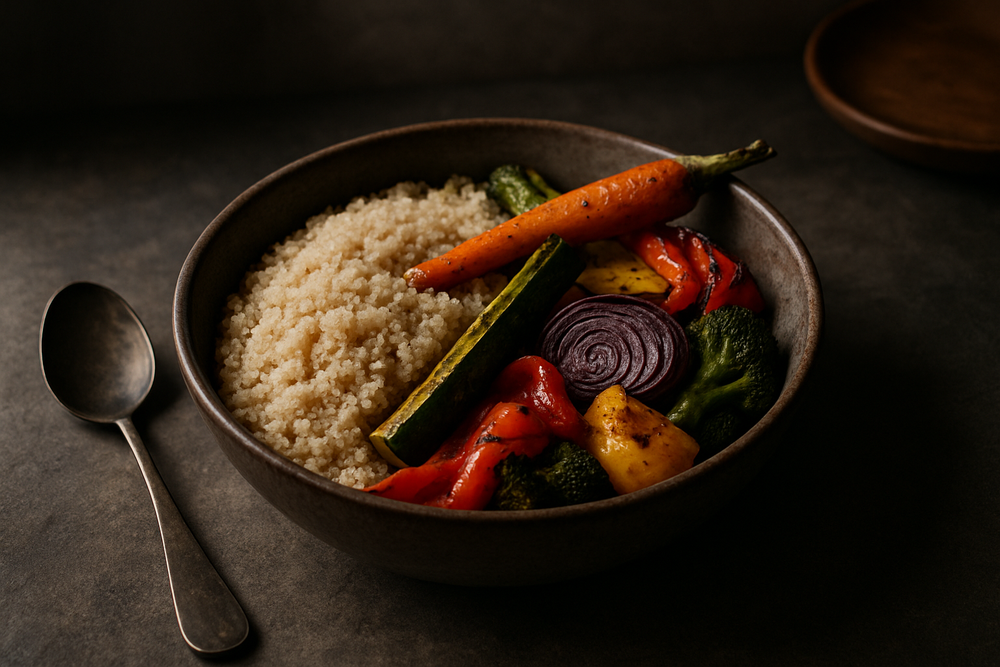
Fonio · Photograph
Fonio (Digitaria exilis) is one of Africa's oldest cultivated cereals — a tiny, fast-cooking grain that has been a staple across West Africa for thousands of years, and is now quietly making its way into plant-based kitchens worldwide. It belongs to the millet family, cooks in minutes, and has a mild, slightly nutty flavour that adapts easily to bowls, porridges, pilafs, and salads.
Key Nutrients
% Daily Value based on 2,000 cal diet
Key active compounds and phytochemicals
- Phenolic acids and flavonoids — Antioxidant plant compounds found in the bran and outer grain layers. Fonio-specific data are limited, but related millets are well documented sources of these molecules, which can help neutralise free radicals. Antioxidant means a substance that protects cells from oxidative damage.
- Resistant starch — A fraction of starch that escapes digestion in the small intestine and acts more like fibre, feeding beneficial gut bacteria.
- Phytates (phytic acid) — Naturally occurring compounds in most whole grains that can bind to minerals like iron and zinc, slightly reducing how much your body absorbs. Soaking, rinsing, or fermenting fonio can reduce phytate levels.
- Sulphur-containing amino acids (methionine and cysteine) — Fonio is notably higher in these than most other cereal grains, which makes it a valuable complement to legumes (beans, lentils, chickpeas) on plant-based plates.
Prep and pairing ideas
Fonio is one of the fastest-cooking whole grains available — most methods take under 10 minutes.
Basic stovetop method:
- Rinse fonio under cold water using a fine-mesh sieve
- Bring 2 cups of water or vegetable broth to a boil for every ½ cup of dry fonio
- Add fonio, reduce heat, cover, and simmer for 2–5 minutes until liquid is absorbed
- Remove from heat, fluff with a fork, and rest covered for 2 minutes
Three practical pairings:
- Fonio + black beans + roasted sweet potato: The beans supply lysine (an amino acid low in grains) while fonio's methionine completes the amino acid picture. Roasted sweet potato adds fibre, beta-carotene, and natural sweetness. A genuinely balanced plant-based plate in under 20 minutes.
- Fonio + turmeric + leafy greens: Turmeric (curcumin) is fat-soluble, meaning it absorbs better with a small amount of fat. Drizzle the bowl with tahini or olive oil to get the most from both ingredients. Spinach or kale adds iron that pairs with fonio's iron for a cumulative effect — boost absorption further with a squeeze of lemon (vitamin C).
- Fonio porridge + ground flaxseed + berries: Simmered with oat milk to a creamy consistency, fonio porridge topped with ground flaxseed adds omega-3 alpha-linolenic acid and additional fibre. Berries contribute polyphenols and vitamin C, which enhance iron absorption from both fonio and flax.
How Fonio Compares
| Compared with | What's different |
|---|---|
| Fonio vs. Quinoa | Fonio is significantly smaller, cook times are 2–5 minutes compared to 15–20 minutes for quinoa. |
| Fonio vs. Couscous | Fonio has a finer, sand-like texture and is richer in sulphur-containing amino acids. |
| Fonio vs. Millet | Fonio grains are smaller than pearl millet and have a milder, more neutral nutty flavour. |
Health Benefits
Things to Know
Diabetes or prediabetes: Count fonio as a starchy carbohydrate. Its modest fibre content means blood sugar response may be similar to white rice if eaten in large portions alone. Combine with protein, fat, and non-starchy vegetables.
Coeliac disease or non-coeliac gluten sensitivity: Fonio is naturally gluten-free, but cross-contamination during milling is a real risk. Only use certified gluten-free products.
Millet or cereal allergy: Fonio is in the millet family. Cross-reactivity is theoretically possible, though reports are rare. Introduce cautiously if you have known grain allergies.
Chronic kidney disease: Fonio provides phosphorus, magnesium, and potassium. Not unusually high, but multiple servings per day should be factored into your total mineral intake under dietitian guidance.
Very low-carbohydrate or ketogenic diets: Fonio is a high-starch food and will not fit standard keto macronutrient targets.
Medications: No fonio-specific drug interactions are documented. As a general precaution with any high-fibre or phytate-rich grain meal, space critical medications — particularly thyroid hormone replacement (levothyroxine) and certain antibiotics — at least 1–2 hours away from eating. If you take glucose-lowering medication (insulin, sulfonylureas, or GLP-1 receptor agonists), adding significant portions of any starchy grain may affect your dose or timing — discuss with your prescriber.
Pregnancy: Fonio is a food, not a supplement, and is generally safe in typical meal amounts during pregnancy. Its iron and B vitamin content can support pregnancy nutrition as part of a varied diet.
Infants and weaning: Fonio porridge is a traditional weaning food in West Africa. Ensure dietary diversity and appropriate texture; consult a health visitor or paediatrician for young children.
Best Forms
fonio
Prep Ideas
- — Rinse fonio under cold water using a fine-mesh sieve
- — Bring 2 cups of water or vegetable broth to a boil for every ½ cup of dry fonio
- — Add fonio, reduce heat, cover, and simmer for 2–5 minutes until liquid is absorbed
- — Remove from heat, fluff with a fork, and rest covered for 2 minutes
- — Fonio + black beans + roasted sweet potato: The beans supply lysine (an amino acid low in grains) while fonio's methionine completes the amino acid picture. Roasted sweet potato adds fibre, beta-carotene, and natural sweetness. A genuinely balanced plant-based plate in under 20 minutes.
- — Fonio + turmeric + leafy greens: Turmeric (curcumin) is fat-soluble, meaning it absorbs better with a small amount of fat. Drizzle the bowl with tahini or olive oil to get the most from both ingredients. Spinach or kale adds iron that pairs with fonio's iron for a cumulative effect — boost absorption further with a squeeze of lemon (vitamin C).
- — Fonio porridge + ground flaxseed + berries: Simmered with oat milk to a creamy consistency, fonio porridge topped with ground flaxseed adds omega-3 alpha-linolenic acid and additional fibre. Berries contribute polyphenols and vitamin C, which enhance iron absorption from both fonio and flax.
Shop This Ingredient
Stock your pantry with quality fonio.
Buy on AmazonAs an Amazon Associate, Plantopedia earns from qualifying purchases. This costs you nothing extra and helps us keep the encyclopedia free.
Frequently Asked Questions
A straightforward caveat up front: there are currently very few clinical trials (studies in humans) that test fonio directly. Most of what follows is based on fonio's nutrient profile combined with strong evidence from whole-grain research in general. Where that distinction matters, it is flagged. Heart and circulation Fonio is low in saturated fat, contains no cholesterol, and provides B vitamins, magnesium, and iron — all consistent with a heart-healthy dietary pattern. Large cohort studies of whole grains (not fonio specifically) consistently link higher whole-grain intake with lower risk of coronary heart disease and stroke. Substituting fonio for white rice or refined couscous is likely heart-neutral to beneficial, but no fonio-specific cardiovascular trials exist yet. For people with coeliac disease (an autoimmune condition triggered by gluten) who have historically struggled to meet whole-grain targets, fonio offers a genuinely practical addition to a limited repertoire of safe whole grains. Digestive health and microbiome Fonio contributes some dietary fibre and resistant starch, both of which feed beneficial gut bacteria and support bowel regularity. The microbiome refers to the community of micro-organisms living in your gut. However, at roughly 1 g of fibre per half-cup cooked, fonio is not a high-fibre grain — oats, barley, and freekeh all deliver significantly more per serving. Think of fonio as one contributor to overall fibre intake rather than a digestive solution on its own. There are no published human studies measuring microbiome changes specifically from fonio consumption. Blood sugar and metabolism Fonio is often described in wellness media as a low-glycaemic-index food (glycaemic index or GI measures how quickly a carbohydrate food raises blood sugar). While this is plausible — it is a whole grain with some fibre and protein — fonio-specific GI trials have not been clearly documented in peer-reviewed literature. What we can say with confidence is: It contains 39 g of carbohydrate per half-cup cooked, so it is a significant starch source Pairing fonio with protein, healthy fat, and vegetables slows glucose absorption — a strategy backed by strong general evidence People managing diabetes or prediabetes should count fonio like any other grain and monitor their own post-meal response Research suggests whole grains in general support better insulin sensitivity over time compared to refined grains, but this has not been tested with fonio specifically. Inflammation and recovery No human studies have measured inflammatory markers (such as C-reactive protein, or CRP) in response to fonio intake. Cell and animal studies on related millets show anti-inflammatory activity from phenolic compounds, but translating that to humans requires considerably more research. Any anti-inflammatory effect from fonio is best understood as part of a broader whole-food, plant-based dietary pattern rather than a unique property of this grain. Energy metabolism and amino acid balance This is arguably fonio's most distinctive nutritional feature. Its relatively high content of methionine and cysteine — sulphur-containing amino acids — fills a real gap in plant-based diets, where legumes supply plenty of lysine but are low in these amino acids. Pairing fonio with beans or lentils creates a more complete amino acid profile without any special effort or combination strategy required at every meal.
Buying guide: whole grain, instant, or flour? Whole grain (uncooked): The most common form. Looks like tiny pale seeds, often compared to couscous or fine grits. This is the whole-grain form — bran, germ, and endosperm intact. Choose this for the most complete nutrient profile. Precooked or instant fonio: Lightly pre-steamed for faster preparation. Nutritionally similar to whole grain; useful for meal prepping in a hurry. Check the label — some brands add salt. Fonio flour: Milled fonio used in traditional West African flatbreads, baked goods, and porridge. It is still gluten-free but finely ground, which may increase its glycaemic response compared to intact whole-grain fonio (no fonio-specific trials confirm this, but it mirrors what we see with other grains). Label tips: Look for "whole grain fonio" or "whole fonio" on the label — not bleached or enriched fonio If you have coeliac disease, choose a product with a certified gluten-free logo to confirm it was processed in a dedicated facility Ingredient list should be one word: fonio
Fonio is a food, not a supplement — there is no established therapeutic dose, maximum daily intake, or clinical dosing protocol. Practical guidance: A standard serving is ½ to 1 cup cooked per meal (from approximately ¼ to ½ cup dry) US dietary guidelines recommend making at least half of all grains whole grains, which translates to roughly 3 servings of whole grains per day for most adults Fonio can fill one or more of those whole-grain servings If you are new to fonio or significantly increasing your overall grain and fibre intake, start with a smaller portion (¼ cup cooked) and increase gradually over 1–2 weeks to allow your digestive system to adapt There is no evidence that eating more fonio than a standard portion provides additional benefit; more starch means more carbohydrate calories Fonio vs quinoa vs rice — a quick comparison: | | Fonio (½ cup cooked) | Quinoa (½ cup cooked) | Brown rice (½ cup cooked) | |---|---|---|---| | Calories | 170 | 111 | 108 | | Protein | 2 g | 4 g | 2.5 g | | Fibre | 1 g | 2.5 g | 1.8 g | | Gluten-free | ✓ |
Quick Answers
Common questions, answered in a line.
Fonio is a gluten-free ancient grain that belongs to the millet family, native to West Africa. Often called one of the continent's oldest cultivated cereals, it is a tiny, fast-cooking grain known for its mild, nutty flavor and its designation as a staple carbohydrate.
Fonio is naturally gluten-free and generally safe for those with coeliac disease, provided the product is certified to avoid cross-contamination. Because cross-contamination can occur during milling, it is essential to check labels if you have a strict gluten sensitivity.
Fonio is a high-starch food that is not suitable for standard ketogenic or very low-carbohydrate diets. While it offers nutritional benefits like resistant starch, its carbohydrate content makes it difficult to fit within strict keto macronutrient targets.
To cook fonio on the stovetop, simmer 1/2 cup of grain in 2 cups of boiling water or broth for 2 to 5 minutes until the liquid is absorbed. After simmering, remove the pot from the heat, fluff the grains with a fork, and let it rest covered for two minutes for a perfect texture.
Fonio contains higher levels of sulphur-containing amino acids, specifically methionine and cysteine, than most other cereal grains. These compounds make it an excellent plant-based protein complement when paired with legumes like beans or lentils, which are often lower in these specific nutrients.
Fonio is a traditional weaning food for infants in West Africa and is generally considered safe when served in age-appropriate textures. As with any new food, it is recommended to consult a paediatrician or health visitor to ensure it fits within a diverse and balanced diet for young children.
Fonio contains phytates (phytic acid), which can bind to minerals like iron and zinc and slightly reduce their absorption in the body. To lower phytate levels and improve mineral availability, you can soak, rinse, or ferment the grain before cooking.
For Readers in the USA
Local context — sourcing, seasonality, and regional notes.
In the United States, you can find fonio at Whole Foods Market, Thrive Market, or specialized African grocers, with brands like Yolanda and Aduna being common. It is also widely available through online retailers such as Amazon if it is not stocked in your local supermarket's grain aisle.
While not yet grown commercially in the U.S., fonio enters the American market as a certified organic, non-GMO, and fair-trade import from West Africa. Because it is a drought-resistant crop, it is gaining attention in U.S. sustainability circles as a climate-smart alternative to traditional American wheat.
Fonio is a highly versatile substitute for common American staples like couscous, quinoa, and cream of wheat due to its similar texture and quick cooking time. Because it is naturally gluten-free and has a lower glycemic index than white rice, many Americans use it as a foundational grain for power bowls and breakfast porridges.
AI Clinical Review
- Accurately frames fonio as a naturally gluten‑free whole grain that cooks quickly and can replace refined grains in everyday meals.
- Highlights fonio’s relatively higher methionine and cysteine (sulfur‑containing amino acids) and the practical benefit of pairing with legumes for a more balanced amino acid profile.
- Notes that most health claims rely on broader whole‑grain evidence and clearly flags the limited fonio‑specific human research.
- Provides realistic guidance on blood‑sugar management (pairing with protein/fat/vegetables) and iron absorption (vitamin C with plant iron).
- Glycaemic index (how fast a food raises blood sugar) for fonio isn’t well established in peer‑reviewed human studies; individual responses can vary.
- Microbiome and anti‑inflammatory effects are inferred from related millets, lab, or animal work—human data specific to fonio are lacking.
- Cardiometabolic benefits are supported by strong whole‑grain research in general, but fonio‑specific outcome trials (e.g., lipids, blood pressure, HbA1c) haven’t been done.
- Portions: count fonio as a starchy carbohydrate; a practical serving is about ½–1 cup cooked. It’s lower in fibre than oats or barley—pair with legumes, vegetables, nuts/seeds for fullness and gut health.
- Gluten and allergens: fonio is naturally gluten‑free, but choose certified GF products if you have coeliac disease; rare cross‑reactivity with other millets is possible in people with grain allergies.
- Medications and conditions: separate levothyroxine or certain antibiotics from high‑fibre/phytate meals by 1–2 hours; if you have diabetes/prediabetes or use glucose‑lowering drugs (including insulin or GLP‑1s), monitor post‑meal glucose when adding fonio; those with chronic kidney disease should account for total mineral intake.
- Form matters: intact grain generally has a steadier blood‑sugar impact than flour; some “instant” products add sodium—check labels and choose plain whole‑grain fonio when possible.
For grain products, clarify whole-grain vs refined where relevant.
References
- PubMed — Fonio grains: Physicochemical properties, nutritional potential, and food applications (pubmed.ncbi.nlm.nih.gov)
- PMC, National Library of Medicine — Nutritional composition of gluten-free flour from blend of fonio (Digitaria iburua) and pigeon pea (Cajanus cajan) and its suitability for breakfast food (pmc.ncbi.nlm.nih.gov)
- PubMed — Factors predicting consumption of fonio grain (Digitaria exilis) among urban Malian women of reproductive age (pubmed.ncbi.nlm.nih.gov)
- PubMed — Nutritional and physicochemical changes in two varieties of fonio (Digitaria exilis and Digitaria iburua) during germination (pubmed.ncbi.nlm.nih.gov)
- PMC, National Library of Medicine — Techno-Functional and Gelling Properties of Acha (Fonio) (Digitaria exilis stapf) Flour: A Study of Its Potential as a New Gluten-Free Starch Source in Industrial Applications (pmc.ncbi.nlm.nih.gov)
Know Your Numbers
Eating healthy is a start. Now get to know your biomarkers.
Food changes bloodwork — inflammation, lipids, blood sugar and nutrient status all respond to what you eat. 59 markers from $59.
- Results in 7–10 days at 2,000+ Quest sites
- Licensed provider reviews every result
- One flat price, no membership, HSA/FSA eligible
Educational information only, not medical advice. Panels are ordered and reviewed through our licensed partner; Plantopedia may earn a commission.