Fregola — health benefits and uses
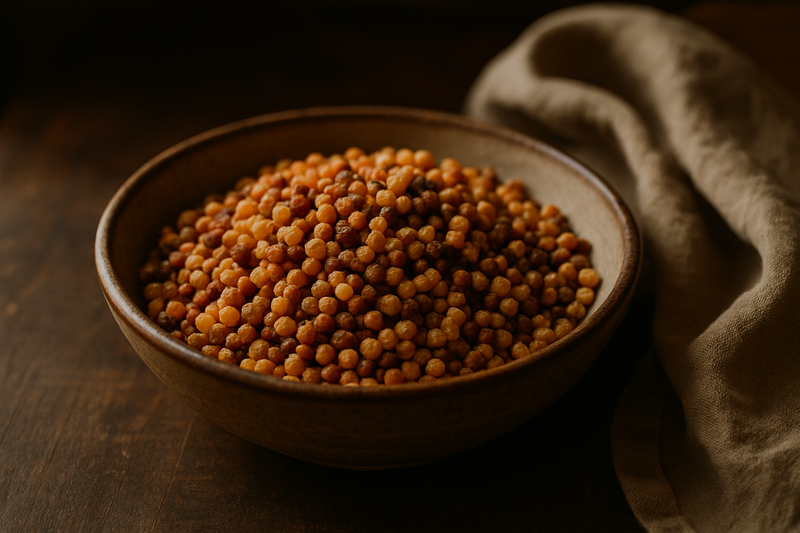
A rustic Sardinian pasta traditionally rolled by hand and sun-dried.
The Short Answer
Fregola is a toasted Sardinian pasta made from durum wheat semolina, offering 6 grams of protein and 210 calories per 2 oz dry serving. Its unique toasting process creates a nutty flavor and rough texture that excels at absorbing broths in soups and stews.
Fregola · Photograph
Discover fregola pasta nutrition and health benefits: calories, carbs, protein, gluten content, blood sugar impact, and how to pair this toasted Sardinian semolina pasta in brothy soups, stews, and salads for a balanced Mediterranean-style meal.
Key Nutrients
% Daily Value based on 2,000 cal diet
Key active compounds and phytochemicals
Fregola is primarily a carbohydrate food, but durum wheat semolina does contain a small collection of bioactive (biologically active) compounds:
- Carotenoids (lutein and zeaxanthin): Pigment compounds naturally present in durum wheat's endosperm (the starchy inner part of the grain) that give semolina its golden-yellow color. They act as antioxidants — molecules that help neutralize cell-damaging free radicals — and are linked to eye and cardiovascular health in research on broader dietary patterns. Levels in refined semolina are modest compared to whole-grain products.
- Phenolic acids (notably ferulic acid): Plant-derived antioxidant compounds concentrated in the wheat bran and germ. These have demonstrated antioxidant and potential anti-inflammatory effects in laboratory studies. Because fregola is made from refined semolina (bran and germ mostly removed), ferulic acid content is lower than in whole-wheat pasta — but it is not entirely absent.
- B vitamins (especially niacin and folate): Present naturally in durum wheat; some commercial fregola is also enriched with iron and B vitamins. These support energy metabolism and cellular function.
Prep and pairing ideas
Fregola is cooked by simmering in boiling salted water or directly in broth until tender but still chewy — typically 10 to 15 minutes for medium pearls. Unlike most pasta, it can absorb broth as it cooks, making it ideal for risotto-style soups where you want the pasta to soak up flavor.
Common pairings that boost nutritional value:
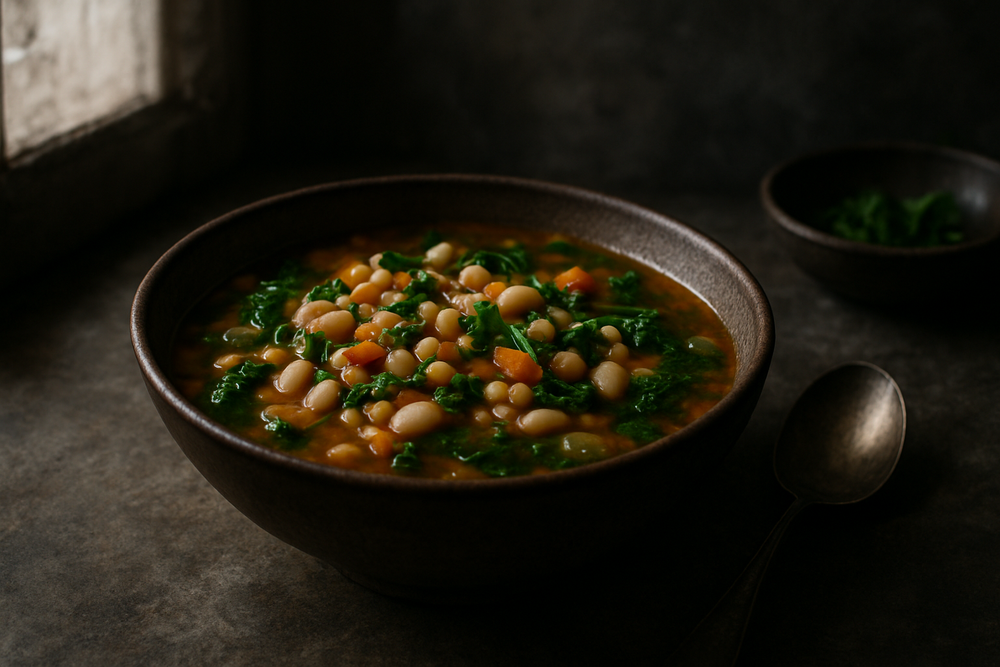
- Fregola + canned or cooked chickpeas + roasted tomatoes and herbs: A classic Sardinian combination. Chickpeas add roughly 6 g of fiber and 7 g of plant protein per half cup, dramatically improving the fiber and protein density of the dish. Tomatoes contribute lycopene (a carotenoid antioxidant) and vitamin C.
- Fregola + dark leafy greens (kale, spinach, or Swiss chard) + lemon and olive oil: Adding a large handful of greens to a warm fregola salad contributes iron, calcium, vitamin K, and a range of antioxidants that the pasta cannot provide on its own. The acidity of lemon juice also brightens flavor, reducing the need for salt.
- Fregola + lentils + vegetable broth + turmeric and smoked paprika: Lentils are one of the best additions for blood sugar balance — their high fiber and protein content slows digestion meaningfully. This combination creates a filling, nutrient-dense one-pot meal with a satisfying brothy texture that suits fregola's pearl shape perfectly.
Basic prep tips:
- Cook al dente (firm, not mushy) to preserve texture and modestly slow starch digestion.
- Rinse with cold water only if making a cold salad; skip rinsing for soups and stews so the pearls retain their surface starch and help thicken the broth slightly.
- Store cooked fregola in an airtight container in the fridge for up to 3 days; it thickens as it sits, so add a splash of water or broth when reheating.
Bottom line
Fregola is a characterful, versatile pasta with genuine culinary strengths — a toasty flavor, a sturdy texture, and an affinity for the kinds of brothy, vegetable-and-legume-rich dishes that nutritional science consistently associates with good long-term health. As a refined durum wheat product, it is not a nutritional hero on its own; its fiber and phytochemical content are modest. But placed in the right meal context — surrounded by chickpeas, lentils, dark greens, olive oil, and fresh herbs — fregola earns its place in a balanced, Mediterranean-influenced, or plant-based diet.
The key rules: keep portions to about 1 cup cooked in a mixed meal, cook it al dente, build the rest of the bowl with high-fiber and protein-rich ingredients, and be mindful of sodium in cooking liquids. Avoid it entirely if you have celiac disease or a wheat allergy.
Looking to build more meals around whole grains and legumes? Explore the Plantopedia goals hub for practical eating strategies organized around your health priorities.
How Fregola Compares
| Compared with | What's different |
|---|---|
| Fregola vs. Israeli Couscous | Smoother texture and neutral taste; fregola is toasted for a nutty, earthy flavor profile. |
| Fregola vs. Orzo | Rice-shaped pasta with a slippery texture; fregola consists of rough, hand-rolled pearls. |
| Fregola vs. Pearl Barley | A whole grain with a chewy outer bran layer; fregola is a processed semolina pasta. |
Health Benefits
Things to Know
Celiac disease and wheat allergy: Fregola contains gluten and must be avoided entirely by people with celiac disease (an autoimmune condition triggered by gluten) or a diagnosed wheat allergy. There is no gluten-free version of traditional fregola.
Non-celiac gluten sensitivity: Some people without celiac disease report digestive discomfort with wheat products. If you notice symptoms such as bloating or abdominal pain after eating fregola, consider reducing portion size or consulting a registered dietitian.
Diabetes and insulin resistance: Fregola is high in carbohydrates. People using insulin or other glucose-lowering medications may need to account for a fregola-containing meal in their carbohydrate counting or medication timing. Discuss this with your healthcare provider.
IBS and FODMAP sensitivity: Wheat contains fructans (a type of fermentable carbohydrate), which can trigger symptoms in people with IBS. Smaller portions may be better tolerated; work with a dietitian trained in the low-FODMAP protocol if needed.
Metabolic syndrome and weight management: As a refined grain, fregola is energy-dense relative to its fiber content. People who need to prioritize whole grains for cardiometabolic health may want to limit portions and choose whole-grain versions when available.
Low-sodium diets: Dry fregola is naturally very low in sodium, but cooking it in salted water or seasoned broth, or serving it with high-sodium sauces or cured meats, can substantially raise the sodium content of the finished dish. Monitor broth sodium carefully.
Pregnancy: Fregola is generally safe in pregnancy when consumed as part of a balanced diet. If the product is enriched, it contributes folate, which is important in early pregnancy. No specific concerns beyond standard gluten and portion guidance apply.
Prep Ideas
- — Fregola + canned or cooked chickpeas + roasted tomatoes and herbs: A classic Sardinian combination. Chickpeas add roughly 6 g of fiber and 7 g of plant protein per half cup, dramatically improving the fiber and protein density of the dish. Tomatoes contribute lycopene (a carotenoid antioxidant) and vitamin C.
- — Fregola + dark leafy greens (kale, spinach, or Swiss chard) + lemon and olive oil: Adding a large handful of greens to a warm fregola salad contributes iron, calcium, vitamin K, and a range of antioxidants that the pasta cannot provide on its own. The acidity of lemon juice also brightens flavor, reducing the need for salt.
- — Fregola + lentils + vegetable broth + turmeric and smoked paprika: Lentils are one of the best additions for blood sugar balance — their high fiber and protein content slows digestion meaningfully. This combination creates a filling, nutrient-dense one-pot meal with a satisfying brothy texture that suits fregola's pearl shape perfectly.
- — Cook al dente (firm, not mushy) to preserve texture and modestly slow starch digestion.
- — Rinse with cold water only if making a cold salad; skip rinsing for soups and stews so the pearls retain their surface starch and help thicken the broth slightly.
- — Store cooked fregola in an airtight container in the fridge for up to 3 days; it thickens as it sits, so add a splash of water or broth when reheating.
Glossary
Shop This Ingredient
Stock your pantry with quality fregola.
Buy on AmazonAs an Amazon Associate, Plantopedia earns from qualifying purchases. This costs you nothing extra and helps us keep the encyclopedia free.
Frequently Asked Questions
It is important to be upfront: there are no human clinical trials specifically on fregola. The evidence below is drawn from broader research on durum wheat pasta, refined grains, and Mediterranean-style dietary patterns. Fregola is best understood as a vehicle for nutritious meals rather than a therapeutic ingredient in its own right. Heart and circulation Refined pasta in general — including fregola — is naturally low in saturated fat and sodium before cooking, which is a neutral-to-positive baseline for cardiovascular health. Mediterranean-style eating patterns that include pasta alongside vegetables, legumes, olive oil, and fish are associated with improved cardiovascular outcomes in large observational studies, though the pasta itself is one small piece of that picture. The more important variables are portion size and what you cook fregola with. Very large servings in sodium-rich broths or with high-fat toppings can shift the balance in the wrong direction. Modest portions (around 1 cup cooked) in vegetable-forward soups or legume salads keep fregola well within a heart-friendly meal structure. Digestive health and gut support Fregola provides about 2 g of dietary fiber per dry serving — helpful but modest compared with whole grains or legumes. In practical terms, this means fregola makes a limited independent contribution to bowel regularity or gut microbiota (the community of bacteria in your large intestine). Most digestive benefits in fregola-based dishes come from the vegetables, beans, or lentils that accompany it. For most healthy adults, fregola is well tolerated. Some people — particularly those with irritable bowel syndrome (IBS) or FODMAP sensitivity (sensitivity to certain fermentable carbohydrates in food) — may notice bloating or discomfort from wheat-based products. Smaller portions and pairing with lower-FODMAP vegetables can help. Blood sugar and metabolism Durum wheat pasta generally produces a lower glycemic response — meaning it raises blood sugar more slowly — than many other refined grain foods. This is partly because semolina's compact protein-starch matrix resists rapid digestion. Cooking fregola al dente (firm to the bite, not soft and mushy) preserves more of this structure and results in a modestly slower glucose release compared to overcooking. That said, fregola is still a high-carbohydrate food, and large portions will raise blood glucose meaningfully. For people with type 2 diabetes, prediabetes, or insulin resistance, the research advice for pasta in general applies here: keep portions to about 1 cup cooked, combine with non-starchy vegetables and legumes, and add a source of healthy fat (such as olive oil) to slow absorption further. Inflammation and recovery There is no direct evidence that fregola reduces inflammation. In fact, excess intake of refined grains compared to whole grains has been linked to slightly higher inflammatory markers in some dietary pattern studies. Fregola is best positioned as a neutral base within an anti-inflammatory meal — one where the vegetables, herbs, olive oil, legumes, and other ingredients are doing the real protective work.
Fregola is a refined grain product. The semolina it is made from comes primarily from the wheat endosperm, with most of the fiber-rich bran and nutrient-dense germ removed during milling. This is the same situation as white pasta or couscous. Here is a quick comparison of the forms you may encounter: Classic dry toasted fregola sarda is the standard form: durum wheat semolina pearls, toasted, shelf-stable. This is what most recipes and this guide describe. Look for a golden-to-amber color on the pearls — this indicates proper toasting and contributes to flavor. Whole-grain or semi-whole fregola is made by some artisanal producers using partially whole durum semolina. This version will have a higher fiber count and more micronutrients per serving, making it the better nutritional choice if you can find it. The texture is slightly heartier. Enriched fregola refers to products where iron and B vitamins (commonly folic acid, thiamin, riboflavin, niacin) have been added back after milling. Check the label — enrichment improves the micronutrient profile meaningfully for everyday use. If whole-grain fregola is unavailable, the practical approach is to use classic fregola in smaller portions and let the rest of your bowl do the nutritional lifting with legumes and vegetables.
Typical culinary serving: 1 to 1.5 cups cooked (approximately 50–75 g dry) as part of a mixed meal that includes vegetables, a protein source, and healthy fat. This range is consistent with how fregola appears in traditional Sardinian recipes and with portion sizes used in Mediterranean diet research more broadly. For blood sugar management: Aim for closer to 1 cup cooked (about 50 g dry) and ensure the rest of the bowl is at least half non-starchy vegetables and a quarter legumes or other protein. This structure aligns with the USDA MyPlate grain guidance and supports more even post-meal glucose levels. Start low if you are new to it: If your gut is not used to wheat-based pasta regularly, start with a smaller portion (about ¾ cup cooked) and see how you feel before increasing. This is particularly relevant if you have IBS or any digestive sensitivity. No specific maximum for healthy adults without metabolic concerns has been set for fregola. As with all refined grains, MyPlate and dietary guidelines recommend that at least half your daily grain servings come from whole grains — so use fregola as one part of your grain variety rather than a daily staple.
The Mediterranean-diet-curious home cook Wants to explore regional cuisines beyond basic pasta dishes Looking for an ingredient that makes vegetable soups and legume stews more filling and satisfying Comfortable with refined grains in moderate portions within an otherwise vegetable-rich eating pattern The busy plant-based eater Needs quick-cooking, versatile pantry staples that pair easily with canned legumes and frozen vegetables Values the nutty flavor that makes simple broth-and-bean dishes taste more interesting without complex sauces Can use fregola's chew factor to slow down eating and improve meal satisfaction
Quick Answers
Common questions, answered in a line.
Fregola contains gluten because it is made from durum wheat semolina, so it is not safe for those with celiac disease or wheat allergies. There is currently no traditional version of this Sardinian pasta that is gluten-free.
Fregola provides carotenoids like lutein and zeaxanthin, phenolic acids such as ferulic acid, and B vitamins like niacin and folate. These compounds act as antioxidants that support eye health, cardiovascular function, and energy metabolism.
To manage blood sugar while eating fregola, cook the pasta al dente and pair it with high-fiber, protein-rich ingredients like lentils or chickpeas. These additions help slow digestion and reduce the glycemic impact of the refined carbohydrates.
Fregola is typically cooked for 10 to 15 minutes in boiling salted water or broth until it reaches a tender but chewy texture. Because it is toasted, it can absorb flavorful liquids, making it excellent for risotto-style dishes and stews.
You can make fregola healthier by pairing it with dark leafy greens like kale, legumes like chickpeas, and healthy fats such as olive oil. Adding these ingredients increases the fiber, protein, and micronutrient density of the meal.
Fregola is generally safe during pregnancy as a source of energy and, if enriched, important B vitamins like folate. It should be consumed as part of a balanced diet while following standard gluten and portion size guidance.
Fregola is high in carbohydrates and energy-dense, so those focused on weight management should limit portions to about one cup cooked. Balancing the pasta with plenty of vegetables and lean proteins can help create a more filling, nutrient-dense meal.
For Readers in the USA
Local context — sourcing, seasonality, and regional notes.
You can find fregola at specialty Italian markets, high-end grocers like Whole Foods and Wegmans, or in the international aisle of larger supermarkets like Kroger and Safeway. Many American consumers also purchase authentic Sardinian fregola through online retailers such as Amazon or specialty food importers.
While fregola is a year-round pantry staple, it is most popular in the U.S. during summer for cold pasta salads and during winter as a hearty addition to brothy soups and stews. Its versatility makes it a frequent feature on seasonal Mediterranean menus in coastal U.S. cities.
In the U.S., fregola is often labeled as "Fregola Sarda," and while it looks similar to Israeli (pearl) couscous, it is distinct because it is toasted, giving it a deeper, nuttier flavor and mottled brown color. You may also see it categorized as a "semolina pasta" or "toasted grain" in American specialty cookbooks.
In the United States, look for the USDA Organic seal if you want fregola made from durum wheat grown without synthetic pesticides or fertilizers. Additionally, some brands sold in the U.S. may be enriched with iron and folic acid to meet FDA standards for "enriched" macaroni products.
AI Clinical Review
- Clearly explains what fregola is (a toasted, refined durum wheat pasta) and why its nutty flavor and chewy texture suit soups, stews, and salads.
- Provides realistic nutrition per 2 oz (56 g) dry serving and notes that it’s a refined grain with gluten.
- Emphasizes that health impact depends on the meal pattern—pairing with vegetables, legumes, and olive oil—consistent with Mediterranean-style eating research.
- Notes that pasta made from semolina often produces a gentler rise in blood sugar than many refined grains, especially when cooked al dente.
- There are no clinical trials specific to fregola; guidance is extrapolated from studies on pasta, refined grains, and dietary patterns.
- The unique toasting step may change flavor and texture, but its effects on glycemic response, satiety, or antioxidant activity haven’t been well studied.
- Durum wheat’s carotenoids and phenolics are present in modest amounts in refined semolina; their clinical significance at typical portions is uncertain.
- Observational links between Mediterranean diets and heart health can’t isolate pasta (or fregola) as the causal factor.
- Portion size matters: about 1 cup cooked (≈50 g dry) fits most mixed meals; people with diabetes or insulin resistance should monitor post‑meal glucose and adjust portions accordingly with their care team.
- Gluten: avoid if you have celiac disease or a diagnosed wheat allergy; IBS or non‑celiac gluten sensitivity may require smaller portions or low‑FODMAP adjustments.
- Sodium can climb quickly if cooked in salted water or broth; choose lower‑sodium cooking liquids and taste before salting.
- If available, whole‑grain or enriched versions improve fiber or micronutrients; otherwise, balance fregola with whole grains on other days, including during pregnancy where enriched products contribute folate.
Contains gluten; a refined durum product, so pair with vegetables and legumes.
References
- USDA FoodData Central — durum wheat pasta and semolina nutrition data (fdc.nal.usda.gov)
- MyPlate grains guidance — daily grain recommendations and refined vs. whole grain context (myplate.gov)
- Snapcalorie — fregola sarda nutrition facts per serving (snapcalorie.com)
- Niblack Foods — fregola sarda medium nutrition panel (niblackfoods.com)
- Isola Imports — fregula medium nutrition facts (isolaimports.com)
- MyFoodData — Casa Manca toasted fregola semolina pasta nutrition facts (tools.myfooddata.com)
- Casa Rustichella — fregola 500 g nutritional values (casarustichella.com)
- Naturnext — Sardinian fregola with mushrooms: nutritional context and traditional preparation (naturnext.eu)
- Supermarket Italy — overview of fregola sarda and its culinary and nutritional properties (supermarketitaly.com)
- Cooking with Ayeh — practical guide to fregola, traditional uses, and preparation methods (cookingwithayeh.com)
Know Your Numbers
Eating healthy is a start. Now get to know your biomarkers.
Food changes bloodwork — inflammation, lipids, blood sugar and nutrient status all respond to what you eat. 59 markers from $59.
- Results in 7–10 days at 2,000+ Quest sites
- Licensed provider reviews every result
- One flat price, no membership, HSA/FSA eligible
Educational information only, not medical advice. Panels are ordered and reviewed through our licensed partner; Plantopedia may earn a commission.