Gochugaru (Korean Chili Flakes) — health benefits and uses
Central to Korean fermented foods and warming, circulation-supporting dishes.
The Short Answer
Gochugaru is a sun-dried Korean chili flake known for its vibrant red color and balanced smoky-sweet heat. It is a rich source of antioxidants like capsanthin and provides 423 IU of Vitamin A per tablespoon, making it a nutrient-dense spice for kimchi and
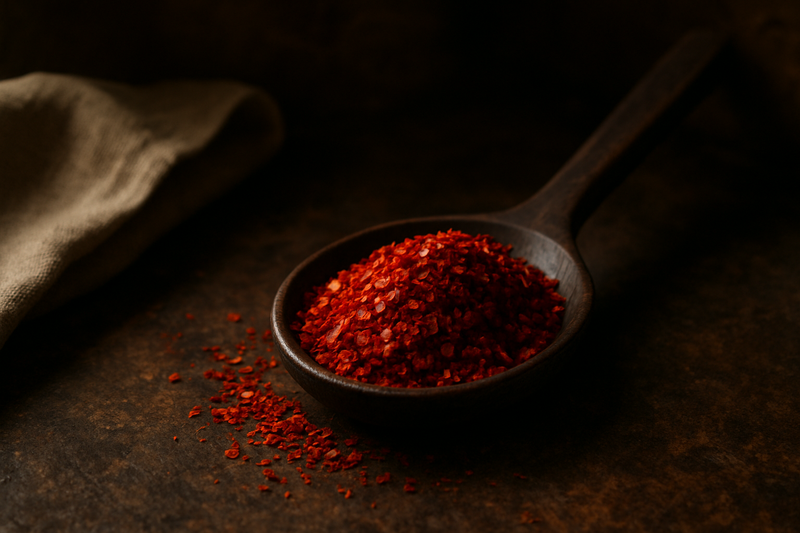
Gochugaru (Korean Chili Flakes) · Photograph
Discover the gochugaru health benefits backed by research, including antioxidant, anti-inflammatory, and metabolism-supporting properties. Learn about gochugaru nutrition facts, safe daily amounts, and how to use these fruity Korean chili flakes in kimchi, stews, and everyday cooking.
Key Nutrients
% Daily Value based on 2,000 cal diet
Key active compounds in gochugaru
- Capsaicin and capsaicinoids — Pungent compounds responsible for the burning sensation. They interact with pain and temperature receptors, and in experimental and some human studies have been linked to increased thermogenesis, lipid metabolism support, and anti-inflammatory effects.
- Carotenoids (beta-carotene, capsanthin, capsorubin) — The pigments that make gochugaru brilliantly red. Beta-carotene converts to vitamin A in the body; capsanthin and capsorubin are powerful antioxidants found almost exclusively in red peppers.
- Vitamin C (ascorbic acid) — An essential water-soluble antioxidant. Red peppers are among the richest whole-food sources of vitamin C per gram, though some is lost during drying and storage.
- Phenolic compounds and flavonoids — A broad family of plant antioxidants that help neutralize free radicals (unstable molecules that can damage cells) and may modulate inflammatory signaling pathways.
- Dietary fiber — Even in tablespoon-scale servings, gochugaru adds a small but real contribution of fiber, which supports gut transit and feeds beneficial gut bacteria.
Prep and pairing ideas
Gochugaru is one of the most versatile spices in a plant-based kitchen once you understand its character: fruity and moderately hot, with a subtle sweetness that deepens when exposed to fat or fermentation.
Classic kimchi paste — Combine gochugaru with grated Asian pear or apple (natural sugars balance the heat and help fermentation), minced garlic, grated ginger, fish sauce or soy sauce, and thinly sliced scallions. Massage into salted napa cabbage and ferment at room temperature for 1–5 days. The gochugaru provides both color and capsaicin; the fermentation multiplies probiotic activity.
Gochugaru-braised tofu — Press firm tofu, then braise in a sauce of gochugaru, low-sodium soy sauce, toasted sesame oil, garlic, and a splash of rice vinegar. The fat in sesame oil extracts fat-soluble carotenoids from the gochugaru, increasing their bioavailability (how well your body can absorb them).
Spiced grain bowls — Stir 1–2 teaspoons of gochugaru into cooked barley, farro, or brown rice along with roasted sweet potato, shredded kale, and a tahini-miso dressing. This combines gochugaru's capsaicin and carotenoids with the fiber and prebiotic compounds (nutrients that feed beneficial gut bacteria) in whole grains and cruciferous vegetables.
Storage tip: Keep gochugaru in an airtight container away from light and heat. The carotenoids — those vivid red pigments — are photosensitive and will fade and degrade if exposed to sunlight. Refrigerating an opened package significantly extends freshness and color vibrancy. Well-stored flakes keep for up to a year.
Bottom line
Gochugaru is more than a flavoring agent — it is a whole-food spice with a genuine phytochemical profile, including capsaicin, carotenoids, vitamin C, and phenolic antioxidants. The human evidence most relevant to its health effects comes from kimchi and gochujang research, where gochugaru-rich foods are consistently associated with cardiometabolic benefits: better blood pressure responses, improved blood sugar and triglyceride markers, and support for gut microbiome diversity. These benefits reflect the full food matrix, not isolated compounds, which is exactly how whole-food plant-based eating is meant to work.
For most healthy adults, using gochugaru regularly as part of a plant-forward diet — in kimchi, stews, grain bowls, and marinades — is a low-risk, high-flavor way to add antioxidants and anti-inflammatory compounds to everyday meals. Adjust heat level to your personal tolerance, watch sodium if you are relying heavily on processed gochujang products, and treat it as one delicious tool among many rather than a single solution.
Looking for more ways to use spices purposefully? Explore the Plantopedia goals hub to find food-as-medicine strategies organized around your specific health priorities.
How Gochugaru (Korean Chili Flakes) Compares
| Compared with | What's different |
|---|---|
| Gochugaru (Korean Chili Flakes) vs. Red Pepper Flakes | Gochugaru is seedless and sun-dried for a smokier, fruitier profile compared to the sharp heat of standard flakes. |
| Gochugaru (Korean Chili Flakes) vs. Gochujang | Gochugaru is a coarse flake, while Gochujang is a fermented paste containing salt, grains, and sweeteners. |
| Gochugaru (Korean Chili Flakes) vs. Cayenne Pepper | Gochugaru provides a mild-to-medium heat with sweetness, whereas Cayenne is much hotter and lacks the fruity notes. |
Health Benefits
Things to Know
Capsaicin and GI sensitivity: Capsaicin can worsen heartburn, gastroesophageal reflux disease (GERD — a condition where stomach acid travels back into the esophagus), gastritis, peptic ulcers, and IBS (irritable bowel syndrome). If any of these apply to you, start with very small amounts and observe your response.
Hemorrhoids and anal fissures: Spicy foods can aggravate these conditions for some individuals.
Sodium in processed products: Gochujang and some commercial kimchi can be very high in sodium. If you have hypertension or kidney disease, prioritize using raw gochugaru flakes and make sodium-aware choices.
Medication interactions — antihypertensives: If you are shifting from a high-sodium diet toward more gochujang or kimchi-based meals, blood pressure may change; monitor it and consult your prescriber if you are on medication.
Medication interactions — antidiabetics: If kimchi-rich or gochujang-heavy eating patterns improve your blood sugar, this may affect your insulin or oral hypoglycemic dosing. Track blood glucose when making large dietary shifts.
NSAIDs and GI irritants: Combining high-capsaicin food with non-steroidal anti-inflammatory drugs (e.g., ibuprofen) may increase the risk of GI discomfort.
Pregnancy: Heartburn is common during pregnancy; very spicy foods may aggravate it. Moderate amounts in cooking are generally considered safe, but listen to your body.
Children: Children not accustomed to spicy food may find even small amounts uncomfortable. Introduce gradually.
Topical capsaicin products: If you use capsaicin-containing creams for pain, be aware that adding large amounts of chili-rich food at the same time increases your total capsaicin load.
Shop This Ingredient
Stock your pantry with quality gochugaru (korean chili flakes).
Buy on AmazonAs an Amazon Associate, Plantopedia earns from qualifying purchases. This costs you nothing extra and helps us keep the encyclopedia free.
Frequently Asked Questions
Most of the direct human research involves gochujang or kimchi — fermented products where gochugaru is a core ingredient alongside garlic, ginger, fermented grains, and vegetables. The effects below are best understood as what gochugaru-rich foods may offer as part of a whole dietary pattern, rather than guaranteed outcomes from the flakes alone. Heart and circulation A 2024 clinical study published in Nutrients found that traditional gochujang — despite its high salt content — did not raise systolic blood pressure the way an equivalent amount of table salt did, suggesting that gochujang's unique fermented matrix (which includes gochugaru, soy, and rice) behaves differently from isolated sodium in the body. Separately, research summarized by University of Connecticut scientists found that adding kimchi to a typical diet was associated with improvements in blood pressure, triglycerides (blood fats), and blood sugar compared to more processed food alternatives. These results reflect kimchi's full ingredient list — including gochugaru, probiotics, garlic, ginger, and fermented vegetables — not chili flakes in isolation. Still, capsaicin-containing diets have independently been associated in observational research with lower cardiovascular mortality risk. Digestive health and microbiome Gochugaru contributes fiber and plant antioxidants that, within a dish like kimchi, complement the probiotic (beneficial live bacteria) environment created by fermentation. Preclinical studies on gochujang show it can help maintain gut microbiota (the community of microorganisms in your intestines) balance in animal models of colitis (gut inflammation). Direct human trials on gochugaru's standalone effect on digestion are limited, but the fiber and carotenoids it adds to any dish meaningfully support gut health in context. A practical note: capsaicin can temporarily speed gut motility (how quickly food moves through your intestines), which some people experience as urgency or loose stools. Start with smaller amounts if you are new to spicy food. Blood sugar and metabolism Capsaicin has been investigated across multiple studies for its ability to enhance lipid (fat) metabolism and may help modulate insulin sensitivity (how effectively your body responds to the hormone insulin). Media-reported research on kimchi consumption points to improvements in blood sugar and triglyceride levels, with capsaicin cited as a contributing factor among several. An animal study on gochujang products found reductions in body-weight gain, fat mass, and liver triglycerides. Human evidence specific to gochugaru is not yet robust enough to claim meaningful weight-loss effects, but as part of a whole-food, plant-rich eating pattern, regular chili consumption appears to support healthy metabolic markers. Inflammation and antioxidant protection Capsaicin and the carotenoids in gochugaru both act through antioxidant and anti-inflammatory pathways — capsaicin by modulating inflammatory signaling proteins, carotenoids by directly neutralizing free radicals. A 2025 review in Oncotarget found that gochujang elicits anti-cancer effects via distinct molecular mechanisms in cell-based studies. These findings are preliminary and mostly mechanistic (showing how the compounds could work), not clinical proof of cancer prevention. However, the consistent presence of anti-inflammatory compounds in gochugaru supports its status as a genuinely functional spice, not just a flavoring agent.
Coarse flakes vs. fine powder vs. gochujang — which should you use? Coarse gochugaru flakes are the most whole-food form and the format discussed on this page. They retain fiber, skin fragments, and the full spectrum of carotenoids and capsaicin. This is what you want for kimchi, dry rubs, and finishing oil. Fine Korean chili powder is more finely milled, so it disperses more evenly in sauces and marinades. The nutrient profile is essentially the same; perceived heat may feel slightly more intense because the smaller particles make more mucosal contact. Gochujang (fermented chili paste) contains gochugaru plus rice, soy, salt, and a starter culture. It is the most studied form in human trials. The downside: sodium content is high (often 300–700 mg per tablespoon depending on brand), so portion awareness matters, especially for anyone managing blood pressure or kidney health. Kimchi and other fermented dishes combine gochugaru with multiple probiotic and fiber-rich ingredients. Most of the positive clinical data comes from this form. If you eat kimchi regularly, you are likely getting the most clinically relevant combination of benefits. Key label tip: Look for gochugaru that lists only dried Korean red pepper (and sometimes salt) in the ingredients. Avoid blends that add artificial color, anti-caking agents, or significant fillers, as these dilute the phytochemical content.
Most human research on gochujang and kimchi does not isolate a specific gochugaru dose, but culinary practice and available data suggest the following ranges: General cooking: 1–2 teaspoons (roughly 2–4 g) per dish is typical for soups, stews, and marinades. At this level, you are adding meaningful carotenoids and some capsaicin while keeping things mild enough for most stomachs. Kimchi and spicy Korean dishes: Traditional recipes can use several tablespoons per batch, translating to roughly 2–10 g of gochugaru per serving depending on how much kimchi you eat. Most positive outcome data from kimchi studies corresponds to roughly 50–150 g of kimchi per day (approximately a half-cup), which contains several grams of gochugaru distributed across fermented vegetables. Capsaicin tolerance: There is no established universal upper limit for dietary capsaicin, but the general principle is to start low and increase gradually. Sudden large increases in chili consumption are more likely to cause GI discomfort than gradual adaptation. Practical guidance: If you are new to gochugaru, start with 1 teaspoon in a recipe serving 2–4 people and scale up over a few weeks. If you have any of the caution conditions listed above, keep amounts small and consistent rather than large and occasional.
Quick Answers
Common questions, answered in a line.
Gochugaru contains capsaicin, carotenoids, vitamin C, and phenolic compounds that provide antioxidant and anti-inflammatory effects. These active compounds help neutralize free radicals and have been linked to improved lipid metabolism and cardiometabolic support.
Consuming gochugaru-rich foods like kimchi is associated with cardiometabolic benefits, including improved blood sugar markers and better blood pressure responses. The spice's phytochemical profile supports gut microbiome diversity and healthy triglyceride levels.
Gochugaru should be stored in an airtight container away from light and heat to prevent its photosensitive carotenoid pigments from degrading. Refrigerating an opened package will significantly extend its freshness and color vibrancy for up to one year.
To increase the bioavailability of the fat-soluble carotenoids in gochugaru, you should pair the flakes with healthy fats like toasted sesame oil. Combining it with fermented foods or fiber-rich grains also helps maximize its impact on gut health.
Capsaicin in gochugaru can worsen symptoms of heartburn, GERD, gastritis, peptic ulcers, and irritable bowel syndrome (IBS). Those with GI sensitivities should start with very small amounts to observe their body's response.
Gochugaru contains capsaicin and capsaicinoids, which are linked to increased thermogenesis and supported lipid metabolism in experimental studies. These pungent compounds interact with temperature receptors to potentially influence how the body processes fats.
For Readers in the USA
Local context — sourcing, seasonality, and regional notes.
You can find gochugaru at major U.S. retailers like Whole Foods, H Mart, and Trader Joe's, or through online marketplaces like Amazon. For the best quality and traditional coarse or fine grinds, visit local Korean grocery chains like H Mart or Zion Market, which offer diverse regional brands.
In the U.S., you can find organic gochugaru labeled with the USDA Organic seal, which ensures the peppers were grown without synthetic pesticides or GMOs. Always check the ingredient list to ensure no artificial red dyes or excessive salt have been added to the flakes.
While most gochugaru is imported from South Korea or China, some specialty U.S. farms in regions like California and the Pacific Northwest now grow Korean chili peppers (Capsicum annuum) for small-batch production. These domestic versions are typically harvested in late summer and early fall.
When a recipe calls for gochugaru and you cannot find it, the best U.S. grocery store substitute is a mix of crushed red pepper flakes and smoked paprika. While standard red pepper flakes provide heat, they lack the distinct smokiness and vibrant red color characteristic of authentic Korean flakes.
AI Clinical Review
- Clear, accurate framing that most human evidence comes from kimchi and gochujang (which include gochugaru) rather than gochugaru alone.
- Balanced summary of key compounds—capsaicin, carotenoids, vitamin C, and phenolics—and how routine culinary use can add small but meaningful amounts.
- Practical guidance on forms (flakes vs. gochujang vs. kimchi) and why sodium in gochujang and some commercial kimchi matters for heart and kidney health.
- Sensible intake ranges (about 1–2 tsp per dish; kimchi ~½ cup/day in many studies) and tips on storage to preserve color and potency.
- Cardiovascular effects: promising signals from kimchi/gochujang trials and observational data, but results can’t be attributed to gochugaru alone or generalized to all brands, recipes, or sodium levels.
- Metabolism and weight: capsaicin can increase thermogenesis mildly, yet human trials show small, inconsistent effects on weight; optimal dose and long‑term impact remain unclear.
- Gut microbiome: benefits are most tied to fermented food matrices (kimchi/gochujang). Direct trials of gochugaru flakes on microbiota or GI outcomes are limited.
- Anti‑cancer mechanisms are largely preclinical (cell/animal studies). There is no clinical evidence that gochugaru prevents cancer.
- GI sensitivity: capsaicin may aggravate reflux/GERD, gastritis, peptic ulcers, IBS, hemorrhoids, or anal fissures—start low and increase based on personal tolerance.
- Sodium awareness: gochugaru flakes are low in sodium, but gochujang and some kimchi can be high. If you have hypertension or kidney disease, favor low‑sodium options and watch portions.
- Dosing: there’s no established upper limit for dietary capsaicin; consistent small amounts are better tolerated than sporadic large doses.
- Medications and conditions: If you’re adjusting intake of high‑sodium products or increasing fermented foods and notice changes in blood pressure or glucose, monitor closely and check in with your clinician—especially if you use antihypertensives or diabetes medications.
Adjust heat to tolerance; capsaicin can irritate sensitive stomachs.
References
- USDA FoodData Central — chili pepper nutrition reference (fdc.nal.usda.gov)
- Gochujang anti-hypertensive clinical study (human trial, Nutrients 2024) — traditional gochujang did not raise blood pressure despite high salt content (pmc.ncbi.nlm.nih.gov)
- Anti-obesity effects of gochujang prepared with rice koji (animal + biochemical study) — reductions in body-weight gain, fat mass, serum and liver triglycerides (pmc.ncbi.nlm.nih.gov)
- Gochujang anti-cancer mechanisms review (Oncotarget 2025) — distinct molecular anti-cancer mechanisms and gut microbiota modulation in preclinical models (pmc.ncbi.nlm.nih.gov)
- Cognitive function improvement with tomato-supplemented gochujang (animal study) — enhanced neuroprotective activities (pmc.ncbi.nlm.nih.gov)
- Gochugaru pepper profile and SHU range — flavor, heat level, and culinary overview (knowthepepper.com)
- Nutrition data for gochugaru chili flakes — ReciPal (recipal.com)
- Kimchi and heart health — cardiometabolic markers summary (Fox News / University of Connecticut research summary) (foxnews.com)
- NIH NCCIH — Capsaicin and chili pepper safety overview (nccih.nih.gov)
Know Your Numbers
Eating healthy is a start. Now get to know your biomarkers.
Food changes bloodwork — inflammation, lipids, blood sugar and nutrient status all respond to what you eat. 59 markers from $59.
- Results in 7–10 days at 2,000+ Quest sites
- Licensed provider reviews every result
- One flat price, no membership, HSA/FSA eligible
Educational information only, not medical advice. Panels are ordered and reviewed through our licensed partner; Plantopedia may earn a commission.