Good Mother Stallard Beans — health benefits and uses
A treasured seed-saved heirloom passed hand to hand among gardeners.
The Short Answer
Good Mother Stallard beans are a heritage legume known for their velvety texture and ability to produce a rich, flavorful broth called pot likker. They are an excellent source of plant-based protein, providing 7.4 grams and 6.2 grams of fiber per half-cup
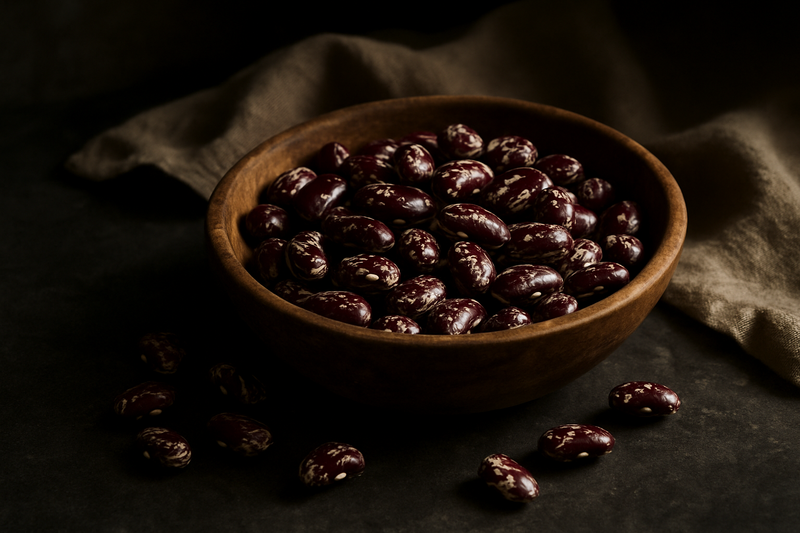
Good Mother Stallard Beans · Photograph
Discover the full story on Good Mother Stallard beans nutrition and health benefits — from their rich plant protein and fiber to their heart-friendly pot likker broth. Learn how to cook them, how much to eat, and what the evidence really says.
Key Nutrients
% Daily Value based on 2,000 cal diet
Key active compounds
Good Mother Stallard beans owe their nutritional punch to a combination of macronutrients, micronutrients, and plant compounds called phytochemicals (beneficial molecules made by plants, not essential nutrients but potentially health-supporting).
- Polyphenols including flavonoids — a broad class of plant compounds concentrated in the maroon seed coat; associated with antioxidant activity (neutralizing cell-damaging molecules called free radicals) and support for vascular health.
- Phenolic acids (ferulic and caffeic acids) — a subgroup of polyphenols found in the outer layers of the bean; may reduce oxidative stress and help modulate glucose metabolism.
- Anthocyanins and seed-coat pigments — the compounds responsible for the distinctive maroon speckling; provide antioxidant activity and are linked in broader research to vascular and brain health.
- Resistant starch — a fraction of starch that is not digested in the small intestine and instead travels to the colon, where gut bacteria ferment it. This acts as a prebiotic (food for beneficial bacteria), producing short-chain fatty acids and supporting a healthier gut environment.
- Lectins — proteins naturally present in raw beans that can cause GI distress if consumed undercooked; fully neutralized by thorough cooking. Not a health concern when beans are properly prepared.
Prep and pairing ideas
Good Mother Stallard beans are particularly suited to dishes where a thick, rich broth is the point.
Classic Southern brothy beans: Simmer soaked beans with aromatics (onion, garlic, bay leaf, a smoked spice or a small piece of kombu seaweed to aid digestibility) until very tender. Serve in deep bowls with cornbread for dipping in the pot likker. Simple and deeply satisfying.
Pasta e fagioli: The meaty bite of Good Mother Stallard holds up beautifully in this Italian bean-and-pasta soup. Add diced tomatoes, rosemary, and short pasta to the cooked beans and broth for a complete, fiber- and protein-rich meal.
Grain bowl base: Spoon cooked Good Mother Stallard beans (with some of their broth) over farro, brown rice, or barley, then top with roasted vegetables, a squeeze of lemon, and fresh herbs. The broth acts as a built-in sauce.
Pairing tip — vitamin C boost: Plant-based iron from beans (non-heme iron) is better absorbed when eaten with vitamin C-rich foods. A squeeze of lemon juice, some diced tomato, or a handful of greens served alongside your beans can meaningfully improve iron uptake.
Who benefits most
The cardiovascular risk-reducer
- Has elevated LDL cholesterol or a family history of heart disease
- Wants to add soluble fiber without a supplement
- Is already eating a lower-meat diet and looking to anchor meals with satisfying plant protein
The high-fiber gut health seeker
- Eats fewer than 20 g of fiber per day (below the recommended 25–38 g)
- Experiences occasional constipation or irregular digestion
- Wants to feed their gut microbiome with prebiotic-rich whole foods rather than powders or pills
Bottom line
Good Mother Stallard beans are more than a heritage curiosity — they are a practical, affordable, nutrient-dense food that earns its place in any whole-food diet. One half-cup serving provides meaningful amounts of plant protein, fiber, folate, iron, and magnesium. The evidence for common beans supporting heart health and blood sugar control is moderate and reasonably consistent across human trials and dietary reviews. The inflammation and antioxidant benefits are promising but more preliminary.
The one non-negotiable: cook them fully. Beyond that, start with small portions if beans are new to you, pair them with vitamin C-rich foods to boost iron absorption, and enjoy the pot likker — it's one of the tastiest ways to get your minerals.
Looking to build a diet around foods that actively support your health goals? Explore how ingredients like Good Mother Stallard beans fit into a whole-food approach at Plantopedia Goals.
Buying guide
Dried whole beans (best option) Good Mother Stallard beans are available from specialty heirloom bean companies (most notably Rancho Gordo) and some farmers' markets during growing season. Look for beans with a vibrant maroon-and-white pattern — faded color can indicate older stock that may take longer to cook and have diminished flavor. Store in an airtight container away from light and heat; use within 1–2 years for best texture.
Label tips
- "Current crop" or a harvest year on the label is a good sign; older beans can become starchy and tough even after long cooking.
- Avoid bags with cracked, shriveled, or uniformly pale beans — freshness matters more with heirlooms than with commodity beans.
- Organic certification is optional; beans as a crop generally carry low pesticide residue compared to many other foods.
Fresh shelling beans (seasonal) Occasionally available at farmers' markets in late summer. Fresh-shelled Good Mother Stallard beans cook much faster (20–30 minutes, no soak needed) and have a creamier texture, though lower resistant starch than fully dried beans.
Supplements Not applicable — Good Mother Stallard beans are a whole food. Bean extracts or white kidney bean supplements are a separate category and are not a substitute for the whole ingredient.
How Good Mother Stallard Beans Compares
| Compared with | What's different |
|---|---|
| Good Mother Stallard Beans vs. Pinto Beans | Larger and starchier, whereas Good Mother Stallard is prized for its rich, creamy broth. |
| Good Mother Stallard Beans vs. Black Beans | Thicker skin and earthier taste compared to the thin-skinned, velvety Good Mother Stallard. |
| Good Mother Stallard Beans vs. Anasazi Beans | Smaller and milder; Good Mother Stallard has a more complex, meaty flavor and denser texture. |
Health Benefits
Things to Know
Cook thoroughly, every time.: Raw or undercooked common beans contain lectins that can cause nausea, vomiting, and diarrhea within hours of eating. Boiling fully — especially after soaking — deactivates these compounds completely.
Increase intake gradually.: Adding a large amount of beans suddenly to a low-fiber diet often causes gas and bloating. Start with ¼ cup and build up over a few weeks while drinking adequate water.
Kidney disease.: People with moderate to advanced chronic kidney disease (CKD) or those on dialysis may need to limit potassium and phosphorus. Beans are high in both. Check with a nephrologist or renal dietitian before eating beans regularly.
Irritable bowel syndrome (IBS).: Beans are high in FODMAPs (fermentable short-chain carbohydrates that can trigger IBS symptoms in sensitive individuals). Some people with IBS tolerate smaller portions of well-cooked, rinsed canned beans better than home-cooked dry beans.
Inflammatory bowel disease (IBD) flares.: During active flares, high-fiber foods may worsen symptoms. A low-fiber approach is often recommended temporarily.
Warfarin (anticoagulant) users.: Beans contribute modest amounts of vitamin K, which affects how warfarin works. You don't need to avoid beans, but keeping your intake consistent helps your medication dose stay stable.
Diabetes medications and antihypertensives.: If beans noticeably improve your blood sugar or blood pressure, your medication needs might change. Keep your prescriber informed when making significant dietary shifts.
Legume allergy.: If you have a confirmed allergy to any legume (peanuts, soy, lentils), consult an allergist before introducing a new bean variety.
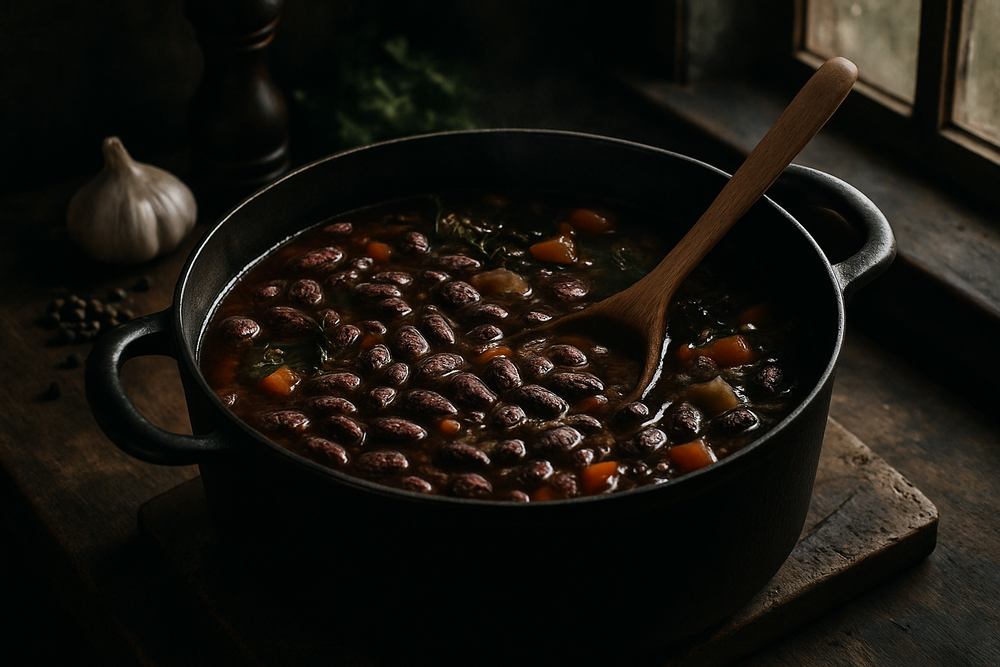
Shop This Ingredient
Stock your pantry with quality good mother stallard beans.
Buy on AmazonAs an Amazon Associate, Plantopedia earns from qualifying purchases. This costs you nothing extra and helps us keep the encyclopedia free.
Frequently Asked Questions
The research summarized below applies to common beans as a category. Good Mother Stallard beans have not been individually tested in clinical trials, but their macronutrient and phytochemical profile is consistent with the broader evidence. Heart and circulation A multicenter randomized crossover trial in adults with elevated LDL cholesterol (often called "bad" cholesterol) found that eating about ½ cup of canned common beans daily for four weeks significantly reduced both total cholesterol and LDL compared with a white rice control. The effect is thought to come from soluble fiber — particularly a gel-forming type called beta-glucan-like fiber — which binds to bile acids in the gut and helps the body clear more cholesterol. The low saturated fat content of beans also contributes. Large-scale observational studies link regular legume intake to lower rates of cardiovascular events, though this kind of data can't prove cause and effect on its own. Digestive health and microbiome Fiber is where beans genuinely shine in the research. A half-cup cooked serving provides roughly 22% of the daily fiber target — and a full cup gets you close to half. That fiber supports regular bowel movements, adds stool bulk, and — through the resistant starch component — feeds beneficial gut bacteria. A healthier gut microbiome (the community of microorganisms living in your digestive tract) is increasingly linked to immune function, mood, and metabolic health, though the science is still evolving. The trade-off: fermentable fiber causes gas and bloating in some people, especially when bean intake increases suddenly. Blood sugar and metabolism Beans have a low glycemic index (a measure of how quickly a food raises blood sugar after eating). The combination of slowly digested starch, high fiber, and protein blunts the blood sugar spike that follows a meal. Reviews of bean-centered eating patterns report improvements in postprandial glycemic response (blood sugar levels after eating) and increases in insulin sensitivity (how effectively cells respond to the hormone that moves sugar out of the bloodstream) in both people with and without type 2 diabetes. Replacing refined grains or starchy sides with beans appears to be the key mechanism. Inflammation and recovery Evidence here is more preliminary. Higher legume intake is associated in population studies with lower markers of chronic low-grade inflammation — a persistent, low-level immune activation linked to heart disease, metabolic disorders, and aging. The polyphenols and anthocyanins in the seed coat of colored beans like Good Mother Stallard may contribute. However, most of this evidence is either observational or from animal and cell studies. Direct human trials specifically measuring inflammation and bean intake are limited, so treat this area as promising but not settled. Folate, iron, and metabolic support A half-cup serving provides 23% of the daily folate target. Folate (vitamin B9) is essential for DNA synthesis, red blood cell formation, and metabolizing homocysteine — an amino acid that, at elevated blood levels, is associated with higher cardiovascular risk. Beans also contribute non-heme iron (plant-based iron), which is less readily absorbed than animal-source iron but absorption can be improved by pairing beans with vitamin C-rich foods. Magnesium, thiamin, and potassium round out a micronutrient profile that supports energy metabolism, nerve signaling, and blood pressure regulation.
Dried beans, soaked and slow-cooked (recommended) This is the traditional and most nutritionally intact form. Soaking overnight (or using a quick-soak method) reduces cooking time and can help with digestibility. Long, slow simmering in plenty of water is what builds Good Mother Stallard's signature pot likker — the thick, deeply flavored broth that makes this bean worth seeking out. Don't discard the cooking liquid; serve it as part of the dish. Pressure cooker or Instant Pot Achieves fully cooked beans in 25–40 minutes (unsoaked) and still produces a flavorful broth. A widely used method for cooks who want the texture of slow-cooked beans without the wait. Canned common beans (as a substitute) Most clinical research showing cholesterol and blood sugar benefits has used canned beans for practicality. Canned beans are nutritionally comparable to home-cooked, though sodium content varies widely — rinsing canned beans removes 20–40% of added sodium. Good Mother Stallard beans are not commonly available canned, but other common beans can stand in for research-context comparisons. Mashed or puréed Mashing cooked Good Mother Stallard beans creates a creamy spread or soup base while retaining nearly all the fiber and nutrients of whole beans. The texture is slightly less intact-fiber-forward than whole beans, but the nutritional value holds.
Most of the research showing meaningful cardiovascular and blood sugar benefits used ½ to 1½ cups (roughly 90–270 g) of cooked beans per day, often in place of refined carbohydrates or meat. Major dietary guidelines, including those from Harvard's T.H. Chan School of Public Health, recommend several legume servings per week as part of a healthy eating pattern — with beans as the centerpiece option. A practical starting dose for someone new to beans is ¼ cup cooked (about 45 g) once daily with plenty of fluids, building to ½–1 cup daily over two to four weeks as tolerance improves. For established bean eaters, 1 cup daily as part of a varied diet is well within normal range and consistent with the intake levels studied for cardiometabolic benefit. There is no established upper limit for healthy adults eating beans as whole food. That said, very high intakes (multiple cups daily) may be difficult to tolerate digestively and can contribute substantial potassium and phosphorus for those who need to monitor those nutrients.
Quick Answers
Common questions, answered in a line.
Good Mother Stallard beans are a rich source of plant-based protein, dietary fiber, folate, iron, and magnesium. They also contain health-supporting phytochemicals like polyphenols, flavonoids, and anthocyanins, which are concentrated in their maroon-and-white seed coats.
To maximize iron absorption from Good Mother Stallard beans, pair them with foods high in vitamin C, such as a squeeze of lemon juice, diced tomatoes, or a side of leafy greens. Vitamin C helps the body better absorb the non-heme iron found in plant-based foods.
Good Mother Stallard beans are excellent for gut health because they contain resistant starch, which acts as a prebiotic to feed beneficial gut bacteria. This process produces short-chain fatty acids that support a healthier environment in the colon.
You must cook Good Mother Stallard beans thoroughly to neutralize lectins, which are natural proteins in raw beans that can cause gastrointestinal distress. Boiling the beans fully, especially after soaking, makes them safe to consume.
When buying dried Good Mother Stallard beans, look for a vibrant maroon-and-white pattern and check for a "current crop" or harvest year label. Faded colors or shriveled skins can indicate older stock that may stay tough and flavorless even after long cooking.
If you have Irritable Bowel Syndrome (IBS), you should be cautious because beans are high in FODMAPs, which are fermentable carbohydrates that can trigger symptoms. Some sensitive individuals may tolerate smaller portions of rinsed beans better than large servings.
The pot likker, or the thick, rich broth produced during simmering, is highly nutritious because it contains minerals released from the beans during cooking. It is traditionally served in deep bowls and enjoyed with cornbread or used as a built-in sauce for grain bowls.
For Readers in the USA
Local context — sourcing, seasonality, and regional notes.
You can find Good Mother Stallard beans primarily through heirloom specialists like California-based Rancho Gordo or at high-end grocery chains like Whole Foods Market. Because they are a niche heritage variety, they are less common in standard supermarkets like Kroger or Walmart and are often sold online directly from domestic growers.
Good Mother Stallard beans are typically harvested in the late summer and early fall, appearing at US farmers markets from August through October. While dried versions are available year-round from American suppliers, fresh shelling beans are a seasonal delicacy found briefly in temperate growing regions during the harvest window.
In the US, these beans are often prepared as "Southern-style brothy beans" served alongside cornbread, or used as a creamy protein base in regional California "farm-to-table" cuisine. Their deep, savory pot likker makes them a favorite in the American South, where slow-simmering legumes with aromatics is a long-standing culinary tradition.
The USDA does not maintain a specific "heirloom" grade, but Good Mother Stallard beans sold with the USDA Organic seal ensure they were grown without synthetic pesticides or GMOs. When buying from US growers, look for a "current crop" harvest date on the label to ensure the beans meet the highest standards for flavor and cooking texture.
AI Clinical Review
- Strong, accurate emphasis on fiber (≈6 g per ½ cup) and plant protein (≈7–8 g per ½ cup) consistent with common bean nutrition data.
- Appropriately links regular bean intake with modest improvements in LDL cholesterol and post‑meal blood sugar when beans replace refined carbs or meat.
- Explains digestive benefits of fiber and resistant starch as prebiotics (they feed helpful gut bacteria), with practical advice to increase portions gradually.
- Highlights full cooking to deactivate lectins and underscores the value of the flavorful, nutrient‑containing cooking liquid (“pot likker”).
- No clinical trials exist on Good Mother Stallard specifically; benefits are inferred from research on common beans overall.
- Antioxidant/anti‑inflammatory claims for colored bean polyphenols (e.g., anthocyanins) are biologically plausible, but human trial data tying these compounds to hard outcomes are limited.
- Microbiome effects are highly individual; while many people adapt over time with less gas, the magnitude and pattern of microbial changes vary person‑to‑person.
- The exact amount of vitamins/minerals that move into the broth depends on soaking, salting, and cooking time; treat “extra nutrients in pot likker” as a culinary bonus rather than a guaranteed dose.
- Safety: Always cook beans fully; undercooked beans can cause acute GI upset. Canned beans are fully cooked; rinsing can lower added sodium by roughly 20–40%.
- Practical dose: For cardiometabolic benefit, ½–1 cup cooked daily is reasonable; if new to beans, start around ¼ cup and increase over 2–4 weeks with adequate fluids.
- Who should check in first: People with moderate–advanced chronic kidney disease (potassium/phosphorus), those with IBS sensitive to FODMAPs (fermentable carbs), anyone in an IBD flare, and individuals with known legume allergies.
- Medications: Keep vitamin K intake consistent if on warfarin; improvements in blood sugar or blood pressure from higher bean intake may warrant medication review. Pairing beans with vitamin C–rich foods can enhance non‑heme iron absorption.
Cook fully before eating.
References
- USDA FoodData Central — cooked common beans (Phaseolus vulgaris) nutrient data (fdc.nal.usda.gov)
- Harvard T.H. Chan School of Public Health Nutrition Source — Legumes and Pulses overview (nutritionsource.hsph.harvard.edu)
- Randomized crossover trial: Canned beans reduce serum LDL and total cholesterol in adults with elevated LDL — Journal of Nutrition (2022) (sciencedirect.com)
- Narrative review: Health Benefits of Plant-Based Nutrition: Focus on Beans — Nutrients (2021) (mdpi.com)
- USDA Nutritive Value of Foods — dry bean nutrient reference tables (ars.usda.gov)
- University of Rochester Medical Center — dietary fiber and digestive health overview (urmc.rochester.edu)
- Happy Acres blog — Good Mother Stallard beans culinary profile and cooking characteristics (happyacres.blog)
- Specialty Produce — Good Mother Stallard shelling beans description (specialtyproduce.com)
- Rancho Gordo — bean nutrition reference chart (ranchogordo.com)
Know Your Numbers
Eating healthy is a start. Now get to know your biomarkers.
Food changes bloodwork — inflammation, lipids, blood sugar and nutrient status all respond to what you eat. 59 markers from $59.
- Results in 7–10 days at 2,000+ Quest sites
- Licensed provider reviews every result
- One flat price, no membership, HSA/FSA eligible
Educational information only, not medical advice. Panels are ordered and reviewed through our licensed partner; Plantopedia may earn a commission.