Gundruk (Fermented Leafy Greens) — health benefits and uses
A Himalayan staple prized for restoring appetite and preserving greens through winter.
The Short Answer
Gundruk is a traditional Nepali fermented food made by sun-drying mustard or radish leaves, providing a tangy flavor profile and natural probiotics. It is rich in lactic acid bacteria and dietary fiber, supporting gut health and digestion.
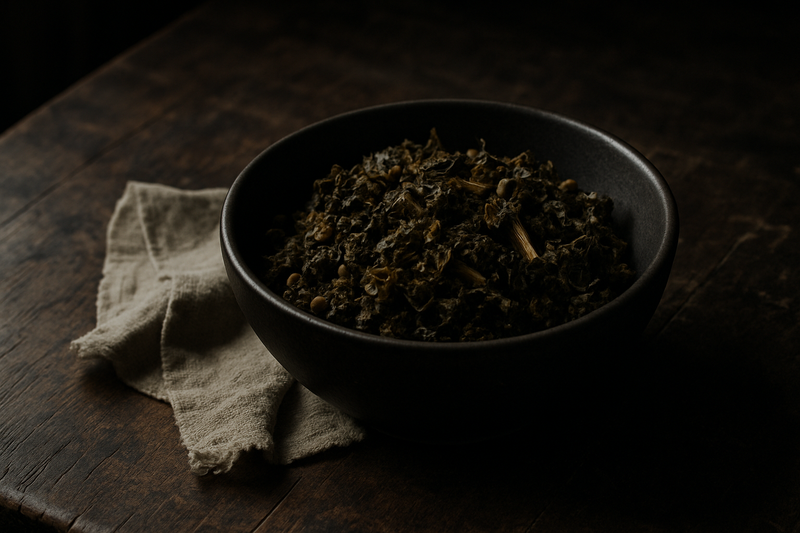
Gundruk (Fermented Leafy Greens) · Photograph
Discover gundruk health benefits and nutrition — a traditional Nepali fermented leafy green made from sun-dried mustard and radish leaves. Learn about its probiotic content, iron, vitamin C, fiber, how to cook it, and who should use caution with this tangy, gut-friendly staple.
Key Nutrients
% Daily Value based on 2,000 cal diet
Key active compounds
- Lactic acid bacteria (LAB): Beneficial microorganisms, including Lactobacillus species, that dominate gundruk's spontaneous fermentation. They produce lactic acid (the source of tartness), lower pH for preservation, and may act as probiotics in the gut.
- Glucosinolates and isothiocyanates: Sulfur-containing compounds naturally present in Brassica plants (mustard, radish). Fermentation transforms their profile; research in other cruciferous vegetables suggests they may support detoxification pathways.
- Polyphenols (phenolic acids and flavonoids): Antioxidant plant compounds found in the original leafy greens; fermentation can increase their availability.
- Carotenoids: Pigmented phytochemicals that include provitamin A compounds. Sun-drying concentrates carotenoids while preserving them if drying is not excessive.
- Lactic acid and fermentation metabolites: Organic acids and bioactive by-products created during fermentation that contribute to gundruk's sour taste, enhance preservation, and may support gut microbiome balance.
- Dietary fiber: Insoluble and soluble fibers from the original leafy greens, concentrated by drying, that feed beneficial gut bacteria and support stool regularity.
Buying guide: How to choose and store gundruk
Dried gundruk packets (South Asian grocery stores or online): Look for a dark olive-green to brownish color — that's normal from sun-drying. Avoid packets with a musty, ammonia-like smell (which can indicate over-fermentation or contamination) or excessive moisture inside the packaging. Ingredient labels should say only leafy greens and possibly salt; avoid products with artificial preservatives if your goal is a natural ferment.
Fresh vs. dried: Gundruk is almost always sold dried, not fresh. The drying is what creates the concentrated nutrient profile and shelf stability. "Fresh gundruk" is really just wilted leaves before the drying step — it won't have the same fermented character.
Salt content: Commercial gundruk can range widely in sodium. If you're watching sodium intake, rinse the rehydrated leaves thoroughly in a strainer under cold water for 30–60 seconds before cooking — this removes surface salt without significantly affecting the fermented flavor.
Storage: Keep sealed dried gundruk in a cool, dark, dry place (like a pantry cupboard). Once opened, transfer to an airtight container and use within 3–6 months for best flavor. Refrigerating after opening can extend shelf life and preserve any remaining live bacteria.
Prep and pairing ideas
Gundruk ko jhol (basic soup): Soak 10–15 g dried gundruk in warm water for 15–20 minutes, drain and squeeze. Sauté onion, garlic, and tomato in a pot, add the gundruk, pour in vegetable broth, season with turmeric and cumin, and simmer for 10 minutes. Serve over rice. Rehydrating and rinsing before cooking reduces bitterness and excess salt.
Gundruk stir-fry with potatoes: Soak and rinse gundruk as above. Cube two medium potatoes and parboil until just tender. In a pan, cook mustard seeds in a little oil, add onion and green chili, then the potatoes and gundruk. Season with turmeric and a pinch of salt. The tangy gundruk brightens starchy potatoes without needing extra acid.
Gundruk achar (quick relish): Rehydrate a small amount of gundruk, finely chop, and mix with diced tomato, fresh green chili, a squeeze of lime, and fresh cilantro. Serve as a condiment alongside dal and rice. No cooking needed — this maximizes probiotic LAB survival.
Three practical pairings:
- Gundruk + lentil dal: Iron from gundruk pairs well with the vitamin C naturally present in tomato-based dal, which can enhance non-heme iron absorption.
- Gundruk + potatoes: A classic Nepali pairing. Resistant starch in potatoes feeds gut bacteria alongside gundruk's probiotic contribution, making this a prebiotic-plus-probiotic combo.
- Gundruk + brown rice: The fiber in gundruk complements the slow-digesting carbohydrate of brown rice, helping smooth out blood sugar response and keeping the meal satisfying.
Bottom line
Gundruk is one of the world's lesser-known fermented foods, but it belongs in the same conversation as kimchi and sauerkraut. It's a whole-food, fiber-rich, lacto-fermented vegetable that concentrates the nutrients of mustard and radish leaves while introducing beneficial bacteria and improving mineral bioavailability. Its fiber supports digestive regularity, its mineral content (especially iron and calcium) is meaningful on a dry-weight basis, and its probiotic LAB may contribute to gut microbiome diversity — though gundruk-specific human trials are still needed.
The main practical caution is sodium: always rehydrate and rinse before cooking, and choose lower-salt preparations if you're managing blood pressure. Within those limits, gundruk is a flavorful, genuinely nutritious addition to a plant-rich diet — and a beautiful example of how traditional food wisdom often anticipates what nutrition science eventually confirms.
How Gundruk (Fermented Leafy Greens) Compares
| Compared with | What's different |
|---|---|
| Gundruk (Fermented Leafy Greens) vs. Sauerkraut | Made from cabbage; higher in sodium and water content compared to the concentrated, dried leaves of gundruk. |
| Gundruk (Fermented Leafy Greens) vs. Kimchi | Uses a salt-water brine; gundruk is fermented via sun-drying and crushing without added liquid. |
Health Benefits
Things to Know
Sodium: Gundruk's sodium content varies by recipe. Rehydrate and rinse before cooking to reduce surface salt. If you're on a sodium-restricted diet, count gundruk in your daily sodium budget.
Histamine sensitivity: Like all naturally fermented foods, gundruk can contain biogenic amines including histamine. If you have histamine intolerance, introduce it in very small amounts and monitor symptoms.
Thyroid conditions: Gundruk is made from cruciferous vegetables that contain goitrogens. Typical portions are small and unlikely to cause problems, but if you have a thyroid condition, discuss regular intake with your doctor.
Kidney disease: Gundruk is mineral-dense. People managing chronic kidney disease (CKD) and limiting potassium or minerals should check with a renal dietitian before adding it regularly.
Warfarin / anticoagulants: Leafy greens contain vitamin K, which affects how warfarin works. Culinary portions are small, but consistency matters — eat gundruk in similar amounts day to day and discuss it with your prescribing clinician.
MAO inhibitors: Fermented foods can contain biogenic amines that interact with monoamine oxidase inhibitor (MAOI) medications. Follow your prescriber's general guidance on fermented and aged foods.
Pregnancy and immunocompromise: Commercial or thoroughly cooked gundruk is safer than home-fermented batches where hygiene is uncertain. Improperly fermented vegetables carry a risk of harmful bacteria.
IBS / sensitive digestion: Start with 1–2 teaspoons of rehydrated gundruk per meal and increase gradually over 2–3 weeks to allow your gut microbiome time to adjust.
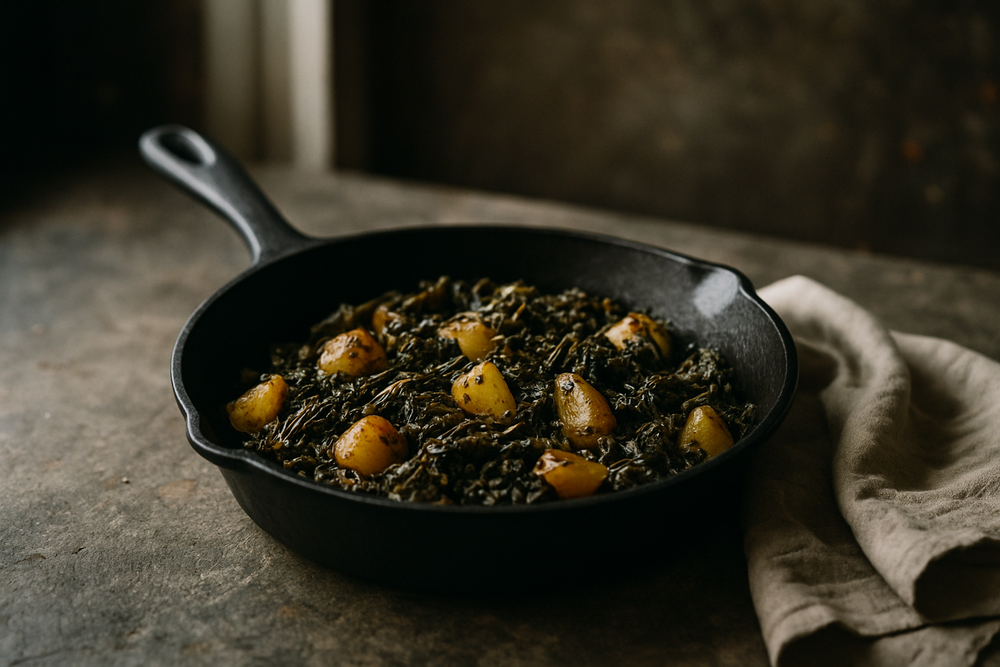
Prep Ideas
- — Gundruk + lentil dal: Iron from gundruk pairs well with the vitamin C naturally present in tomato-based dal, which can enhance non-heme iron absorption.
- — Gundruk + potatoes: A classic Nepali pairing. Resistant starch in potatoes feeds gut bacteria alongside gundruk's probiotic contribution, making this a prebiotic-plus-probiotic combo.
- — Gundruk + brown rice: The fiber in gundruk complements the slow-digesting carbohydrate of brown rice, helping smooth out blood sugar response and keeping the meal satisfying.
Glossary
Shop This Ingredient
Stock your pantry with quality gundruk (fermented leafy greens).
Buy on AmazonAs an Amazon Associate, Plantopedia earns from qualifying purchases. This costs you nothing extra and helps us keep the encyclopedia free.
Frequently Asked Questions
Digestive health and microbiome Gundruk's most direct, evidence-supported benefit is its potential contribution to gut health — and it works on two levels. First, fiber from the dried leafy greens acts as a prebiotic (food for your gut bacteria), helping to bulk stools and feed beneficial microbes. Second, the lactic acid bacteria present in gundruk may act as probiotics, the live microorganisms that, when consumed in adequate amounts, can support digestive comfort and microbiome diversity. Human studies haven't tested gundruk specifically, but research on closely related lacto-fermented vegetables — kimchi, sauerkraut, and similar foods — consistently shows improvements in stool consistency, gut microbiota diversity, and markers of gut barrier function. Because gundruk's fermentation is dominated by similar Lactobacillus species, these benefits are plausibly applicable. A 2021 Stanford trial on fermented foods (including vegetables) found that a diet high in fermented foods increased microbiome diversity and decreased some markers of immune activation. Gundruk fits naturally into that dietary pattern. People with sensitive digestion or irritable bowel syndrome (IBS) should introduce gundruk slowly, as the combination of fiber, sourness, and fermentation-derived compounds can cause gas or bloating in larger amounts. Heart and circulation There are no clinical trials directly testing gundruk on blood pressure or cholesterol. The theoretical pathway goes like this: gundruk comes from potassium-rich leafy greens, and potassium helps regulate blood pressure by counteracting the effects of sodium. Fermented vegetables have also been associated with modest lipid improvements in some trials. However — and this is important — some gundruk preparations use salt during fermentation, and sodium content varies considerably by recipe and producer. High sodium intake can raise blood pressure, which would undercut any potassium benefit. Always rehydrate and rinse gundruk well before cooking, and choose low-salt preparations if cardiovascular health is a concern. Blood sugar and metabolism Gundruk has a very low glycemic load (a measure of how much a food raises blood sugar). Its fiber slows digestion, and fermented vegetables as a category have been associated with better glycemic responses in some studies. As a practical matter, swapping a starchy side dish for a gundruk-based vegetable dish is likely to support steadier blood sugar — but gundruk itself has no proven direct glucose-lowering action. Inflammation and recovery Gundruk's antioxidants — carotenoids, polyphenols, and vitamin C — can help neutralize free radicals (unstable molecules that cause cellular damage). The fermentation process may amplify the bioavailability of these antioxidants and add fermentation-derived compounds with their own mild anti-inflammatory properties. Human data specific to gundruk don't yet exist, but this mechanism parallels what has been observed in studies of other fermented leafy vegetables. Hormones and cycle health Gundruk is made from cruciferous plants that contain glucosinolates, which may support the liver's detoxification pathways. Traditional Nepali sources highlight gundruk as a valuable food for lactating mothers due to its concentrated nutrient content. There are no controlled clinical studies supporting specific hormonal claims. In very large quantities, cruciferous vegetables can expose goitrogens — compounds that may interfere with thyroid function — but typical culinary portions of gundruk are far too small to present this risk for most people.
The short answer: all forms have merit, and the "best" one is whichever you'll actually eat. Dried whole gundruk is the most nutrient-dense per gram and retains the most probiotic bacteria before cooking. It's the base ingredient you rehydrate and then prepare however you like. Gundruk ko jhol (soup) is the gentlest introduction. Simmering in broth with tomatoes, onions, garlic, and chilies reduces sourness and acidity, making it easier on sensitive stomachs. Some LAB don't survive high cooking temperatures, but the fiber, minerals, and fermentation metabolites remain. The warm broth also helps with hydration. Stir-fried gundruk with potatoes preserves more texture and allows you to control how much oil and salt are added. The combination of resistant starch from potatoes and fiber from gundruk makes this a genuinely gut-friendly pairing. Gundruk achar (pickle/relish) is eaten in tiny amounts — a teaspoon or two — and contributes flavor more than nutrients, though it still delivers some probiotic organisms if not heated. If maximizing live probiotic content is your goal, use a small amount of dried or briefly soaked gundruk as a topping added after cooking, rather than simmering it for a long time.
There is no established clinical dose for gundruk. Traditional Nepali meals typically use 5–20 g of dry gundruk per serving, which translates to a few tablespoons of rehydrated leaves in a soup or stir-fry. Modern health-oriented sources sometimes suggest 50–100 g (wet weight after rehydration) as part of a balanced meal, which is roughly equivalent to 10–20 g dry weight. A sensible starting approach: Beginners: Start with 5 g dry (about 1–2 teaspoons) rehydrated and cooked into soup, 2–3 times per week. Regular use: 10–20 g dry weight per serving, 3–5 times per week, is consistent with traditional consumption and unlikely to cause issues for healthy adults. Caution groups (sodium, kidney, histamine concerns): Keep to smaller amounts and rinse thoroughly; increase only with guidance from a dietitian or physician. More is not necessarily better. Gundruk's benefits come from consistent, moderate inclusion in a varied diet — not from eating large quantities at once.
Quick Answers
Common questions, answered in a line.
Gundruk is a traditional fermented food made from leafy greens, primarily mustard and radish leaves, that are sun-dried to concentrate nutrients. This tangy staple is common in Nepali cuisine and is valued for its probiotic content, fiber, and essential minerals like iron and calcium.
You can lower the salt in gundruk by soaking the dried leaves in warm water for 15–20 minutes and then rinsing them thoroughly in a strainer. This process removes surface salt and reduces bitterness without losing the characteristic fermented flavor.
To keep gundruk fresh, store the dried leaves in an airtight container in a cool, dark, and dry place like a pantry. While it lasts 3–6 months in the pantry, refrigerating the container after opening can further extend its shelf life and help preserve beneficial bacteria.
When buying gundruk, look for a dark olive-green to brownish color and avoid any packets that have a musty or ammonia-like smell. Ensure there is no moisture inside the packaging, as this could indicate contamination or over-fermentation.
People with histamine intolerance, thyroid conditions, or chronic kidney disease should use caution and consult a healthcare provider before eating gundruk regularly. Because it is made from cruciferous vegetables and is mineral-dense, it may affect those managing specific health conditions or taking medications like warfarin.
Yes, you can eat gundruk without cooking it by making a quick relish called gundruk achar, which involves mixing rehydrated leaves with tomato and lime. Consuming it raw or minimally processed in this way helps maximize the survival of beneficial lactic acid bacteria (probiotics).
Gundruk provides a variety of nutrients, including lactic acid bacteria (probiotics), dietary fiber, iron, calcium, and antioxidant compounds like polyphenols. The fermentation and sun-drying processes also help concentrate carotenoids and bioactive metabolites that support gut health.
For Readers in the USA
Local context — sourcing, seasonality, and regional notes.
In the United States, you can find authentic dried gundruk at South Asian or Nepali grocery stores, often located in Himalayan diaspora hubs like New York City, Dallas, and Columbus. While major chains like Whole Foods rarely stock it, specialty online retailers ship these fermented greens nationwide to customers seeking traditional ingredients.
Since gundruk is typically imported from South Asia, US consumers should check labels for "Product of Nepal" and ensure the packaging is airtight to meet FDA safety standards for dried fermented foods. When buying from local ethnic markets, verify that the product is free from artificial colors or moisture, which are indicators of poor quality control during the drying process.
While gundruk is a fermented food similar to sauerkraut, the USDA does not have specific grading standards for it; however, choosing products labeled "Natural" or "Sun-Dried" aligns with traditional processing. Because it is a processed vegetable product, it must comply with general FDA labeling requirements, including a clear declaration of ingredients and sodium content.
The best time to find the highest quality gundruk in US specialty markets is late winter and early spring, following the traditional late-autumn harvest and fermentation cycle in the Himalayas. Although it is sold year-round in dried form, new batches typically arrive in the US several months after the peak mustard and radish leaf growing seasons.
AI Clinical Review
- Clearly explains what gundruk is and how lactic acid bacteria (LAB—beneficial microbes from fermentation) shape its safety, flavor, and potential gut effects.
- Appropriately frames benefits by analogy to other fermented vegetables (kimchi, sauerkraut) and cites that most live-bacteria benefits may diminish with heating, while fiber and fermentation metabolites remain.
- Notes that fermentation can reduce anti‑nutrients (like phytic acid/oxalates), plausibly improving mineral absorption, and that per‑serving micronutrient amounts are modest due to small portions.
- Gives practical, patient‑relevant cautions about variable sodium content and the value of rinsing after rehydration.
- Human trials specifically testing gundruk are scarce; most health claims are extrapolated from related fermented vegetables or mechanistic studies.
- Microbial strains and counts in gundruk likely vary by ingredient, salt level, and processing; survivability after drying and cooking is not well characterized.
- Cardiometabolic and “detox” (glucosinolate–isothiocyanate) effects are biologically plausible but not clinically confirmed for gundruk itself.
- Nutrition data are estimated; without a standardized entry, iron, calcium, vitamin C, and sodium can differ meaningfully by batch.
- Reasonable intake: start around 5 g dry (1–2 tsp) and work up to 10–20 g dry per serving, several times per week, as tolerated—especially if you’re new to fermented foods or have a sensitive gut.
- Sodium varies widely; rehydrate and rinse well, and be cautious if you manage hypertension, heart failure, or need a low‑sodium plan.
- Histamine and other biogenic amines can trigger symptoms in sensitive individuals; introduce small amounts and monitor.
- Check with a clinician first if you have chronic kidney disease, a thyroid disorder, or take warfarin (vitamin K consistency matters) or MAOI medications; pregnancy or immunocompromise favors commercial products or thoroughly cooked preparations.
Naturally salty and sour; rehydrate and rinse before cooking.
References
- USDA FoodData Central — nutrient reference database (fdc.nal.usda.gov)
- Frontiers in Sustainable Food Systems (2024) — bacterial diversity in gundruk production (frontiersin.org)
- Danphe Stores — gundruk nutrition and health benefits overview (danphestores.com)
- Danphe Stores — gundruk buying and cooking guide (danphestores.com)
- The Wonder Nepal — gundruk and sinki: fermentation traditions in Nepal (thewondernepal.com)
- Hermética Superfoods Encyclopedia — Nepali fermented gundruk overview (hermeticasuperfoods.com)
- Number Analytics — ultimate guide to gundruk (numberanalytics.com)
- Figaro Shakes — gundruk recipe: Nepali fermented leafy greens (figaroshakes.com)
- Goya — gundruk ko jhol: a beloved Nepali staple (goya.in)
- NIH National Center for Complementary and Integrative Health — probiotics overview (nccih.nih.gov)
Know Your Numbers
Eating healthy is a start. Now get to know your biomarkers.
Food changes bloodwork — inflammation, lipids, blood sugar and nutrient status all respond to what you eat. 59 markers from $59.
- Results in 7–10 days at 2,000+ Quest sites
- Licensed provider reviews every result
- One flat price, no membership, HSA/FSA eligible
Educational information only, not medical advice. Panels are ordered and reviewed through our licensed partner; Plantopedia may earn a commission.