Hemp seeds are a rare plant-based source of complete protein, containing all nine essential amino acids and a perfect balance of Omega-3 and
Healthy fats, minerals, and texture; small-amount high-leverage add-in
The Short Answer
Hemp seeds are a complete plant-based protein containing all nine essential amino acids and a high concentration of magnesium and heart-healthy Omega-3s. They can be eaten raw as a topping for yogurt, salads, or smoothies to support muscle function and heart

Hemp Seeds · Photograph
In modern diets where plant-based protein often lacks specific amino acids like lysine or methionine, hemp seeds provide a convenient, "all-in-one" solution. Their high magnesium content addresses a common mineral deficiency that impacts muscle function and sleep quality.
Key Nutrients
% Daily Value based on 2,000 cal diet
Key Takeaways
- 1. One of the few plant foods providing all nine essential amino acids, with 9.5g of protein per 3-tablespoon serving.
- 2. Contains edestin and albumin, storage proteins that are exceptionally easy for the human body to break down and absorb.
- 3. Rich in the amino acid arginine, which the body uses to produce nitric oxide, a gas molecule that helps blood vessels relax and dilate.
- 4. Delivers an ideal 3:1 ratio of Omega-6 to Omega-3 fatty acids, which is considered optimal for supporting long-term heart and brain health.
- 5. A significant source of magnesium, zinc, and iron, supporting immune function, energy metabolism, and oxygen transport.
Why Hemp Seeds' Health Benefits Matter for Modern Nutrition
In modern diets where plant-based protein often lacks specific amino acids like lysine or methionine, hemp seeds provide a convenient, "all-in-one" solution. Their high magnesium content addresses a common mineral deficiency that impacts muscle function and sleep quality.
For those managing cardiovascular concerns, the combination of arginine and Omega-3s offers a food-based approach to supporting the vascular system. Because they require no cooking or soaking, hemp seeds are one of the most accessible ways to improve the nutrient profile of a standard diet.
Key Active Compounds
- Edestin: A highly bioavailable storage protein that supports the immune system and is easily digested.
- Arginine: An amino acid that serves as a precursor to nitric oxide, promoting healthy circulation.
- Flavonoids & Polyphenols: Plant antioxidants that help neutralize free radicals and support systemic wellness.
- Alpha-Linolenic Acid (ALA): An essential Omega-3 fatty acid that supports heart health and reduces oxidative stress.
- Tocopherols: Various forms of Vitamin E that protect the healthy fats within the seed from going rancid.
Conclusion
Hemp seeds are a nutritional standout, offering a complete plant-based protein profile and a heart-healthy balance of essential fats. Their high arginine and magnesium content provides targeted support for the cardiovascular and metabolic systems, while their easy digestibility makes them suitable for most individuals.
By storing them correctly and using them as a versatile topper or blend-in, you can easily leverage hemp seeds to support long-term wellness and nutrient density.Ready to incorporate more nutrient-dense foods into your routine? Try our meal planner to create balanced meals featuring hemp seeds and other superfoods tailored to your health goals.
How Hemp Seeds Compares
| Compared with | What's different |
|---|---|
| Hemp Seeds vs. Chia Seeds | Higher in complete protein with a softer, buttery texture that requires no soaking. |
| Hemp Seeds vs. Flaxseeds | Contains all nine essential amino acids and significantly more magnesium per serving. |
Health Benefits
Things to Know
THC Content: Hemp seeds are non-psychoactive. They are processed to ensure THC levels remain below 0.3%, which is not enough to cause any intoxicating effects.
Medication Interactions: Due to their Omega-3 content, very high intakes of hemp seeds may have a mild blood-thinning effect. Consult your doctor if you are on anticoagulants.
Storage is Critical: Because of their high polyunsaturated fat content, hemp seeds can go rancid quickly. Always store them in an airtight container in the refrigerator or freezer after opening.
Digestive Introduction: While easy to digest, the high fat content can be a change for some. Start with 1 tablespoon daily and increase as your body adjusts.
The Protein-Smoothie Boost: Blend 3 tablespoons of hemp seeds into any smoothie. This adds a creamy texture and replaces the need for processed protein powders.
The "Power" Salad Topping: Sprinkle hemp seeds over leafy greens. The healthy fats in the seeds will significantly increase your absorption of fat-soluble Vitamins A, K, and E from the vegetables.
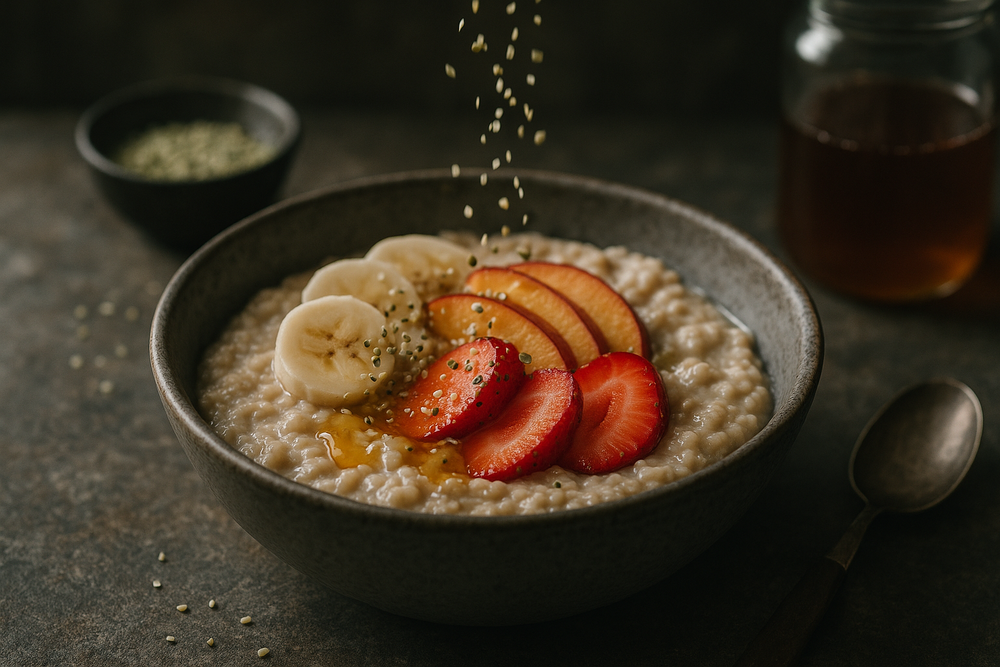
The Breakfast Stabilizer: Stir hemp seeds into oatmeal or yogurt. The protein and fat will lower the glycemic index of the meal, providing longer-lasting energy through the morning.
Standard Serving: 3 tablespoons (30g) is the standard dose to achieve significant protein and mineral benefits.
Maintenance Dose: 1–2 tablespoons daily is sufficient for those looking to supplement their mineral and healthy fat intake.
Athletic Dose: Up to 4 tablespoons daily can be used by those with higher protein requirements or those following a strict plant-based diet.
Common Uses
- —Used as a highly digestible, non-dairy protein source in smoothies, shakes, and baked goods.
- —Integrated into diets to support healthy blood flow and blood pressure through nitric oxide precursors.
- —Added to meals to increase intake of plant polyphenols and essential fatty acids that modulate inflammatory pathways.
- —Sprinkled on salads, yogurts, or oats to instantly increase the mineral and healthy fat density of a meal.
Active Compounds
A highly bioavailable storage protein that supports the immune system and is easily digested.
An amino acid that serves as a precursor to nitric oxide, promoting healthy circulation.
Plant antioxidants that help neutralize free radicals and support systemic wellness.
An essential Omega-3 fatty acid that supports heart health and reduces oxidative stress.
Various forms of Vitamin E that protect the healthy fats within the seed from going rancid.
Best Forms
The most common and versatile form. These have the hulls removed, making the nutrients highly accessible and the texture creamy and nutty.
Retain the crunchy outer hull, which significantly increases the fiber content but may be harder to digest for some.
A concentrated source of essential fatty acids. It should be used as a finishing oil rather than for high-heat cooking to preserve the delicate Omega fats.
A concentrated protein source made by removing the fats from the seeds. It is an excellent supplement for those needing higher protein intake without the extra calories from fat.
Prep Ideas
- — The Protein-Smoothie Boost: Blend 3 tablespoons of hemp seeds into any smoothie. This adds a creamy texture and replaces the need for processed protein powders.
- — The "Power" Salad Topping: Sprinkle hemp seeds over leafy greens. The healthy fats in the seeds will significantly increase your absorption of fat-soluble Vitamins A, K, and E from the vegetables.
- — The Breakfast Stabilizer: Stir hemp seeds into oatmeal or yogurt. The protein and fat will lower the glycemic index of the meal, providing longer-lasting energy through the morning.
Glossary
Shop This Ingredient
Stock your pantry with quality hemp seeds.
Buy on AmazonAs an Amazon Associate, Plantopedia earns from qualifying purchases. This costs you nothing extra and helps us keep the encyclopedia free.
Frequently Asked Questions
Yes, hemp seeds contain all nine essential amino acids that your body can't make on its own, making them a complete protein source. About 60-80% of their protein comes from edestin, a highly digestible storage protein with excellent biological value. This unique structure ensures that the body can efficiently utilize these nutrients.
A typical serving is 3 tablespoons (30 grams) of hemp seeds, which provides about 9.5 grams of complete protein and 167 calories. Start with 1-2 tablespoons daily and gradually increase as your digestive system adjusts. This amount fits easily into most diets and provides a significant boost to your mineral intake.
Hemp seed shells may contain trace amounts of THC (less than 0.3%), but the seeds themselves don't produce intoxicating effects. This trace amount is well below the threshold for psychoactive effects and complies with legal regulations. You can enjoy the nutritional benefits of hemp seeds without any risk of experiencing a "high."
Hemp seeds can be eaten raw, roasted, or cooked. Raw seeds retain their complete nutritional profile, while roasted seeds offer a nuttier flavor. You can sprinkle them on yogurt, blend them into smoothies, or mix them into salads and oatmeal. They require no soaking or peeling, making them an incredibly convenient superfood addition.
Hemp seeds are rich in arginine, an amino acid with documented heart health benefits, plus they contain omega-3 fatty acids. Research suggests hemp seed protein may support healthy cholesterol levels, though more human studies are needed to confirm cardiovascular benefits. Their ability to support nitric oxide production is a key factor in circulation.
Quick Answers
Common questions, answered in a line.
Hemp seeds are a rich source of magnesium, which helps address common deficiencies that impact muscle function and sleep quality. This essential mineral is part of the seed's dense nutrient profile that supports overall metabolic health.
A standard serving of hemp seeds is 3 tablespoons (30g), which provides significant protein and mineral benefits. For those just starting, it is recommended to begin with 1 tablespoon daily to allow the digestive system to adjust to the high fat content.
Hemp seeds contain edestin, a highly bioavailable storage protein that is easily digested and supports the immune system. This makes them a suitable non-dairy protein source for those with sensitive digestion or higher protein needs.
Hemp seeds should be stored in an airtight container in the refrigerator or freezer after opening to prevent them from going rancid. Their high polyunsaturated fat content makes them sensitive to heat and air, so proper storage is critical for maintaining freshness.
Hemp seeds contain arginine, an amino acid that serves as a precursor to nitric oxide, which promotes healthy circulation and blood flow. Combined with Omega-3 fatty acids, this helps support the vascular system and cardiovascular wellness.
Very high intakes of hemp seeds may have a mild blood-thinning effect due to their Omega-3 fatty acid content. You should consult a doctor before consuming them if you are currently taking anticoagulant medications.
Hemp seeds contain tocopherols (Vitamin E), flavonoids, and polyphenols, which are plant antioxidants that help neutralize free radicals. These compounds support systemic wellness and protect the healthy fats within the seed from oxidation.
For Readers in the USA
Local context — sourcing, seasonality, and regional notes.
You can find hemp seeds at major US retailers like Whole Foods Market, Trader Joe's, Kroger, and Costco, usually in the baking or health food aisles. They are also widely available through online marketplaces and at local health food cooperatives across the country.
While industrial hemp is grown in states like Montana, Colorado, and Kentucky, the majority of hemp seeds sold in the U.S. are imported from Canada. Following the 2018 Farm Bill, domestic production has increased, with harvests typically occurring in late summer or early fall.
The FDA considers hulled hemp seeds to be Generally Recognized as Safe (GRAS), meaning they are legally cleared for use in human food. Most premium brands in the U.S. also carry the USDA Organic seal to ensure they were grown without synthetic pesticides or fertilizers.
In the United States, hemp seeds are frequently referred to as "hemp hearts" when the outer shell has been removed. You may also see them labeled as "hulled hemp seeds" to distinguish them from the crunchy, whole-seed variety often used in animal feed or birdseed.
AI Clinical Review
- Hemp seeds are a nutrient-dense food: they provide complete plant protein, are rich in arginine, and supply minerals like magnesium, phosphorus, zinc, and iron.
- The overview of forms is practical—hemp hearts/whole seeds vs. oil vs. flour—and it correctly notes that oil concentrates fats but lacks protein and fiber.
- Serving suggestions (about 2–3 tablespoons/day for most people) are reasonable and align with common clinical guidance for incorporating seeds into meals.
- Trace THC in food-grade hemp seeds is not intoxicating; commercially prepared products are designed to meet regulatory limits.
- Cardiometabolic benefits (cholesterol, blood pressure, clinical heart outcomes) from hemp seed intake are promising but based on limited human trials; conclusions should be cautious.
- Anti-inflammatory and “microbiome” effects are largely from laboratory or animal work; direct evidence in people eating typical amounts of hemp seeds is limited.
- While hemp contains all essential amino acids, lysine is relatively lower than in soy or animal proteins; overall protein quality is good but not exceptional compared with those benchmarks.
- Omega-3s in hemp are mainly ALA; conversion to EPA/DHA is limited, so heart and brain benefits may not mirror those seen with marine omega-3s.
- Typical intake: 1–3 tablespoons (10–30 g) per day is a practical range; increase gradually if you’re sensitive to higher-fat foods. A 3-tablespoon serving adds ~160–170 kcal.
- Form matters: dehulled “hemp hearts” have minimal fiber, whole seeds have more; hemp oil offers ALA (and some GLA) but no protein/fiber and has a low smoke point—best used unheated.
- Safety: rare allergies can occur; people on anticoagulants/antiplatelet drugs or with chronic kidney disease (who may need to manage potassium/phosphorus) should check with a clinician.
- Drug testing and pregnancy/lactation: positives from food-grade seeds are very unlikely but choose reputable brands if testing is a concern; food amounts are generally considered safe in pregnancy/breastfeeding, though high-dose oils lack robust data.
Mention allergy context where appropriate; keep serving size realistic.
References
- USDA FoodData Central for hemp seed nutrition facts (fdc.nal.usda.gov)
- Hemp seeds nutrition and health benefits - Medical News Today (medicalnewstoday.com)
- Health benefits of hemp seeds - WebMD (webmd.com)
- Hemp seeds as valuable source of natural nutrients - PMC (pmc.ncbi.nlm.nih.gov)
- Nutrients and bioactive compounds from cannabis sativa seeds - NIH (pmc.ncbi.nlm.nih.gov)
- Health benefits of hemp seeds - Healthline (healthline.com)
- Chemical composition and nutritional value of hemp seeds (zootechnical.com)
- Hemp seeds nutritional analysis - Food Revolution (foodrevolution.org)
Know Your Numbers
Eating healthy is a start. Now get to know your biomarkers.
Food changes bloodwork — inflammation, lipids, blood sugar and nutrient status all respond to what you eat. 59 markers from $59.
- Results in 7–10 days at 2,000+ Quest sites
- Licensed provider reviews every result
- One flat price, no membership, HSA/FSA eligible
Educational information only, not medical advice. Panels are ordered and reviewed through our licensed partner; Plantopedia may earn a commission.