Kañiwa — health benefits and uses
An Andean staple cultivated alongside quinoa by pre-Columbian civilizations.
The Short Answer
Kañiwa is a nutrient-dense, gluten-free Andean pseudocereal that provides 7.2 grams of protein and 5.9 mg of iron per quarter-cup dry serving. It is prized for its high antioxidant content and crunchy texture, making it an excellent iron-rich alternative to

Kañiwa · Photograph
Discover kaniwa health benefits and how to use this tiny Andean pseudocereal. Learn about kaniwa nutrition facts, complete protein content, gluten-free status, and easy ways to cook it in bowls and porridge.
Key Nutrients
% Daily Value based on 2,000 cal diet
Key active compounds
- Total phenolic compounds — A broad family of plant antioxidants (molecules that neutralize cell-damaging free radicals). Kañiwa scores notably high on in-vitro (laboratory) antioxidant tests.
- Flavonoids — A subgroup of phenolics including catechin, catechin gallate, quercetin, and kaempferol, all measured in kañiwa seeds and associated with antioxidant and anti-inflammatory activity in lab studies.
- Phenolic acids — Includes ferulic acid and vanillic acid, compounds found in cereal bran layers and linked to antioxidant effects.
- Resorcinols / 4-methylresorcinol — Alkylresorcinol-type phenolics (plant protective compounds found in the outer seed layers of some grains) that contribute substantially to kañiwa's measurable antioxidant capacity in water-soluble extracts.
- Unsaturated fatty acids — Around 77% of kañiwa's total fat is unsaturated, including oleic and linoleic acids, which are associated with heart-healthy dietary patterns in broader grain research.
- Lysine-rich protein — Unlike wheat and corn, kañiwa provides relatively higher levels of lysine, the amino acid most commonly limiting in grain-based diets.
Buying guide
Whole seeds: Look for certified gluten-free on the label if you have celiac disease or non-celiac gluten sensitivity. Kañiwa is naturally gluten-free, but cross-contact during farming, transport, or packaging is a real risk with many smaller suppliers. "Organic" certification is a useful quality signal.
Color and smell: Good kañiwa is uniformly dark reddish-brown to near-black with a clean, faintly nutty smell. Avoid bags with any musty or rancid odor.
Storage: Keep in an airtight container in a cool, dry cupboard for up to 12 months. Once opened, the fridge extends shelf life, especially in warm climates. Flour goes rancid faster than whole seeds — refrigerate after opening and use within 3–4 months.
Flour blends: Kañiwa flour is quite dense; for baking, blend it with a lighter gluten-free flour (like rice or oat flour) at a 25–30% kañiwa proportion to avoid an overly heavy texture.
Online vs. specialty stores: Kañiwa is still niche outside of South America. Specialty health-food retailers, Latin American grocery stores, and online health-food platforms are your best bets.
Prep and pairing ideas
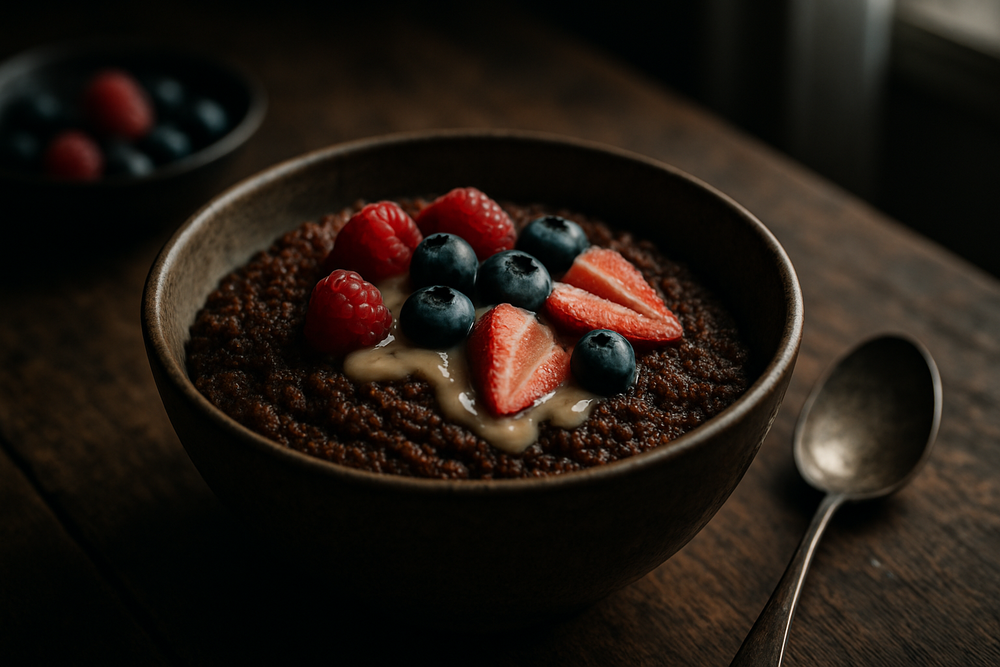
Morning porridge: Simmer ¼ cup kañiwa in ¾ cup water or plant milk for 15 minutes. Top with berries, a drizzle of tahini, and a squeeze of lemon juice. The lemon (vitamin C) boosts iron absorption from the grain.
Grain bowl base: Cook kañiwa and use it in place of quinoa or brown rice. Its smaller size and crunchier texture add an interesting contrast alongside roasted vegetables and a tahini-lemon dressing.
Soup thickener: Stir 2–3 tablespoons of dry kañiwa into a simmering vegetable or bean soup for the last 20 minutes. It thickens the broth slightly and adds protein and texture without overpowering other flavors.
Salad topping: Use cooked, cooled kañiwa as a crunchy protein-rich topping for green salads — a role similar to croutons but with far better nutritional value.
Baked goods: Substitute 25–30% of the flour in pancake or muffin recipes with kañiwa flour for an iron and protein boost.
Common pairings and why they work
- Kañiwa + citrus or bell peppers — Vitamin C from citrus or peppers converts non-heme iron into a more absorbable form, making this pairing functionally important for maximizing kañiwa's iron contribution.
- Kañiwa + legumes (lentils, black beans) — Combining two complete or near-complete plant proteins creates a very high amino acid density meal, particularly useful for athletes or people eating entirely plant-based.
- Kañiwa + leafy greens (spinach, kale) — Both provide non-heme iron, fiber, and micronutrients; adding an acid dressing (lemon, vinegar) to the greens amplifies iron absorption from both sources simultaneously.
Bottom line
Kañiwa is a genuinely impressive small grain that punches above its weight in protein, iron, fiber, and antioxidant phytochemicals. For plant-based eaters in particular, it addresses two of the most common nutritional gaps — iron and complete protein — in a single, easy-to-cook ingredient that requires no prep beyond measuring. Its negligible saponin content makes it less fussy than quinoa, and its flavor is mild enough to work in almost any savory or sweet application.
The honest caveat: direct human clinical trials are still missing. Everything we know about kañiwa's likely health benefits is inferred from its excellent nutrient profile and from the substantial evidence base on whole grains as a category. That inference is reasonable and well-grounded, but it is not the same as proven. Cook with kañiwa because it is a nutritious, versatile, historically rich food — and keep an eye on the emerging research.
How Kañiwa Compares
| Compared with | What's different |
|---|---|
| Kañiwa vs. Quinoa | Kañiwa is half the size and lacks the bitter saponin coating found on quinoa seeds. |
| Kañiwa vs. Amaranth | Kañiwa has a crunchier, poppy-seed-like texture compared to the soft, gel-like finish of amaranth. |
| Kañiwa vs. Brown Rice | Kañiwa contains 7g of protein per serving and is significantly higher in iron than brown rice. |
Health Benefits
Things to Know
Celiac disease / gluten sensitivity: Kañiwa itself contains no gluten, but cross-contamination during processing is common. Choose certified gluten-free products.
Increasing fiber gradually: If your current diet is low in fiber, add kañiwa slowly over 1–2 weeks and drink plenty of water. A rapid jump in fiber intake can cause temporary gas, bloating, or loose stools.
Iron overload disorders: People with hemochromatosis or similar conditions should be aware that kañiwa is iron-dense. Discuss intake with your doctor.
Medication timing: High-fiber foods can bind to some oral medications (certain antibiotics, levothyroxine, some osteoporosis drugs) and reduce their absorption. A general rule is to separate iron-rich or high-fiber meals from these medications by at least 1–2 hours. Ask your pharmacist about your specific medications.
Pregnancy and breastfeeding: Kañiwa is a food, not a supplement, and is considered safe as part of a balanced diet. Its iron and B-vitamin content may be particularly useful during pregnancy, but discuss your full diet with your midwife or doctor.
Food allergies: Kañiwa is not a common allergen, but anyone with multiple food sensitivities should introduce it in small amounts first and watch for any unusual reactions.
Prep Ideas
- — Kañiwa + citrus or bell peppers — Vitamin C from citrus or peppers converts non-heme iron into a more absorbable form, making this pairing functionally important for maximizing kañiwa's iron contribution.
- — Kañiwa + legumes (lentils, black beans) — Combining two complete or near-complete plant proteins creates a very high amino acid density meal, particularly useful for athletes or people eating entirely plant-based.
- — Kañiwa + leafy greens (spinach, kale) — Both provide non-heme iron, fiber, and micronutrients; adding an acid dressing (lemon, vinegar) to the greens amplifies iron absorption from both sources simultaneously.
Glossary
Shop This Ingredient
Stock your pantry with quality kañiwa.
Buy on AmazonAs an Amazon Associate, Plantopedia earns from qualifying purchases. This costs you nothing extra and helps us keep the encyclopedia free.
Frequently Asked Questions
Current evidence is largely compositional and extrapolated from wider whole-grain research. No randomized controlled trials (the highest-quality human evidence) have tested kañiwa directly. That said, its nutrient profile gives researchers and nutritionists good reason to think it behaves similarly to other high-fiber, high-protein whole pseudocereals. Heart and circulation Kañiwa contains dietary fiber, unsaturated fats, and polyphenol antioxidants — three nutrient categories linked to favorable lipid profiles (the balance of fats in the blood, including cholesterol) in large bodies of evidence on whole grains. Its phenolic content is high by in-vitro standards. However, no kañiwa-specific human trials have measured cholesterol, blood pressure, or cardiovascular events. Replacing refined grains with intact whole pseudocereals like kañiwa aligns with current dietary guidelines for cardiovascular health, but the direct evidence chain runs through other grains, not kañiwa itself. Digestive health and microbiome At roughly 7–10 g of dietary fiber per 100 g raw, kañiwa sits in the upper range for grains and pseudocereals. Dietary fiber feeds beneficial gut bacteria (a community of microorganisms called the gut microbiome), adds bulk to stool, and supports regular bowel movements — all well-established effects from broader fiber research. Kañiwa-specific human trials on gut health have not been published, but its fiber profile is comparable to oats and quinoa, both of which have solid digestive health evidence behind them. Blood sugar and metabolism Kañiwa has not been assigned a glycemic index (a measure of how quickly a food raises blood sugar) in published human studies. Logically, its combination of fiber, protein, and intact whole-grain structure should slow glucose absorption relative to refined grains — a pattern that holds consistently across comparable pseudocereals. Laboratory work on germinated kañiwa also shows increases in phenolic compounds and antioxidant capacity, which may influence oxidative stress pathways tied to metabolic health, but these are lab findings, not human feeding outcomes. If you are managing blood sugar, discuss any dietary change with your healthcare provider. Inflammation and recovery Kañiwa's measurable phenolic content — including flavonoids and resorcinols — is associated with antioxidant activity in cell-based tests. Chronic, low-grade inflammation (the body's immune system staying switched on at a low level for years) is a driver of many lifestyle diseases, and dietary polyphenols are widely studied for their potential to dampen it. For kañiwa specifically, the data are in vitro only; no human inflammatory marker studies have been done. The evidence is promising but early. Iron and energy metabolism This is arguably kañiwa's strongest individual nutrient story. At roughly 5.9 mg non-heme iron per quarter-cup dry serving, it provides about one-third of the daily iron target for most adults in a single serving — a remarkable figure for a grain. Iron is essential for making hemoglobin (the protein in red blood cells that carries oxygen) and for energy production at the cellular level. For plant-based eaters who often struggle to meet iron needs, kañiwa is a genuinely useful tool. B vitamins (thiamine, riboflavin, niacin) round out its energy-metabolism credentials.
Whole dry seeds (most common) The intact grain is the most nutritious and widely available form. Simmer in a 2:1 water-to-kañiwa ratio for about 15 minutes until the seeds are tender but still slightly chewy. No soaking, no rinsing required. Use it anywhere you would use quinoa or millet — grain bowls, salads, porridge, or as a side dish base. Milled flour Grinding kañiwa into flour preserves most of its protein and mineral content and is an excellent gluten-free flour option for baking. It adds a mild, earthy flavor to pancakes, muffins, and bread blends. No human intervention trials using kañiwa flour have been published, but the nutritional advantages of the whole grain carry over largely intact. Puffed or flaked kañiwa Heat processing makes kañiwa into a ready-to-eat cereal or granola-style topping. Some phenolic content may change with high heat, but compositional data on these products specifically are limited. A useful convenience format, but less studied than whole seeds. Germinated (sprouted) kañiwa Laboratory studies show that sprouting increases total phenolic content and antioxidant capacity. This is an emerging area; germinated kañiwa is not yet widely available commercially, and human intervention data are absent. Watch this space.
There is no established therapeutic dose or clinical dosing range for kañiwa — it is a food, not a supplement, and no regulatory body has set a recommended daily amount. Practical culinary range: Most recipes and nutritional reference materials suggest 30–60 g dry (roughly 3–6 tablespoons or ¼–½ cup) per day as part of a varied diet. At the lower end (30 g), kañiwa contributes a meaningful but modest boost of protein, fiber, and iron. At the upper end (60 g), it can form a substantial part of your daily grain intake. Start low: If you are new to high-fiber grains, begin with 2–3 tablespoons dry per day for the first week and increase gradually. This gives your gut microbiome time to adjust. No upper limit identified: No adverse effects from high kañiwa intake have been reported in the literature, and traditional Andean diets include it as a dietary staple rather than an occasional supplement. The practical limiting factor for most people will be calorie balance and variety rather than any toxicity concern. Explore more whole food strategies: Browse the Plantopedia goals hub to find eating patterns built around specific health priorities like energy, gut health, or plant-based protein.
Quick Answers
Common questions, answered in a line.
Kañiwa is naturally gluten-free, but individuals with celiac disease should only purchase products labeled "certified gluten-free." This is because cross-contact during farming, transport, or packaging is a common risk with smaller suppliers.
Kañiwa is a protein-rich pseudocereal that contains high levels of lysine, an amino acid often missing in other grain-based diets. It is considered an excellent source of complete or near-complete plant protein, especially when paired with legumes like lentils or black beans.
You can cook kañiwa by simmering one part grain in three parts water or plant milk for approximately 15 minutes. Unlike quinoa, it has negligible saponin content, meaning it is less fussy to prepare and does not require extensive rinsing to remove bitterness.
Kañiwa is a nutrient-dense grain that provides significant amounts of iron, fiber, and antioxidant phytochemicals like flavonoids and phenolic acids. It is particularly useful for plant-based eaters as it helps address common nutritional gaps in iron and protein.
To maximize iron absorption from kañiwa, you should pair it with foods high in vitamin C, such as citrus fruits or bell peppers. Vitamin C helps convert the non-heme iron found in the grain into a form that is more easily absorbed by the body.
Kañiwa flour is quite dense, so it is best used by blending it with lighter gluten-free flours like rice or oat flour. A ratio of 25–30% kañiwa flour is recommended to ensure baked goods like muffins or pancakes do not become overly heavy.
Kañiwa should be stored in an airtight container in a cool, dry cupboard for up to 12 months. Once the package is opened, placing it in the refrigerator can extend its shelf life, which is especially helpful for the flour version that can go rancid faster.
For Readers in the USA
Local context — sourcing, seasonality, and regional notes.
You can typically find kañiwa at national health food chains like Whole Foods Market, Sprouts Farmers Market, or through online retailers like Amazon and Thrive Market. While less common in standard supermarkets like Kroger or Walmart, it is frequently stocked in the "Ancient Grains" or natural foods section of specialty grocers.
Kañiwa is not commercially grown in the U.S. on a large scale; most supply is imported from the high-altitude Andean regions of Peru and Bolivia to USDA-inspected ports. Because it is an imported specialty crop, you will primarily find it sold as a dry, shelf-stable grain available year-round rather than as fresh produce.
Look for the USDA Organic seal and a "Certified Gluten-Free" stamp to ensure the kañiwa meets strict U.S. standards for pesticide use and cross-contamination prevention. Since the FDA does not strictly define "ancient grains," these third-party and federal certifications are the most reliable way to verify quality and safety in American retail.
AI Clinical Review
- Clearly explains that kañiwa is a naturally gluten‑free Andean pseudocereal with negligible saponins, so rinsing isn’t needed and bitterness/GI irritation is less likely.
- Accurately highlights kañiwa’s strong nutrient profile for plant‑based eaters: a complete protein with relatively higher lysine and notable iron, plus meaningful fiber.
- Notes that vitamin C can enhance absorption of plant (non‑heme) iron and offers practical pairing ideas—useful, evidence‑consistent advice.
- Appropriately frames most health claims (heart, glycemia, inflammation) as extrapolated from broader whole‑grain/pseudocereal research rather than proven kañiwa trials.
- Provides realistic serving guidance as a food (not a supplement) and emphasizes gradual fiber increases—practical and consumer‑relevant.
- No kañiwa‑specific randomized controlled trials (RCTs) have tested effects on cholesterol, blood pressure, weight, or clinical outcomes; current expectations are inferred from similar grains.
- Antioxidant and anti‑inflammatory properties are based largely on in‑vitro (test‑tube) measures; translation to meaningful changes in human biomarkers remains uncertain.
- Glycemic index and post‑meal glucose/insulin responses have not been established in humans; effects may vary by preparation (whole seed vs. flour vs. puffed).
- Claims around sprouting/germination increasing beneficial compounds are laboratory‑based; the net impact in everyday diets is not yet known.
- Portions of about 30–60 g dry per day are a reasonable culinary range; increase gradually to limit gas/bloating. It’s still a carbohydrate food—people managing blood sugar should monitor individual responses.
- If you have celiac disease or strict gluten sensitivity, choose products labeled certified gluten‑free to reduce cross‑contact risk.
- Iron content is a plus for those with low iron or on plant‑based diets; people with iron overload (e.g., hemochromatosis) should discuss regular intake with a clinician. Tea/coffee with meals can reduce non‑heme iron absorption; vitamin C‑rich foods can enhance it.
- Separate high‑fiber or iron‑rich meals from certain medications (e.g., levothyroxine, some antibiotics, some osteoporosis drugs) by 1–2 hours; confirm timing with your pharmacist or clinician.
Naturally gluten-free; generally very well tolerated.
References
- Kañiwa nutritional composition and potential health benefits — 2023 review (pmc.ncbi.nlm.nih.gov)
- Kañiwa: an ancestral Inca seed, nutritional value and potential uses — 2024 review (pmc.ncbi.nlm.nih.gov)
- Total antioxidant capacity and phenolic content of canihua — Repo-Carrasco et al., 2008 (pubmed.ncbi.nlm.nih.gov)
- Effect of germination on phenolics, antioxidant capacity, and oxidative stress markers in canihua — ScienceDirect (sciencedirect.com)
- Kañiwa raw nutrient tables — diet-health.info compositional database (diet-health.info)
- USDA FoodData Central — grains and grain products search (fdc.nal.usda.gov)
- MyPlate — whole grains guidance (USDA) (myplate.gov)
- Ecotypes of kañiwa characterized by macronutrient content — Huamani et al., Pharmacologyonline 2020 (pharmacologyonline.silae.it)
- Ecoinca organic canihua commercial nutritional specification (ecoinca.com)
- Chemical and functional characterization of kañiwa — OUCI indexed study (ouci.dntb.gov.ua)
Know Your Numbers
Eating healthy is a start. Now get to know your biomarkers.
Food changes bloodwork — inflammation, lipids, blood sugar and nutrient status all respond to what you eat. 59 markers from $59.
- Results in 7–10 days at 2,000+ Quest sites
- Licensed provider reviews every result
- One flat price, no membership, HSA/FSA eligible
Educational information only, not medical advice. Panels are ordered and reviewed through our licensed partner; Plantopedia may earn a commission.