Kola Nut — health benefits and uses
A ceremonial and medicinal nut in West African tradition used to ward off fatigue.
The Short Answer
Kola nuts are natural stimulants containing 1.5–3.5% caffeine by weight. Traditionally chewed or brewed into tea, they provide a focused energy boost and mild bronchodilation due to the presence of both caffeine and theobromine.
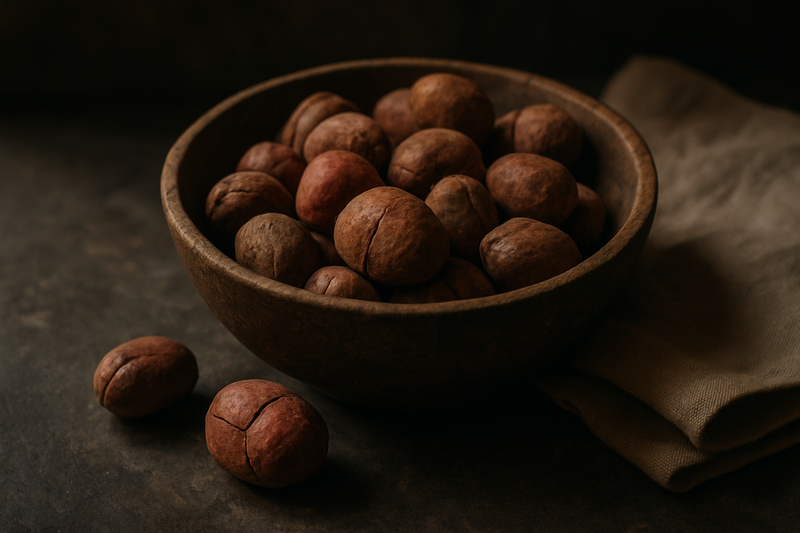
Kola Nut · Photograph
Explore the real kola nut benefits and side effects — from its caffeine content and traditional West African uses to heart health concerns, pregnancy safety, and how it compares to coffee. Evidence-based, layperson-friendly guide.
Key Nutrients
% Daily Value based on 2,000 cal diet
Key active compounds
- Caffeine — A methylxanthine alkaloid (a class of naturally occurring stimulant compounds) making up about 1.5–3.5% of kola nut's dry weight. Blocks adenosine receptors in the brain to reduce fatigue signals and sharpen alertness. The primary driver of nearly all of kola nut's well-studied effects.
- Theobromine — A milder methylxanthine also found in cocoa, present at roughly 0.05–2% in kola nuts. Contributes a gentler, longer-lasting stimulation and mild vasodilation (widening of blood vessels).
- Catechins and epicatechin — Flavan-3-ol polyphenols (a type of plant antioxidant) also found in green tea and dark chocolate. May help neutralize free radicals (unstable molecules that can damage cells), though specific clinical outcomes from kola nut catechins have not been well studied.
- Procyanidins — Polymeric flavonoids built from catechin units, also found in grape seeds and apple skins. Provide additional antioxidant capacity; evidence remains largely preclinical.
- Tannins — Astringent polyphenolic compounds responsible for kola nut's characteristic bitter, drying taste. They have antioxidant and mild antimicrobial properties in lab studies, but can irritate the gut lining at higher doses.
Prep and pairing ideas
Common pairings
Kola nut + water (as a decoction): Simmering dried kola nut pieces in water for 10–15 minutes creates a bitter, tannin-rich tea. Adding a small piece of ginger moderates the bitterness and adds a warming note. This is one of the gentler ways to consume kola nut because you control how much liquid you drink.
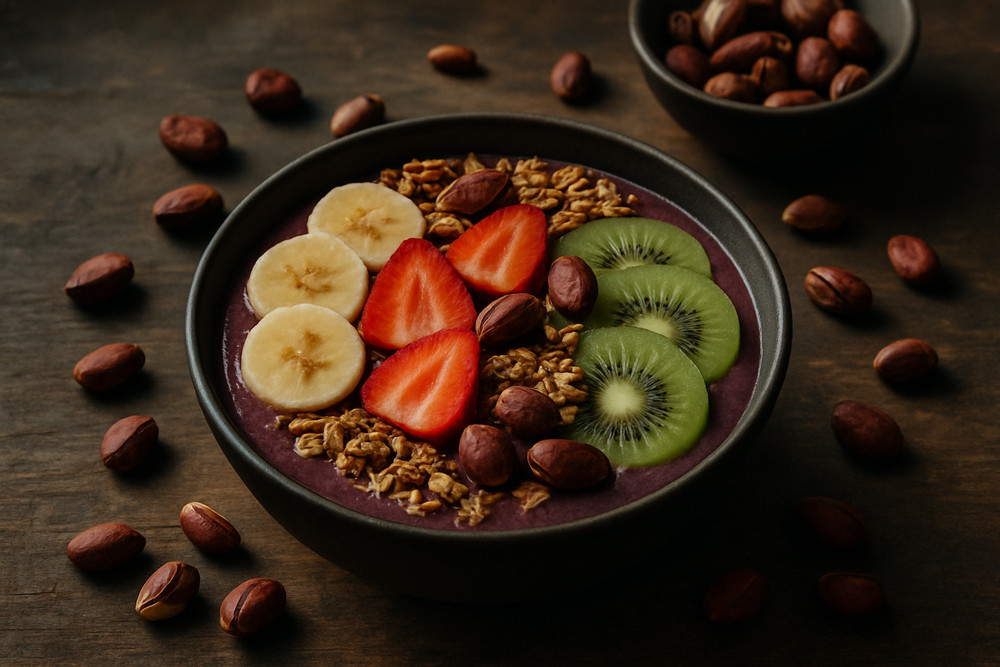
Kola nut powder + dark cacao smoothie: Blending a quarter teaspoon of kola nut powder into a smoothie with unsweetened cacao, banana, and plant milk pairs two natural sources of theobromine and caffeine. The cacao's sweetness masks much of the bitterness. Be mindful: this combination adds up caffeine-wise, so keep portions small.
Fresh kola nut + palm wine or hibiscus tea: Across West Africa, kola nut is traditionally served alongside beverages at gatherings. Pairing it with unsweetened hibiscus tea (zobo) provides polyphenol synergy while the tartness of the hibiscus balances kola's bitterness. The caffeine in kola nut is offset somewhat by hibiscus's relaxing properties, though this is a traditional pairing rather than a clinically studied combination.
Bottom line
Kola nut is a genuinely interesting traditional plant food with a well-founded reputation as a natural stimulant. Its caffeine content is real, its alertness and anti-fatigue effects are supported by extensive caffeine science, and its polyphenol profile is promising — even if human trials specific to kola nut are still catching up.
Where the evidence is solid, it is also unsurprising: kola nut works as a stimulant because it is a significant caffeine source. Where it is speculative — anti-inflammatory effects, blood sugar regulation, cardiovascular protection — the human data are either absent or borrowed from research on entirely different plants.
For most healthy adults, moderate kola nut use (one to two nuts per day, mindful of total caffeine) is likely safe and may support energy and focus in the same ways coffee does. But it carries every caution that comes with a concentrated caffeine source, and it is not appropriate for everyone. Treat it thoughtfully, not as a superfood, but as a potent whole-plant stimulant with a rich cultural history and a pharmacology you already understand.
Curious about how stimulant and energizing ingredients fit your health goals? Browse the Plantopedia energy and focus goals guide.
How Kola Nut Compares
| Compared with | What's different |
|---|---|
| Kola Nut vs. Coffee Bean | Contains higher caffeine levels (up to 3.5%) and theobromine for a sharper, longer-lasting stimulant effect. |
| Kola Nut vs. Cacao Bean | Higher in fat and lower in caffeine, with a much higher concentration of theobromine. |
Health Benefits
Things to Know
Caffeine load adds up: One to three kola nuts per day is a traditional range, but when combined with coffee, tea, energy drinks, or pre-workout formulas, total daily caffeine can easily exceed 400 mg — the generally recommended upper limit for healthy adults. Track all sources.
Pregnancy and breastfeeding: Caffeine intake should be kept below 200 mg/day from all sources during pregnancy; kola nut counts toward this limit. Some traditional practices involve pregnant women chewing kola nut, but current public health guidance does not support this.
Heart conditions: People with hypertension (high blood pressure), arrhythmia (irregular heartbeat), or other cardiovascular conditions should discuss caffeine use with their doctor before adding kola nut. It can acutely raise heart rate and blood pressure.
Anxiety disorders and insomnia: Caffeine is a well-documented anxiety trigger and sleep disruptor. If you have an anxiety disorder, panic disorder, or chronic insomnia, kola nut is likely to worsen rather than help these conditions.
GI sensitivity: Tannins and increased gastric acid secretion make kola nut a poor fit for people with acid reflux (GERD), gastritis, or peptic ulcers.
Children and adolescents: Routine caffeine stimulation from kola nut is not appropriate for young people and is associated with adverse effects on sleep, cardiovascular function, and neurodevelopment.
Medication interactions: Kola nut can add to the stimulant burden of caffeine-containing medications (some pain relievers, cold medicines), counteract sedatives, and potentially interfere with medications for heart rhythm or blood pressure. Check with a pharmacist if you take regular medications.
Caffeine withdrawal: Regular kola nut users can experience caffeine withdrawal symptoms — headache, fatigue, low mood — if they stop abruptly. Tapering gradually is advisable.
Glossary
Shop This Ingredient
Stock your pantry with quality kola nut.
Buy on AmazonAs an Amazon Associate, Plantopedia earns from qualifying purchases. This costs you nothing extra and helps us keep the encyclopedia free.
Frequently Asked Questions
It is important to be upfront: human clinical trials using kola nut specifically are sparse. Most benefit claims are either extrapolated from well-studied caffeine research or come from early-stage lab and animal work. Here is what the current evidence actually supports. Alertness, energy, and cognitive performance This is where the evidence is strongest, and it comes primarily from decades of caffeine research across coffee, tea, and supplements. Caffeine at doses of roughly 75–200 mg — comparable to 1–4 kola nuts depending on size and preparation — consistently improves reaction time, vigilance, and perceived energy in controlled human trials. Since kola nut's primary active compound is caffeine and the pharmacology is identical, these benefits almost certainly apply to kola nut use as well. Traditional West African chewing practices align closely with what the science predicts: reduced fatigue, sharper focus, and a mild mood lift, especially during demanding physical or mental tasks. Heart and circulation Evidence here is cautious at best. There are no robust clinical trials showing kola nut improves cardiovascular outcomes like cholesterol levels or long-term blood pressure control. What caffeine research does tell us — and what likely applies to kola nut — is that caffeine can transiently increase heart rate and may produce a short-term rise in blood pressure in some people, particularly those who do not regularly consume caffeine. Polyphenols like catechins and procyanidins have shown promise for vascular health in other foods, but specific cardiovascular benefit data for kola nut do not yet exist. People asking "is kola nut good or bad for your heart?" should treat it like a moderately strong cup of coffee: fine for most healthy adults in moderation, but worth discussing with a doctor if you have hypertension, arrhythmia, or another heart condition. Digestive health Traditionally, kola nut is chewed before meals in parts of West Africa — sometimes to reduce nausea, ease hunger, or stimulate the digestive process. The biochemical rationale is plausible: caffeine is known to stimulate gastric acid secretion and increase intestinal motility (the muscular contractions that move food through the gut), which may explain perceived digestive benefits. However, controlled trials testing kola nut specifically on digestion are lacking. Critically, the same properties that might aid digestion in some people can worsen acid reflux, gastritis (inflammation of the stomach lining), or peptic ulcer symptoms in others, particularly because tannins can irritate the gut lining. Blood sugar and metabolism Evidence is very limited and largely misattributed. Research on glucose-lowering effects typically involves bitter kola (Garcinia kola) and its unique flavonoid complex called kolaviron — this is a completely different plant species from the traditional kola nut (Cola nitida or Cola acuminata) discussed on this page. No high-quality human trials demonstrate that traditional kola nut meaningfully improves fasting blood sugar or insulin sensitivity. Caffeine can modestly reduce appetite and slightly increase metabolic rate in the short term, which may contribute to claims about kola nut benefits for weight loss and appetite, but these effects are modest and tolerance builds over time. Inflammation and antioxidant activity Kola nut contains measurable amounts of catechins, epicatechin, procyanidins, and tannins — all compounds with recognized antioxidant activity. In theory, regular consumption could contribute to reducing oxidative stress (cellular damage from unstable molecules). But no randomized controlled trials in humans have tested anti-inflammatory endpoints for kola nut consumption. What exists is a reasonable mechanistic hypothesis, backed by preclinical data, and waiting for human confirmation.
Buying guide: fresh, dried, powder, or extract? Fresh whole nut (chewed segments): The traditional form. Fresh nuts have a bitter, astringent taste and are chewed slowly, releasing stimulant compounds gradually. Caffeine content varies by nut size and species; roughly 20–50 mg per nut is a commonly cited estimate, though some analyses suggest higher. This is the most culturally authentic form and provides the full phytochemical matrix. Dried nuts or pieces: Drying concentrates compounds by removing moisture, so dried kola nut powder or pieces may deliver a higher caffeine hit per gram than fresh. Useful for tea decoctions or adding to food, but harder to dose precisely. Standardized extract (capsules or liquid): The most precise form. Quality supplements standardize caffeine content — typically 100–200 mg per serving — making it easier to track total daily intake from all caffeine sources. Look for products that list caffeine content per dose on the label. Avoid products that combine kola nut extract with other stimulants (guarana, synephrine, yohimbine) without clear total caffeine disclosure. As a flavoring in beverages: Historically significant but practically irrelevant today. Most modern cola drinks use synthetic flavorings. If a product claims to use real kola nut, treat the caffeine content as unknown unless stated on the label. Label tip: If purchasing extract supplements, prioritize products that list both the extract ratio (e.g., 10:1) and the absolute caffeine milligrams per serving, not just a milligram amount of the raw herb.
Traditional use in West Africa typically involves one to three whole kola nuts per day. Based on estimates of 20–50 mg caffeine per nut (some analyses suggest individual nuts may contain more depending on species and size), this puts daily kola nut caffeine at roughly 40–150 mg — comparable to one to two cups of drip coffee. For healthy adults with no caffeine sensitivity, this range is unlikely to cause problems, provided total daily caffeine from all sources stays below approximately 400 mg. The European Food Safety Authority and most public health bodies cite 400 mg/day as the safe upper boundary for healthy non-pregnant adults. Practical starting guidance: If you are new to kola nut, start with half a nut or a small amount of powder and observe how you feel over 90 minutes before having more. Avoid consuming kola nut after mid-afternoon to protect sleep quality. Do not combine with other stimulant supplements or energy drinks on the same day without calculating your total caffeine load. For kola nut extract supplements, follow the label and treat the product like a caffeine supplement, not a herbal remedy — because that is effectively what it is. Kola nut vs coffee — caffeine comparison: Kola nut caffeine content (1.5–3.5% by dry weight) overlaps with and can exceed that of robusta coffee beans (2.7%). A single medium-sized dried kola nut likely delivers caffeine roughly equivalent to a moderate espresso shot. Some preparations or large nuts may deliver considerably more. Unlike coffee, kola nut also provides theobromine, which extends and slightly softens the stimulant experience.
Quick Answers
Common questions, answered in a line.
Kola nut contains approximately 1.5% to 3.5% caffeine by dry weight, making it a significant natural stimulant. This caffeine content allows the nut to block adenosine receptors in the brain, which helps sharpen alertness and reduce signals of fatigue.
Kola nut acts as a stimulant because it contains caffeine and theobromine, which work together to boost alertness and provide energy. The caffeine blocks fatigue signals in the brain while theobromine offers a gentler, longer-lasting stimulation and helps widen blood vessels.
Pregnant women should limit caffeine from all sources, including kola nut, to less than 200 mg per day. While some traditional practices involve chewing the nut during pregnancy, current public health guidance generally does not support this due to the concentrated caffeine content.
Kola nut can cause a temporary increase in heart rate and blood pressure due to its high caffeine and theobromine content. Individuals with hypertension, arrhythmia, or other cardiovascular conditions should consult a doctor before using it, as it may worsen these heart-related issues.
Kola nut can be consumed by simmering dried pieces in water for 10–15 minutes to make a tea, or by blending the powder into smoothies with cacao and plant milk. In West Africa, it is also traditionally chewed fresh or served alongside beverages like hibiscus tea or palm wine.
Kola nut may be poorly tolerated by people with acid reflux (GERD), gastritis, or ulcers because its tannins and caffeine increase gastric acid secretion. These compounds can irritate the gut lining, especially when consumed in higher doses.
Kola nut contains several types of antioxidants, including catechins, epicatechin, procyanidins, and tannins. These polyphenols help neutralize free radicals that can damage cells, similar to the beneficial compounds found in green tea and dark chocolate.
For Readers in the USA
Local context — sourcing, seasonality, and regional notes.
You can typically find dried kola nuts or kola nut powder at African grocery stores, international markets, or through major online retailers like Amazon. Specialty health food stores and herb shops in larger cities often carry the powdered form for use in smoothies or teas.
The kola nut is a tropical fruit that does not grow commercially in the United States, as it requires the humid, year-round warmth of USDA zones 10-12 found in West Africa or the West Indies. In the U.S., you may occasionally find kola trees in botanical gardens in Hawaii or Southern Florida, but the nuts themselves are imported.
The FDA regulates kola nut as a flavoring agent or dietary supplement, and it is Generally Recognized as Safe (GRAS) for use in food products. When buying kola nut powder in the U.S., look for the USDA Organic seal to ensure the product was grown without synthetic pesticides or fertilizers.
While modern Coca-Cola and Pepsi no longer use kola nut extract in their primary U.S. formulas, several American craft soda brands and natural energy drinks still use real kola nut for flavor and caffeine. These "botanical colas" are often found in the natural foods aisle of grocery chains like Whole Foods or Sprouts.
AI Clinical Review
- Kola nut’s main, well‑documented effects come from caffeine; improvements in alertness, vigilance, and perceived energy are consistent with human caffeine research.
- It accurately distinguishes traditional kola (Cola nitida/acuminata) from “bitter kola” (Garcinia kola), preventing mix‑ups in glucose and anti‑inflammatory claims.
- Safety themes are on point: the same caffeine‑related risks seen with coffee/energy products apply (sleep disruption, anxiety, palpitations, GI irritation).
- Practical context is helpful: variable caffeine by form, and standardized extracts can make total daily intake easier to track.
- Antioxidant and anti‑inflammatory benefits are plausible based on lab data (catechins, procyanidins, tannins) but lack controlled human trials specific to kola nut.
- Cardiovascular outcomes (blood pressure, cholesterol, long‑term risk) haven’t been shown to improve with kola nut; short‑term BP/heart‑rate rises from caffeine remain the more certain effect.
- Digestive claims are largely traditional/mechanistic; individuals with reflux or gastritis may worsen symptoms despite others reporting benefit.
- Caffeine yield per nut varies by species, size, and processing, so precise dosing from whole nuts or powders is uncertain.
- Dose and totals: 1–2 kola nuts/day commonly equate to roughly 40–150 mg caffeine; keep overall daily caffeine (all sources) near or below 400 mg for most healthy adults, and under 200 mg in pregnancy.
- Forms: Standardized extracts that list caffeine per serving (often 100–200 mg) allow more predictable dosing; whole/dried forms are harder to quantify and can be stronger than expected.
- Safety/caution: Those with hypertension, arrhythmias, anxiety disorders, insomnia, GERD/gastritis/ulcers, and children/adolescents should be cautious or avoid regular use; discuss with a clinician if you have heart disease or take chronic medications.
- Interactions and stacking: Kola nut can compound other stimulants (coffee, energy drinks, pre‑workouts, decongestants); check labels, avoid late‑day use to protect sleep, and taper rather than stop abruptly to minimize withdrawal.
Naturally caffeinated; limit intake and avoid if sensitive to stimulants or pregnant.
References
- USDA FoodData Central — proximate composition reference for nuts and seeds (fdc.nal.usda.gov)
- Cleveland Clinic: Kola Nut — what it is, effects, and safety (health.clevelandclinic.org)
- Medical News Today: Kola nut uses, benefits, and side effects (medicalnewstoday.com)
- Greatist: Kola nuts — the caffeine-rich secret behind cola drinks (greatist.com)
- SCIRP: Nutritional and anti-nutrient composition of three kola nut species (scirp.org)
- ChemRJ: Proximate, mineral, and anti-nutritional composition of kola nut (chemrj.org)
- Semantic Scholar: Proximate and nutritional composition of Cola nitida, Garcinia kola, and Aframomum melegueta (semanticscholar.org)
- BVSalud PDF: Bitter kola and kola nut use and their effects — review (docs.bvsalud.org)
- Hermetica Superfoods: Technical profile of cola nut constituents (hermeticasuperfoods.com)
- Christopher Hobbs Herbal Therapeutics Database: Kola monograph (christopherhobbs.com)
Know Your Numbers
Eating healthy is a start. Now get to know your biomarkers.
Food changes bloodwork — inflammation, lipids, blood sugar and nutrient status all respond to what you eat. 59 markers from $59.
- Results in 7–10 days at 2,000+ Quest sites
- Licensed provider reviews every result
- One flat price, no membership, HSA/FSA eligible
Educational information only, not medical advice. Panels are ordered and reviewed through our licensed partner; Plantopedia may earn a commission.