Kukui Nut — health benefits and uses
The Hawaiian state tree's nut, a traditional condiment and lamp oil source.
The Short Answer
Kukui nuts (candlenuts) should only be eaten roasted and in small amounts, usually as the Hawaiian condiment inamona. Raw kukui nuts are toxic and cause severe gastrointestinal distress due to high levels of saponins and phorbol esters.
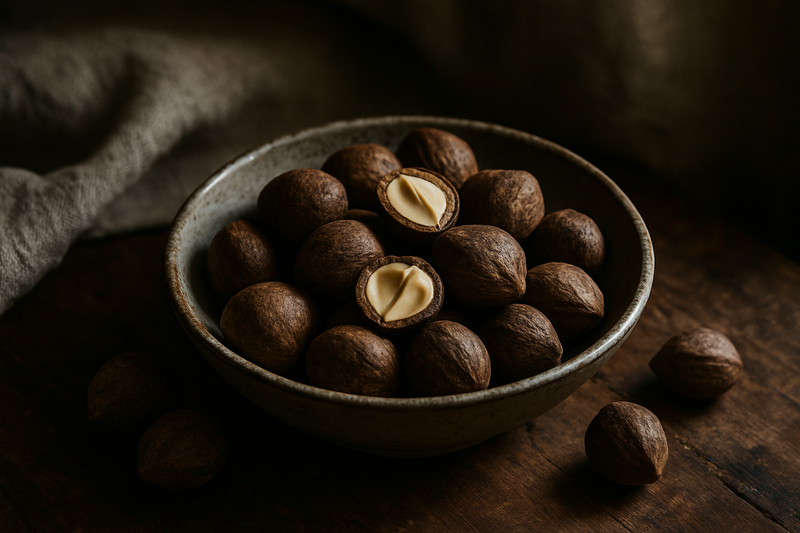
Kukui Nut · Photograph
Discover the kukui nut health benefits and side effects, from its role as Hawaii's treasured inamona poke seasoning to the serious risks of eating it raw. Learn which forms are safe, how much to use, and who should avoid it entirely.
Key Nutrients
% Daily Value based on 2,000 cal diet
Key active compounds
- Linoleic acid — An omega-6 essential fatty acid (meaning the body cannot make it; it must come from food) that is the dominant fat in kukui oil. Supports cell membrane structure and has roles in skin barrier function.
- Oleic acid — A monounsaturated fatty acid also found in olive oil, associated with heart-healthy dietary fat patterns in broader research.
- Vitamin E (tocopherols) — A fat-soluble antioxidant that helps protect cell membranes from oxidative damage (damage caused by unstable molecules called free radicals).
- Beta-carotene — A provitamin A carotenoid (a plant pigment the body can convert to vitamin A) with antioxidant activity; relevant mainly in kukui oil for topical or dietary antioxidant effects.
- Saponins — Naturally occurring plant compounds that foam like soap and irritate mucous membranes; a key driver of kukui's laxative toxicity when raw.
- Phorbol esters (toxic diterpenes) — Potent irritant compounds in the raw seed responsible for severe gastrointestinal effects and the cardiac complications documented in human poisonings.
- Toxalbumins — Highly toxic proteins found in some plants that can disrupt protein synthesis; heat from roasting degrades these, which is why roasted kukui is far safer than raw.
Myths vs. facts about kukui nut safety and benefits
Myth 1: "Kukui nuts are just like macadamia nuts — a healthy Hawaiian snack." Fact: Macadamia nuts are safe to eat raw in normal snack quantities. Raw kukui nuts are toxic and have hospitalized people. Even roasted kukui is meant as a condiment, not a snack. The two are not interchangeable.
Myth 2: "Taking kukui nut is a safe natural way to lose weight." Fact: Raw candlenut has been marketed online as a weight-loss aid. This is dangerous. The weight loss comes from severe diarrhea and dehydration — not fat burning — and this has caused electrolyte imbalances, cardiac arrhythmias, and hospitalizations in real patients.
Myth 3: "Kukui nut oil is toxic too, so you shouldn't put it on your skin." Fact: The toxic compounds in kukui nut (phorbol esters, saponins, toxalbumins) are concentrated in the raw kernel and are not present at meaningful levels in properly processed kukui oil. Topical kukui oil is generally considered safe and is used in cosmetics. Eating large amounts of any kukui oil is a different matter and lacks safety data.
Prep and pairing ideas
Making inamona at home: Roast kukui kernels in a dry pan over medium-low heat, turning frequently, until the shells crack and the interior turns a deep golden color (roughly 10–15 minutes depending on size). Cool completely, shell them, then pound or grind with Hawaiian red alaea salt to a coarse paste. Optionally mix in a small amount of crumbled dried aku (bonito flakes) or limu kohu (Hawaiian seaweed) for a more traditional flavor.
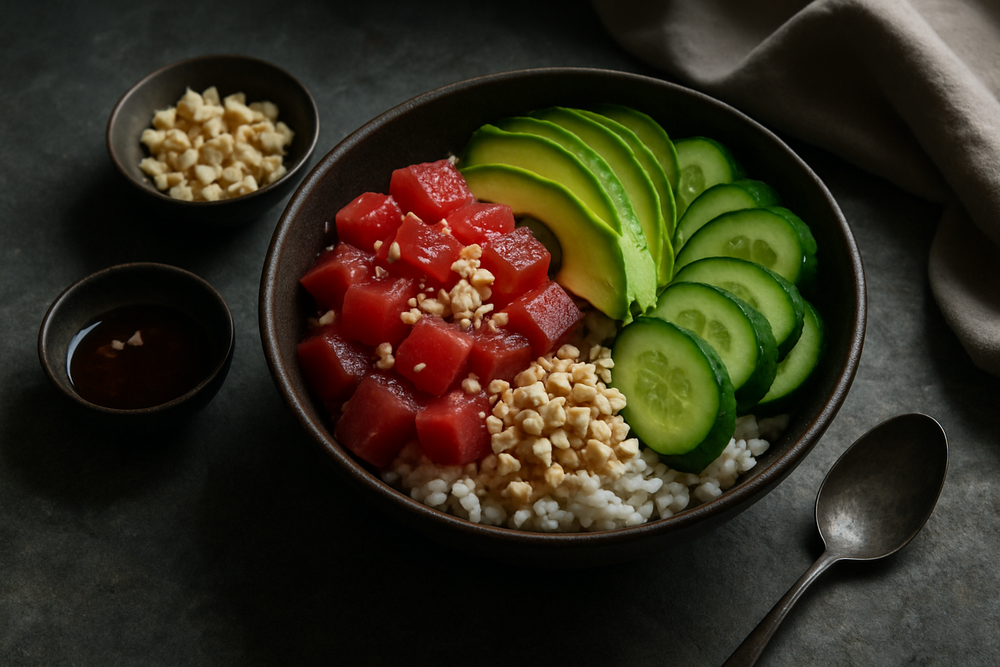
Classic poke: Cube fresh ahi tuna, toss with a teaspoon of inamona, a splash of soy sauce, and sliced green onions. The inamona adds a nutty, slightly bitter richness that no other ingredient quite replicates.
Rice and vegetables: A small amount of inamona stirred through warm brown rice, alongside grilled mushrooms or braised greens, adds depth without overwhelming the dish.
Common pairings and why they work:
- Ahi tuna + inamona + sea salt — The fattiness of raw tuna and the oil in kukui are complementary; salt bridges both and enhances the savory, slightly smoky note of roasted kukui.
- Brown rice + inamona + sesame oil — Sesame oil amplifies the toasted, nutty character of kukui and the combination makes plain rice feel complete without added protein.
- Roasted sweet potato + inamona + lime — The sweetness of sweet potato balances kukui's bitter edge; lime brightens and cuts through the fat, making this a satisfying plant-based bowl base.
Bottom line
Kukui nut is one of Hawaiʻi's most culturally significant plants, and inamona — its roasted, salted form — is an irreplaceable element of traditional poke. For most healthy adults, a small amount of properly made inamona used as a condiment is safe and adds genuine flavor complexity to a meal. The fat profile is favorable (unsaturated, with vitamin E), and the cultural and sensory value is real.
What kukui nut is not is a health supplement, a laxative aid, or a weight-loss product. The raw kernel is genuinely toxic, and that toxicity has caused cardiac emergencies in real people. The safety story here is not theoretical caution — it is documented harm. Keep kukui in its traditional lane: roasted, ground, salted, and used by the pinch over a bowl of poke. In that context, it is a delicious window into one of the world's great food traditions.
Looking to build meals around ingredients with well-studied benefits? Browse the Plantopedia goals library to match foods to your health priorities.
How Kukui Nut Compares
| Compared with | What's different |
|---|---|
| Kukui Nut vs. Macadamia Nut | Safe to eat raw as a snack; kukui must be roasted and used only as a condiment. |
| Kukui Nut vs. Walnut | A spice with a high fat content (8.6g) used for flavor; walnuts are a snackable source of omega-3s. |
Health Benefits
Things to Know
Raw = dangerous.: Even a few raw kernels can cause severe vomiting, diarrhea, and electrolyte imbalances. Never eat unroasted kukui nut.
Roasted inamona is a condiment, not a supplement.: Stick to traditional portion sizes: roughly 1–3 kernels worth, pounded into a relish for a full dish.
Heart conditions.: If you have any heart rhythm problem, conduction disorder (such as AV block), or take cardiac medications (beta-blockers, calcium channel blockers, antiarrhythmics), avoid kukui beyond the faintest trace in restaurant poke.
Medications that lower potassium.: If you take diuretics ("water pills") or any drug that affects potassium levels, kukui's purgative potential — even at moderate doses — could worsen hypokalemia (dangerously low potassium).
Laxatives.: Do not combine kukui nut with laxatives or other gastrointestinal motility agents. The additive effect can cause dangerous dehydration.
Pregnancy and breastfeeding.: No safety data exist. Given the potential for severe GI and cardiac effects at higher doses, it is prudent to avoid kukui entirely during pregnancy and breastfeeding except as a trace ingredient in traditional cooking.
Children.: Children are more vulnerable to dehydration from diarrhea and more sensitive to poisoning. Keep raw nuts entirely out of reach; limit even roasted inamona in young children.
Inflammatory bowel disease or peptic ulcers.: The irritant compounds in kukui may aggravate existing gut inflammation or ulcers even in roasted form.
Weight-loss products containing candlenut.: These are not safe. If you encounter a supplement marketed as "candlenut slimming" or similar, treat it as a red flag.
Prep Ideas
- — **Ahi tuna + inamona + sea salt** — The fattiness of raw tuna and the oil in kukui are complementary; salt bridges both and enhances the savory, slightly smoky note of roasted kukui.
- — **Brown rice + inamona + sesame oil** — Sesame oil amplifies the toasted, nutty character of kukui and the combination makes plain rice feel complete without added protein.
- — **Roasted sweet potato + inamona + lime** — The sweetness of sweet potato balances kukui's bitter edge; lime brightens and cuts through the fat, making this a satisfying plant-based bowl base.
Shop This Ingredient
Stock your pantry with quality kukui nut.
Buy on AmazonAs an Amazon Associate, Plantopedia earns from qualifying purchases. This costs you nothing extra and helps us keep the encyclopedia free.
Frequently Asked Questions
Heart and circulation The fat profile of kukui nut — high in linoleic and oleic acids — resembles the fat profile of other nuts and seeds that broader research links to better cholesterol balance and cardiovascular risk markers. However, there are no controlled human studies showing that kukui nut itself improves heart outcomes. More pressing is the opposite concern: raw candlenut consumption has caused documented cardiac emergencies. Published case reports describe patients developing atrioventricular (AV) heart block — a disruption in the electrical signaling between the upper and lower chambers of the heart — and slow heart rate (bradycardia) after eating raw nuts for weight loss or as a laxative. The proposed mechanism involves both direct cardiac toxicity from phorbol esters and the effects of severe potassium loss (hypokalemia) triggered by profuse diarrhea. Several patients required intravenous fluids and cardiac monitoring; some needed medications to support heart function. Bottom line for heart health: The healthy-fat profile of kukui nut may offer general benefits at condiment doses, but the raw kernel poses genuine cardiac risk. People with any heart condition or heart rhythm disorder should avoid kukui beyond trace amounts in traditional relish. Digestive health and microbiome Kukui nut has a centuries-long reputation as a purgative — Hawaiian oral tradition describes it as the "one, two, three nut," where eating one raw nut causes mild loosening of the bowels, two cause moderate diarrhea, and three cause a severe purge. This is not a gentle digestive tonic; it is a sign of toxicity. The saponins and phorbol esters in the raw seed irritate the gut lining and may alter fluid secretion in the intestine, producing rapid, sometimes extreme laxative effects. Modern medical literature does not recommend using kukui nut as a digestive aid. Human case reports consistently link raw candlenut ingestion to abdominal pain, nausea, vomiting, and diarrhea severe enough to require hospital admission. Roasted kukui eaten in inamona quantities (a few kernels distributed through a dish) is generally well-tolerated by healthy adults, though anyone sensitive to high-fat foods may notice mild digestive discomfort. Blood sugar and metabolism No human studies have evaluated kukui nut's effects on blood glucose or insulin sensitivity. Its fat composition — primarily unsaturated fats with minimal carbohydrate — means it has little direct effect on blood sugar at typical condiment serving sizes. As with other nut oils, the caloric density is high, so large quantities could contribute to energy surplus. Inflammation and recovery Traditional Hawaiian and broader Pacific medicine used kukui sap, bark, and nut oil topically on skin sores, burns, and irritation. Kukui oil is rich in linoleic acid and vitamin E, both of which are associated with skin barrier support and anti-inflammatory effects in other plant oils. Kukui oil is now used in some commercial cosmetic formulations for this reason. Eaten as food, there is no clinical trial evidence that kukui nut reduces inflammatory markers or speeds recovery. The ethnobotanical record is interesting but not a substitute for human research.
Roasted, ground inamona relish — the gold standard for culinary use. Traditional inamona is made by roasting kukui kernels until the shells crack and the interior turns golden, then shelling and pounding them with Hawaiian salt (and sometimes dried seaweed called limu) into a coarse, oily paste. Heat degrades the toxalbumins and appears to reduce overall toxicity enough to make small amounts safe as a condiment. This is the only form with a long, observed track record of human use. Roasted whole kernels can be used in cooking but must be treated as a flavoring agent, not a snack. The rule of thumb in traditional cooking: a few kernels per dish, not per person. Expressed kukui oil (pressed from the kernels) is primarily used in cosmetics and traditional topical medicine. Its oral safety in culinary amounts has not been studied well. Topically, it is considered safe. Raw seeds — avoid entirely. There is no culinary, therapeutic, or nutritional reason to eat raw kukui kernels. The risk is documented in multiple human case reports and the benefit is zero.
There is no established daily intake recommendation for kukui nut from any health authority. The only practical guidance comes from traditional culinary use and the toxicology record, and those two sources agree on the same principle: think in teaspoons, not tablespoons, and think condiment, not ingredient. In traditional poke preparation, a single batch of inamona uses roughly 3–6 roasted kernels and is spread across multiple servings. That means each diner receives the equivalent of less than one full kernel. This is the dose that has been used safely across generations. Starting point if you are new to kukui nut: use inamona sparingly — half a teaspoon mixed into a full serving of poke or rice. Observe how your digestive system responds. Some people are more sensitive than others to the residual compounds even in roasted form. There is no evidence that eating larger amounts of roasted kukui provides additional health benefit, and there is good reason to think that eating significantly more increases the chance of GI discomfort even from roasted nuts. More is not better here.
Quick Answers
Common questions, answered in a line.
Raw kukui nuts are toxic and can cause severe vomiting, diarrhea, and heart complications. While they are sometimes marketed online for weight loss, this is extremely dangerous as the effects stem from dehydration and electrolyte imbalances rather than fat burning.
You should avoid kukui nut if you have heart rhythm problems, inflammatory bowel disease, or take medications like diuretics and beta-blockers. Because children and pregnant or breastfeeding women are more vulnerable to its potent effects, it is recommended they avoid it as well.
Kukui nut oil contains linoleic acid, oleic acid, and Vitamin E, which support the skin barrier and protect cell membranes from oxidative damage. While the raw nut is toxic, the properly processed oil is generally considered safe for topical use in cosmetics.
To make inamona, roast raw kukui kernels in a dry pan for 10–15 minutes until they turn deep golden, then pound them with Hawaiian red alaea salt. This traditional condiment is commonly used to add a nutty, smoky richness to fresh ahi tuna poke.
No, kukui nuts and macadamia nuts are not the same and cannot be used interchangeably. While macadamia nuts are a safe snack, kukui nuts are toxic when raw and should only be consumed in small, roasted quantities as a condiment.
Kukui nuts contain saponins, phorbol esters, and toxalbumins, which act as potent irritants that can cause severe gastrointestinal distress. Roasting the nuts is essential because the heat degrades toxalbumins, making the roasted version much safer to consume.
For Readers in the USA
Local context — sourcing, seasonality, and regional notes.
In the United States, kukui trees (Aleurites moluccanus) grow almost exclusively in Hawaii, where it is the official state tree and thrives in tropical valley environments. While they can grow in USDA zones 10-12, including parts of Southern California and Florida, they are rarely harvested for food outside the Hawaiian Islands.
You can find kukui nut products, primarily as inamona or roasted kernels, at Hawaiian specialty markets, health food stores in the Pacific Northwest, and through online retailers nationwide. Major mainland grocery chains rarely stock the nuts, though kukui-infused skincare products are widely available at retailers like Sephora or Ulta.
The FDA has not approved raw kukui nuts (candlenuts) as a weight-loss supplement, and the agency has previously issued warnings regarding products containing toxic non-food ingredients marketed for slimming. Because raw kernels contain phorbol esters that cause severe gastrointestinal distress, they do not meet the safety standards for GRAS (Generally Recognized as Safe) food substances.
Kukui nuts are harvested year-round in Hawaii, but they are most commonly processed and sold as inamona during the peak poke season in the summer months. Because the roasted, salted condiment is shelf-stable when stored correctly, it is available to American consumers regardless of the calendar season.
AI Clinical Review
- Clearly explains that raw kukui (candlenut) is toxic and documents real-world risks (severe diarrhea, hypokalemia/low potassium, and heart conduction problems), while distinguishing that small amounts of well-roasted kernels used as inamona are the traditional, safer culinary form.
- Accurately frames kukui as a flavoring, not a supplement, and notes that typical portions are tiny, which limits both risk and nutritional impact per serving.
- Describes the fat profile (rich in linoleic and oleic acids with some vitamin E) without overstating health benefits; aligns with broader evidence that unsaturated fats are favorable in the diet.
- Appropriately separates topical kukui oil (generally tolerated) from ingesting raw seeds or weight‑loss products marketed as candlenut, which carry meaningful safety concerns.
- There are no controlled human trials testing kukui (as food or oil) for cardiometabolic or anti‑inflammatory outcomes; current benefit claims are extrapolated from other nuts/oils.
- How much roasting reduces specific toxic compounds and what residual levels remain are not standardized; safe upper intake limits are unknown.
- Composition can vary by cultivar and processing, so reported vitamin E and fatty acid values may not generalize to all products; bioavailability data are limited.
- Data on allergy risk and cross‑reactivity with other tree nuts are sparse, and safety in pregnancy and lactation has not been established.
- Dose and form matter: use inamona as a condiment (about 1–3 roasted kernels distributed across a dish; roughly ½ teaspoon), not as a snack or supplement. Avoid raw seeds entirely.
- Higher‑risk groups should be cautious or avoid: people with heart rhythm or conduction disorders, those on diuretics or potassium‑lowering/antiarrhythmic medicines, individuals with active GI disease (IBD, ulcers), children, and those who are pregnant or breastfeeding.
- Topical kukui oil is generally considered safe; ingesting kukui oil (culinary or supplemental) lacks robust safety data.
- If accidental raw ingestion leads to vomiting, diarrhea, weakness, or dizziness, seek medical care promptly due to dehydration and electrolyte risks.
Raw kukui is a strong purgative and mildly toxic—eat only cooked, in small amounts.
References
- Heart block and cardiac arrhythmia after raw candlenut ingestion — human case report (pmc.ncbi.nlm.nih.gov)
- USDA FoodData Central — candlenut/kukui nut nutritional composition (fdc.nal.usda.gov)
- MyPlate.gov — plant-based protein foods guidance (myplate.gov)
- Manoa Heritage Center — kukui (candlenut) ethnobotanical profile, traditional Hawaiian uses (manoaheritagecenter.org)
- Wikipedia — Aleurites moluccanus: botanical description, composition, and toxicity overview (en.wikipedia.org)
- Doc Développement Durable — Aleurites moluccana agroforestry and toxicity factsheet (doc-developpement-durable.org)
- Maui News — early Hawaiian uses of kukui nuts in fishing and cooking (mauinews.com)
- Earth Medicine Institute — Aleurites moluccana medicinal plant profile (earthmedicineinstitute.com)
- MyPersonalMenus — can you eat kukui nut? Edibility, toxicity, and culinary use (mypersonalmenus.com)
- PlantPono — Aleurites moluccana (kukui) Hawaiian plant profile (plantpono.org)
Know Your Numbers
Eating healthy is a start. Now get to know your biomarkers.
Food changes bloodwork — inflammation, lipids, blood sugar and nutrient status all respond to what you eat. 59 markers from $59.
- Results in 7–10 days at 2,000+ Quest sites
- Licensed provider reviews every result
- One flat price, no membership, HSA/FSA eligible
Educational information only, not medical advice. Panels are ordered and reviewed through our licensed partner; Plantopedia may earn a commission.