Licorice Root — health benefits and uses
A classic soothing digestive and throat herb in both Western and Chinese tradition.
The Short Answer
Licorice root is a potent herbal root used for digestive support and natural sweetening, though it must be consumed in moderation due to glycyrrhizin, a compound that can impact blood pressure and potassium levels.

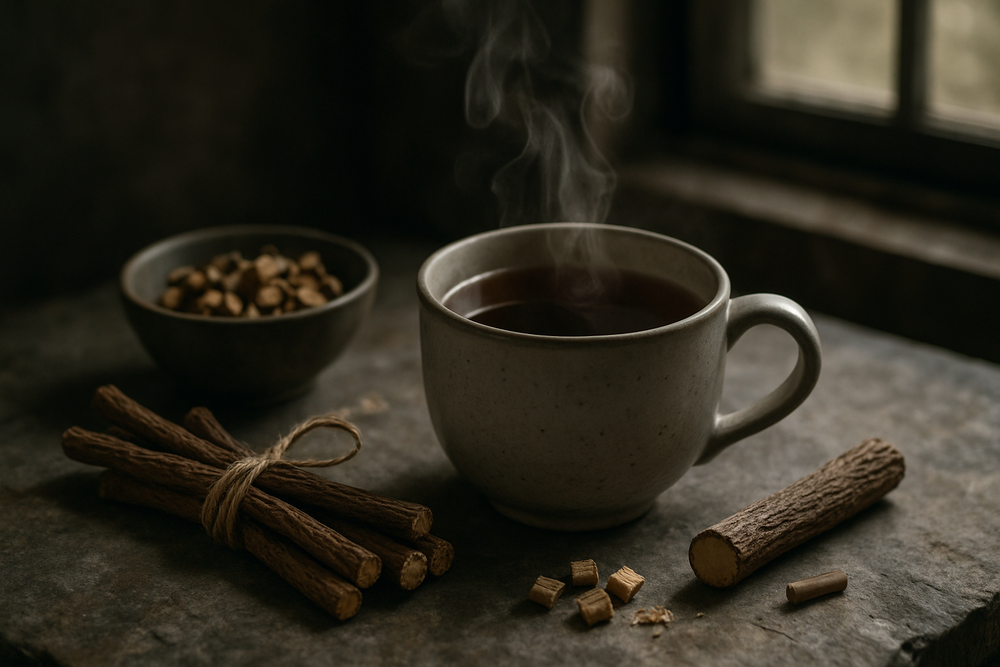
Licorice Root · Photograph
Explore the real licorice root benefits and side effects — from digestive and immune support to blood pressure risks. Learn how much is safe, what DGL means, and who should avoid it, all in plain English backed by current research.
Key Nutrients
% Daily Value based on 2,000 cal diet
Key active compounds
- Glycyrrhizin — The dominant sweetening compound and a triterpenoid saponin (a class of plant chemicals with soap-like properties). It is responsible for most of licorice root's antiviral and anti-inflammatory effects, but also its blood pressure–raising potential at higher doses.
- Glycyrrhetic acid — The compound glycyrrhizin breaks down into after digestion. It is the main driver of the blood pressure and potassium effects, acting on receptors that regulate sodium and water balance in the kidneys.
- Liquiritin and isoliquiritigenin — Flavonoids (plant pigment compounds with antioxidant activity) with anti-inflammatory and potentially neuroprotective effects in laboratory studies.
- Glabridin — A prenylated flavonoid concentrated in the root bark, studied for antioxidant, anti-inflammatory, and possible cardiovascular-protective actions in preclinical models.
- Other saponins and polyphenols — A broad mixture of additional compounds that may contribute to licorice's traditional uses for cough, digestion, and antimicrobial action.
Prep and pairing ideas
As a tea: Simmer 1–2 g (roughly half a teaspoon) of dried licorice root pieces in 200–250 ml of water for 10–15 minutes. Strain and drink. The flavor is naturally sweet, so no added sweetener is usually needed. Blend with ginger for a warming digestive tea, or with chamomile and fennel for a classic soothing herbal combination.
In spice blends: Ground dried licorice root adds depth to five-spice powder, chai mixes, and savory rubs for roasted root vegetables. A small pinch goes a long way because of its intense sweetness.
In plant-based confections: A small amount of licorice powder blended into date-based energy balls, raw cacao truffles, or homemade granola gives a distinctive, sophisticated sweetness without refined sugar. Pair with dark chocolate, toasted sesame seeds, or orange zest.
Who benefits most from licorice root
The plant-based dessert maker: If you love creating whole-food sweets without refined sugar, licorice root powder is a genuinely useful tool. Its intense sweetness means you need very little — a quarter teaspoon in a batch of date balls can replace a tablespoon of maple syrup while also adding depth and mild herbal notes. Keep it occasional and keep amounts small.
The person with occasional digestive discomfort: If you deal with mild reflux, bloating after meals, or a sensitive stomach, a small cup of licorice root tea after eating is a well-grounded traditional remedy with some supporting human data (especially if you choose a DGL product). It is not a replacement for medical care if symptoms are persistent, but as a plant-based self-care tool, the evidence is more solid here than for many popular herbal teas.
Bottom line
Licorice root is a genuinely fascinating herb — sweet, complex, bioactive, and backed by a meaningful body of research, particularly for digestive health using DGL formulations and for anti-inflammatory and antiviral activity in concentrated extracts. At culinary doses — a light tea a few times a week, a pinch in a spice blend, or a touch of powder in a plant-based dessert — it is a low-risk, flavorful addition to a whole-food, plant-based lifestyle.
Where licorice root earns its caution reputation is at higher, sustained doses. The glycyrrhizin it contains is not just a sweetener — it is a pharmacologically active compound that can push blood pressure up, strip potassium out, and interfere with several medications. This is not a reason to fear an occasional cup of licorice tea; it is a reason to be intentional.
If your goal is digestive support, DGL tablets are the most evidence-backed form. If your goal is flavor, culinary amounts are fine for most people. If you have any of the conditions listed above, or take heart, blood pressure, or steroid medications, have a conversation with your healthcare provider before going beyond cooking doses.
How Licorice Root Compares
| Compared with | What's different |
|---|---|
| Licorice Root vs. Anise Seed | Contains glycyrrhizin which affects blood pressure, whereas anise is a seed with a milder, licorice-like flavor. |
| Licorice Root vs. Fennel Bulb | A bulbous vegetable with a fresh, bright flavor; licorice root is a woody root used in small dried amounts. |
| Licorice Root vs. DGL (Deglycyrrhizinated Licorice) | The processed version with glycyrrhizin removed, making it safer for people with high blood pressure. |
Health Benefits
Things to Know
Blood pressure and heart: Even moderate daily use of glycyrrhizin-containing licorice can raise blood pressure and lower potassium (hypokalemia). People with hypertension, heart failure, arrhythmias, or a history of cardiac events should avoid medicinal doses entirely.
Pregnancy and breastfeeding: Avoid medicinal licorice root in pregnancy. High consumption has been linked to adverse developmental outcomes in children. Tiny culinary amounts may be considered occasionally, but err on the side of caution.
Kidney disease: Impaired kidneys are less able to handle electrolyte shifts; licorice-induced potassium loss and sodium retention can worsen the situation.
Diabetes: Licorice root and many licorice products add carbohydrate and sugar. Monitor total intake and treat it as an occasional flavoring rather than a daily supplement.
Hormone-sensitive conditions: Licorice has phytoestrogenic and cortisol-amplifying properties. Those with estrogen-sensitive cancers, endocrine disorders, or who are taking hormonal therapies should seek professional advice first.
Older adults (especially over 40): Advisory bodies flag a higher risk of arrhythmias and serious hypokalemia with regular high-dose use. Stick to culinary amounts.
Medication interactions to flag with your provider:
Diuretics (thiazides, loop diuretics) — additive potassium loss
Antihypertensive medications — licorice may counteract them
Digoxin and cardiac glycosides — low potassium increases toxicity risk
Corticosteroids — licorice amplifies steroid effects
Antiarrhythmic drugs — electrolyte shifts affect safety
Warfarin and anticoagulants — possible interaction; monitor
Hormonal therapies and oral contraceptives — licorice may alter steroid metabolism
Duration: Most herbal guidelines recommend limiting high-dose or strong licorice preparations to a few weeks rather than continuous long-term use.
Glossary
Shop This Ingredient
Stock your pantry with quality licorice root.
Buy on AmazonAs an Amazon Associate, Plantopedia earns from qualifying purchases. This costs you nothing extra and helps us keep the encyclopedia free.
Frequently Asked Questions
This is where the most human evidence exists, though it is important to know that most clinical studies use specialized extracts, not brewed root tea. Digestive health and microbiome The best-studied digestive use of licorice is deglycyrrhizinated licorice (DGL) — a processed form where glycyrrhizin has been removed to reduce blood pressure risk. Multiple small clinical trials found that DGL chewable tablets (typically 760–1,520 mg before meals) improved healing of peptic ulcers and reduced upper GI symptoms compared to placebo or antacid therapy. The proposed mechanism is that licorice flavonoids and saponins increase mucus secretion in the stomach lining, enhance mucosal blood flow, and may inhibit Helicobacter pylori, the bacterium linked to most stomach ulcers. Licorice-containing herbal combinations have also been studied for GERD (gastroesophageal reflux disease) and functional dyspepsia (chronic indigestion). Results are generally positive, but because these formulas include multiple herbs, it is difficult to credit licorice alone. Research on plain licorice tea for digestion is limited; most studies use DGL supplements or multi-herb formulas. Bottom line for digestion: DGL supplements have the strongest human evidence for ulcer and reflux symptoms. A light licorice root tea is traditionally soothing but has not been rigorously tested on its own. Inflammation and recovery Glycyrrhizin and related saponins appear to modulate NF-κB — a cellular "on switch" for inflammation — and reduce oxidative stress (cell damage caused by unstable molecules) in laboratory and animal models. In humans, intravenous glycyrrhizin has been studied in chronic hepatitis patients, with some trials showing reduced liver enzyme levels and improved inflammation markers. Topical licorice preparations have shown promise for inflammatory skin conditions and oral mucositis (mouth inflammation from cancer treatment). At the dietary level, the anti-inflammatory data is indirect. The compounds are present, the mechanism is plausible, but robust human trials at tea or culinary doses are not yet available. Blood sugar and metabolism Early human trials of specialized licorice flavonoid preparations reported modest improvements in insulin resistance and body fat in overweight individuals. These trials are small and short-term, and use concentrated extracts, not everyday food amounts. Licorice root itself is relatively high in natural sugars, so it is not a straightforward choice for anyone managing blood glucose. Treat it as an occasional flavoring rather than a metabolic supplement. Hormones and cycle health This is one of the more interesting — and cautionary — areas of licorice research. Small human studies suggest licorice may lower testosterone levels and influence sex hormone–binding globulin, which has sparked interest in conditions like polycystic ovary syndrome (PCOS). However, the same hormonal activity is a reason for concern: glycyrrhizin inhibits an enzyme called 11β-hydroxysteroid dehydrogenase, which effectively amplifies cortisol (the body's main stress hormone) activity. Licorice also contains phytoestrogenic compounds (plant chemicals that can weakly mimic estrogen). Observational studies have linked high licorice intake during pregnancy to potential adverse neurodevelopmental outcomes in children. Major health organizations advise avoiding medicinal licorice in pregnancy and breastfeeding. Immune support Glycyrrhizin has antiviral activity in laboratory studies, including against hepatitis viruses. In Japan, intravenous glycyrrhizin has been used clinically for chronic hepatitis C, with studies showing reduced liver inflammation. Licorice-based mouthwashes and lozenges have shown reductions in dental plaque and oral microbial load in small trials. For a cup of licorice root tea, the immune support is more traditional than proven — the bioactive compounds are present, but evidence for clinical effects at typical food doses remains limited. Heart and circulation This is the area that demands the most caution. At high doses, glycyrrhizin triggers a syndrome called pseudoaldosteronism — a drug-like effect where the kidneys retain sodium and excrete potassium, raising blood pressure and causing fluid retention. This has been documented from licorice candy, strong herbal teas, and supplements alike. Regulatory bodies including the FDA have issued specific warnings about heavy daily licorice consumption in adults over 40. Some small studies hint at modest lipid-lowering or body-fat benefits from licorice extracts, but these potential benefits are clearly outweighed by cardiovascular risk if the herb is used in excess or long-term without medical supervision.
The answer depends heavily on your goal. For everyday soothing and flavor: A small amount of dried licorice root steeped in hot water as an occasional tea (1–2 g per cup, a few times a week) is the most accessible and lowest-risk approach. This is what most people mean when they talk about licorice root tea. For digestive symptoms like reflux or ulcers: DGL (deglycyrrhizinated licorice) chewable tablets are the most evidence-backed option. Because the glycyrrhizin has been removed, the blood pressure risks are greatly reduced. Standard research doses are 760–1,520 mg before meals. For concentrated extracts or tinctures: These deliver more active compounds but also more glycyrrhizin unless specified as DGL. Duration is usually limited to a few weeks; long-term use requires professional oversight. For plant-based cooking and sweets: Powdered licorice root or a small whole root piece adds deep, sweet flavor to spice blends, energy balls, and herbal confections. At these small culinary amounts, glycyrrhizin exposure is minimal. Avoid: Strong root decoctions daily, large amounts of licorice candy (especially imported varieties with real licorice extract), or high-dose supplements taken without professional guidance — particularly if you are in any caution group.
There is no universally agreed daily safe dose, but here is what the available guidance suggests: Occasional culinary tea (1–2 g dried root): Generally considered safe for most healthy adults when used a few times a week rather than daily. This is the lowest-risk approach. Herbal supplement range (whole root): Common guidance is 1–4 g dried root up to three times daily, but for limited periods only — most frameworks suggest no more than 4–6 weeks of continuous use without professional oversight. DGL supplements: Research doses of 760–1,520 mg before meals for 8–16 weeks are the best-studied range; DGL is generally considered lower risk than whole root for blood pressure. Glycyrrhizin threshold: Some European safety authorities suggest keeping glycyrrhizin intake under 100 mg per day from all sources (food and supplements combined) for adults not in a risk group. A cup of strong licorice root tea can contain 200–600 mg, so context matters. General principle: Start low, use occasionally, and if you notice any swelling, changes in blood pressure, muscle weakness (a sign of low potassium), or headache, stop and consult a healthcare provider.
Quick Answers
Common questions, answered in a line.
Licorice root contains glycyrrhizin, which can raise blood pressure and cause potassium loss when consumed in higher doses. It is recommended that individuals with hypertension, heart failure, or arrhythmias avoid medicinal doses of licorice entirely.
To make licorice root tea, simmer 1–2 grams (about half a teaspoon) of dried root pieces in 200–250 ml of water for 10–15 minutes. The root is naturally sweet, so you likely won't need added sugar, and it pairs well with ginger, chamomile, or fennel.
Licorice root is used to soothe digestive discomforts like mild reflux, bloating after meals, and a sensitive stomach. While it is a traditional remedy, current research suggests that DGL (deglycyrrhizinated licorice) formulations are the most evidence-backed form for digestive support.
Medicinal licorice root should be avoided during pregnancy as high consumption has been linked to adverse developmental outcomes in children. While tiny culinary amounts may be okay occasionally, it is safest to err on the side of caution and consult a healthcare provider.
Licorice root can interact with several medications, including diuretics, blood pressure drugs, corticosteroids, and blood thinners like Warfarin. Because it can affect potassium levels and hormone metabolism, you should speak with a doctor if you take heart or hormonal medications.
Licorice root contains various active compounds including glycyrrhizin, glycyrrhetic acid, and flavonoids like liquiritin and glabridin. These chemicals provide the root's characteristic sweetness and are responsible for its antiviral, anti-inflammatory, and antioxidant properties.
Licorice root powder is an excellent natural sweetener for plant-based desserts like date-based energy balls, raw cacao truffles, or homemade granola. Because of its intense sweetness, a small pinch or quarter teaspoon can often replace larger amounts of refined syrups.
For Readers in the USA
Local context — sourcing, seasonality, and regional notes.
In the U.S., licorice root is primarily grown in USDA zones 7–9, with most commercial production favoring the warmer climates of the South and West. While the plant is native to Eurasia, American gardeners in states like Texas and California can successfully grow it as a perennial in well-drained soil.
You can find dried licorice root and DGL supplements at major U.S. retailers like Whole Foods Market, Sprouts Farmers Market, and local health food cooperatives. Many Americans also purchase high-quality organic licorice root in bulk through online specialized apothecaries or herb suppliers.
Under FDA regulations, licorice is "Generally Recognized as Safe" (GRAS) for use in food, provided it does not exceed specific glycyrrhizin levels. The FDA has previously issued consumer advisories warning that overconsumption of black licorice candy can lead to low potassium levels and heart arrhythmia, particularly in adults over 40.
Most "licorice" candy sold in U.S. grocery stores, such as Red Vines or Twizzlers, is flavored with anise oil rather than actual licorice root. If you are seeking the health benefits of the plant, you must check the ingredient label for "licorice extract" or "licorice root," which is more common in artisanal or European-style black licorice.
AI Clinical Review
- Clearly distinguishes whole-root licorice (glycyrrhizin-containing) from DGL, and explains why DGL is preferred for reflux/ulcers due to lower blood-pressure risk.
- Accurately notes that much of the supportive research uses concentrated extracts or IV glycyrrhizin, not a standard cup of tea—so dose and form matter.
- Summarizes the best human evidence around digestive support (particularly DGL) and the well-documented risk of pseudoaldosteronism (sodium retention, low potassium, higher blood pressure) with excess glycyrrhizin.
- Provides a thorough, consumer-friendly safety section that flags key drug interactions and higher-risk groups.
- Anti-inflammatory and antiviral findings are strong in lab/animal models and in specific medical contexts (e.g., IV glycyrrhizin for hepatitis), but robust trials at tea-level or culinary doses are limited.
- Metabolic/weight and blood-lipid effects come from small, short-duration studies using specialized extracts; they shouldn’t be assumed from occasional tea or culinary use.
- Hormonal effects (e.g., testosterone changes, cortisol amplification) are suggested by small studies; pregnancy data are largely observational—signal for caution, but not definitive causation.
- Any cardiovascular “benefits” from select extracts are preliminary and are outweighed by the known hypertension/hypokalemia risk if glycyrrhizin is overused.
- Dose and form: For reflux/ulcers, DGL chewables (about 760–1,520 mg before meals) have the best human data; whole-root teas and tinctures contain glycyrrhizin and carry blood-pressure/potassium risks at higher or sustained intakes.
- Practical use: For most healthy adults, an occasional light tea (about 1–2 g dried root) a few times per week is lower risk; some authorities suggest keeping total glycyrrhizin under ~100 mg/day from all sources.
- Who should be cautious or avoid medicinal doses: anyone pregnant or breastfeeding; people with hypertension, heart, kidney, or arrhythmia history; and those with hormone-sensitive conditions.
- Medication interactions can be clinically significant—especially with diuretics, digoxin, antihypertensives, corticosteroids, antiarrhythmics, warfarin, and some hormonal therapies—so check with your clinician or pharmacist before using beyond culinary amounts.
Excess can raise blood pressure and lower potassium; avoid in pregnancy and hypertension.
References
- USDA FoodData Central — Licorice root nutritional data (fdc.nal.usda.gov)
- NIH National Center for Complementary and Integrative Health (NCCIH) — Licorice root: usefulness and safety (nccih.nih.gov)
- University of Rochester Medical Center — Licorice root monograph (urmc.rochester.edu)
- PubMed review — Pharmacological efficacy and safety of licorice (2020) (pubmed.ncbi.nlm.nih.gov)
- PMC comprehensive review — Glycyrrhiza glabra: phytochemistry and pharmacology (pmc.ncbi.nlm.nih.gov)
- International Journal of Food Science and Technology — Licorice: nutritional, medicinal, and economic uses (2025) (academic.oup.com)
- Healthline — Licorice root: benefits, uses, precautions, and dosage (healthline.com)
- Medical News Today — Benefits of licorice root: uses, side effects, and more (medicalnewstoday.com)
- RxList — Licorice: side effects, uses, dosage, interactions, warnings (rxlist.com)
- HerbalReality — Liquorice (Glycyrrhiza glabra): benefits, safety, and uses (herbalreality.com)
Know Your Numbers
Eating healthy is a start. Now get to know your biomarkers.
Food changes bloodwork — inflammation, lipids, blood sugar and nutrient status all respond to what you eat. 59 markers from $59.
- Results in 7–10 days at 2,000+ Quest sites
- Licensed provider reviews every result
- One flat price, no membership, HSA/FSA eligible
Educational information only, not medical advice. Panels are ordered and reviewed through our licensed partner; Plantopedia may earn a commission.